Melasma Treatment Korea’s Advanced Multi-Layer Protocol at RE:BERRY
Korea leads the world in melasma management through multi-modal protocols that combine low-fluence laser toning, RF barrier repair, and regenerative skin boosters. RE:BERRY Myeongdong’s melasma specialists use PicoSure + Genesis dual toning with Potenza RF and Juvelook to treat the condition at every biological level — from melanin fragmentation to melanocyte calming to skin barrier reinforcement.
Why Is Korea the Best Place for Melasma Treatment?
Korea is the global leader in melasma treatment because Korean clinics pioneered the low-fluence laser toning protocol — a multi-session approach using sub-threshold laser energy that gradually clears melanin without triggering rebound hyperpigmentation. At RE:BERRY Myeongdong, the Dual Toning Package (PicoSure + Genesis) costs ₩259,000 per session, typically requiring 6-10 sessions over 3-5 months for significant melasma improvement.
Melasma is fundamentally different from other pigmentation conditions because it involves chronic melanocyte hyperactivity driven by UV exposure, hormonal fluctuations, and inflammation — not just excess melanin deposits. This means aggressive laser treatment that works well on sunspots can actually worsen melasma by triggering an inflammatory cascade that stimulates melanocytes to produce even more melanin (rebound hyperpigmentation). Korean dermatology recognized this problem early and developed the low-fluence toning protocol, which uses carefully calibrated sub-threshold laser energy to gradually fragment melanin without causing enough thermal damage to trigger melanocyte activation. RE:BERRY Myeongdong has refined this approach further by combining dual-wavelength laser toning with Potenza RF microneedling for skin barrier repair and Juvelook or exosome therapy for melanocyte calming — addressing melasma at the symptom level, the cellular level, and the structural level simultaneously. This three-pronged approach is why Korean melasma protocols achieve results that single-modality treatments elsewhere cannot match.
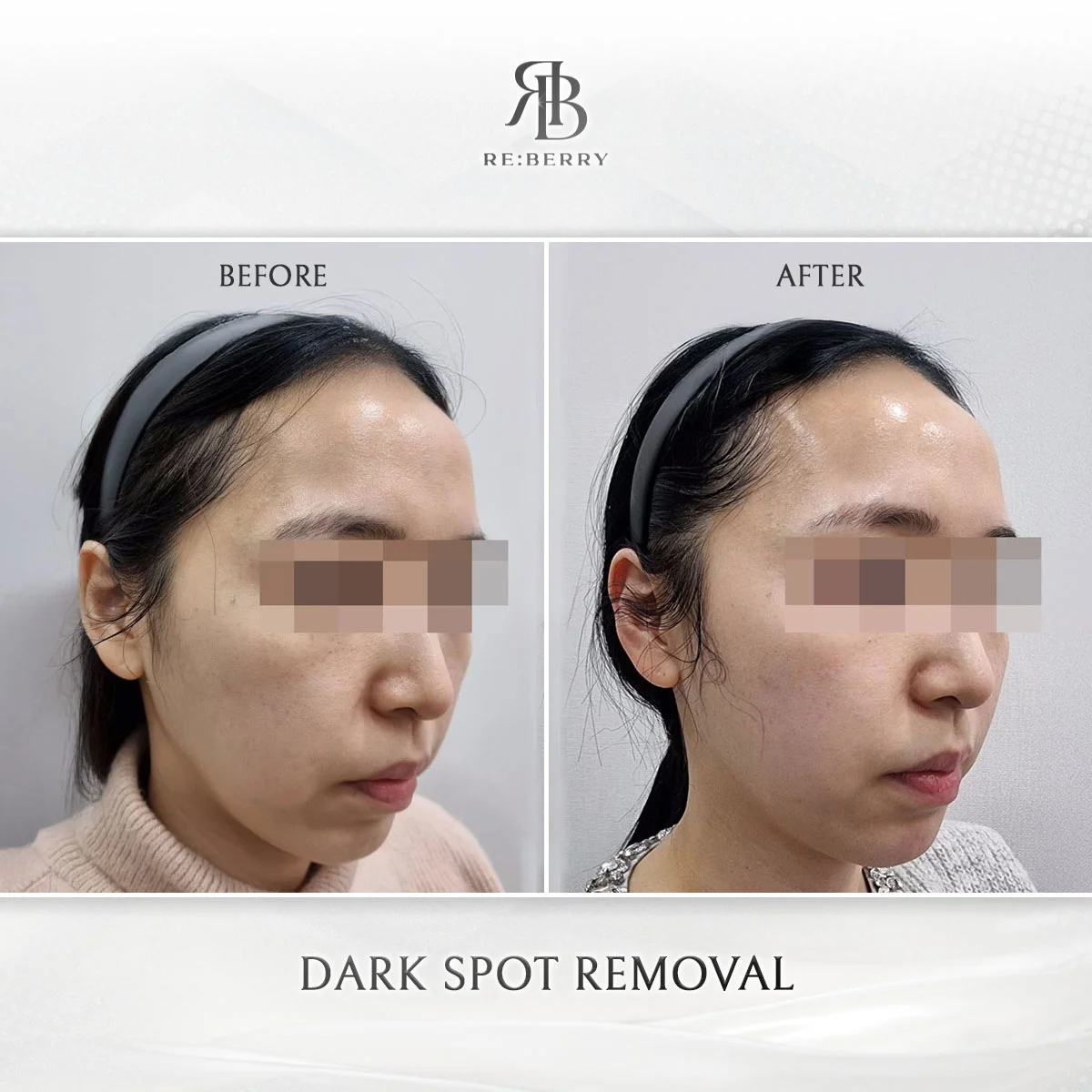
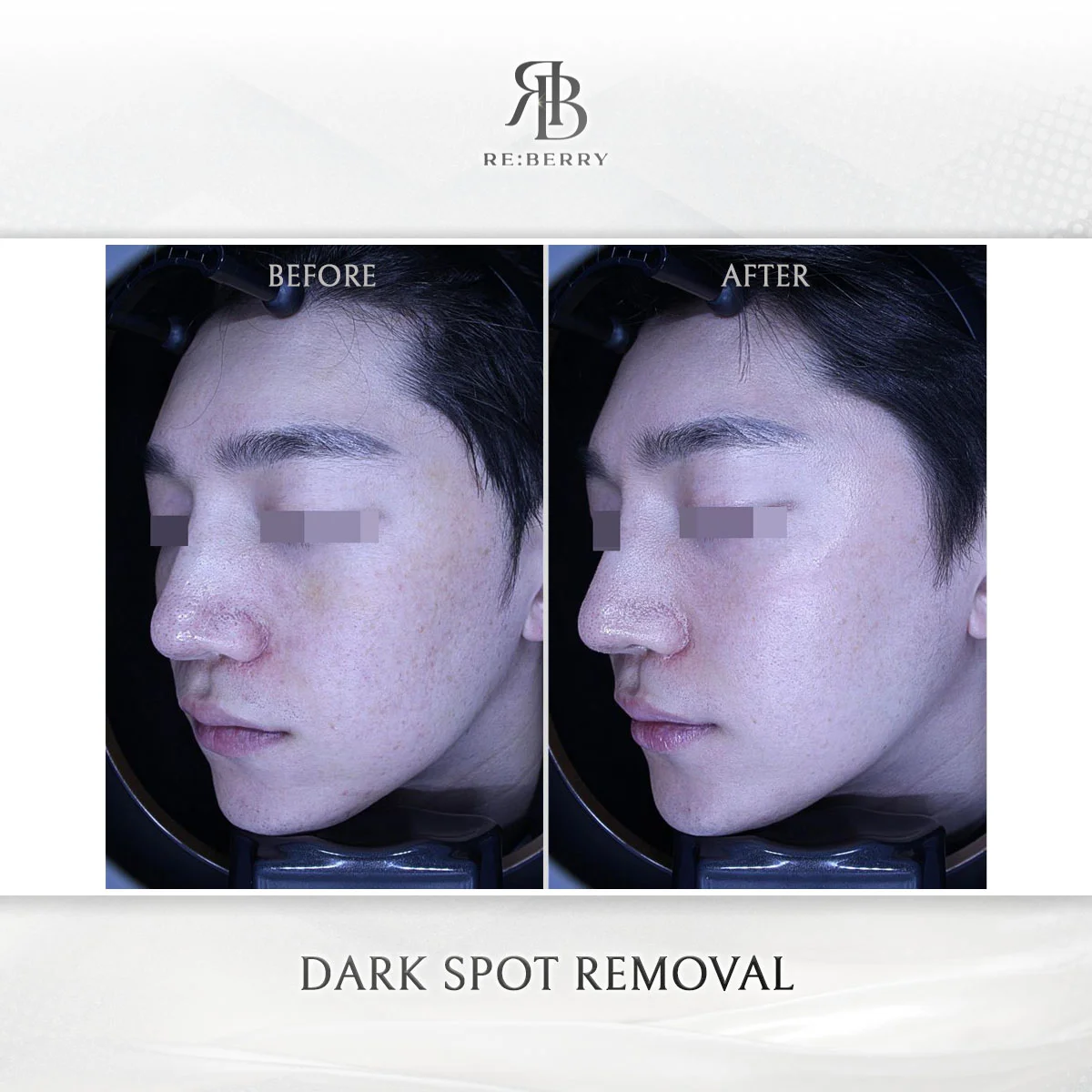
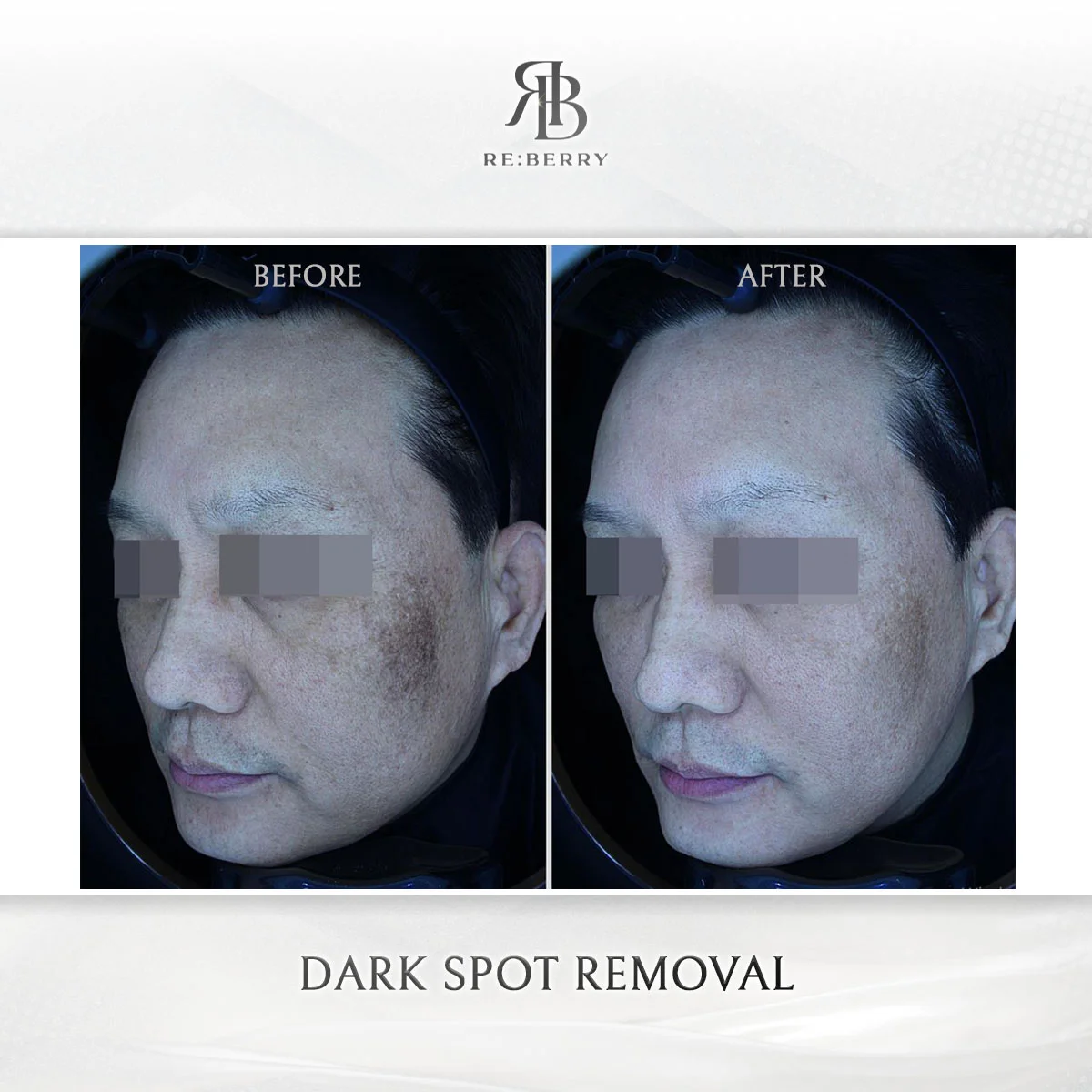
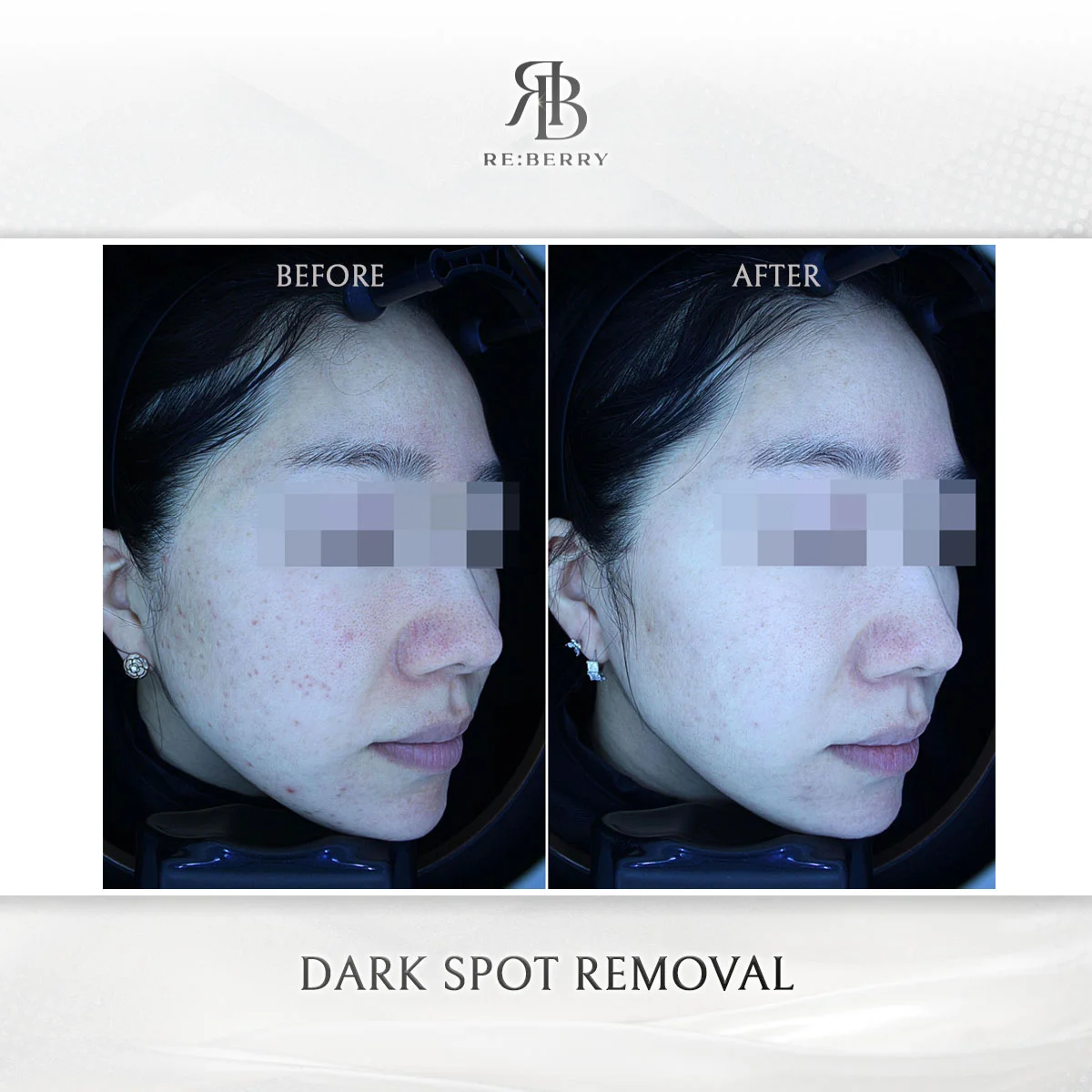
Melasma Treatment Before & After
Actual patient results from RE:BERRY Myeongdong’s melasma treatment protocol. Results vary by individual.
.webp)
How RE:BERRY Treats Melasma: The Korean Multi-Layer Protocol
Our four-phase melasma protocol addresses melanin, melanocytes, inflammation, and skin barrier — the four pillars of melasma management.
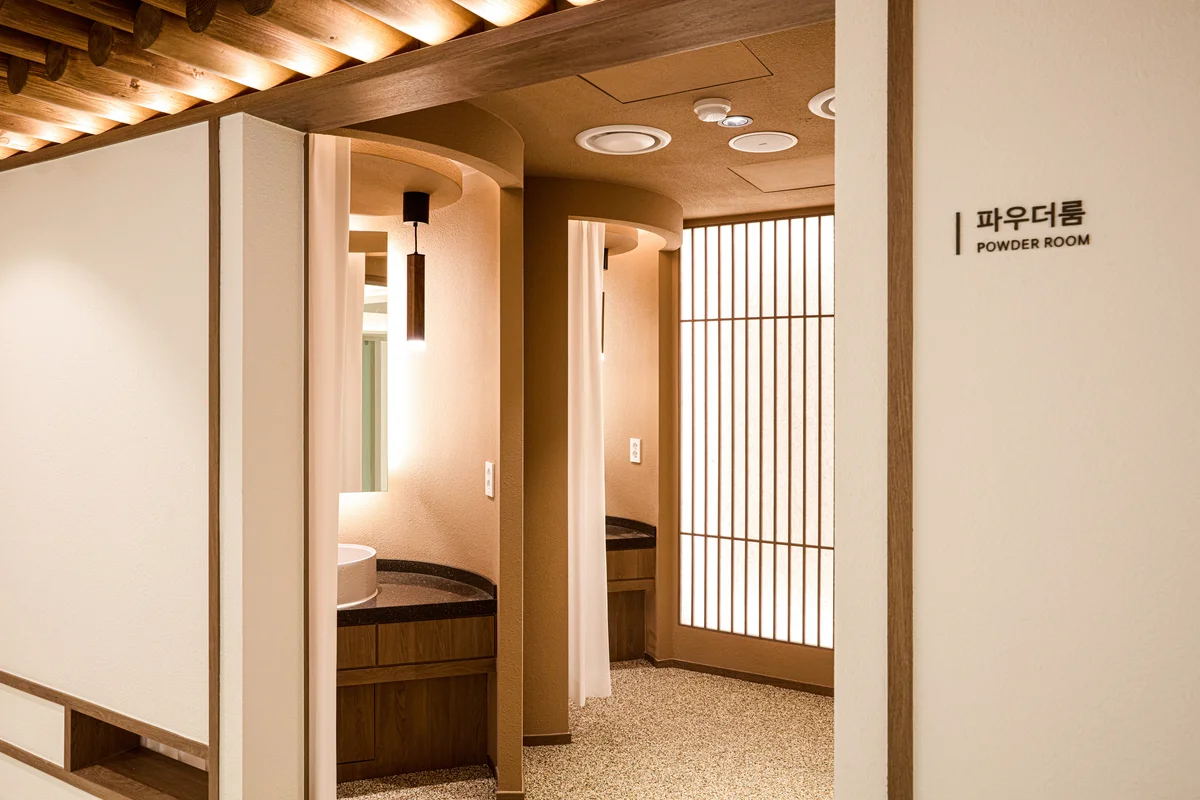
Phase 1: Melasma Classification & Treatment Planning
Melasma treatment at RE:BERRY begins with precise classification. Dr. Baek Seung-Jae uses dermoscopy and Wood’s lamp examination to determine melasma type (epidermal, dermal, or mixed), pattern (centrofacial, malar, or mandibular), and severity (MASI scoring). This classification is critical because treatment parameters differ significantly: epidermal melasma responds to gentler protocols while dermal melasma requires deeper wavelengths and longer treatment courses. Your doctor creates a personalized treatment plan including session frequency, laser parameters, complementary treatments, and expected timeline based on your specific melasma profile.
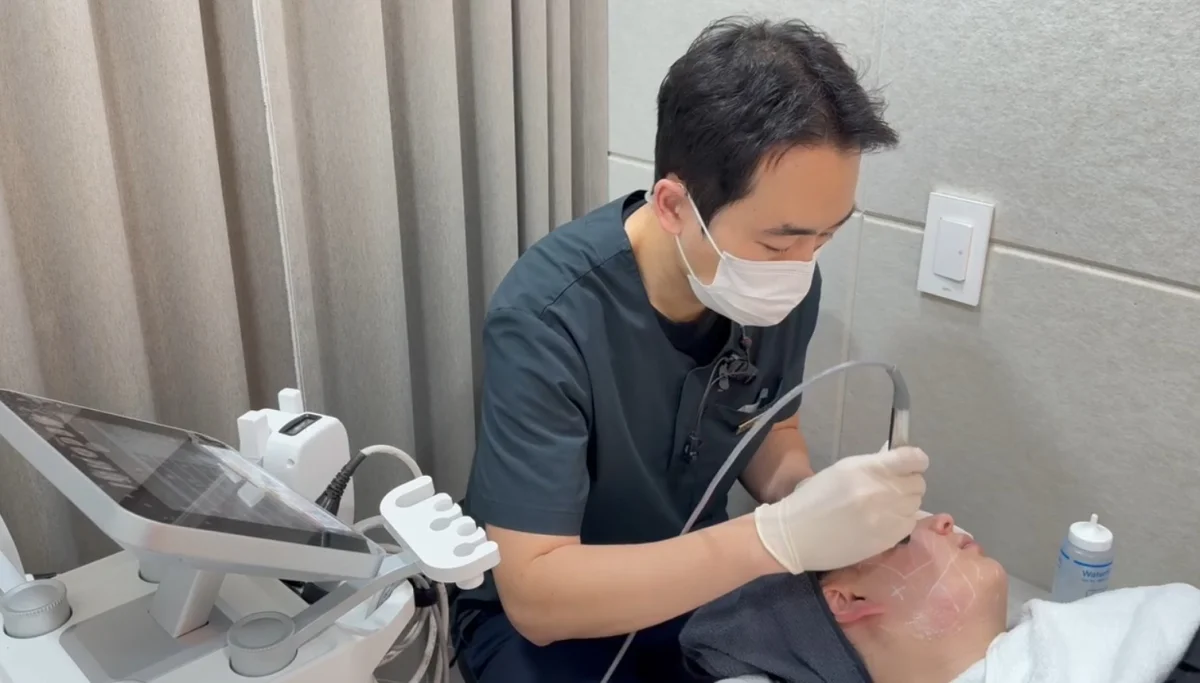
Phase 2: Low-Fluence Dual Toning
The core of RE:BERRY’s melasma protocol is low-fluence dual-wavelength toning. PicoSure 755nm delivers picosecond pulses at sub-threshold energy to mechanically fragment melanin without generating significant heat. Genesis 1064nm Nd:YAG follows with gentle dermal toning that reaches deeper melanin deposits. The key principle is gradual clearance — each session removes a measured amount of melanin while keeping thermal damage below the threshold that would trigger melanocyte reactivation. Sessions are typically scheduled every 1-2 weeks during the active treatment phase, with each session lasting 20-30 minutes.
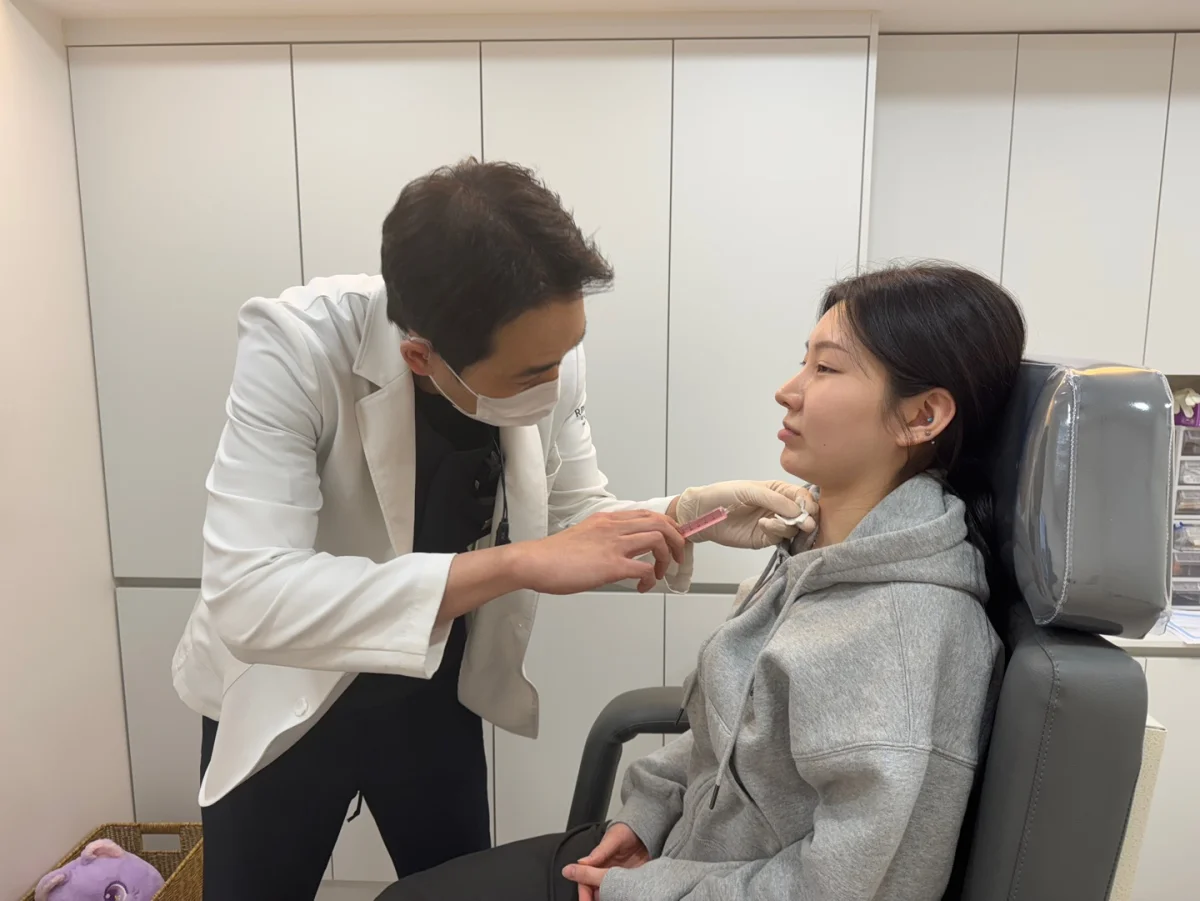
Phase 3: Barrier Repair & Melanocyte Calming
What distinguishes Korean melasma protocols from other countries is this critical third phase. Potenza RF microneedling with exosome or Juvelook skin booster is applied every 3-4 weeks to repair and strengthen the skin barrier that melasma typically compromises. A healthy, intact skin barrier reduces transepidermal water loss, limits UV penetration, and decreases the inflammatory signaling that drives melanocyte overactivity. The exosome growth factors additionally modulate melanocyte behavior at the cellular level, helping to normalize melanin production rather than just clearing existing deposits. This phase is what prevents the rebound that plague laser-only melasma treatments.
Phase 4: Maintenance & Long-Term Management
Melasma is a chronic condition that requires ongoing management. After the active treatment phase (typically 3-5 months), RE:BERRY transitions patients to a maintenance protocol: monthly or quarterly toning sessions at reduced parameters to prevent melanin re-accumulation, continued SPF 50+ daily use (the single most important maintenance step), and melanin-suppressing topicals. Patients who travel to Seoul regularly can schedule maintenance sessions during visits. For international patients who cannot return frequently, we provide a detailed home care protocol and partner clinic referral network. The goal is sustained clarity — not temporary improvement followed by relapse.
Melasma Treatment Timeline and Expected Results
- Korea-Developed Protocol Low-fluence toning was pioneered in Korean clinics and refined over 15+ years of clinical experience treating Asian melasma.
- Three-Pronged Approach Laser toning (melanin clearance) + RF repair (barrier strengthening) + growth factors (melanocyte calming) = comprehensive management.
- Minimal Rebound Risk Sub-threshold energy levels and barrier repair protocol significantly reduce the rebound hyperpigmentation that derails other treatments.
- Safe for All Asian Skin Types Picosecond photomechanical action specifically designed to be safe for Fitzpatrick III-V with high baseline melanin content.
- No Downtime Per Session Each toning session takes 20-30 minutes with zero downtime. Continue normal activities — including sightseeing in Seoul — immediately.
- Globally Competitive Pricing Full melasma protocol at ₩259,000/session in Korea costs 50-70% less than comparable treatments in Japan, Singapore, or the US.
| Timeline | What to Expect |
|---|---|
| Sessions 1-3 (Weeks 1-4) | Foundation phase. Gentle melanin fragmentation begins. Skin may appear slightly brighter but major visible change not yet apparent. This patience is critical — aggressive treatment at this stage causes rebound. |
| Sessions 4-6 (Weeks 5-8) | Progressive improvement. Melasma patches begin visibly lightening. Skin tone becomes more even. First barrier repair session (Potenza + Juvelook) typically scheduled around session 4. |
| Sessions 7-10 (Months 3-4) | Significant improvement. MASI score reduction of 40-60% in most patients. Melasma patches markedly lighter. Second barrier repair session to reinforce results. |
| Month 5-6 | Active treatment phase completion. 60-80% improvement achievable in most epidermal and mixed melasma cases. Deeper dermal melasma may continue improving gradually. |
| Months 6-12 (Maintenance) | Maintenance toning every 4-6 weeks at reduced parameters. Results stabilize with consistent SPF use and topical melanin inhibitors. |
| Year 1+ (Long-term) | Annual or bi-annual maintenance sufficient for most patients. Hormonal changes (pregnancy, oral contraceptives) may require temporary increase in session frequency. |
Melasma Treatment Approaches Compared
| Feature | RE:BERRY Multi-Layer Protocol | Laser Toning Only | Topical Hydroquinone | Chemical Peel |
|---|---|---|---|---|
| Approach | Dual Toning + RF Barrier Repair + Growth Factors | Single wavelength laser | Tyrosinase inhibitor cream | Acid exfoliation |
| Melanin Clearance | High (multi-depth) | Moderate | Low-Moderate | Low |
| Rebound Prevention | Built-in (barrier repair + melanocyte calming) | Not addressed | Returns after stopping | High rebound risk |
| Sessions to See Results | 4-6 sessions | 8-12 sessions | 2-3 months daily | 4-6 sessions |
| Full Protocol Duration | 3-5 months active | 6-12 months | Indefinite use | 3-6 months |
| Safety for Asian Skin | Excellent (photomechanical) | Good (if low-fluence) | Good | Moderate (PIH risk) |
| Long-term Maintenance | Quarterly toning | Monthly toning | Daily application | Periodic treatments |
Melasma Treatment Pricing at RE:BERRY Myeongdong
All prices exclude VAT. Non-covered medical service. Prices valid April 2026.
One Day PicoSure Toning (Trial)
- PicoSure low-fluence toning (full face)
- Melasma skin assessment & MASI scoring
- Post-treatment LDM soothing
- Single session evaluation — ideal for first-time patients
Dual Toning Package
- PicoSure 755nm low-fluence toning
- Genesis 1064nm Nd:YAG deep toning
- LDM soothing + Dermio Care mask
- Recommended: 6-10 sessions at 1-2 week intervals
Acne All-Kill Package (Melasma + Barrier)
- Basic facial preparation
- Potenza RF microneedling
- Exosome 2cc application
- Dermio Care 15 min soothing
- Ideal for melasma patients needing skin barrier repair
Melasma Treatment Specialists at RE:BERRY Korea
Aesthetic medicine specialists with extensive experience managing melasma in Asian patients at RE:BERRY Myeongdong.
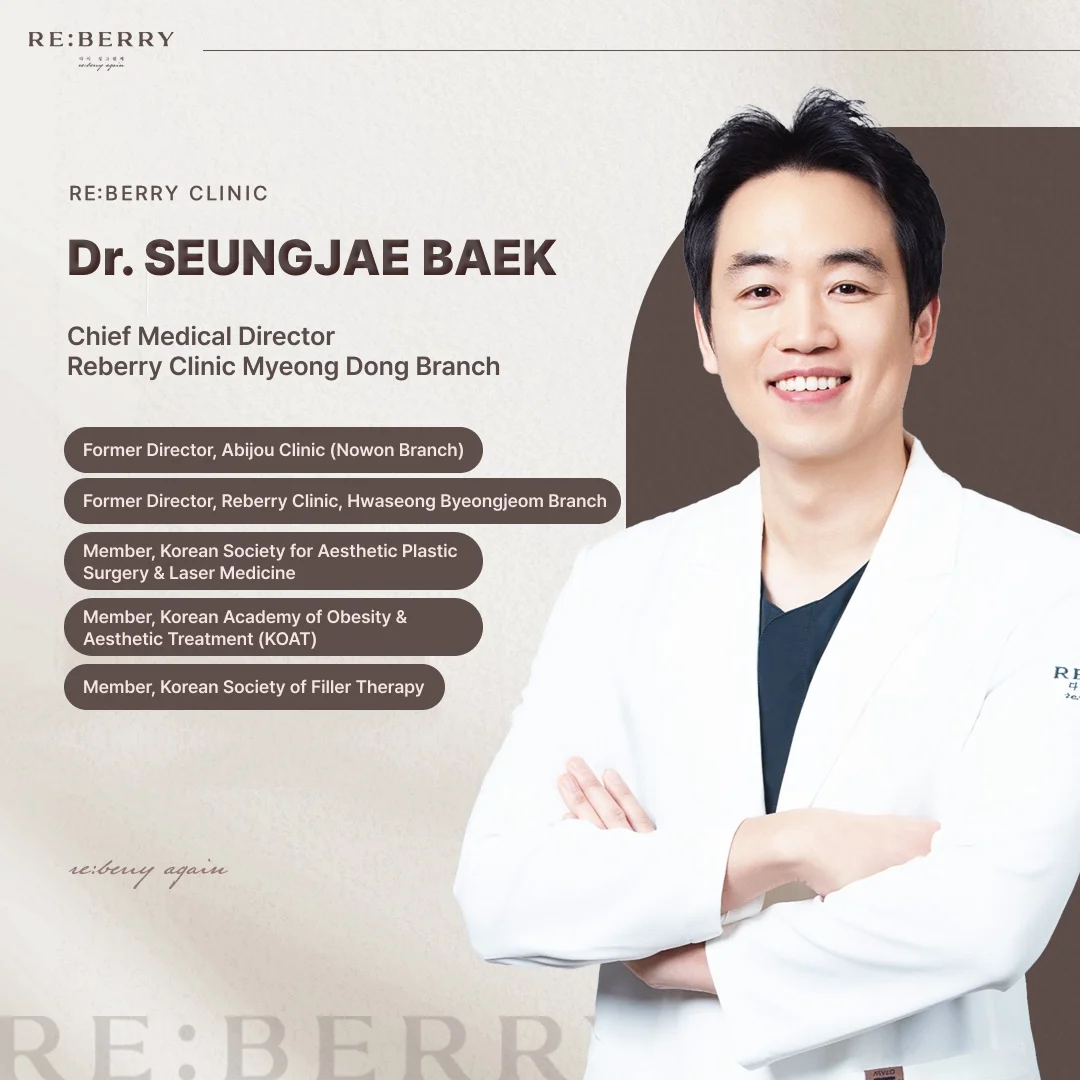
Dr. Baek Seung-Jae
- Head Director, RE:BERRY Clinic Myeongdong
- Juvelook Certified Meister & Speaker
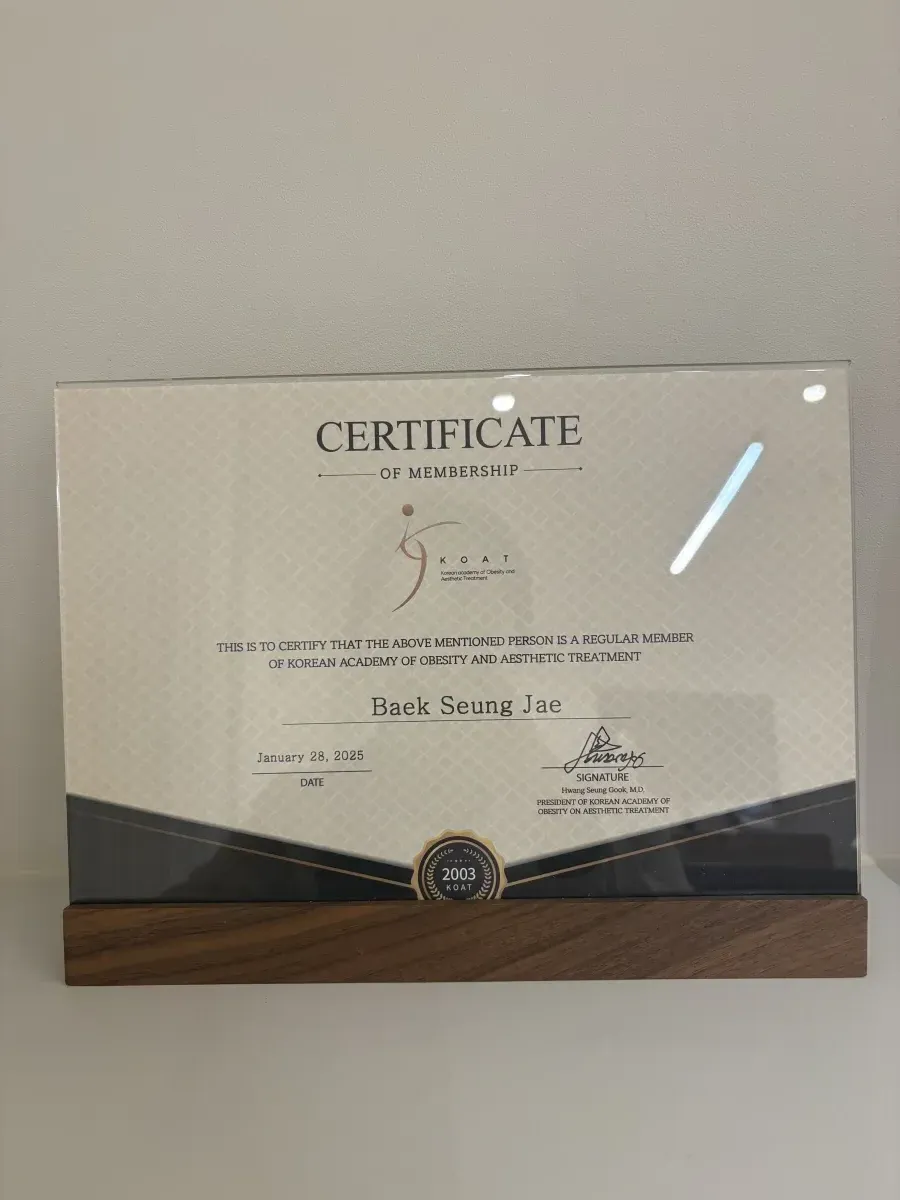
- Member, Korean Academy of Aesthetic Medicine
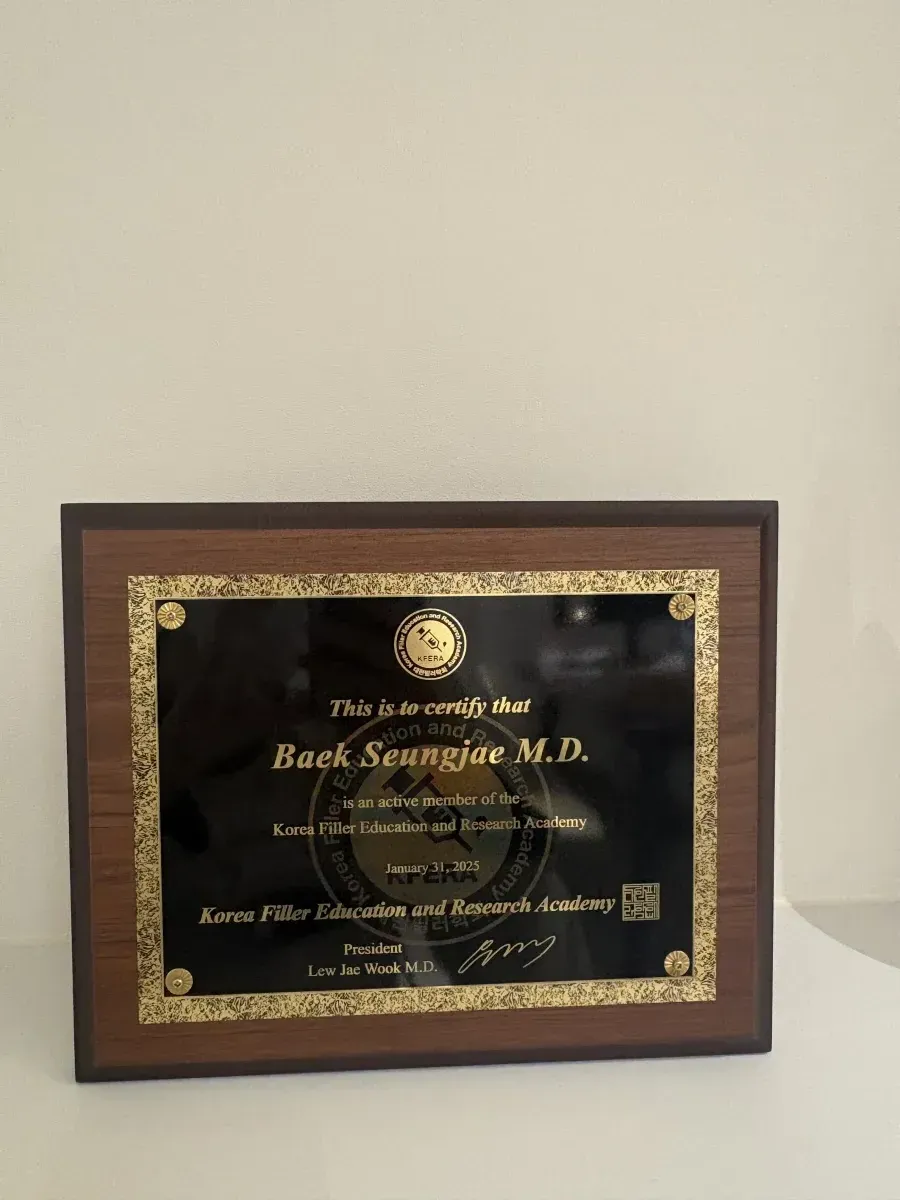
- Member, Korean Filler Education and Research Academy
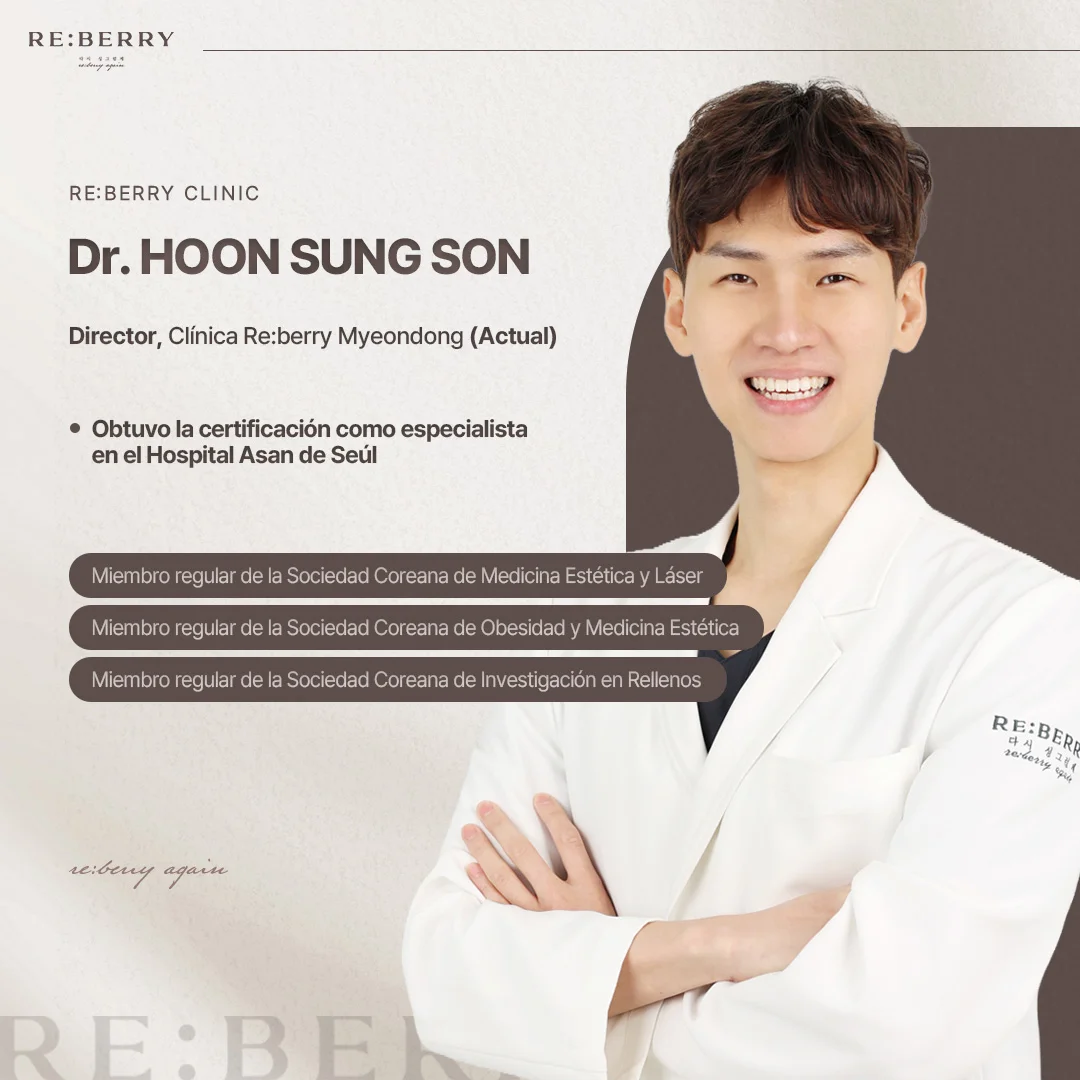
Dr. Son Hoon-Sung
- Doctor, RE:BERRY Clinic Myeongdong
- Member, Korean Academy of Aesthetic Medicine
- Member, Korean Society for Laser Medicine and Surgery
- Specialist in melasma management and laser toning protocols
Medically reviewed by Dr. Baek Seung-Jae, Head Director, Myeongdong Branch, RE:BERRY
The Science Behind Korean Melasma Treatment
Peer-reviewed research supporting the multi-modal melasma protocol used at RE:BERRY Myeongdong.
Understanding Melasma Pathophysiology: Why Single Treatments Fail
Melasma is a complex acquired pigmentary disorder characterized by symmetric, hyperpigmented macules on sun-exposed facial areas. Unlike simple lentigines, melasma involves multiple pathological mechanisms: upregulated melanogenesis driven by UV-induced keratinocyte signaling, increased dermal vascularization, chronic subclinical inflammation, compromised epidermal barrier function with elevated transepidermal water loss (TEWL), and basement membrane disruption. This multifactorial pathology explains why single-modality treatments consistently fail — they address only one pathway while leaving others active. Korean aesthetic medicine was among the first to develop protocols that simultaneously target melanin deposits, melanocyte activity, and barrier integrity.
Low-Fluence Laser Toning: The Korean Innovation
The concept of low-fluence Q-switched Nd:YAG toning for melasma was first described by Korean physicians in the mid-2000s and has since become the most widely practiced melasma laser technique in East Asia. The principle is selective subcellular photothermolysis — delivering just enough energy to damage melanosomes within melanocytes without killing the melanocytes themselves. Traditional high-fluence treatments kill melanocytes, triggering wound-healing inflammation that stimulates surviving melanocytes to increase production (rebound). Low-fluence toning at 1-2 J/cm2 gradually depletes melanosome content while preserving melanocyte viability. The evolution to picosecond pulses further improved this approach by shifting from photothermal to photomechanical mechanisms, reducing residual heat while maintaining fragmentation efficacy.
Barrier Repair and Melanocyte Modulation
Recent research has highlighted the critical role of epidermal barrier dysfunction in melasma pathogenesis and recurrence. Lee et al. demonstrated that melasma-affected skin shows significantly higher TEWL and lower ceramide content compared to adjacent normal skin, and that barrier repair interventions significantly reduced melanogenesis markers in treated skin. RF microneedling (such as Potenza) creates controlled micro-wounds that stimulate new collagen and ceramide production while promoting even melanin distribution. When combined with polynucleotide-based skin boosters like Rejuran or PLLA-based Juvelook, the remodeling response simultaneously strengthens the barrier and delivers anti-inflammatory growth factors that directly modulate melanocyte behavior.
Published Clinical Evidence for Combination Protocols
Lee et al. conducted a split-face randomized controlled trial comparing combination therapy (low-fluence 1064nm toning + tranexamic acid microinjection) versus toning alone for melasma in 30 Korean women. The combination group showed significantly greater MASI score reduction at 12 weeks (62.3% vs. 38.7%, p<0.01), demonstrating the additive benefit of combining laser with biological modulators. Cho et al. evaluated fractional RF microneedling added to low-fluence toning for refractory melasma, reporting additional 25-30% MASI improvement with durability at 6-month follow-up. Kim et al. studied picosecond 755nm laser for melasma in 68 Asian patients, demonstrating 73.5% improvement rate with only 1.5% transient PIH — confirming picosecond safety superiority for this indication.
References: Lee MC et al. Dermatol Surg. 2019;45(6):800-807. doi:10.1097/DSS.0000000000001757 | Cho SB et al. Med Lasers. 2018;7(1):25-31. doi:10.25289/ML.2018.7.1.25 | Kim HK et al. Lasers Med Sci. 2021;36(1):183-189. doi:10.1007/s10103-020-03015-y
What Our Patients Say About Melasma Treatment at RE:BERRY
“I spent 3 years trying hydroquinone, glycolic peels, and two different aesthetic physicians back in the US before my melasma brought me to Seoul. RE:BERRY’s protocol was completely different — gentle toning over 8 sessions with barrier repair in between. 6 months later, my melasma is 80% improved and stable. Worth the trip to Korea ten times over.”
“My melasma worsened dramatically during pregnancy. After delivery, I planned a 2-week trip to Seoul for treatment. RE:BERRY squeezed in 4 toning sessions during my stay, then I returned for 4 more sessions 3 months later. The improvement has been life-changing — I can go out without heavy concealer for the first time in 2 years.”
“What impressed me most was how Dr. Baek explained that melasma requires patience and a specific approach. Other clinics in my country just blasted high-energy laser which made my melasma worse. The RE:BERRY approach is methodical and evidence-based. Real improvement at reasonable Korean prices.”
Frequently Asked Questions About Melasma Treatment in Korea
Expert answers about melasma management, treatment protocols, and what to expect at RE:BERRY Myeongdong.
RE:BERRY Myeongdong’s Dual Toning Package (PicoSure + Genesis) is ₩259,000 per session. A typical melasma protocol of 6-10 sessions costs ₩1,554,000-₩2,590,000 total. First visit PicoSure toning is ₩159,000. Barrier repair sessions (Potenza + Exosome) are ₩690,000. All prices exclude VAT.
Korean clinics pioneered the low-fluence laser toning protocol for melasma over 15 years ago. Korean aesthetic medicine combines this with RF barrier repair and growth factor therapy — a multi-modal approach that most Western clinics do not offer. Korean pricing is also 50-70% lower than comparable treatments in the US, Japan, or Singapore.
Melasma is a chronic condition, not a one-time fixable problem. Laser treatment can achieve 60-80% improvement, but long-term maintenance is required because hormonal fluctuations and UV exposure can reactivate melanocytes. RE:BERRY’s protocol includes a maintenance plan specifically designed to sustain results over years.
Most melasma patients need 6-10 sessions of dual toning at 1-2 week intervals during the active phase (3-5 months). Epidermal melasma may improve faster (4-6 sessions). Dermal melasma typically requires the full 8-10 sessions. Maintenance sessions continue quarterly afterward.
The critical distinction is energy level. High-fluence lasers can trigger melanocyte reactivation and worsen melasma. RE:BERRY uses low-fluence PicoSure (photomechanical, not photothermal) at sub-threshold energy — specifically designed to clear melanin without triggering the inflammatory rebound that worsens the condition.
Regular dark spots (sunspots, age spots) are localized melanin deposits that clear permanently with laser treatment. Melasma involves chronic melanocyte hyperactivity across large, symmetrical facial areas, driven by hormones, UV, and inflammation. It requires ongoing management — not just melanin removal.
Yes. Pregnancy is a common melasma trigger due to elevated estrogen and progesterone levels that stimulate melanogenesis. Post-pregnancy melasma can be treated once breastfeeding is complete. RE:BERRY’s protocol is safe for post-partum patients. Treatment typically begins 2-3 months after delivery or weaning.
The Korean protocol uses sub-threshold energy (1-2 J/cm2) with large spot sizes to gradually deplete melanosome content without killing melanocytes. This avoids the inflammatory wound-healing response that triggers rebound. Sessions are repeated weekly or biweekly. At RE:BERRY, this is enhanced with dual wavelengths (755nm + 1064nm) for multi-depth coverage.
Most patients notice initial improvement after 4-6 sessions (weeks 5-8). Significant visible lightening occurs by sessions 7-10 (months 3-4). Full protocol completion at 3-5 months typically achieves 60-80% MASI score improvement. Patience is essential — rushing the protocol risks rebound.
Yes. Each toning session has zero downtime. Mild redness resolves within 2-4 hours. You can fly the same day. For multi-session protocols, many patients visit Seoul for 7-14 days, receiving 2-3 sessions, then return months later for additional sessions.
Partial treatment results may fade over 3-6 months without maintenance, especially with continued sun exposure or hormonal changes. The improvement achieved during active sessions is not lost immediately, but melasma is chronic — sustained results require completing the recommended sessions and following the maintenance protocol.
Yes. After the active phase (6-10 sessions), RE:BERRY recommends quarterly maintenance toning at reduced parameters (₩259,000/session). For international patients, we provide a detailed home care protocol including SPF and topical recommendations, and can coordinate maintenance sessions around your future Seoul visits.
Epidermal melasma responds fastest (4-6 sessions). Mixed melasma (most common) responds well to the full dual-toning protocol (6-8 sessions). Pure dermal melasma is the most resistant and may require 10+ sessions plus barrier repair. Wood’s lamp examination at your consultation determines your melasma type.
Research shows oral tranexamic acid (250mg twice daily) can enhance laser toning outcomes for melasma by inhibiting UV-induced melanogenesis through plasminogen-pathway modulation. Discuss this option with Dr. Baek during your consultation — it may be recommended as part of your comprehensive protocol.
Yes. RE:BERRY’s PicoSure low-fluence protocol is specifically calibrated for Asian skin types (Fitzpatrick III-V) which are most susceptible to melasma. The photomechanical pulse mechanism and sub-threshold energy settings ensure safety across all skin colors, including very dark complexions.
Sun exposure is the single biggest factor in melasma recurrence. UV radiation activates melanocytes and can reverse treatment gains within weeks. RE:BERRY mandates SPF 50+ PA++++ daily use (reapplied every 2 hours outdoors) throughout treatment and maintenance. Physical sunscreens (zinc/titanium) are preferred over chemical sunscreens for melasma patients.
During active treatment: gentle cleanser, barrier-repair moisturizer (ceramide-based), SPF 50+ daily. Avoid retinoids, AHAs, BHAs, and vitamin C serums for 5-7 days after each session. Between sessions: niacinamide serum (melanin transfer inhibitor) and arbutin or tranexamic acid serum are typically recommended.
Yes. Oral contraceptives containing estrogen can stimulate melanogenesis and counteract laser treatment effects. If possible, discuss with your gynecologist about switching to progesterone-only or non-hormonal contraception during your melasma treatment course. Inform Dr. Baek about all hormonal medications.
RE:BERRY Myeongdong offers a comprehensive three-pronged protocol: laser toning (PicoSure + Genesis dual wavelength), barrier repair (Potenza RF + growth factors), and melanocyte calming (Juvelook/exosome). Many clinics offer only the laser toning component. Additionally, 8-language support and 365-day availability make RE:BERRY ideal for international melasma patients.
Yes, with appropriate spacing. Popular combinations include melasma toning + Rejuran Healer (skin hydration), or melasma toning + Ultherapy lifting (anti-aging). Discuss your full treatment goals during consultation so Dr. Baek can design an integrated schedule that optimizes all treatments without interference.
The three main triggers for melasma recurrence are: unprotected UV exposure (most common), hormonal changes (pregnancy, oral contraceptives, HRT), and inflammatory skin events (aggressive chemical peels, sunburn). Maintenance SPF 50+ and quarterly toning sessions are the most effective prevention strategy.
Contact RE:BERRY via WhatsApp (+82-2-2088-7070), LINE (@reberryclinic), or email ([email protected]) in any of 8 supported languages. Our coordinators will schedule your initial consultation and plan treatment sessions around your travel dates. We recommend booking at least 1 week before your arrival in Seoul.
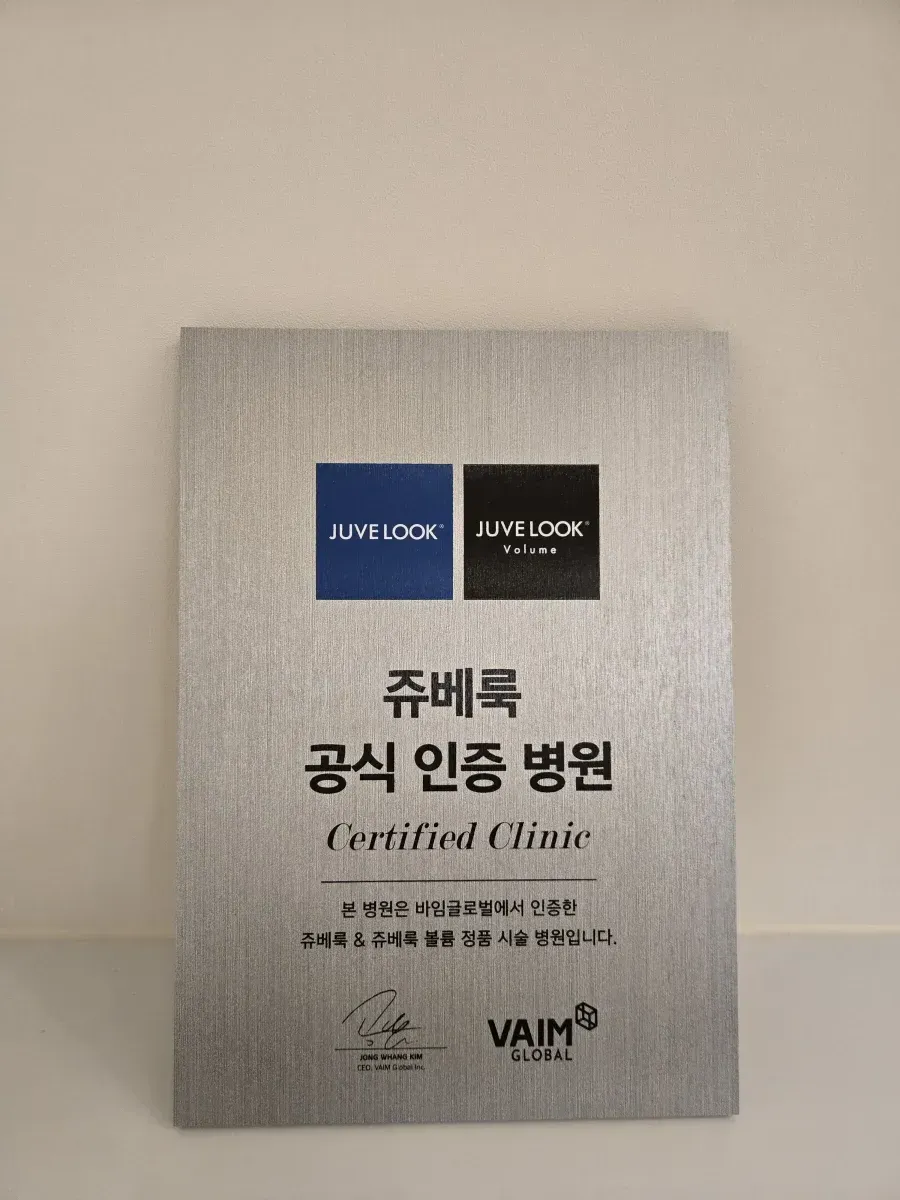
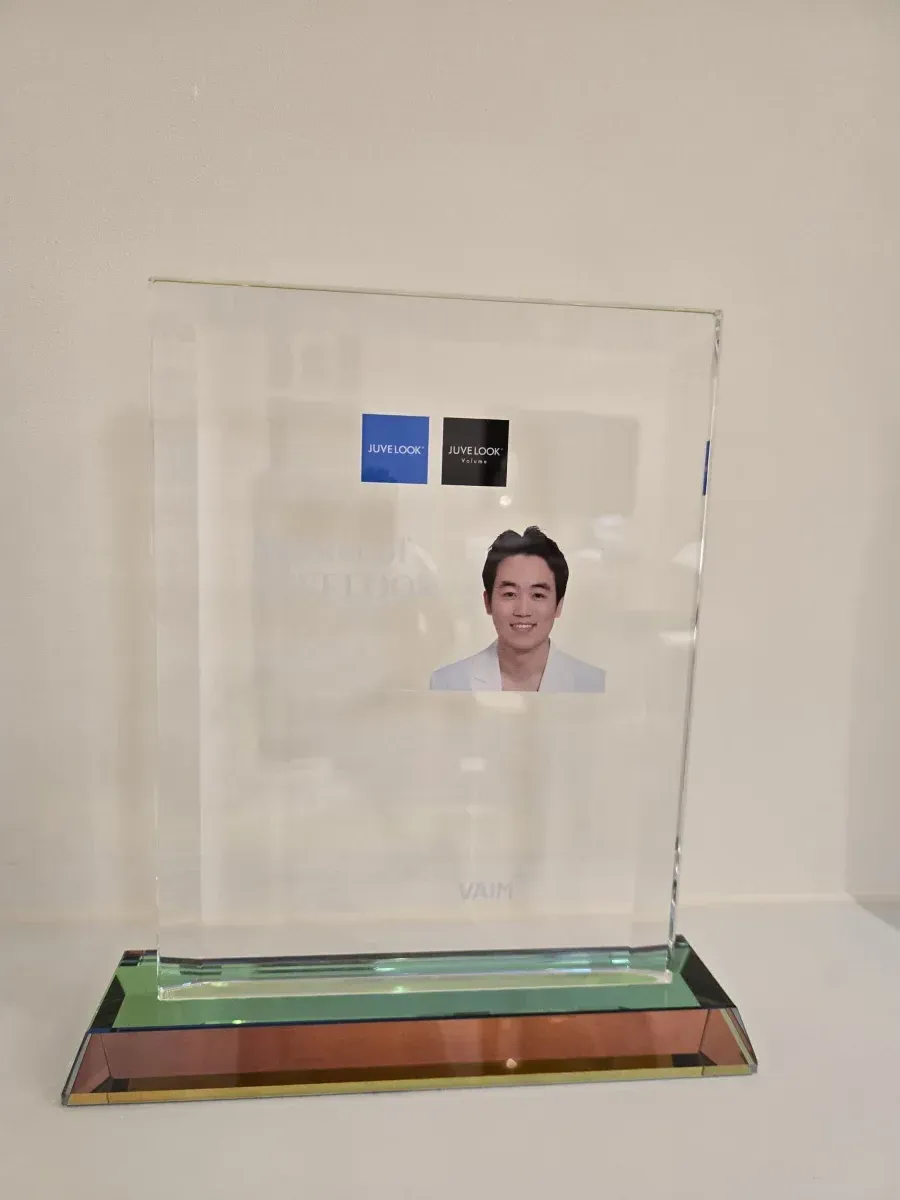
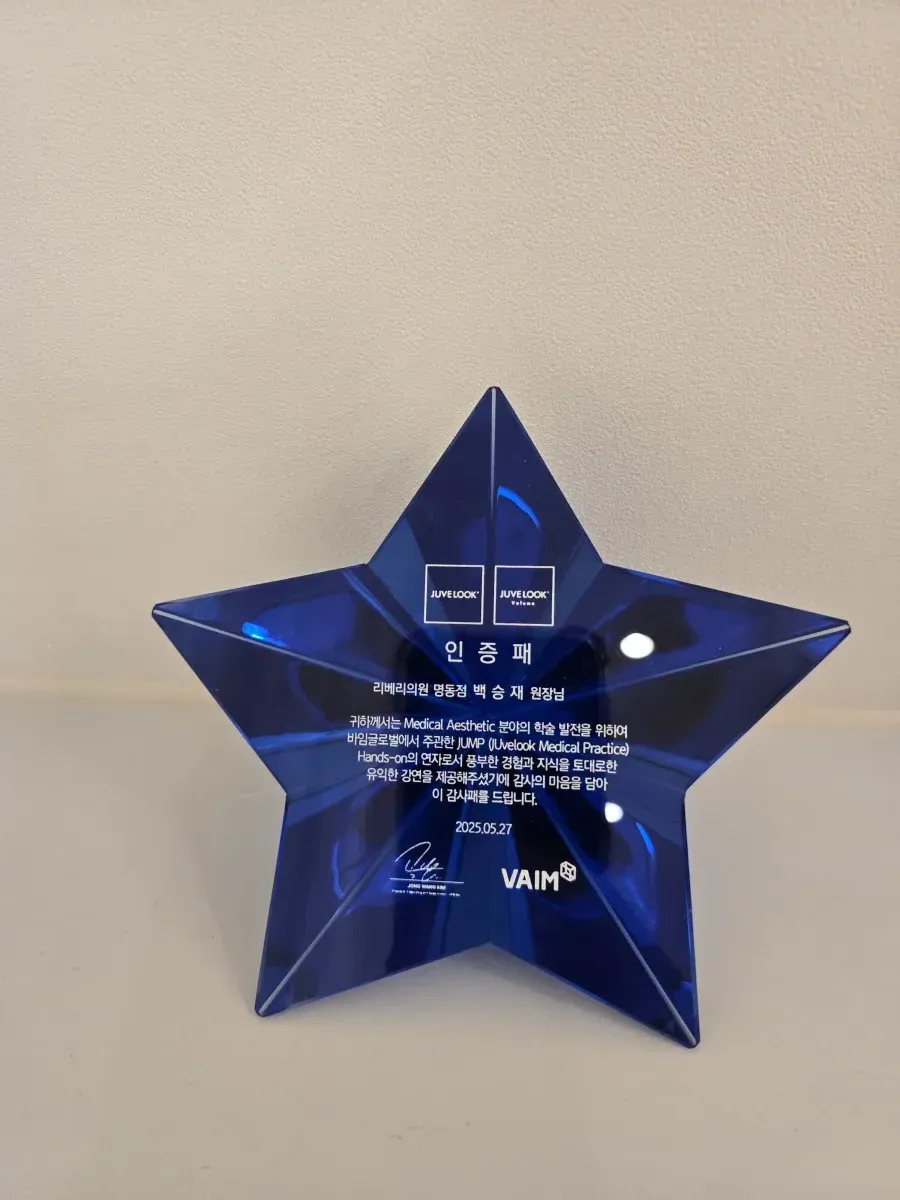
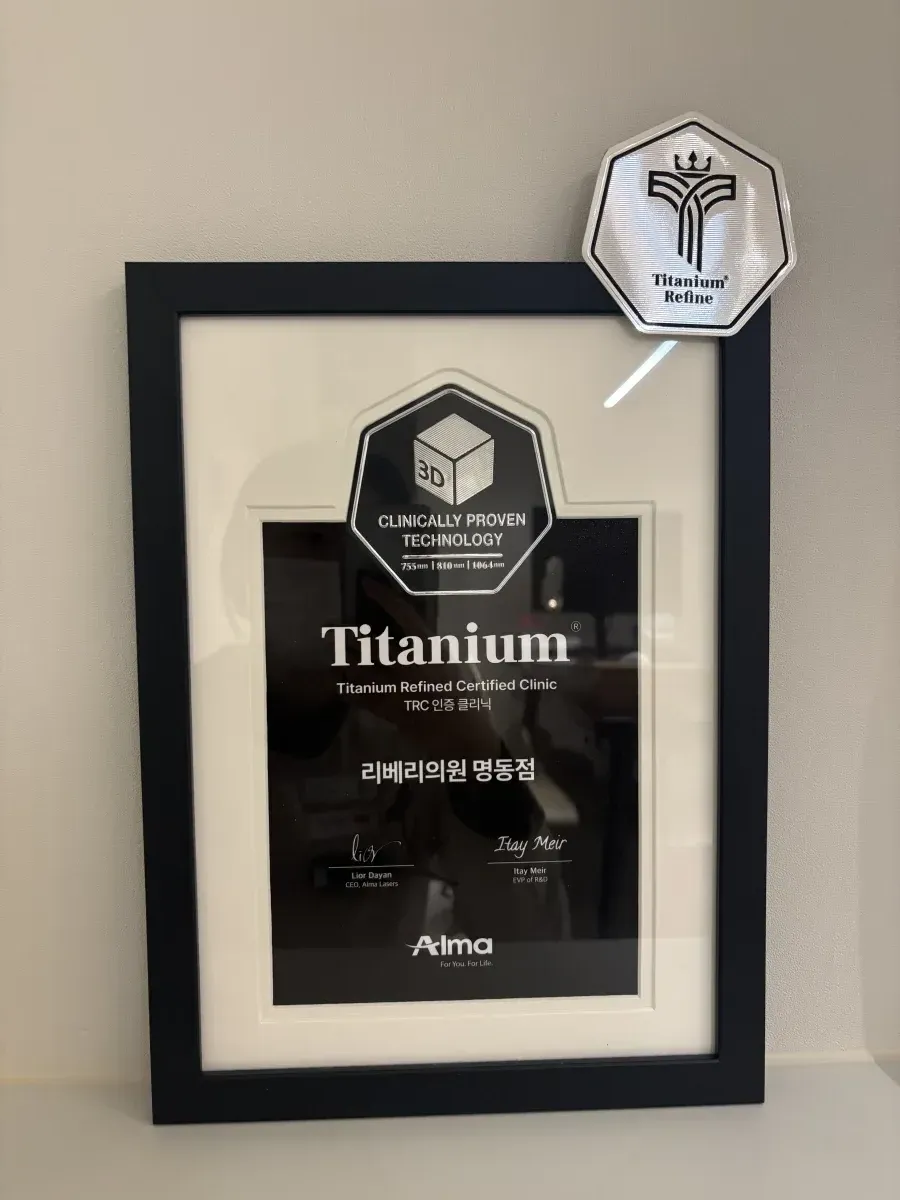
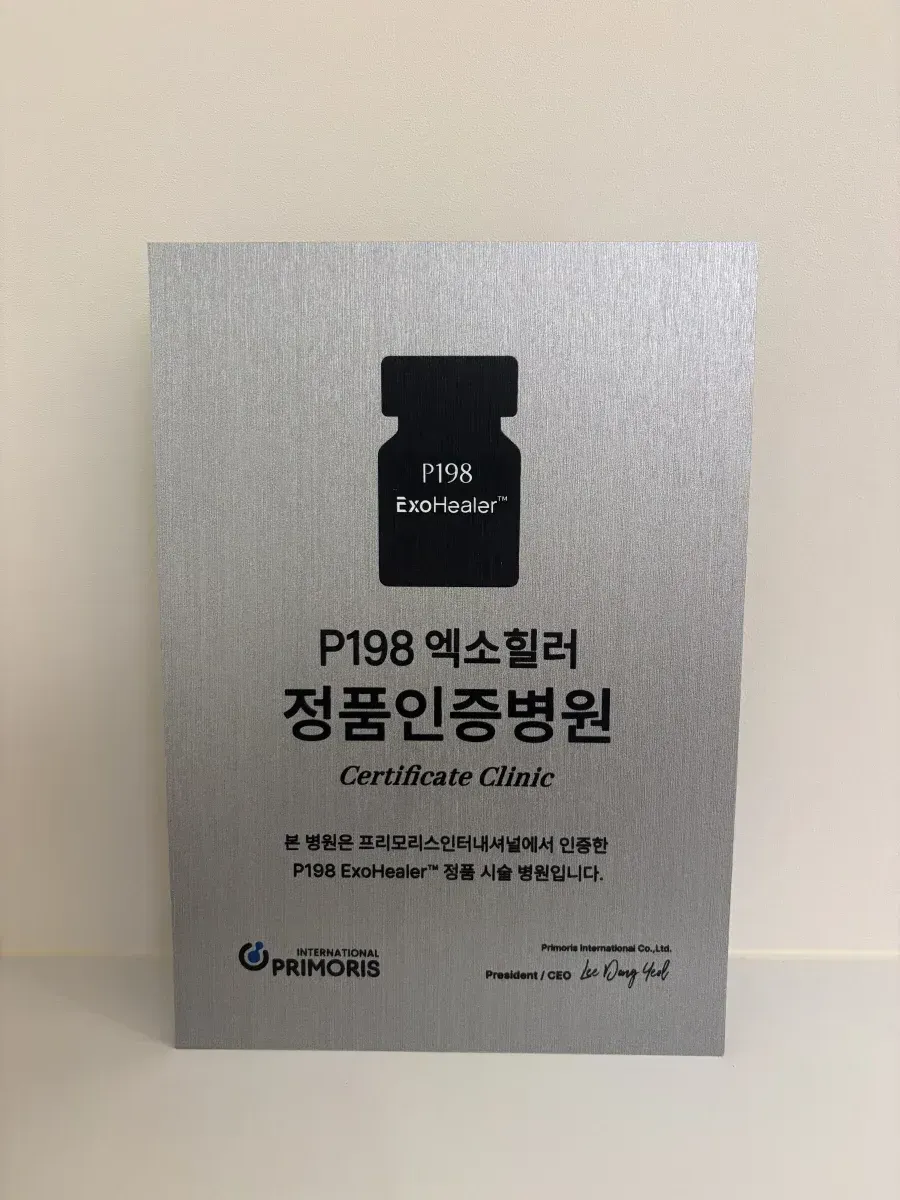
Only Authentic, Brand-Certified Equipment
Every device at RE:BERRY is MFDS-certified and manufacturer-verified. We never use counterfeit or grey-market equipment.
Start Your Melasma Treatment Journey in Korea
Book your melasma consultation with Dr. Baek Seung-Jae at RE:BERRY Myeongdong — Korea’s specialized melasma treatment clinic, 2 minutes from Myeongdong Station.
Book Your Melasma Treatment Consultation
Fill out the form and our multilingual team will confirm within 2 hours via your preferred contact method.
- ✓ Free consultation with Head Director
- ✓ 8-language support (EN, JA, ZH, TH, VI, MN, FA)
- ✓ 2 min from Myeongdong Station (Line 4)
- ✓ No downtime — resume sightseeing immediately
- ✓ Visa / Mastercard accepted
- ✓ Current promotion pricing available