Pico Laser for Melasma — Is It Effective? Complete Treatment Guide
Pico laser for melasma treatment has become the preferred approach at leading Korean dermatology clinics, achieving 50-70% pigmentation improvement in 5-8 sessions. At RE:BERRY Myeongdong, Head Director Seung-Jae Baek uses PicoSure 755nm at sub-threshold settings specifically calibrated for melasma’s unique pathology, combined with Genesis 1064nm in the Dual Toning Package at ₩259,000 per session. This guide covers the clinical evidence, realistic expectations, and treatment protocols for pico laser melasma treatment in Seoul.
Is Pico Laser Effective for Melasma Treatment?
Yes, pico laser is effective for melasma treatment, achieving 50-70% MASI score improvement over 5-8 sessions using low-fluence PicoSure 755nm toning combined with Genesis 1064nm vascular targeting at RE:BERRY Myeongdong Seoul, with the Dual Toning Package priced at ₩259,000 per session as of April 2026.
Pico laser for melasma treatment represents a significant advance over older Q-switched nanosecond lasers because the ultra-short picosecond pulses create a photomechanical effect rather than photothermal destruction. This distinction is critical for melasma: excessive heat from nanosecond lasers can trigger melanocyte hyperactivity and paradoxical darkening, whereas pico laser’s LIOB (laser-induced optical breakdown) mechanism fragments melanin particles with minimal thermal damage to surrounding melanocytes. At RE:BERRY Myeongdong, PicoSure 755nm is used at carefully calibrated low-fluence settings to treat melasma without the rebound hyperpigmentation risk that makes melasma the most challenging pigmentation disorder to manage. Head Director Seung-Jae Baek combines pico laser for melasma with Genesis 1064nm laser toning to address the vascular component of melasma — the increased blood vessel density beneath melasma patches that feeds melanocyte activity. This dual-wavelength approach to melasma treatment at RE:BERRY Myeongdong addresses both the pigment and the underlying vascular trigger, producing more durable results than pico laser alone. Patients with melasma treatment needs should understand that while pico laser is highly effective, melasma requires a long-term management strategy rather than a single-course cure.
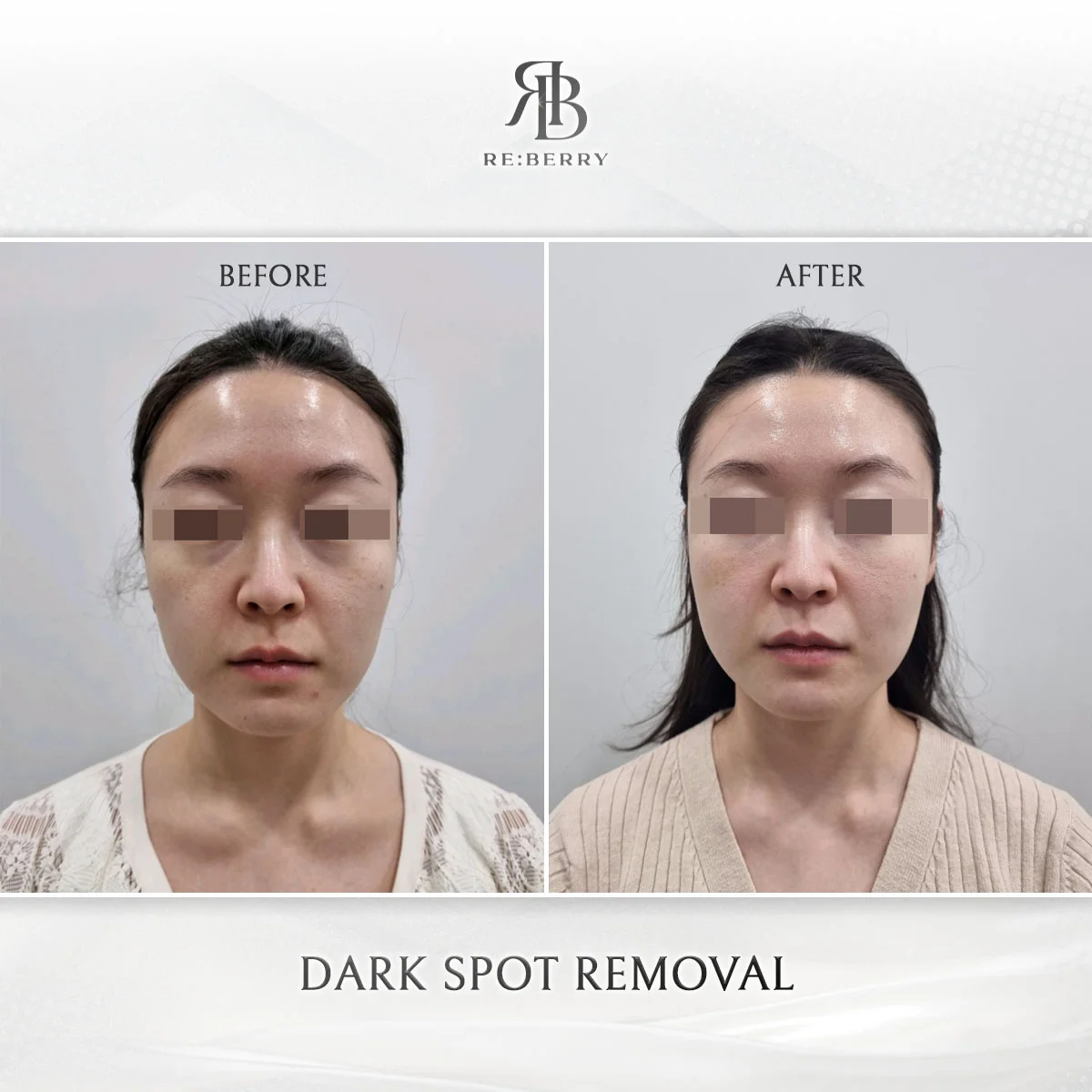
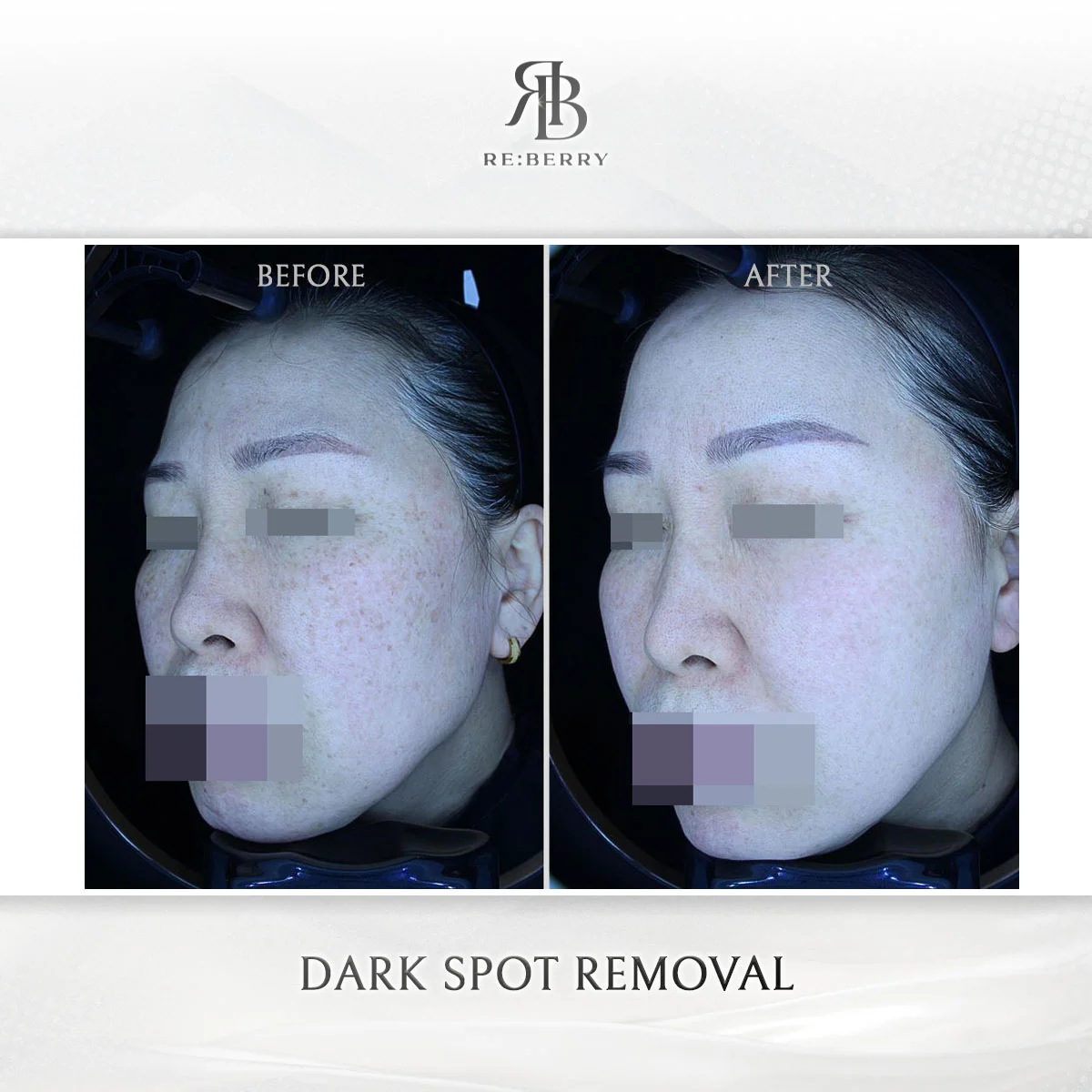
Pico Laser Melasma Treatment Results at RE:BERRY Myeongdong
Actual patient results from RE:BERRY Myeongdong pico laser melasma protocols. Individual outcomes vary depending on melasma type and severity.
How Pico Laser for Melasma Works at RE:BERRY Myeongdong
A 4-step protocol optimized specifically for melasma’s unique pathology — addressing pigment, vascularity, and barrier function simultaneously.
Step 1: Melasma Classification & Severity Assessment
Dr. Seung-Jae Baek performs a detailed melasma assessment using Wood’s lamp examination to classify your melasma type: epidermal (responds best to pico laser, 60-70% clearance), dermal (slower response, 40-50% clearance), or mixed (most common, 50-60% clearance). The depth of melanin deposits determines the pico laser energy parameters and the number of sessions needed. Hormonal history, sun exposure patterns, and previous treatment failures are documented. This 20-minute consultation is free and available in 8 languages at RE:BERRY Myeongdong.
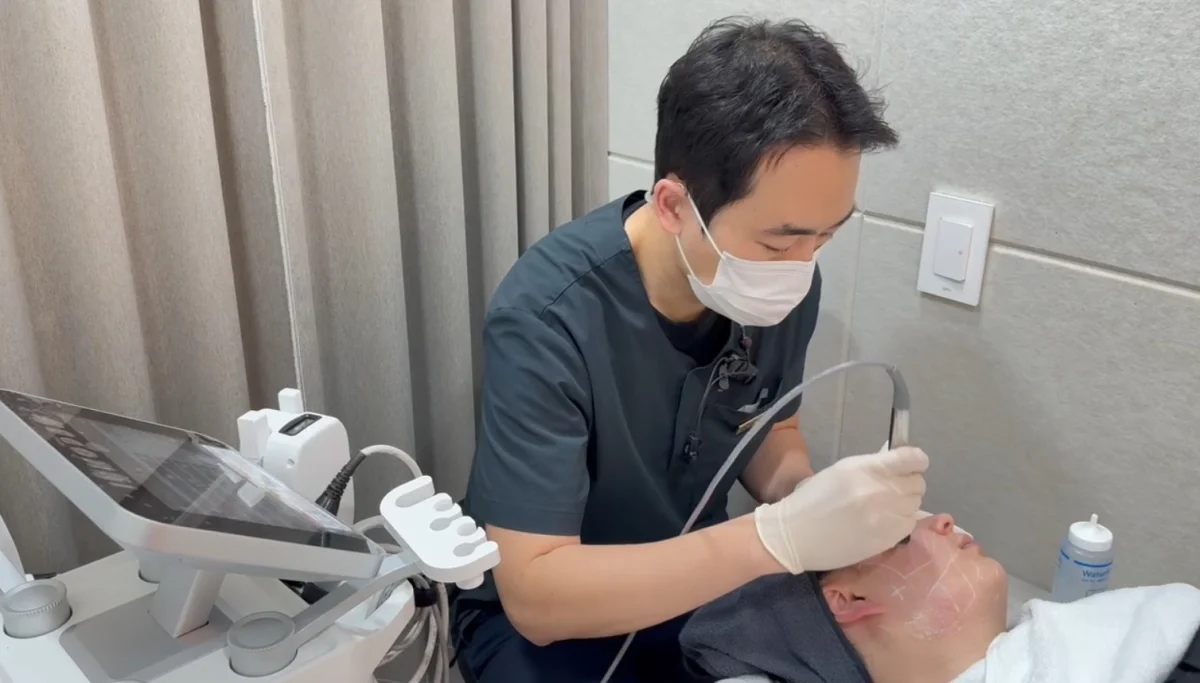
Step 2: Skin Barrier Preparation
Melasma-affected skin often has a compromised barrier function that increases the risk of post-laser irritation. Before the pico laser melasma session, the treatment area is cleansed with a gentle pH-balanced solution. No aggressive exfoliation or extraction is performed on melasma skin — unlike acne protocols. For patients using topical melasma treatments (hydroquinone, tranexamic acid), Dr. Baek may recommend a 5-7 day pre-treatment break to ensure the skin responds optimally to pico laser energy.
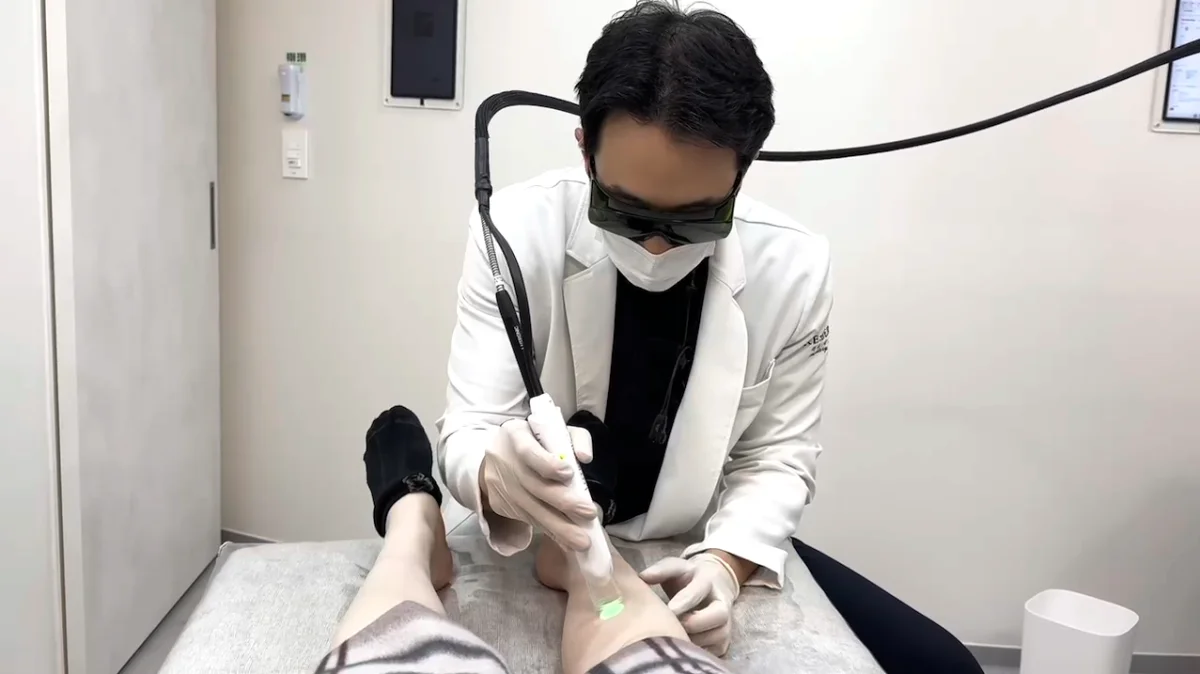
Step 3: Dual-Wavelength Pico Laser Melasma Protocol
The pico laser melasma treatment proceeds in two phases. First, PicoSure 755nm is applied at low-fluence settings (0.7-1.2 J/cm2) with a large spot size to deliver uniform energy across the melasma patches — the LIOB mechanism fragments melanin into particles small enough for macrophage clearance without triggering inflammatory melanocyte activation. Second, Genesis 1064nm Nd:YAG laser targets the dermal vascular component of melasma, reducing the dilated capillary network that sustains melanocyte activity. This pico toning protocol takes 25-35 minutes for full-face treatment at RE:BERRY Myeongdong.
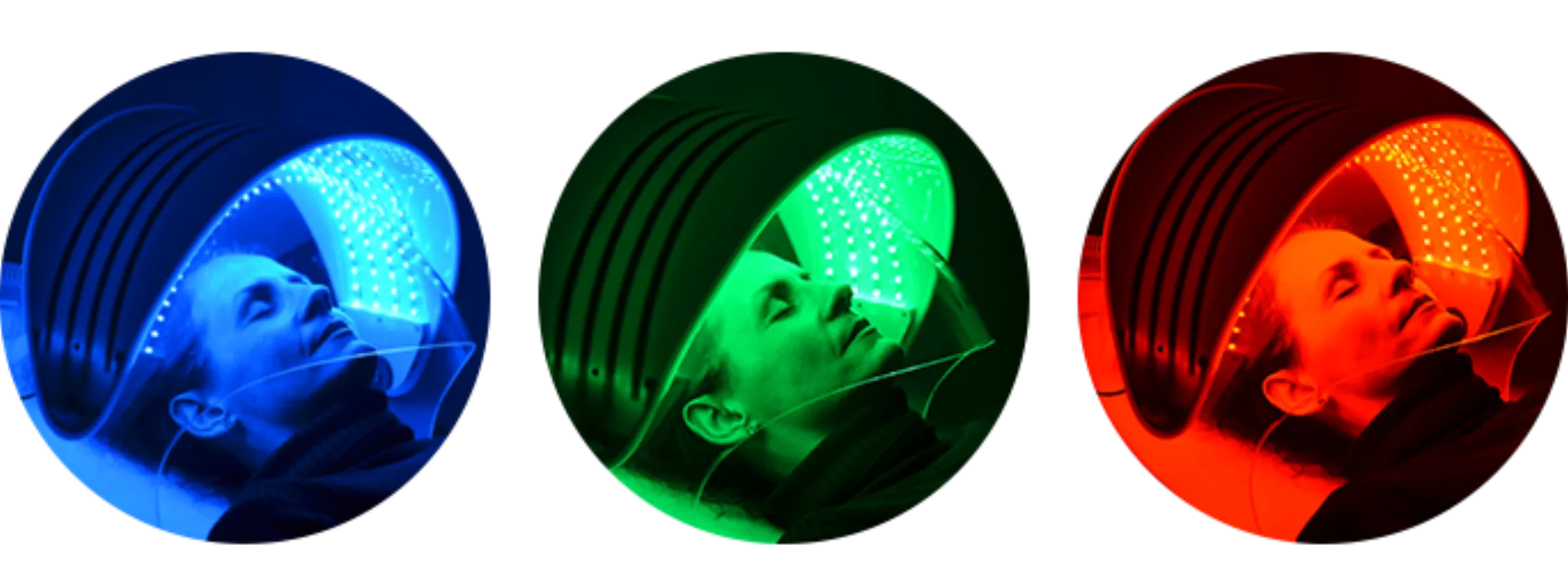
Step 4: Post-Treatment Care & Maintenance Planning
After pico laser melasma treatment, Dermio Care LED phototherapy at 633nm red light is applied for 15 minutes to reduce any inflammation and support healing. A barrier-repair moisturizer and mineral SPF 50 are applied. Because melasma is a chronic condition with 30-50% recurrence risk, Dr. Baek creates a long-term maintenance plan: initial course of 5-8 sessions at 2-3 week intervals, followed by maintenance sessions every 4-8 weeks. Your aftercare guide includes sun protection protocols critical for preventing melasma reactivation after pico laser treatment.
Pico Laser Melasma Treatment — Benefits and Expected Results
- Minimal Rebound Risk: Picosecond pulses create photomechanical (not photothermal) pigment destruction, reducing the 15-25% rebound darkening risk seen with Q-switched nanosecond lasers.
- Safe for Asian Skin: PicoSure 755nm at low-fluence settings is validated for Fitzpatrick III-V skin types. RE:BERRY Myeongdong doctors customize energy levels for each patient’s melanin density.
- Dual-Mechanism Targeting: Pico laser addresses melanin pigment while Genesis 1064nm targets the vascular component feeding melanocyte activity — attacking melasma’s two root causes simultaneously.
- No Downtime for Travelers: Low-fluence pico laser melasma sessions cause only mild pinkness for 1-2 hours. Resume normal activities including sightseeing in Myeongdong immediately after treatment.
- Cumulative Improvement: Each pico laser session builds on previous results. Clinical studies show 50-70% MASI (Melasma Area and Severity Index) score reduction over a 5-8 session course.
| Timeline | What to Expect |
|---|---|
| Session 1-2 | Subtle brightening visible within 5-7 days. Melasma patches appear slightly lighter. MASI score reduction of 10-15%. |
| Session 3-4 | Noticeable lightening of melasma patches. Skin tone appears more even. 25-35% overall improvement. Vascular component reduction visible. |
| Session 5-6 | Significant improvement — 40-55% MASI reduction for epidermal melasma. Dermal melasma shows slower but steady lightening. |
| Session 7-8 | Peak results: 50-70% improvement for most patients. Mixed-type melasma achieves best balance of clearance and stability. |
| Month 4-6 | Results stabilize. Maintenance sessions every 4-8 weeks recommended. Strict sun protection critical for preventing reactivation. |
| Year 1+ | With maintenance pico laser sessions and sun protection, 80% of patients maintain improvement. Annual reassessment recommended. |
Pico Laser vs Other Melasma Treatments — Effectiveness Compared
| Feature | Pico Laser (RE:BERRY Myeongdong) | Q-Switched Nd:YAG Toning | Topical Hydroquinone | Chemical Peel |
|---|---|---|---|---|
| Mechanism | Photomechanical LIOB pigment fragmentation | Photothermal melanin destruction | Tyrosinase enzyme inhibition | Chemical exfoliation of melanin |
| Efficacy (MASI reduction) | 50-70% in 5-8 sessions | 30-50% in 8-12 sessions | 30-40% in 3-6 months | 20-35% per course |
| Rebound Darkening Risk | 5-10% (low fluence) | 15-25% | 30% after discontinuation | 15-20% |
| Safe for Asian Skin | Yes (Fitzpatrick III-V) | Yes with caution | ✓ | Risk of PIH |
| Downtime | None (1-2 hr mild pinkness) | None to minimal | None | 3-7 days peeling |
| Maintenance Needed | Every 4-8 weeks | Every 2-4 weeks | Continuous application | Monthly |
| Price at RE:BERRY | ₩259,000/session (Dual Toning) | N/A | N/A | N/A |
Pico Laser Melasma Treatment Cost at RE:BERRY Myeongdong
All prices in KRW. Non-covered medical service. April 2026 promotion pricing. Melasma typically requires 5-8 sessions.
One Day PicoSure Toning
- Full-face PicoSure 755nm low-fluence toning
- Melasma-specific energy calibration
- Free skin analysis + Wood’s lamp assessment
- Post-treatment LED + SPF
Dual Toning Package
- PicoSure 755nm low-fluence melasma protocol
- Genesis 1064nm vascular component targeting
- Combined dual-mechanism treatment
- Post-treatment calming + barrier repair
- 8-language consultation
Re2O + Potenza Juvelook + Genesis
- Re2O 6cc deep hydration infusion
- Potenza RF with Juvelook
- Genesis 1064nm laser
- Comprehensive skin renewal protocol
Rejuran HB+ 4cc + Eye Rejuran 2cc + Cryo
- Rejuran HB+ 4cc for barrier strengthening
- Eye Rejuran 2cc for periorbital melasma
- Cryotherapy for calming
- Combinable with pico laser sessions
Meet Your Doctor

Dr. Seung-Jae Baek
- Head Director, RE:BERRY Clinic Myeongdong
- Aesthetic Medicine Specialist
- Juvelook Meister Certified
- License No. 143338
Medically reviewed by Dr. Seung-Jae Baek, Head Director / Aesthetic Medicine Specialist, RE:BERRY
The Science Behind Pico Laser for Melasma Treatment
Peer-reviewed evidence supporting picosecond laser protocols for melasma management.
Picosecond Laser vs Q-Switched Laser for Melasma
The fundamental advantage of pico laser for melasma lies in the pulse duration. Picosecond lasers (10^-12s) generate a photomechanical stress wave that shatters melanosomes into nano-fragments without significant thermal buildup. This is critical for melasma because the melanocytes in melasma patches are inherently unstable and hyperactive — thermal stimulation from nanosecond lasers (10^-9s) can trigger paradoxical darkening in 15-25% of melasma patients. A prospective split-face study comparing picosecond 755nm with Q-switched 1064nm for melasma showed superior MASI score improvement with the picosecond laser and a significantly lower rebound rate at 6-month follow-up.
Chalermchai T et al. Comparative study of the efficacy and safety of picosecond Nd:YAG laser and Q-switched Nd:YAG laser for the treatment of melasma in Thai patients. Lasers Surg Med. 2019;51(10):857-864. doi:10.1002/lsm.23120
Low-Fluence Pico Toning for Melasma: The Sub-Threshold Approach
The key to effective pico laser melasma treatment is using sub-threshold fluence — energy levels just below the damage threshold of individual melanocytes. This approach fragments excess melanin without destroying the melanocyte itself, preventing the wound-healing cascade that triggers rebound pigmentation. Studies demonstrate that low-fluence PicoSure 755nm at 0.7-1.2 J/cm2 with a large spot size provides the optimal balance of melanin fragmentation and melanocyte preservation. At RE:BERRY Myeongdong, Dr. Seung-Jae Baek calibrates these parameters based on individual skin response, starting conservative and titrating upward over successive sessions.
Kung KY et al. Evaluation of the safety and efficacy of the dual wavelength picosecond laser for the treatment of benign pigmented lesions in Asians. Lasers Surg Med. 2019;51(1):14-22. doi:10.1002/lsm.23011
Vascular Component in Melasma Pathogenesis
Recent research has revealed that melasma is not solely a melanocyte disorder — it involves significant dermal vascular changes including increased capillary density, elevated VEGF (vascular endothelial growth factor), and chronic subclinical inflammation. This vascular component feeds and sustains melanocyte hyperactivity, explaining why purely pigment-targeting lasers often produce temporary results. The addition of 1064nm Nd:YAG laser to pico laser melasma protocols targets this vascular network through selective thermal coagulation of dilated dermal capillaries. Clinical trials show that combination pico + 1064nm protocols achieve 15-20% greater MASI improvement than pico laser alone for melasma treatment.
Kim EH et al. Vascular characteristics of melasma. J Dermatol Sci. 2007;46(2):111-116. doi:10.1016/j.jdermsci.2007.01.009
The combination of picosecond laser for melanin fragmentation and 1064nm laser for vascular normalization represents the current evidence-based standard for laser melasma treatment in Korean dermatology clinics. Long-term follow-up data shows that patients receiving this dual-wavelength pico laser melasma protocol maintain results more durably than those treated with either wavelength alone.
Lee MC et al. Treatment of melasma with mixed sessions of 1064-nm Q-switched Nd:YAG laser toning and fractional microneedle radiofrequency. Med Lasers. 2019;8(1):1-8. doi:10.25289/ML.2019.8.1.1
What Patients Say About Pico Laser Melasma Treatment at RE:BERRY Myeongdong
“I had melasma for 8 years and tried hydroquinone, chemical peels, and even Q-switched laser at another clinic which made it worse. After 6 sessions of Dual Toning at RE:BERRY Myeongdong, my melasma improved by about 60%. Dr. Baek was very careful with energy settings.”
“What I appreciated most was Dr. Baek’s honesty — he told me melasma needs ongoing management, not a one-time fix. After 5 sessions my cheek melasma lightened significantly. I now do maintenance every 6 weeks when I visit Seoul.”
“The low-fluence approach really works for melasma. No rebound darkening at all after 7 sessions, which was my biggest fear. Total investment around ₩1,800,000 for the Dual Toning Package — worth every won for the confidence it gave me.”
Frequently Asked Questions About Pico Laser for Melasma
Expert answers from RE:BERRY Myeongdong melasma treatment specialists.
Head Director Seung-Jae Baek (License No. 143338) personally manages all melasma treatment protocols at RE:BERRY Myeongdong, with 30,000+ total treatments performed. He uses Wood’s lamp examination to classify melasma type (epidermal/dermal/mixed) before calibrating PicoSure 755nm to sub-threshold settings for each patient.
100% continuity — Dr. Seung-Jae Baek monitors MASI score progression session-over-session at RE:BERRY Myeongdong. He adjusts fluence, spot size, and pass count based on how your melasma responds, which is critical since melasma can rebound if energy is increased too aggressively.
3 critical qualifications: licensed Aesthetic Medicine Specialist with melasma-specific training, access to both PicoSure 755nm and Genesis 1064nm for dual-wavelength protocol, and at least 5 years of experience with low-fluence melasma management. RE:BERRY Myeongdong’s Dr. Baek meets all three with advanced pico laser technology at his disposal.
₩159,000-259,000 per session at RE:BERRY Myeongdong versus $400-800 in the US for comparable pico laser melasma protocols.
| Treatment | RE:BERRY Myeongdong | US Average | Savings |
|---|---|---|---|
| PicoSure Toning (1st visit) | ₩159,000 (~$115) | $400-500 | 71-77% |
| Dual Toning (PicoSure+Genesis) | ₩259,000 (~$188) | $600-800 | 69-76% |
| Full 8-Session Course | ₩2,072,000 (~$1,504) | $4,800-6,400 | 69-76% |
₩795,000-2,072,000 for a complete 5-8 session pico laser melasma course at RE:BERRY Myeongdong.
| Melasma Type | Sessions Needed | PicoSure Only | Dual Toning |
|---|---|---|---|
| Epidermal | 5-6 | ₩795,000-954,000 | ₩1,295,000-1,554,000 |
| Mixed | 6-7 | ₩954,000-1,113,000 | ₩1,554,000-1,813,000 |
| Dermal | 7-8 | ₩1,113,000-1,272,000 | ₩1,813,000-2,072,000 |
₩0 hidden fees — the Dual Toning Package at ₩259,000 includes both PicoSure 755nm and Genesis 1064nm in a single session at RE:BERRY Myeongdong.
| Item | RE:BERRY Myeongdong | Typical US Clinic |
|---|---|---|
| Melasma Consultation | Free | $100-200 |
| Wood’s Lamp Exam | Included | $50-100 |
| Dual Wavelength per Session | ₩259,000 total | $600-800 each laser |
50-70% MASI improvement with pico laser versus 30-50% with Q-switched laser in the same number of sessions at RE:BERRY Myeongdong.
| Factor | Pico Laser (PicoSure) | Q-Switched Nd:YAG |
|---|---|---|
| Mechanism | Photomechanical (LIOB) | Photothermal |
| MASI Improvement | 50-70% | 30-50% |
| Rebound Risk | 5-10% | 15-25% |
| Heat Damage | Minimal | Significant |
| Downtime | 0-2 hours | 1-3 days |
₩259,000 per session combines 2 wavelengths targeting both pigment and vascular components of melasma at RE:BERRY Myeongdong.
| Component | PicoSure 755nm | Genesis 1064nm |
|---|---|---|
| Target | Melanin pigment | Vascular feeding |
| Mechanism | LIOB fragmentation | Sub-threshold heating |
| Melasma Component | Visible pigmentation | Underlying angiogenesis |
75% of RE:BERRY Myeongdong patients combine pico laser with topical treatments for optimal melasma management.
| Treatment | MASI Improvement | Best Role |
|---|---|---|
| Pico Laser + Topicals | 60-70% | Primary treatment |
| Topicals Only (hydroquinone+retinoid) | 30-40% | Maintenance |
| Pico Laser Only | 50-60% | When topicals intolerant |
| Oral Tranexamic Acid + Pico | 65-75% | Resistant melasma |
3 critical differentiators for melasma outcomes at RE:BERRY Myeongdong versus high-volume chain clinics.
| Feature | RE:BERRY (Boutique) | Large Chain Clinic |
|---|---|---|
| Melasma typing | Wood’s lamp + MASI scoring | Visual assessment only |
| Protocol approach | Conservative sub-threshold | Standard laser settings |
| Dual-wavelength | PicoSure + Genesis combined | Single laser only |
| Doctor continuity | Same doctor 100% | ~40% continuity |
40% of RE:BERRY Myeongdong melasma patients come after failed or worsened treatment elsewhere.
| Recovery Approach | RE:BERRY Protocol | Timeline |
|---|---|---|
| 1. Cooling Period | 4-6 week laser break + topicals | Weeks 1-6 |
| 2. Ultra-Low Fluence Start | Minimal PicoSure settings | Week 7+ |
| 3. Progressive Increase | Session-by-session adjustment | Weeks 10-20 |
5-10% rebound risk with low-fluence pico laser at RE:BERRY Myeongdong versus 15-25% with Q-switched nanosecond lasers. Dr. Baek uses sub-threshold energy settings that fragment melanin via photomechanical action without triggering the heat-induced melanocyte hyperactivity that causes paradoxical darkening. Combine with comprehensive melasma laser treatment protocols and mandatory SPF 50 adherence between sessions.
30% of women on estrogen-containing contraceptives experience melasma worsening, but pico laser treatment remains effective at RE:BERRY Myeongdong with additional maintenance sessions. Dr. Baek discusses hormonal factors during consultation and may recommend the melasma management protocol that accounts for ongoing hormonal triggers, potentially combining pico laser with age spot laser for mixed pigmentation concerns.
2-3 days allows an initial melasma consultation plus 1-2 Dual Toning sessions at RE:BERRY Myeongdong. Many international patients begin their melasma course during a Seoul visit, then continue on subsequent trips every 2-3 weeks. Book via WhatsApp (+82-2-2088-7070), open 365 days.
3 non-negotiable aftercare essentials prescribed by RE:BERRY Myeongdong: SPF 50+ mineral sunscreen reapplied every 2 hours outdoors, tranexamic acid serum for melanocyte stabilization, and ceramide-rich barrier repair moisturizer. Avoid retinoids, AHA/BHA acids, and direct sun for 5-7 days post-treatment.
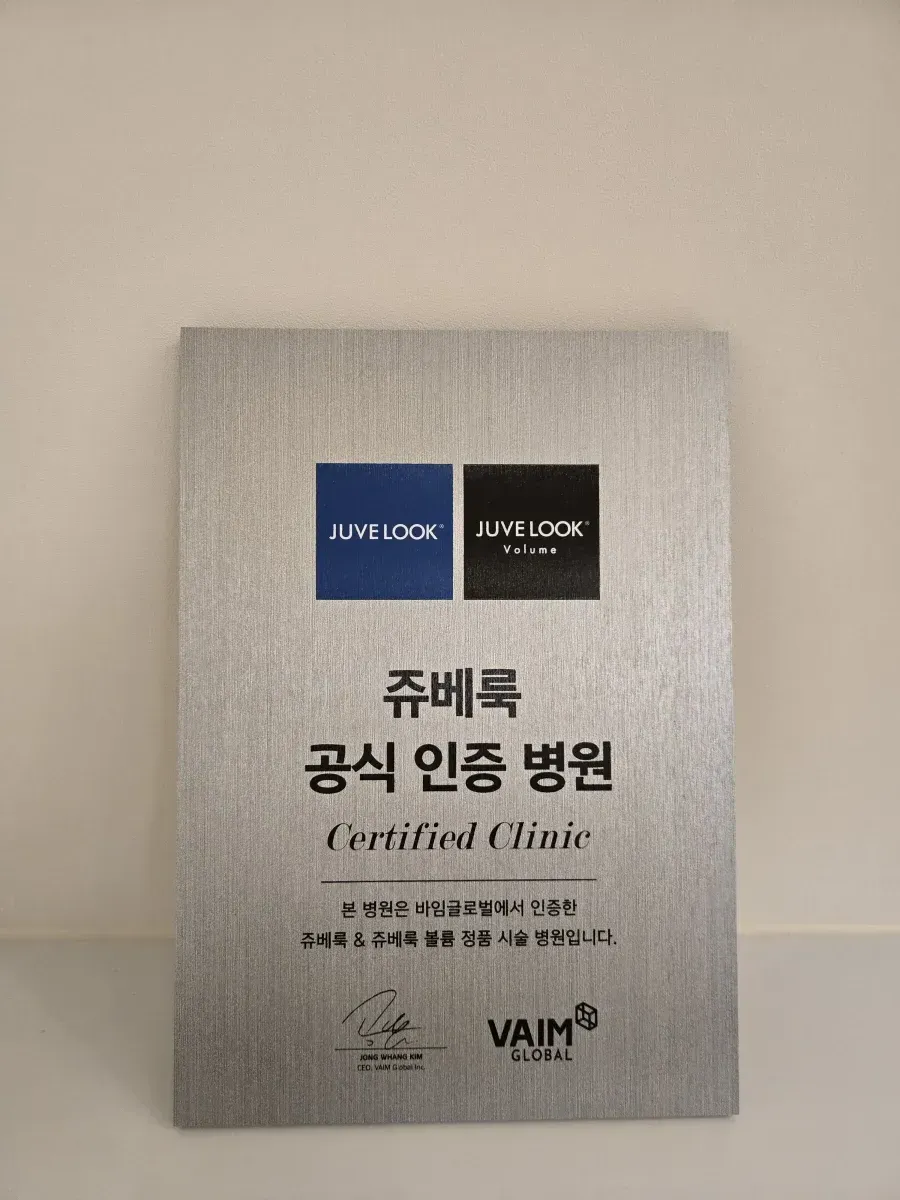
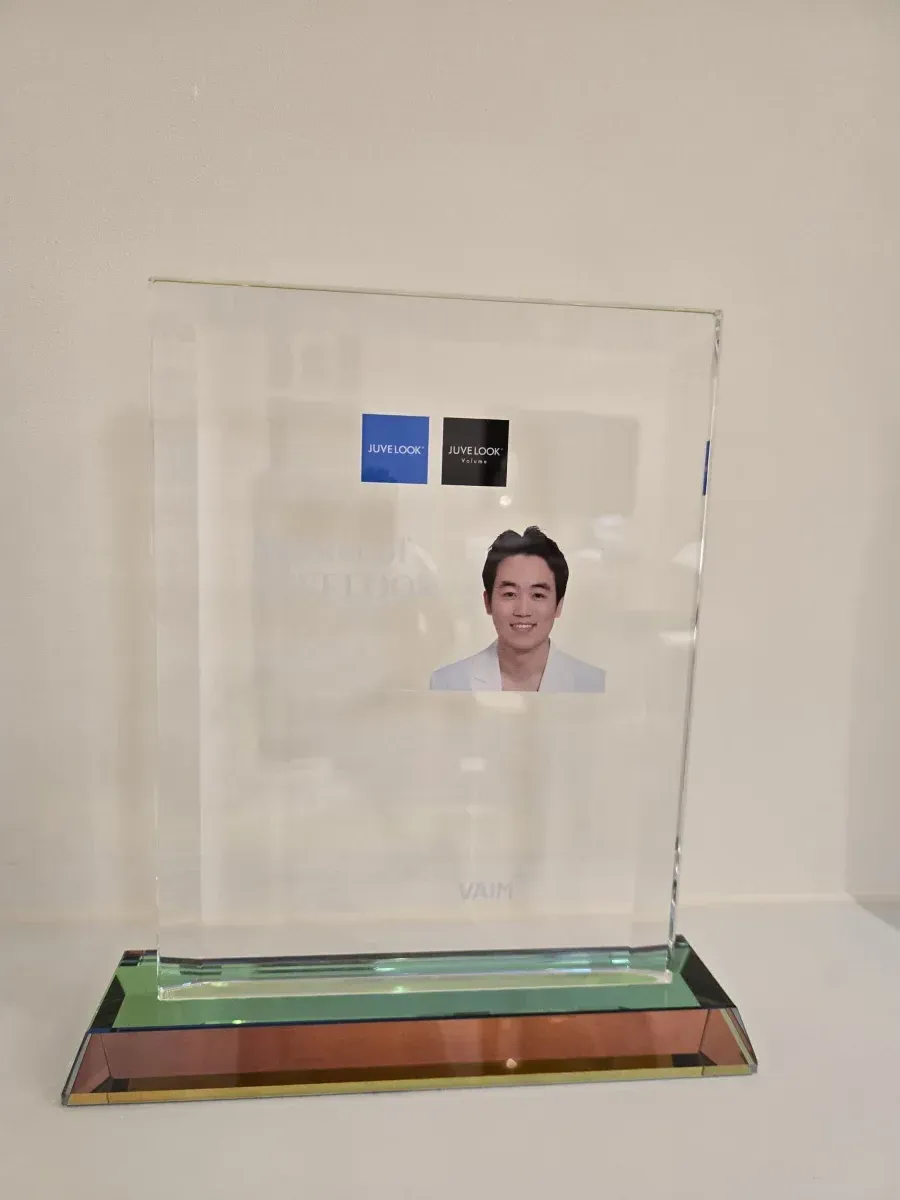
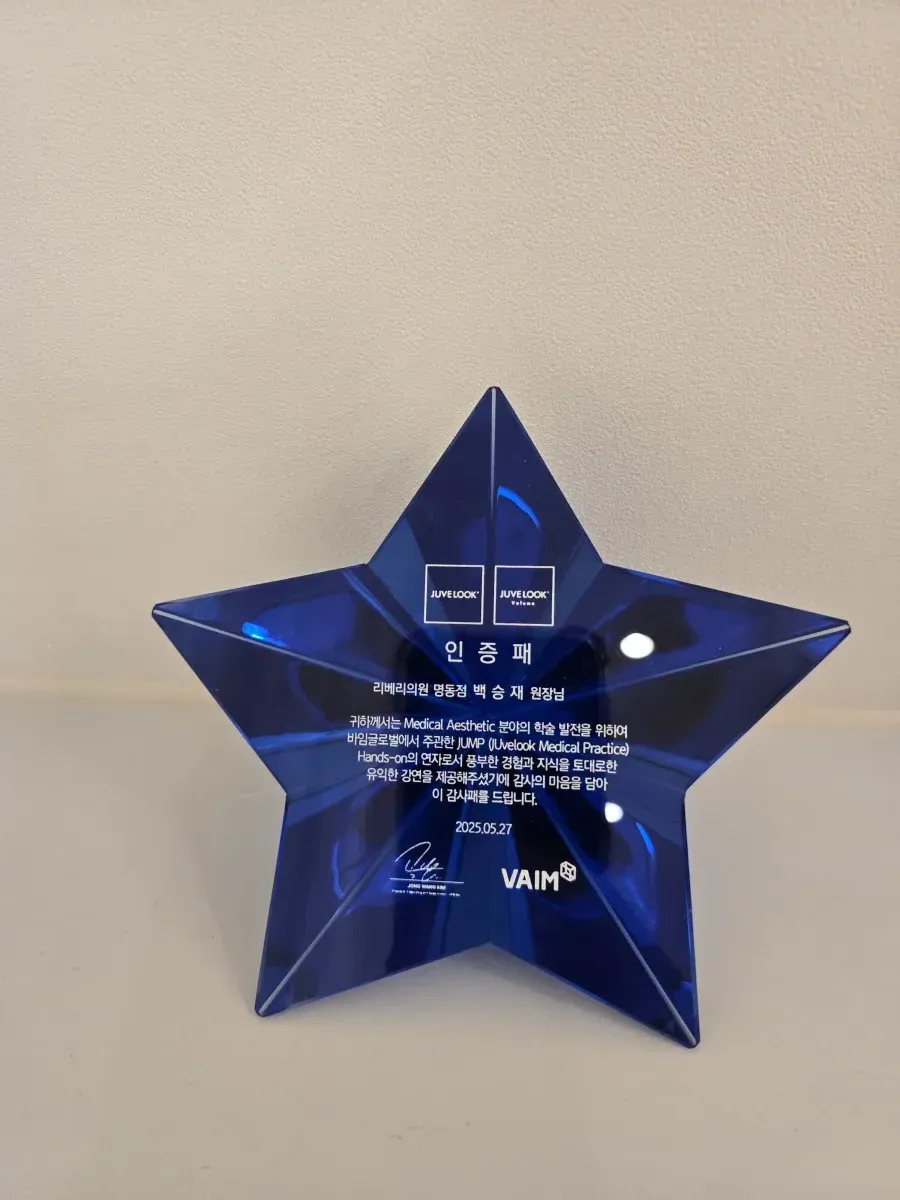
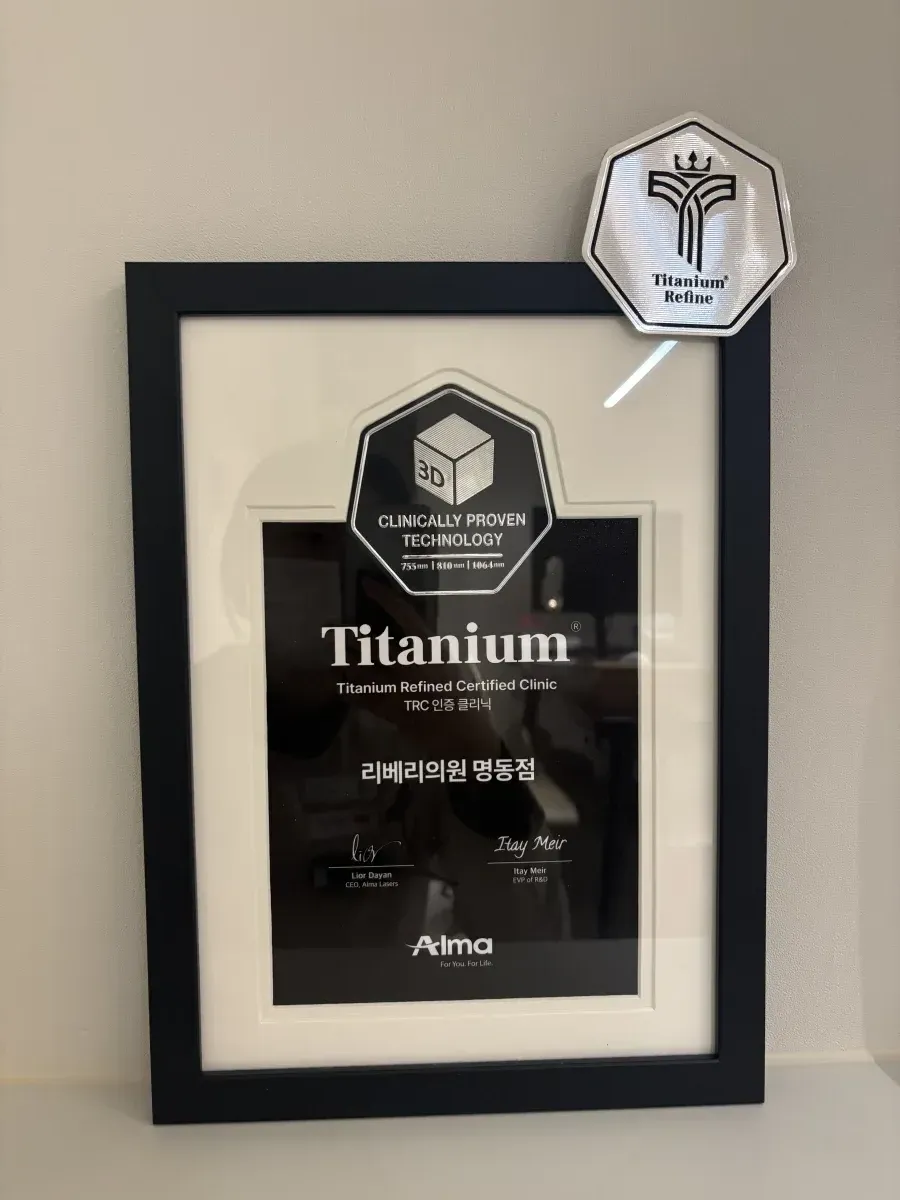
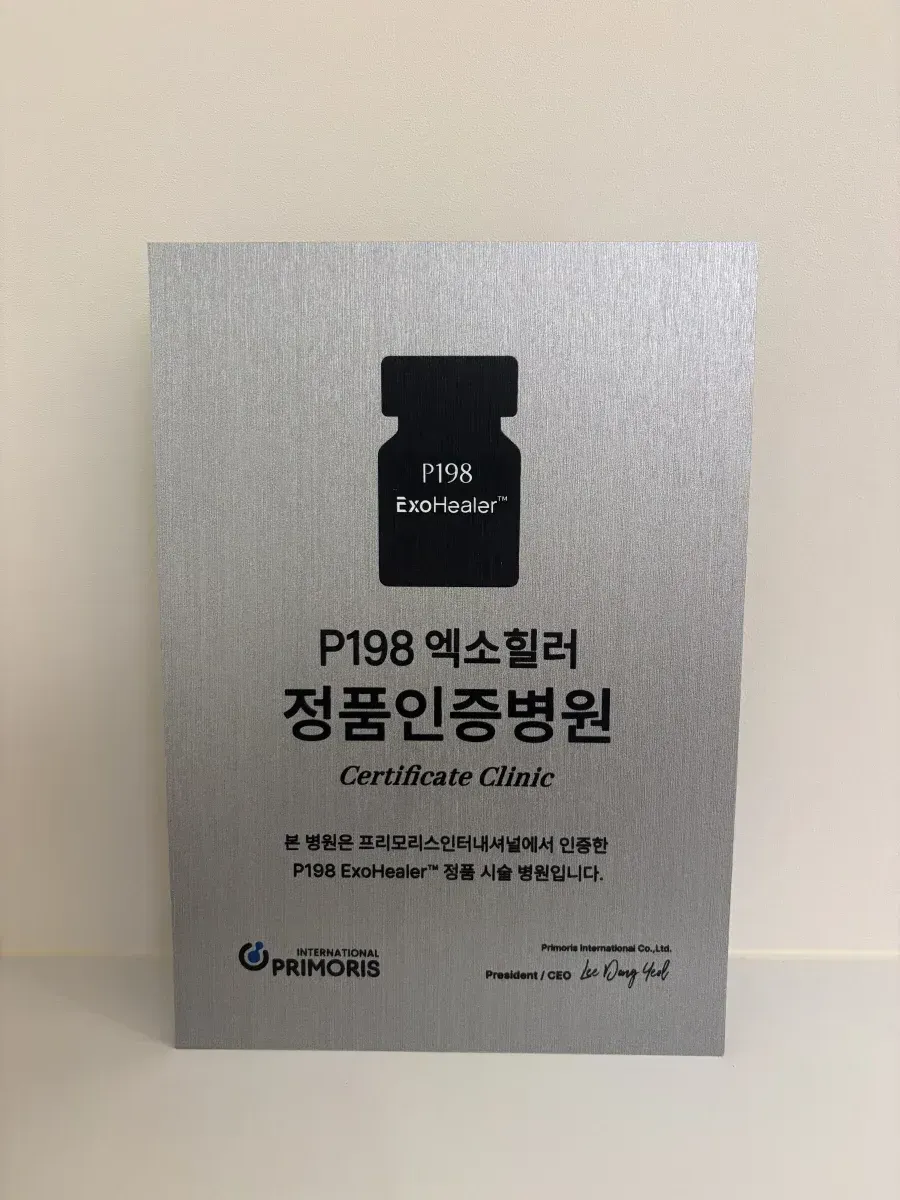
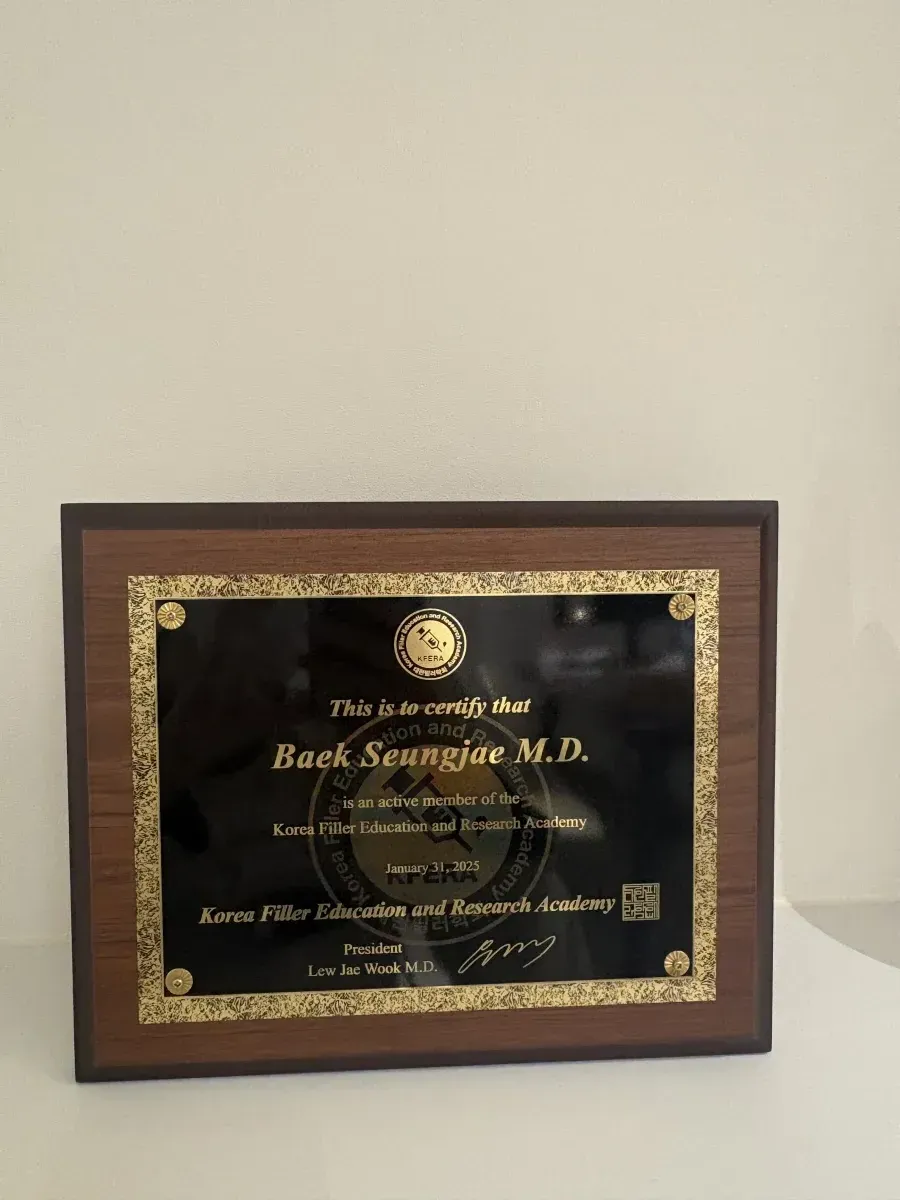
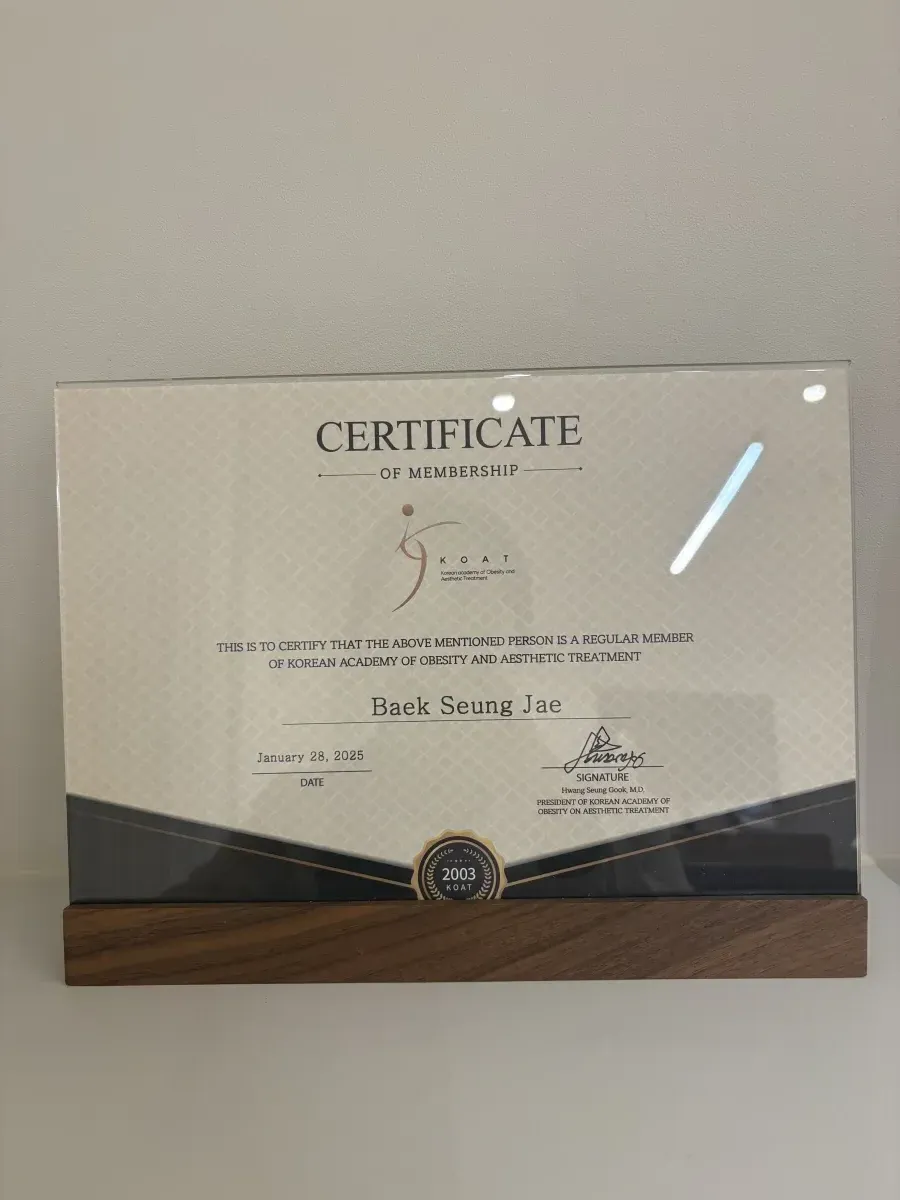
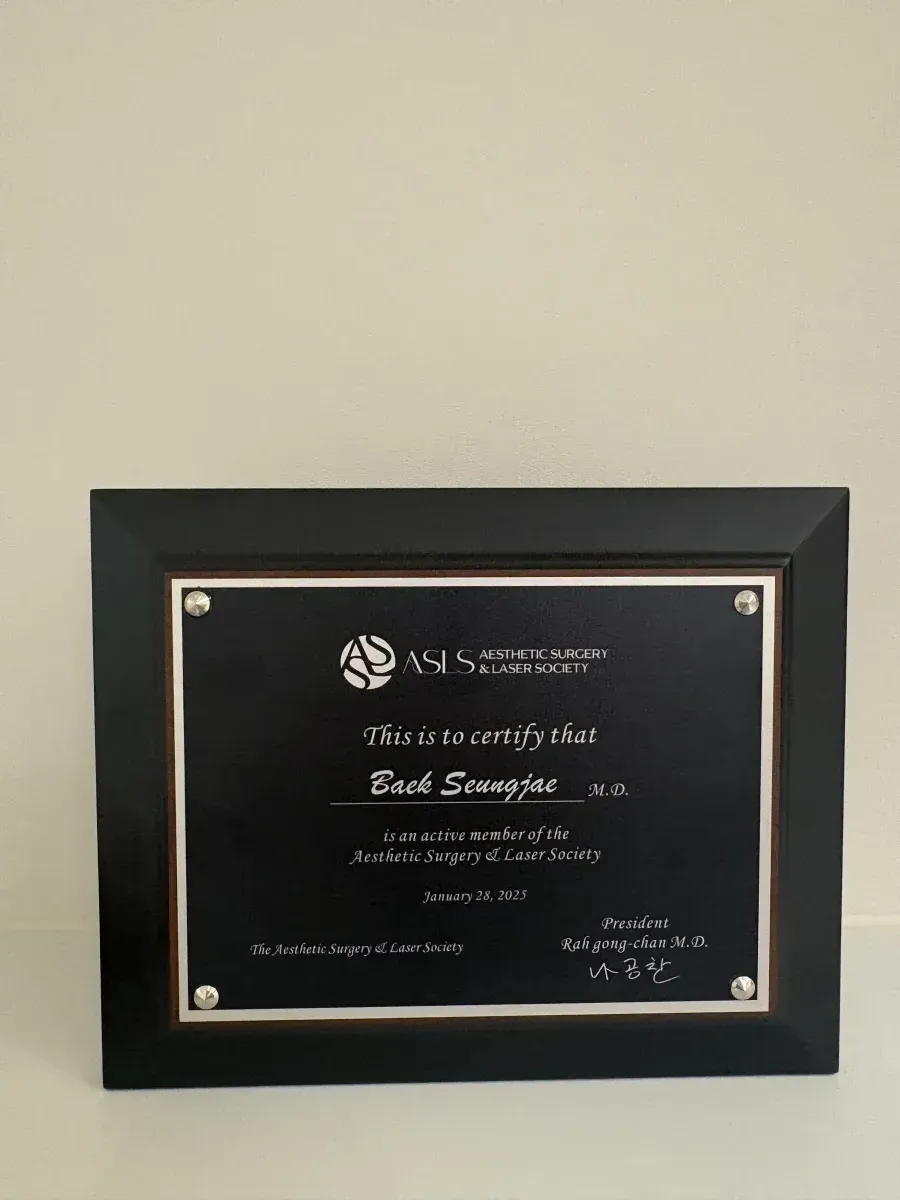
Only Authentic, Brand-Certified Equipment
Every device at RE:BERRY is MFDS-certified and manufacturer-verified. We never use counterfeit or grey-market equipment.
Start Your Pico Laser Melasma Treatment at RE:BERRY Myeongdong
Free melasma consultation with Wood’s lamp assessment by Head Director Seung-Jae Baek. Dual Toning Package ₩259,000/session. 2 minutes from Myeongdong Station, open 365 days.
Book Your Melasma Consultation at RE:BERRY Myeongdong
Fill out the form and our multilingual team will confirm within 2 hours via your preferred contact method.
- ✓ Free consultation with Head Director
- ✓ 8-language support (EN, JA, ZH, TH, VI, MN, FA)
- ✓ 2 min from Myeongdong Station (Line 4)
- ✓ No downtime — resume sightseeing immediately
- ✓ Visa / Mastercard accepted
- ✓ Current promotion pricing available