LaseMD Thulium Laser Treatment in Korea — Resurface Without Downtime
LaseMD by Lutronic delivers 1927nm thulium fractional laser energy to treat melasma, sun damage, uneven skin tone, and fine lines without ablating the skin surface. RE:BERRY Myeongdong enhances LaseMD with the proprietary Cosmeceutical Delivery System (CDS) — using laser-created micro-channels to infuse active ingredients directly into the dermis for amplified brightening and rejuvenation results. Open 365 days, 2 minutes from Myeongdong Station, with 8-language support.
What Is LaseMD Thulium Laser Treatment in Korea?
LaseMD is a non-ablative 1927nm thulium fractional laser by Lutronic that targets water molecules in the superficial dermis to treat pigmentation disorders (melasma, sun spots, age spots), uneven skin tone, fine lines, and overall skin quality. Unlike ablative lasers, LaseMD creates microscopic treatment zones without vaporizing the epidermis — resulting in minimal downtime (24-48 hours mild redness) while still achieving significant brightening and rejuvenation results.
The 1927nm wavelength has a uniquely high absorption coefficient for water — approximately 10 times higher than the 1550nm erbium wavelength used in traditional fractional resurfacing. This means LaseMD can achieve therapeutic effects in the superficial dermis and dermo-epidermal junction (where melanocytes reside) with significantly less total energy, reducing thermal damage to surrounding tissue and minimizing recovery time. At RE:BERRY Myeongdong, Dr. Seung-Jae Baek combines LaseMD with the Cosmeceutical Delivery System (CDS), which uses the laser-created micro-channels to infuse brightening serums, vitamin C, tranexamic acid, or growth factors directly into the treated dermis — amplifying the therapeutic effect beyond what the laser alone achieves. This combination approach is particularly effective for Korean and Asian patients seeking glass skin laser toning results with truly zero social downtime.
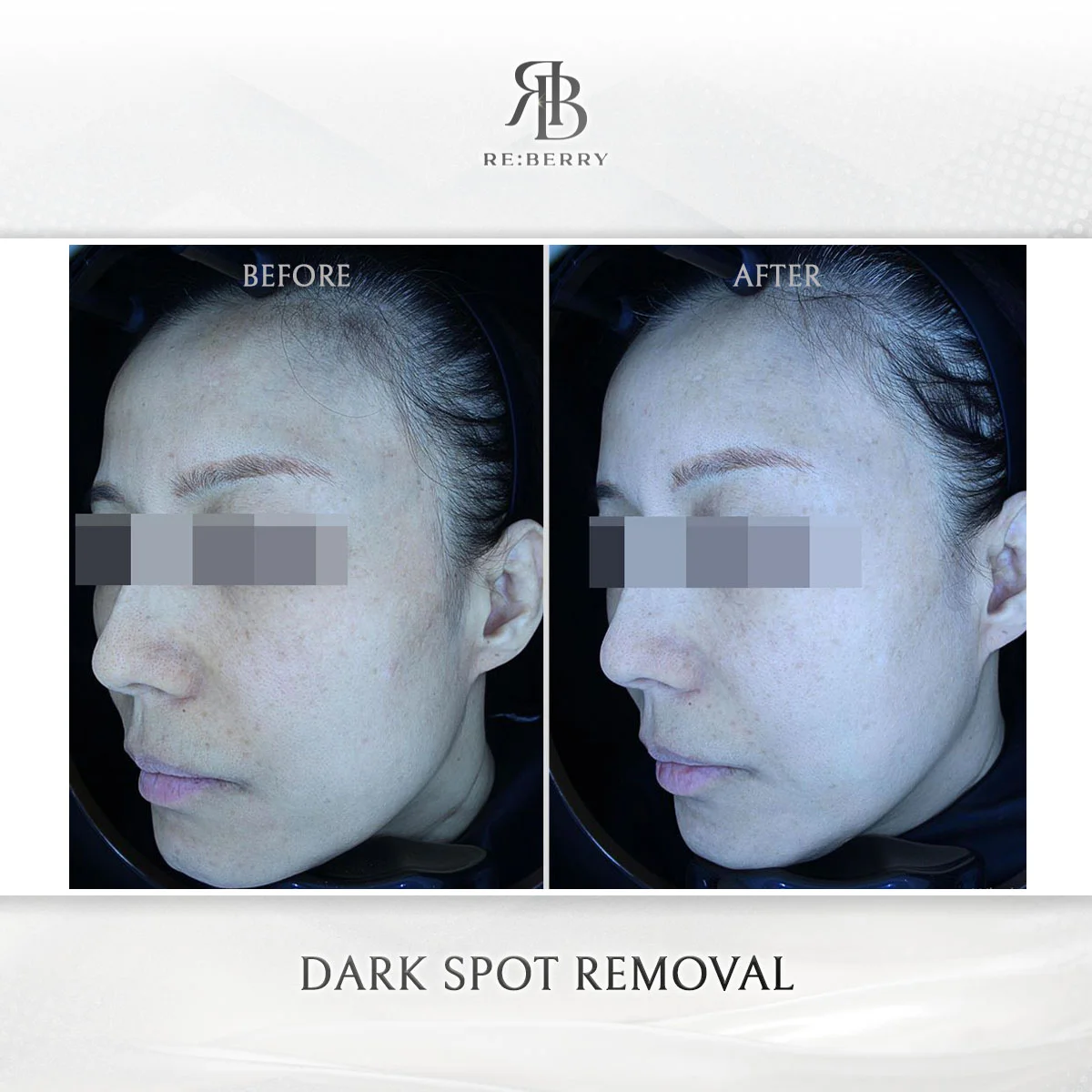
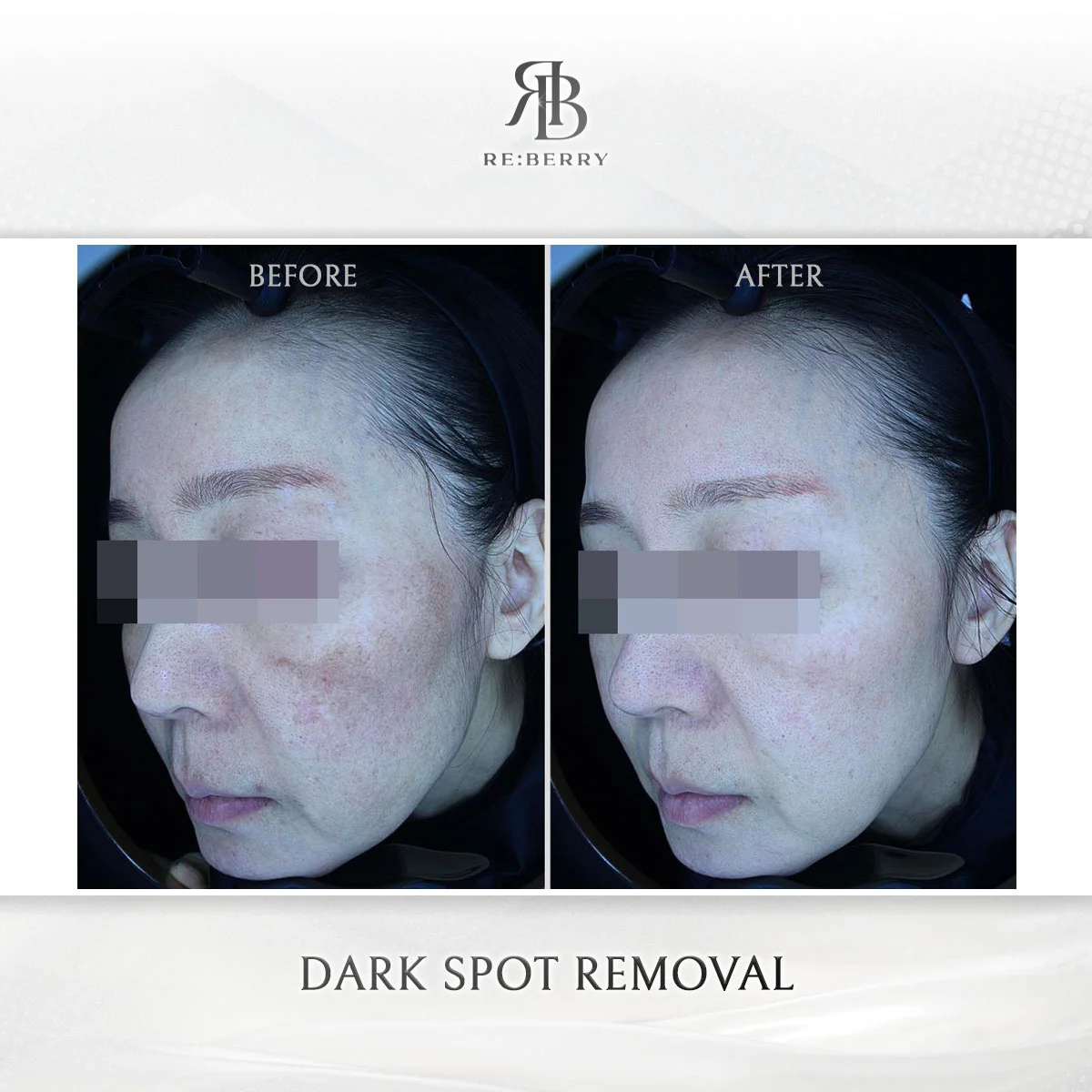
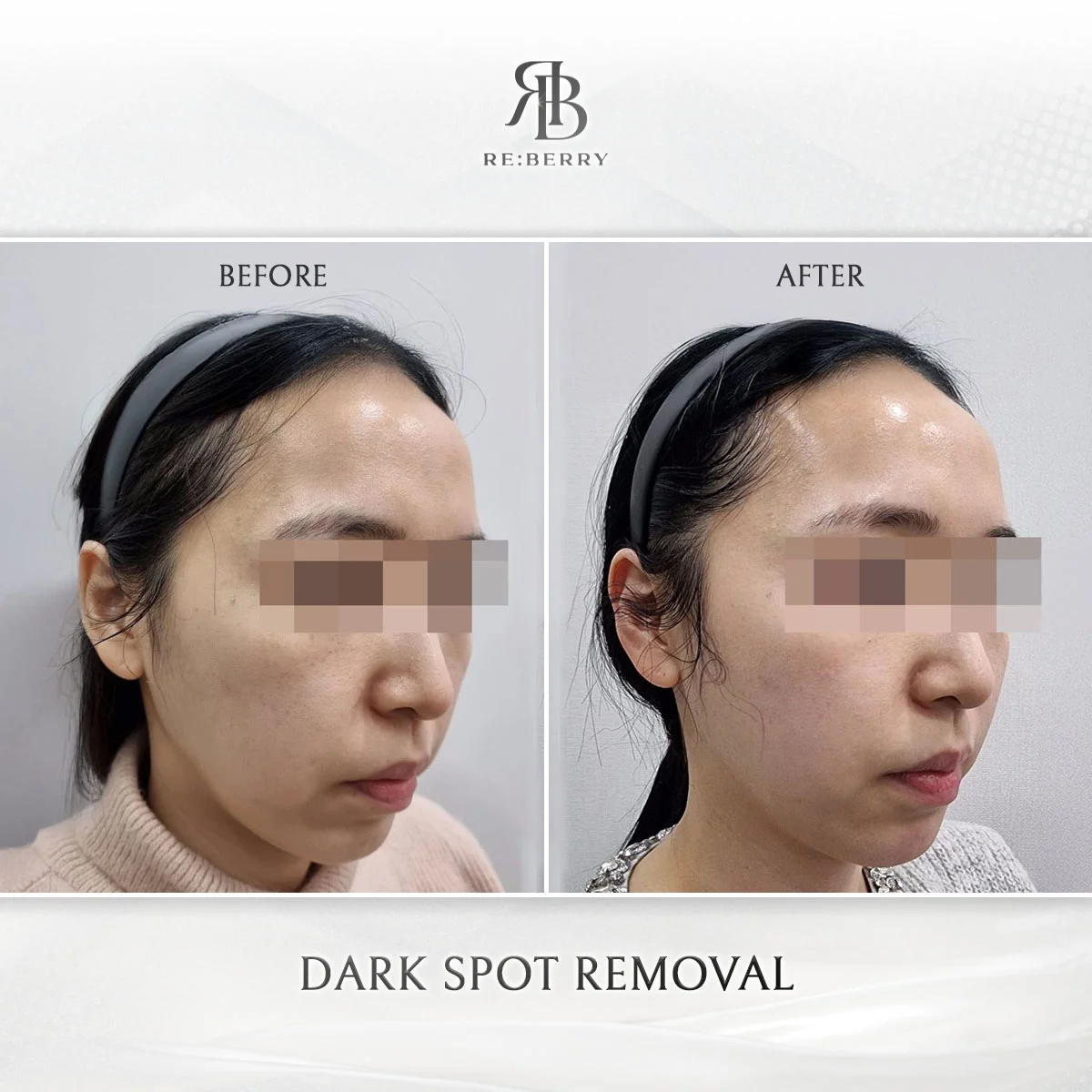
LaseMD Before & After at RE:BERRY Myeongdong
Actual patient results from LaseMD thulium laser treatment at RE:BERRY Myeongdong. Individual results may vary.
How LaseMD Works at RE:BERRY Myeongdong
Four-step protocol designed for optimal brightening and skin rejuvenation results.
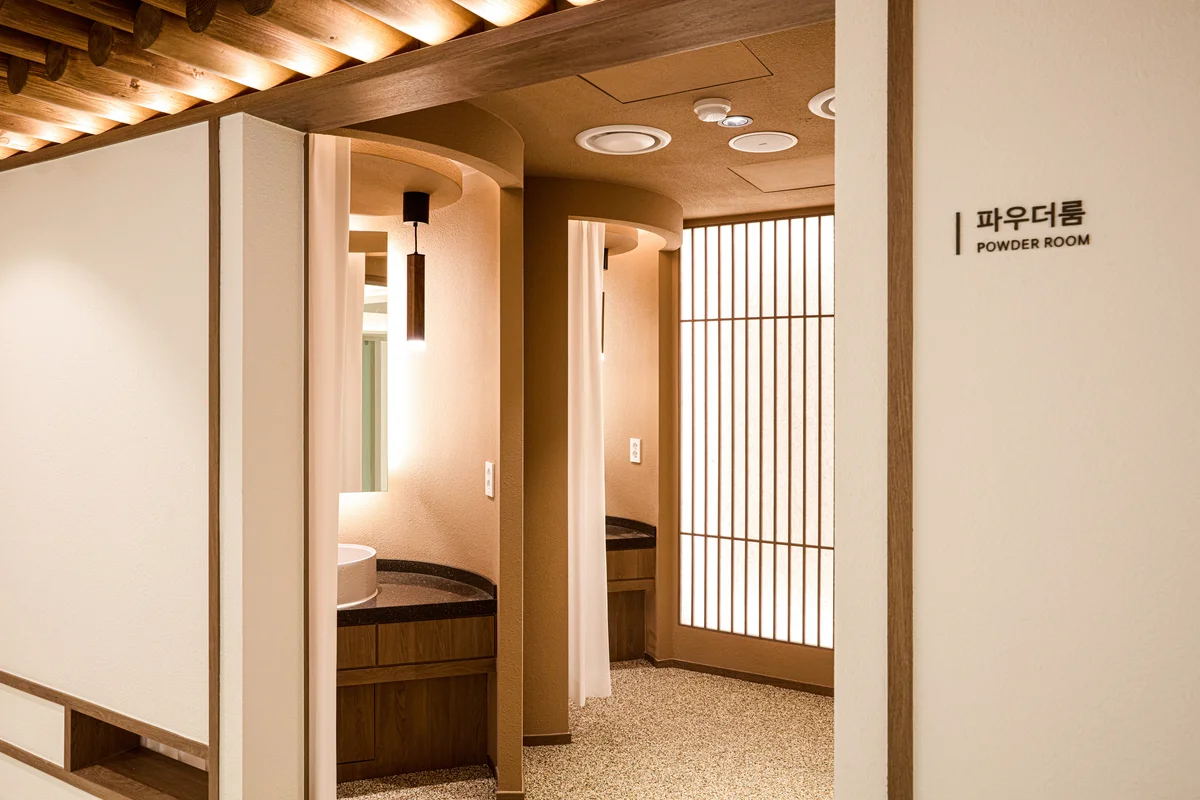
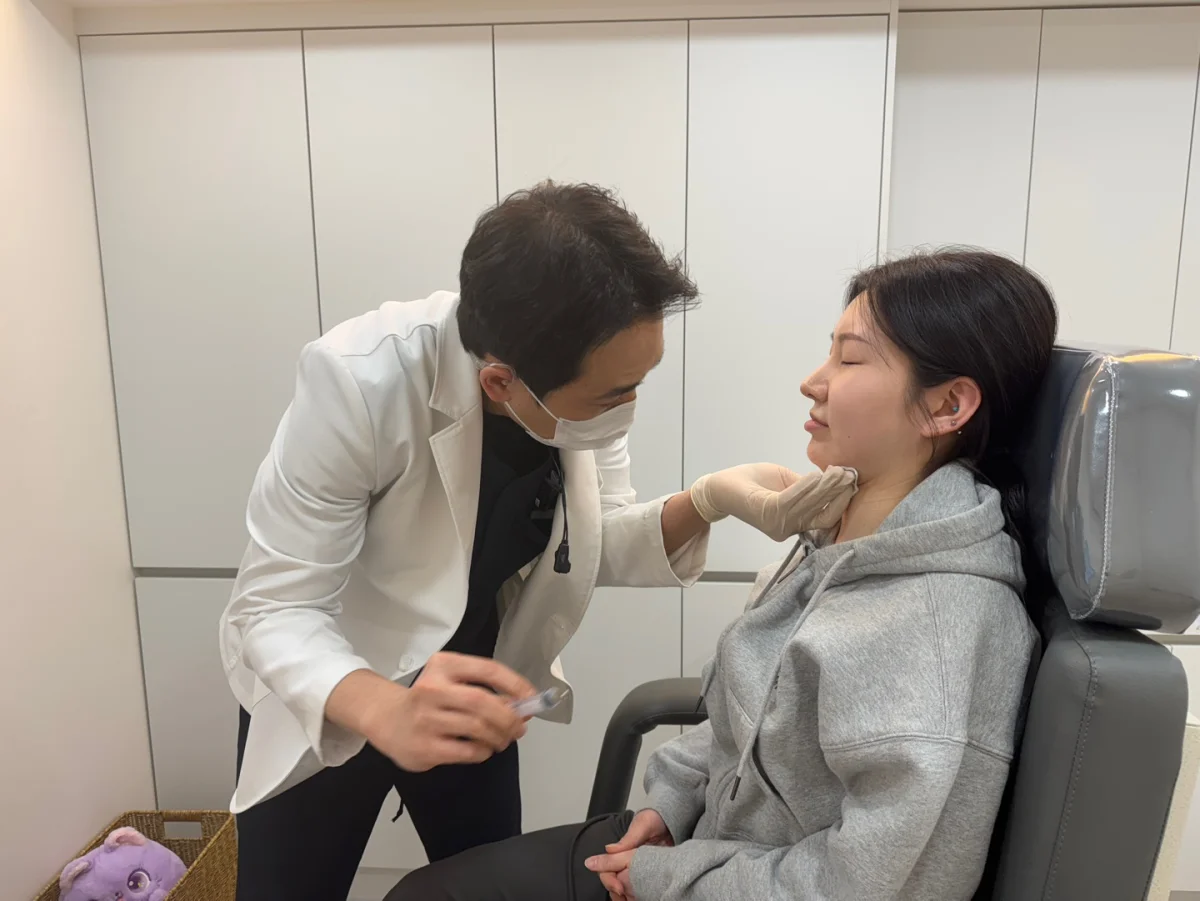
Skin Assessment and Treatment Planning
Dr. Seung-Jae Baek examines your skin under Wood’s lamp and dermatoscopy to identify the type, depth, and distribution of pigmentation. Melasma, sun spots, and post-inflammatory hyperpigmentation each require different LaseMD energy settings and pass patterns. Your skin type (Fitzpatrick scale), prior treatment history, and aesthetic goals determine the CDS serum selection — tranexamic acid for melasma, vitamin C for sun spots, or growth factors for overall rejuvenation.
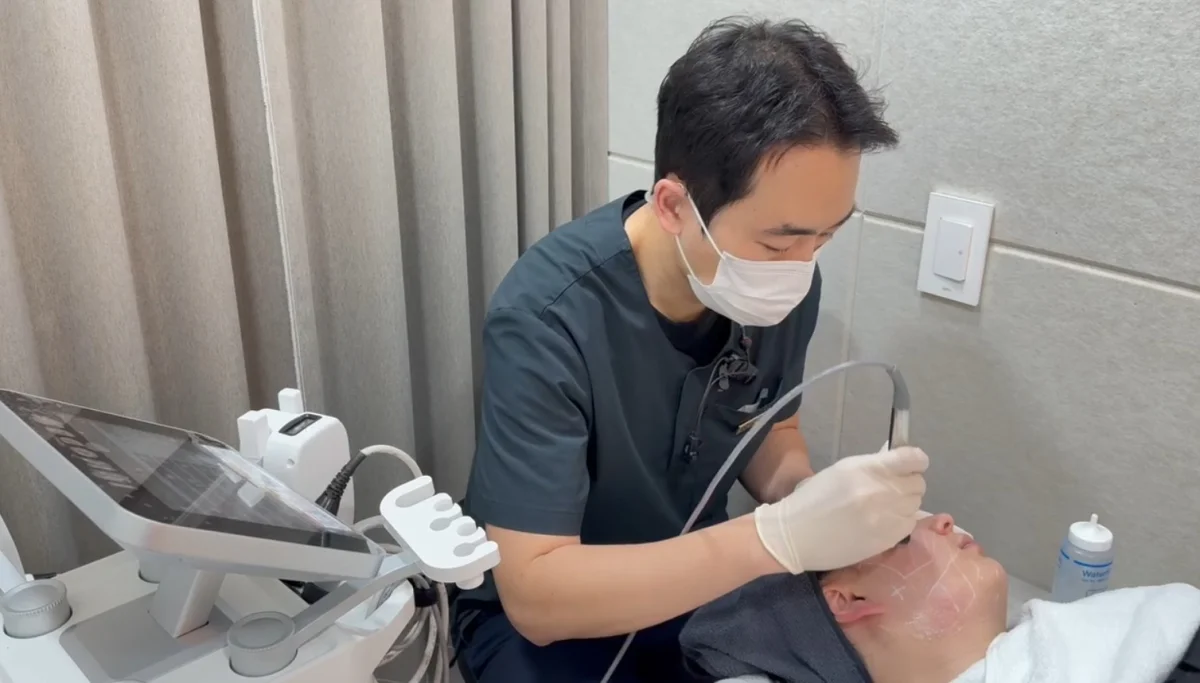
LaseMD Thulium Laser Application
The LaseMD handpiece delivers 1927nm thulium laser energy in a fractional pattern across the treatment area. Each pass creates thousands of microscopic treatment zones (MTZs) in the superficial dermis where melanin deposits are concentrated. The non-ablative mechanism heats the tissue without breaking the skin surface, allowing melanocytes to release pigment while preserving the epidermis intact. Dr. Baek performs 2-4 passes depending on pigmentation severity, adjusting energy density and coverage for each facial zone.
Cosmeceutical Delivery System (CDS) Infusion
Immediately after the laser passes, the CDS step infuses active ingredients through the laser-created micro-channels. These channels remain open for approximately 15-30 minutes post-treatment, providing a direct pathway past the stratum corneum barrier into the dermis. For melasma patients, tranexamic acid is infused to inhibit plasminogen activator in melanocytes. For aging skin, vitamin C and peptide growth factors accelerate collagen synthesis. The CDS amplifies treatment efficacy by 3-5 times compared to topical application alone.
Calming Care and Aftercare
A cooling hydrogel mask is applied for 15 minutes to reduce thermal sensation and begin the healing process. The treatment area shows mild pinkness that resolves within 24-48 hours for most patients. No bandaging, no peeling, no crusting — you can apply mineral sunscreen and makeup immediately. RE:BERRY provides aftercare instructions in your language and recommends SPF 50+ for the following 2 weeks to protect newly treated skin from UV re-pigmentation.
What to Expect from LaseMD Treatment
- True Zero Downtime: Non-ablative mechanism preserves the skin surface. Mild pinkness for 24-48 hours is the only visible sign — no peeling, no crusting, no social restriction.
- Melasma-Safe Protocol: Low-energy, high-density fractional delivery with tranexamic acid CDS specifically designed for melasma — the most treatment-resistant pigmentation disorder.
- Enhanced Drug Delivery: CDS micro-channel infusion delivers active ingredients 3-5x more effectively than topical application, amplifying brightening results.
- All Skin Types: Non-ablative 1927nm wavelength is safe for Fitzpatrick I-VI. Particularly effective for Asian skin types III-V where ablative lasers carry hyperpigmentation risk.
- Progressive Improvement: Each session builds on the previous one. Most patients see 50-70% pigmentation improvement over a 4-6 session series.
- Multi-Indication: Single device treats melasma, sun spots, age spots, fine lines, rough texture, and dull skin tone simultaneously.
| Timeline | What to Expect |
|---|---|
| Day 1-2 | Mild pinkness resolves. Skin may feel slightly warm or tight. Dark spots may appear temporarily darker as melanin rises to the surface. |
| Day 3-7 | Micro-crusts (invisible to others) naturally exfoliate. Skin begins to look brighter as superficial pigment sheds. |
| Week 2-3 | Noticeable brightening and tone evening. CDS active ingredients continue working in the dermis. |
| Month 1 | Significant improvement in overall skin luminosity. Fine lines appear softer. Ready for next session. |
| Session 3-4 | Cumulative results visible. Melasma patches 40-50% lighter. Skin texture dramatically smoother. |
| Session 5-6 | Peak results. 50-70% pigmentation reduction. Skin quality transformation complete. Maintenance every 2-3 months. |
LaseMD vs. Other Pigmentation Lasers
| Feature | LaseMD 1927nm | PicoSure 755nm | CO2 Fractional | IPL Photofacial |
|---|---|---|---|---|
| Wavelength | 1927nm Thulium | 755nm Alexandrite | 10,600nm CO2 | 515-1200nm Broadband |
| Mechanism | Non-ablative fractional | Picosecond photoacoustic | Ablative fractional | Selective photothermolysis |
| Melasma Safety | Excellent (designed for) | Good | Risky (rebound) | Poor (can worsen) |
| Downtime | 24-48 hours pinkness | 1-3 days | 7-14 days peeling | 2-5 days darkening |
| Drug Delivery | CDS integrated | Not available | Not available | Not available |
| Sessions for Results | 4-6 sessions | 3-5 sessions | 2-3 sessions | 5-8 sessions |
| Asian Skin Safety | Excellent | Good | Moderate risk | Moderate risk |
LaseMD Packages at RE:BERRY Myeongdong
All prices exclude VAT. Non-covered medical service. LaseMD is typically combined with toning or skin booster treatments for optimal results.
Dual Toning Package (PicoSure + Genesis)
- PicoSure laser toning
- Genesis laser for skin rejuvenation
- Post-treatment calming mask
- Aftercare in your language
One-Day Pigmentation Care Package
- Potenza-based customized skin booster
- Rejuran Healer 2cc
- Personalized toning session
- Personalized laser treatment
- LDM moisture therapy
- Modeling mask
- Choice of Exosome or Juvelook
Re2O + Potenza Juvelook + Genesis
- Re2O 6cc deep hydration
- Potenza with Juvelook
- Genesis laser rejuvenation
- Comprehensive brightening protocol
Meet Our Laser Treatment Specialists
Experienced aesthetic physicians specializing in advanced laser protocols at RE:BERRY Myeongdong.
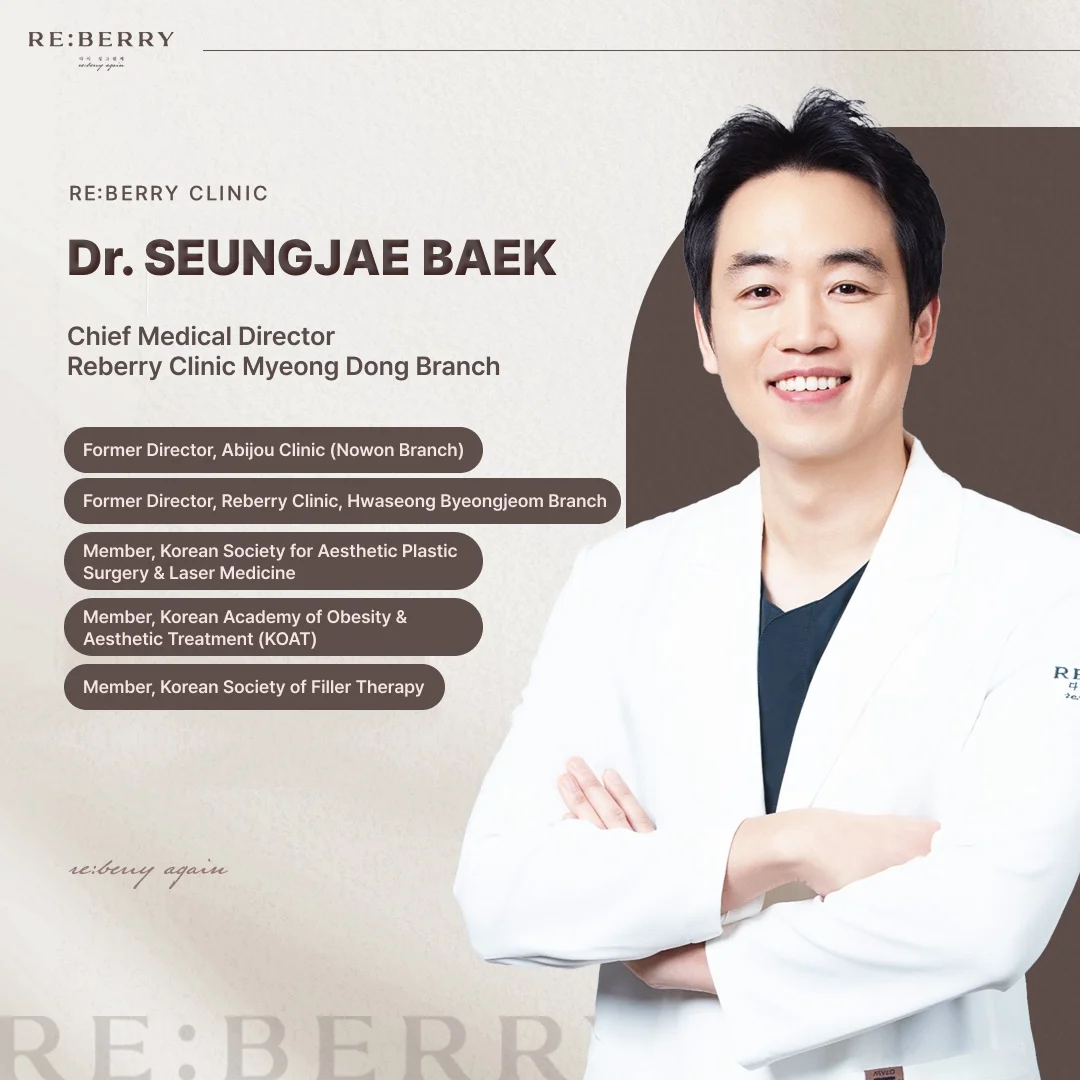
Dr. Baek Seung-Jae
- Head Director, RE:BERRY Clinic Myeongdong
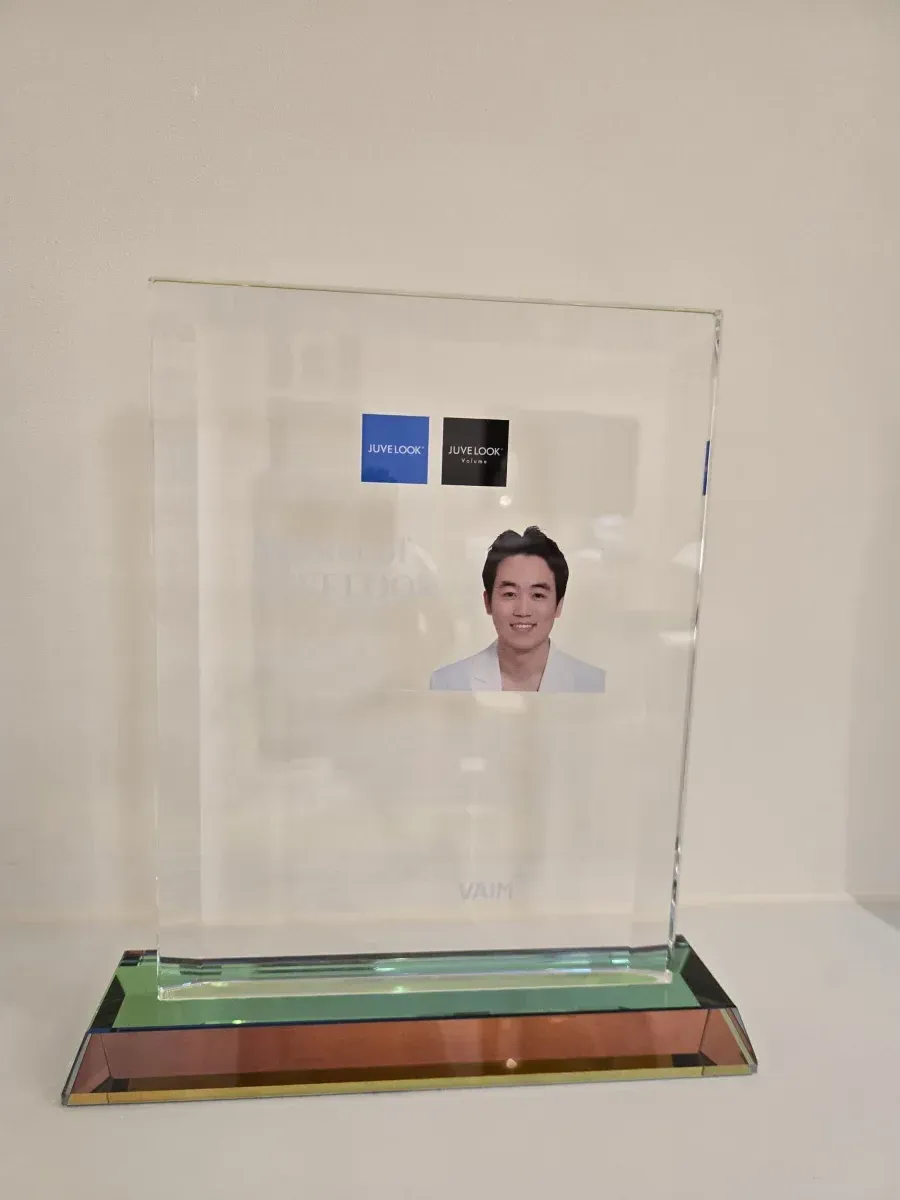
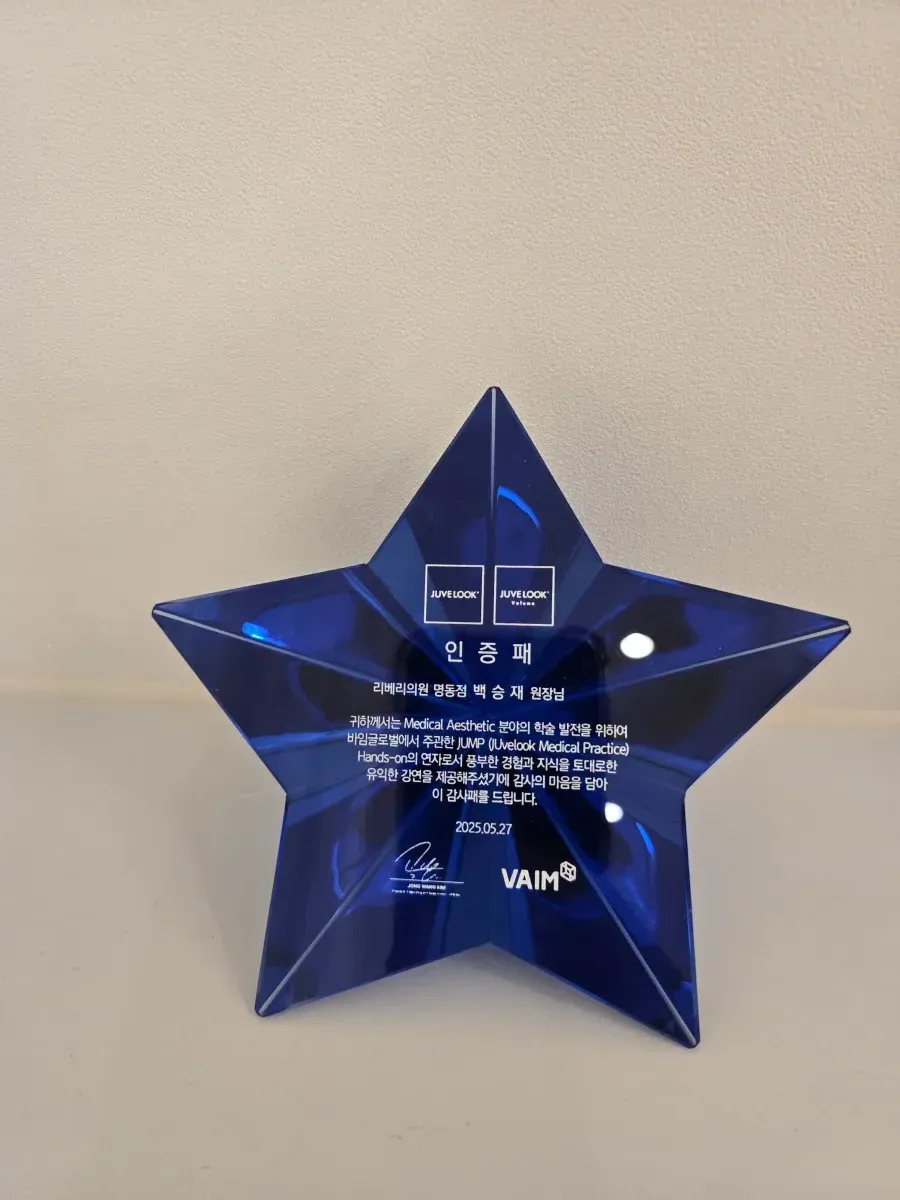
- Juvelook Certified Meister & Speaker
- Member, Korean Academy of Aesthetic Medicine
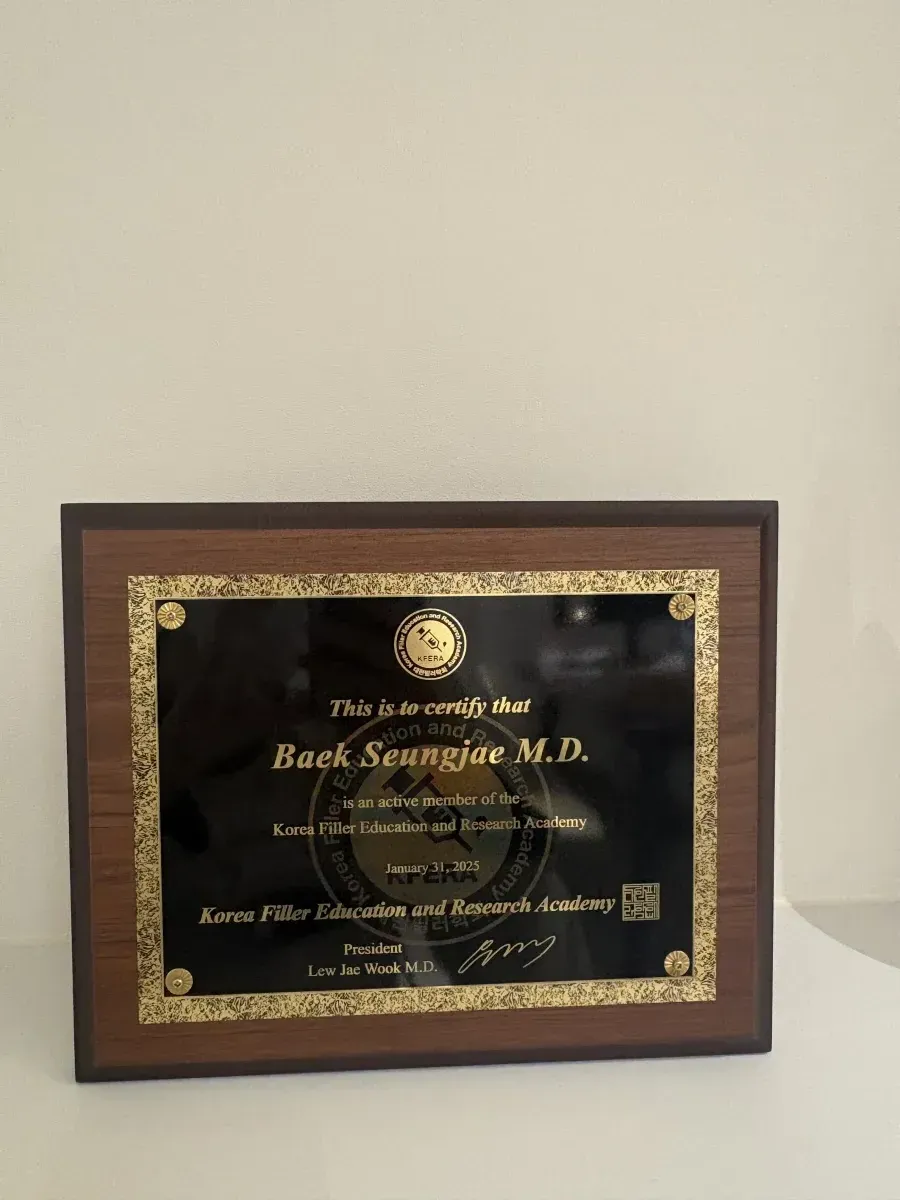
- Member, Korean Filler Education and Research Academy
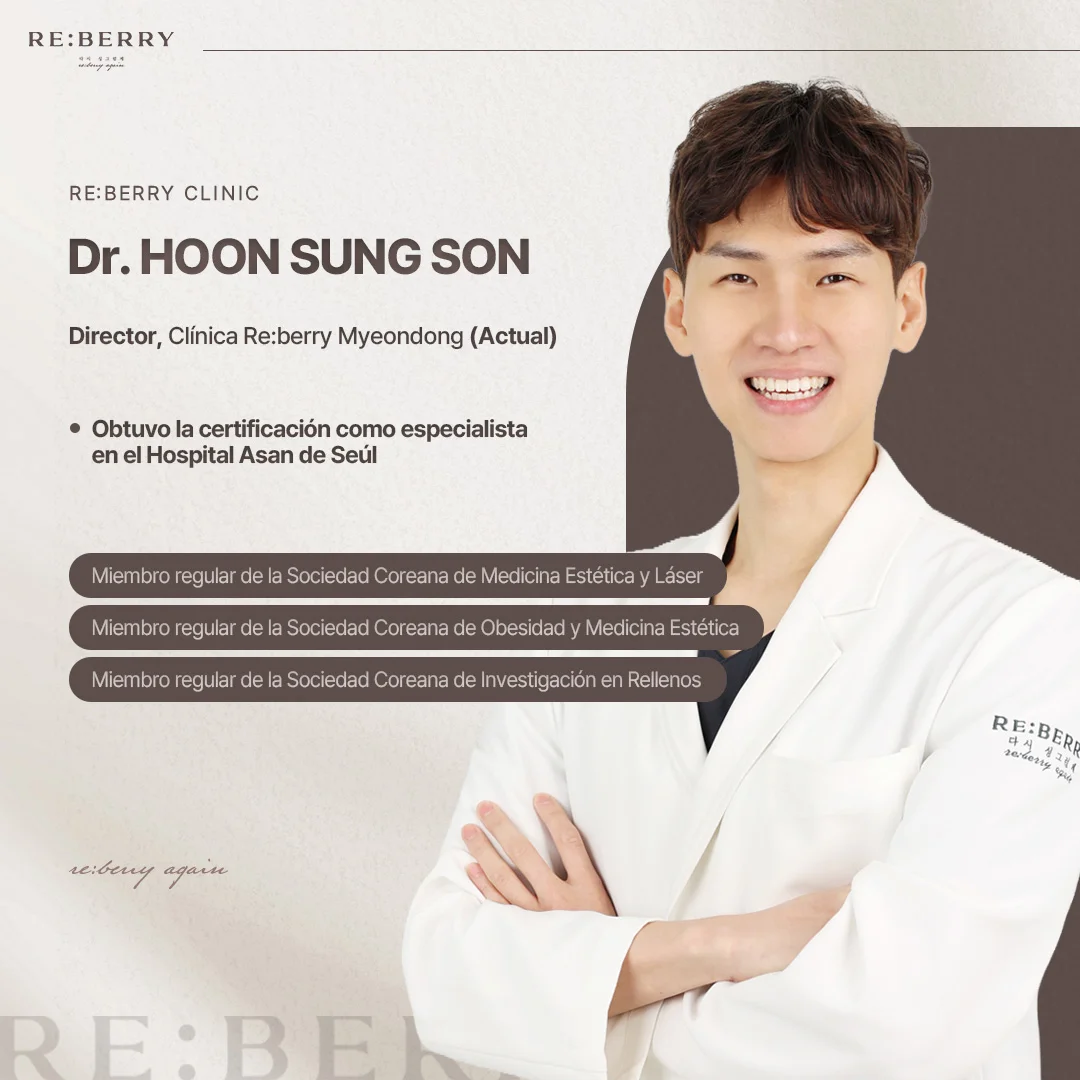
Dr. Son Hoon-Sung
- Doctor, RE:BERRY Clinic Myeongdong
- Member, Korean Academy of Aesthetic Medicine
- Member, Korean Society for Laser Medicine and Surgery
Medically reviewed by Dr. Baek Seung-Jae, Head Director, Myeongdong Branch, RE:BERRY
The Science Behind LaseMD Thulium Laser
Peer-reviewed research supporting LaseMD’s mechanism of action and clinical efficacy for pigmentation and skin rejuvenation.
1927nm Thulium Wavelength: Precision Targeting of Superficial Dermis
The 1927nm thulium wavelength occupies a unique position in the laser spectrum for dermatological applications. Its absorption coefficient in water is approximately 10 times higher than the 1550nm erbium wavelength used in traditional fractional resurfacing devices. This high water absorption means the laser energy is absorbed rapidly in the superficial dermis and dermo-epidermal junction (DEJ) — precisely where melanocytes deposit excess pigment in conditions like melasma, solar lentigines, and post-inflammatory hyperpigmentation. Because the energy is concentrated in the first 200-300 micrometers of tissue, the deeper reticular dermis and subcutaneous structures remain unaffected, dramatically reducing thermal damage, downtime, and complication risk compared to deeper-penetrating wavelengths.
Non-Ablative Fractional Resurfacing Mechanism
LaseMD creates microscopic columns of thermal injury (microscopic treatment zones, MTZs) in a fractional pattern, treating 5-30% of the skin surface per pass while leaving surrounding tissue intact as a reservoir for rapid healing. Within each MTZ, the thermal energy coagulates the melanin-laden keratinocytes and stimulates melanocyte turnover without disrupting the stratum corneum barrier. This non-ablative approach is critical for melasma management — a study by Kang et al. (2019) in the Journal of Cosmetic Dermatology demonstrated that non-ablative 1927nm thulium laser achieved 62.4% melasma improvement (measured by modified MASI score) after 5 sessions, with zero cases of post-inflammatory hyperpigmentation in a cohort of 38 Korean patients (Fitzpatrick III-IV). The authors attributed the safety profile to the superficial thermal confinement and fractional treatment pattern.
Cosmeceutical Delivery System (CDS): Laser-Assisted Drug Delivery
The CDS component leverages the laser-created micro-channels as transdermal drug delivery pathways. The stratum corneum — the primary barrier to topical drug absorption — is temporarily bypassed through these MTZ columns, allowing hydrophilic molecules that would normally be blocked (tranexamic acid molecular weight 157 Da, vitamin C 176 Da) to reach therapeutic concentrations in the dermis. Lee et al. (2020) published in Lasers in Surgery and Medicine showing that laser-assisted delivery of tranexamic acid achieved 4.7x higher dermal concentration compared to topical application alone, resulting in significantly greater inhibition of melanocyte tyrosinase activity. This pharmacokinetic advantage explains why LaseMD + CDS protocols outperform standalone laser or standalone topical treatments for stubborn pigmentation conditions like dark spot treatment in Asian skin types.
Collagen Remodeling and Skin Quality Improvement
Beyond pigmentation, the controlled thermal injury from LaseMD stimulates a wound-healing cascade that includes fibroblast activation, new collagen type I and III deposition, and glycosaminoglycan synthesis. Bernstein et al. (2021) conducted a prospective study evaluating skin quality improvements after 1927nm fractional thulium laser, reporting statistically significant improvement in fine lines (38%), skin roughness (42%), and overall skin luminosity (56%) at 3 months post-treatment series. These collagen remodeling effects complement the pigmentation clearance, delivering comprehensive skin rejuvenation that combines the brightening of a toning laser with the textural improvement of a resurfacing procedure — without the extended downtime of ablative fractional systems.
References: Kang HY et al. J Cosmet Dermatol. 2019;18(5):1332-1338. doi:10.1111/jocd.12872 | Lee WR et al. Lasers Surg Med. 2020;52(2):146-154. doi:10.1002/lsm.23101 | Bernstein EF et al. Dermatol Surg. 2021;47(9):1195-1200. doi:10.1097/DSS.0000000000003119
What Our Patients Say About LaseMD
“I struggled with melasma for 5 years and tried everything. After 4 LaseMD sessions at RE:BERRY Myeongdong with the tranexamic acid infusion, my patches are 60% lighter. Finally seeing my real skin again.”
“Truly zero downtime — I got LaseMD in the morning and went shopping in Myeongdong the same afternoon. My skin was slightly pink for a day, then noticeably brighter by day 5. Korean laser technology is impressive.”
“Dr. Son explained that my sun spots needed a different approach than my melasma patches. He customized the LaseMD settings for each area of my face. That attention to detail is why I flew from Taiwan to Seoul.”
Frequently Asked Questions About LaseMD in Korea
Expert answers about LaseMD thulium laser treatment at RE:BERRY Myeongdong Seoul.
RE:BERRY Myeongdong offers the Dual Toning Package (PicoSure + Genesis) at ₩259,000 and the comprehensive One-Day Pigmentation Care Package at ₩990,000 excluding VAT. Individual LaseMD sessions are available during consultation.
Yes. Clinical studies show 62.4% melasma improvement (modified MASI score) after 5 sessions of 1927nm thulium laser. Combined with tranexamic acid CDS infusion, results are amplified significantly with zero hyperpigmentation risk in Asian skin.
For mild sun spots: 3-4 sessions. For moderate melasma: 5-6 sessions. For comprehensive skin rejuvenation: 4-6 sessions spaced 2-4 weeks apart. Each session takes approximately 30-45 minutes.
Essentially zero social downtime. Mild pinkness for 24-48 hours is the only visible sign. No peeling, no crusting, no scabbing. You can apply mineral makeup immediately after treatment.
Extremely safe. The 1927nm non-ablative mechanism confines thermal energy to the superficial dermis, avoiding melanocyte stimulation in deeper layers. Studies on Korean patients (Fitzpatrick III-IV) report zero post-inflammatory hyperpigmentation cases.
CDS uses the micro-channels created by LaseMD laser to infuse active ingredients (tranexamic acid, vitamin C, growth factors) directly into the dermis, achieving 4.7x higher drug concentration than topical application alone.
Yes. LaseMD is highly effective for solar lentigines (sun spots) and senile lentigines (age spots). The 1927nm wavelength targets melanin in the dermo-epidermal junction where these lesions concentrate. Most patients see 50-70% improvement after 4 sessions.
LaseMD excels at diffuse pigmentation and melasma (broad area brightening with CDS drug delivery). PicoSure excels at discrete dark spots (photoacoustic shattering). RE:BERRY often combines both for comprehensive results.
Absolutely. Each session takes 30-45 minutes with zero downtime afterward. Many international patients schedule a session during a 1-2 day layover. RE:BERRY Myeongdong is 2 minutes from Myeongdong Station.
Yes. Beyond pigmentation, LaseMD stimulates collagen remodeling in the superficial dermis. Clinical studies report 38% improvement in fine lines and 42% improvement in skin roughness after a treatment series.
Yes. RE:BERRY commonly combines LaseMD with Rejuran or Juvelook skin boosters for hydration, or with Potenza RF for simultaneous pore and pigmentation improvement.
Most patients describe a warm, tingling sensation rated 1-2 out of 10 — among the gentlest laser treatments available. No numbing cream is required for standard protocols, though it can be applied for sensitive areas.
Sun spots cleared by LaseMD are permanently removed, but new spots can form from ongoing UV exposure. Melasma is a chronic condition that requires maintenance sessions every 2-3 months plus strict SPF 50+ daily use.
Before: stop retinol and AHA/BHA acids 3-5 days prior. After: avoid direct sun exposure for 2 weeks, use SPF 50+ daily, no hot saunas for 48 hours. RE:BERRY provides a detailed aftercare guide in your language.
Korea has the highest density of Lutronic devices globally, meaning Korean doctors have unmatched clinical experience. RE:BERRY Myeongdong’s physicians have performed thousands of LaseMD sessions and use customized CDS protocols unavailable in most other markets.
Yes. LaseMD can treat pigmentation on hands, chest, neck, and back. The same 1927nm wavelength effectively targets melanin deposits regardless of body location. Pricing varies based on treatment area size.
Pigmentation clearance is semi-permanent — cleared spots stay gone unless re-triggered by UV exposure. Collagen remodeling benefits last 6-12 months. Maintenance sessions every 2-3 months optimize long-term results.
LaseMD is not the primary choice for rosacea — the 1927nm wavelength targets water/melanin rather than hemoglobin. For redness, RE:BERRY recommends V-Beam laser which specifically targets blood vessels.
Yes. RE:BERRY Myeongdong uses authentic Lutronic-manufactured LaseMD with verified serial numbers and original consumables. The clinic maintains 30+ FDA-cleared and CE-marked devices.
Yes. Dr. Seung-Jae Baek or Dr. Son Hoon-Sung performs a skin assessment to determine the type and depth of your pigmentation, selecting the appropriate LaseMD parameters and CDS serum combination.
Yes, immediately. Unlike ablative lasers that break the skin surface, LaseMD’s non-ablative mechanism preserves the epidermal barrier. You can apply mineral sunscreen and light makeup right after treatment.
LaseMD ULTRA is the newer generation with faster scan speed, adjustable spot density, and improved CDS integration. RE:BERRY Myeongdong uses the latest available Lutronic platform for optimal treatment efficiency.
RE:BERRY Myeongdong offers physician-performed treatments by Head Director Dr. Seung-Jae Baek, 30+ certified devices, 8-language support, 365-day availability, and a 2-minute walk from Myeongdong Station — the most accessible location for tourists in Seoul.
No. Laser treatments including LaseMD are not recommended during pregnancy or breastfeeding. This is a general precautionary guideline applicable to all laser procedures.
Same-day or next-day appointments are typically available. Contact RE:BERRY Myeongdong via WhatsApp (+82-2-2088-7070), LINE, or KakaoTalk to check availability. Walk-ins are also accepted.
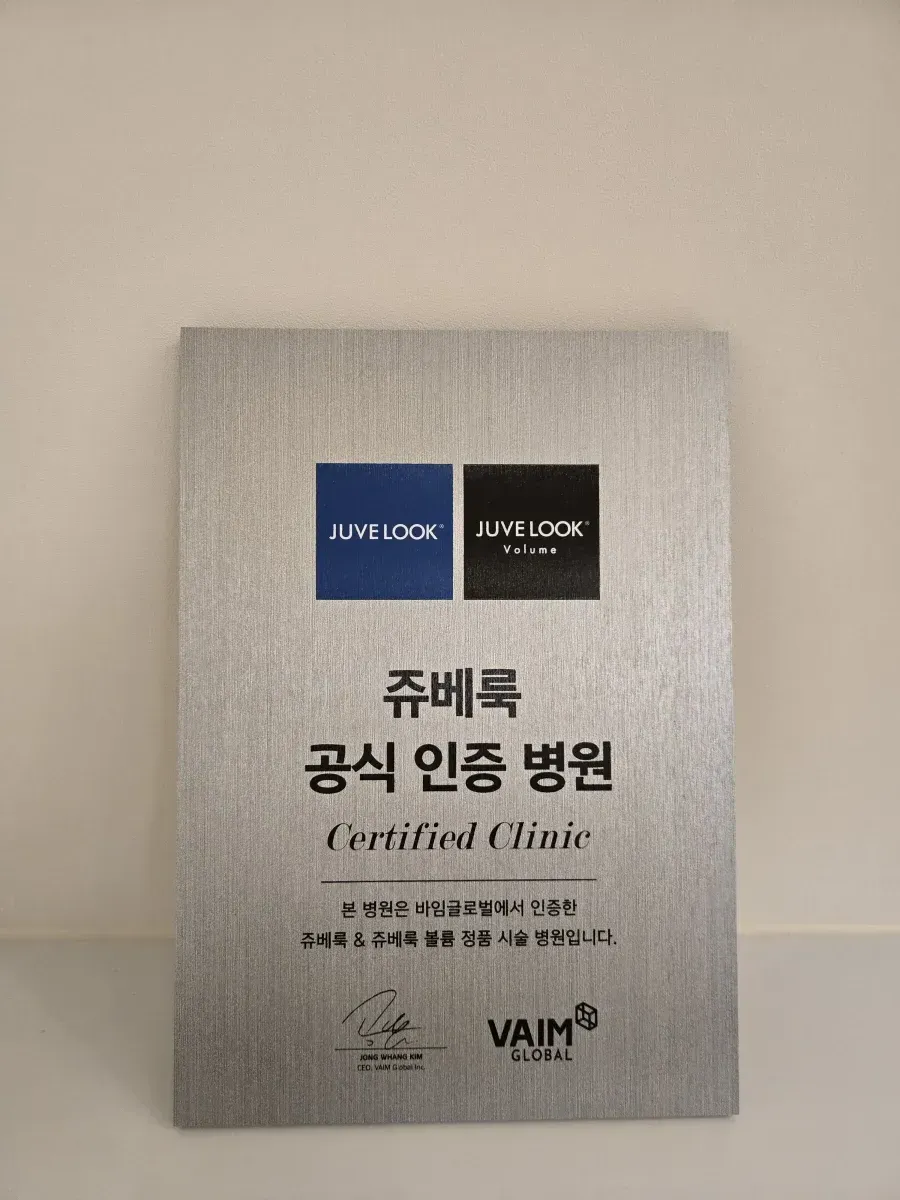
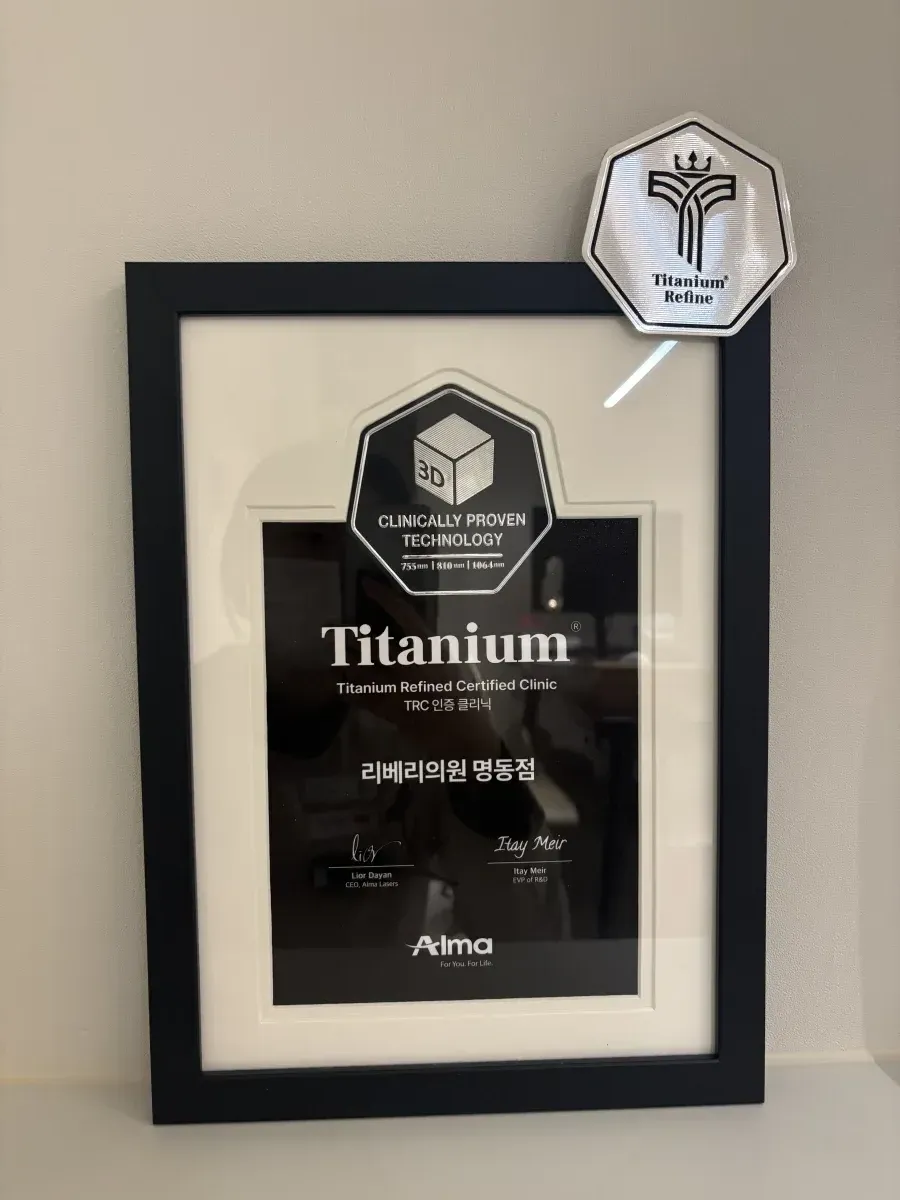
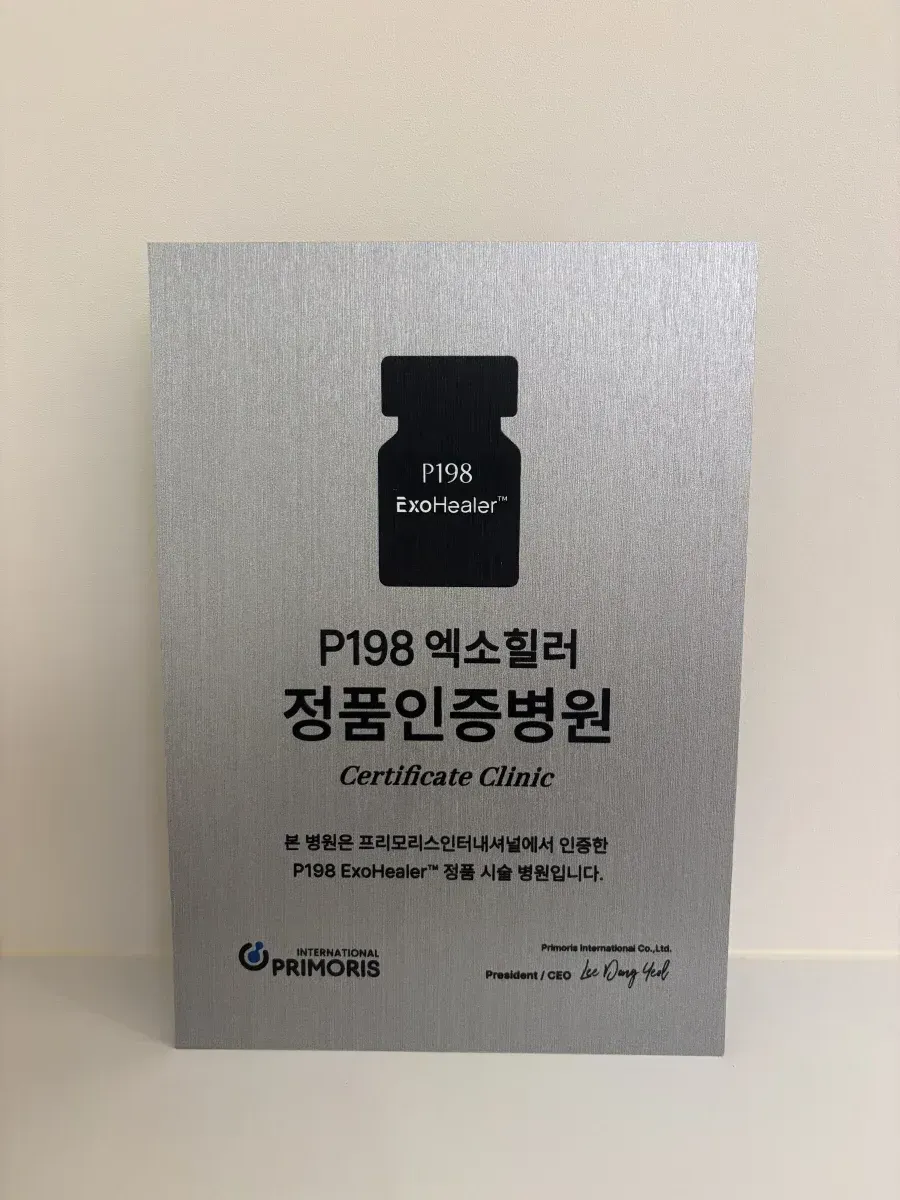
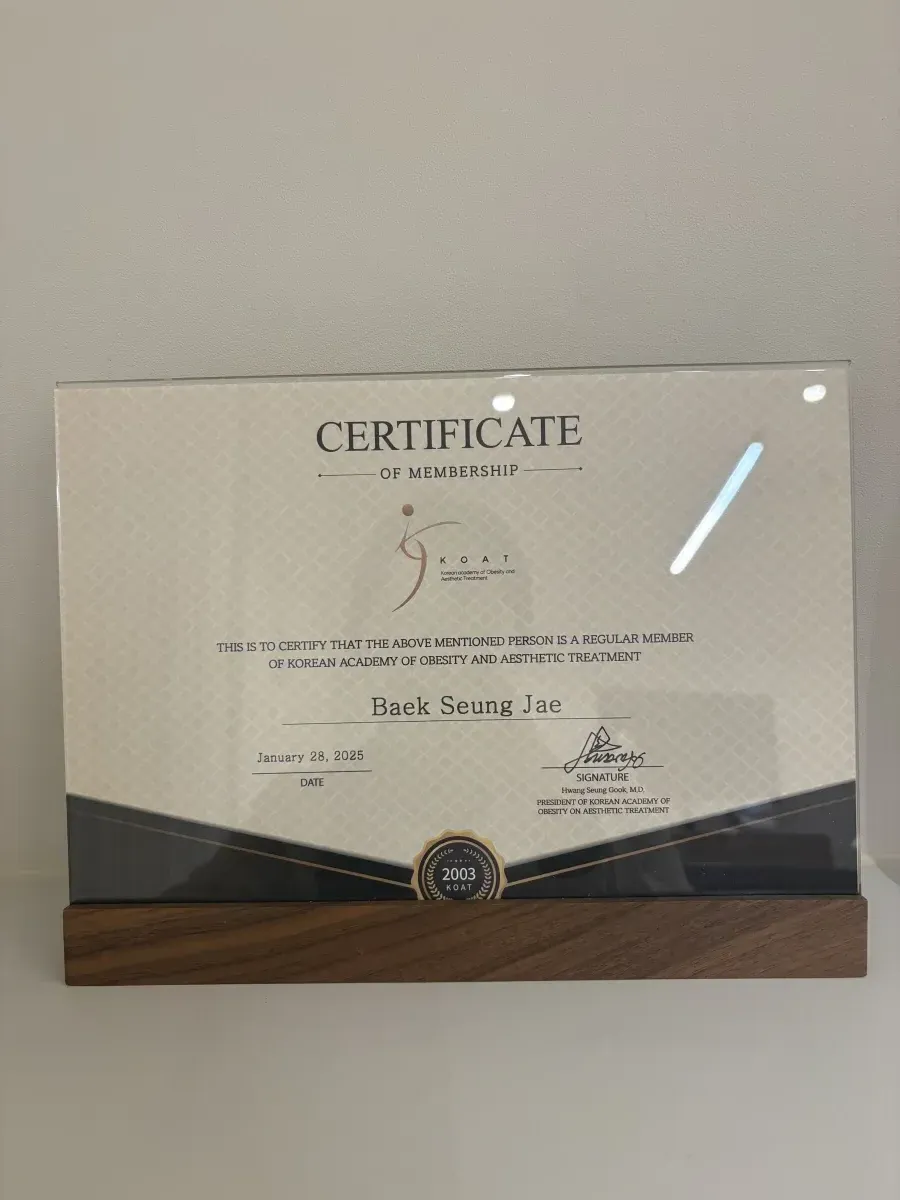
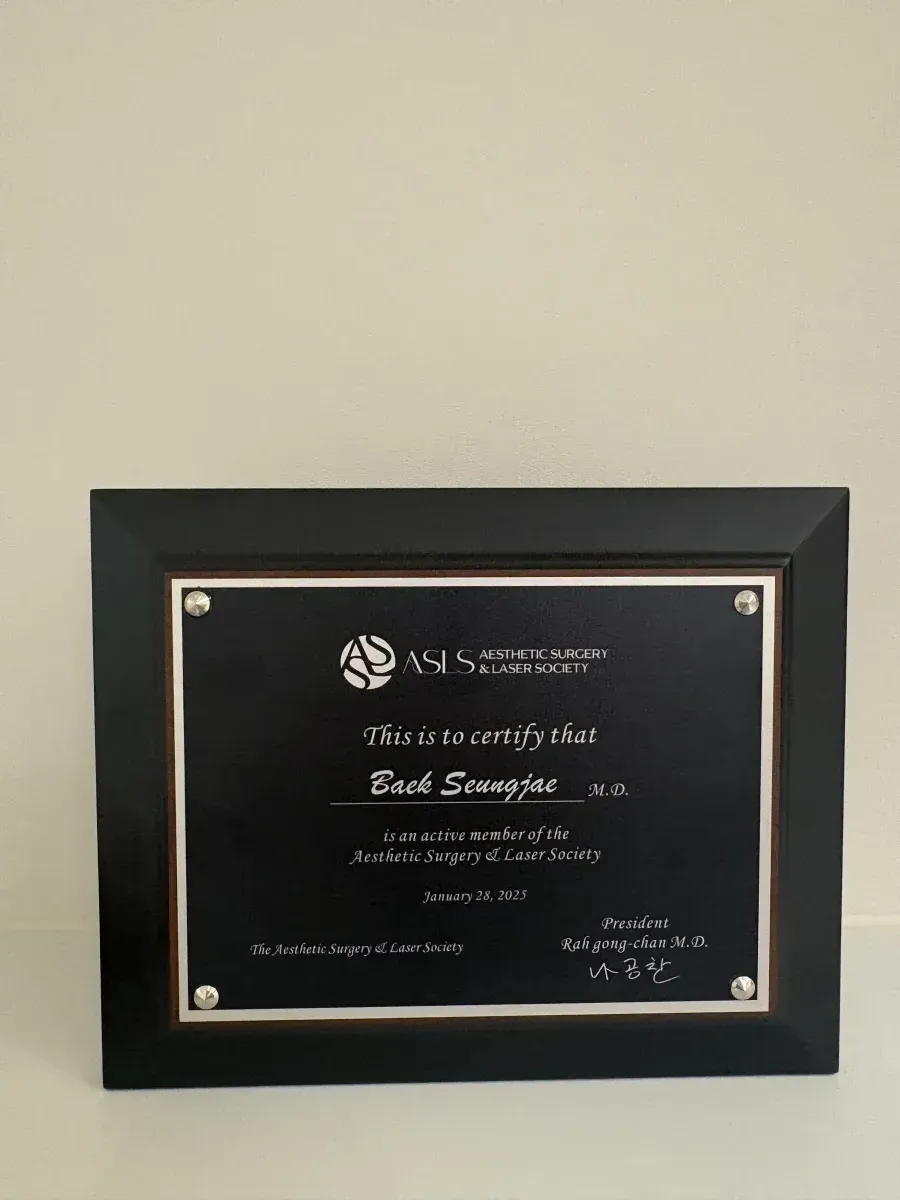
Only Authentic, Brand-Certified Equipment
Every device at RE:BERRY is MFDS-certified and manufacturer-verified. We never use counterfeit or grey-market equipment.
Ready to Brighten Your Skin with LaseMD?
Book your LaseMD consultation with Head Director Dr. Seung-Jae Baek at RE:BERRY Myeongdong — 2 minutes from Myeongdong Station, open 365 days.
Book Your LaseMD Consultation
Fill out the form and our multilingual team will confirm within 2 hours via your preferred contact method.
- ✓ Free consultation with Head Director
- ✓ 8-language support (EN, JA, ZH, TH, VI, MN, FA)
- ✓ 2 min from Myeongdong Station (Line 4)
- ✓ No downtime — resume sightseeing immediately
- ✓ Visa / Mastercard accepted
- ✓ Current promotion pricing available