XERF vs Thermage FLX Myeongdong Seoul Korea Dual-Frequency vs Single-Frequency Monopolar RF — Matched to Your Anatomy, Not a Menu
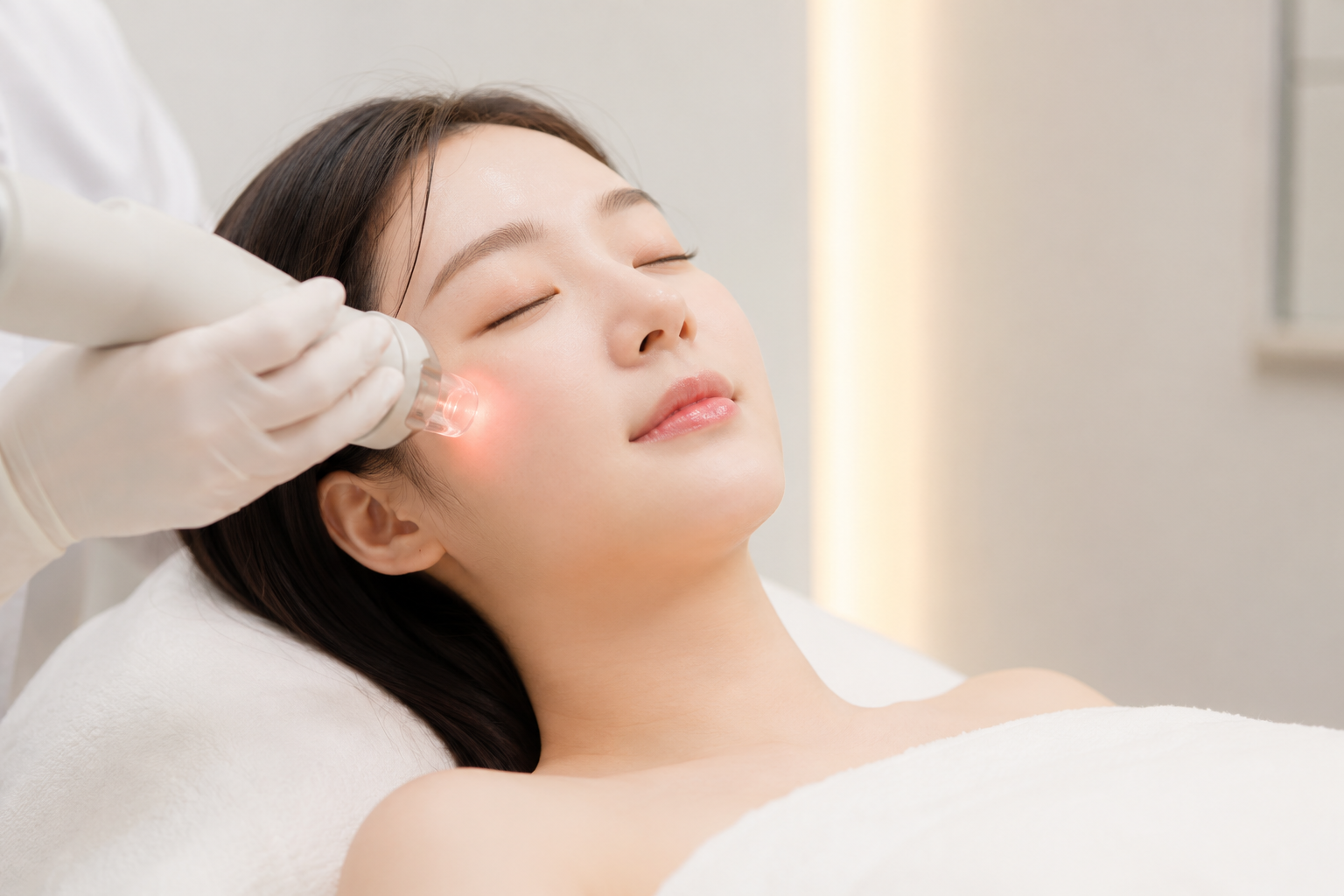
XERF uses 6.78MHz + 2MHz dual-frequency RF with four interchangeable effectors to contour the jawline, cheeks, and under-chin precisely — developed in Korea, FDA-cleared 2025, no downtime required after treatment.
Dual-Frequency Monopolar RF · Developed in Korea · FDA-Cleared 2025
XERF
XERF Lifting · Myeongdong Seoul
XERF uses 6.78MHz + 2MHz dual-frequency RF with four interchangeable effectors to contour the jawline, cheeks, and under-chin precisely — developed in Korea, FDA-cleared 2025, no downtime required after treatment.
Across RE:BERRY Clinics
1,000,000+ Treatments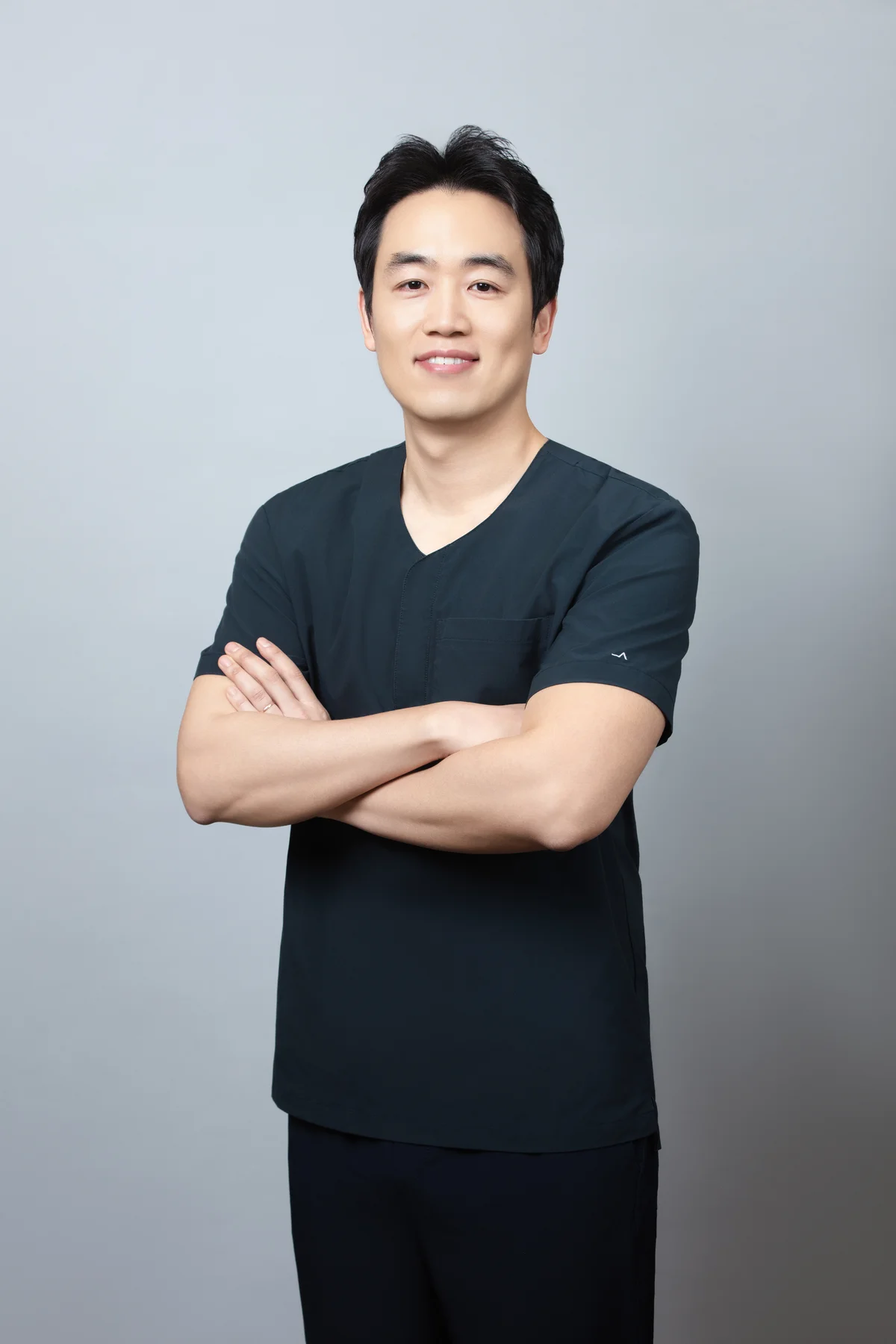
Direct Consult & Treatment
Medical Director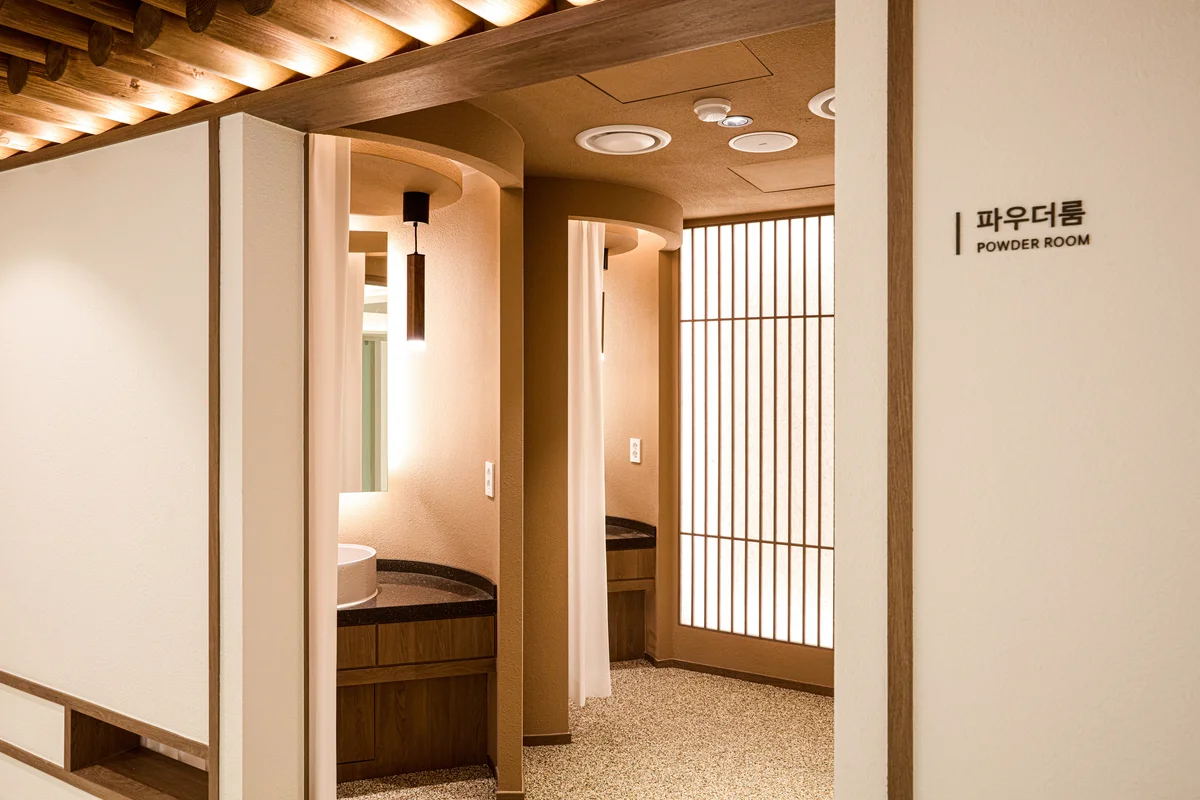
2 Min Walk from Exit 8
Myeongdong Station
XERF vs Thermage FLX in Myeongdong Seoul Korea — What Is the Difference in 2026?
Both are monopolar RF tightening treatments offered at RE:BERRY Clinic Myeongdong — XERF uses dual-frequency output (6.78MHz + 2MHz) with 3 selectable depth layers reaching the SMAS, while Thermage FLX uses the established single-frequency 6.78MHz protocol with tip-defined depth. Neither is universally superior; device choice follows your tissue assessment, with pricing confirmed at consultation, 2 minutes from Myeongdong Station.
The XERF vs Thermage FLX Myeongdong Seoul Korea question comes up in nearly every RF lifting consultation at RE:BERRY Clinic Myeongdong in 2026 — and the honest answer is that these are two different engineering approaches to the same goal, not a ranking. Both devices deliver monopolar radiofrequency: an alternating current passes through tissue between the handpiece electrode and a return pad, producing volumetric heat that contracts existing collagen immediately and stimulates new collagen synthesis over 1-3 months. Neither uses ultrasound, microwaves, or light energy — this is an RF-vs-RF comparison within one energy category. Where they diverge is depth strategy. XERF, developed by Cynosure Lutronic in Korea, MFDS-cleared in January 2024 and FDA-cleared in August 2025, emits two frequencies — 6.78MHz for shallow-to-middle dermal heating and 2MHz for middle-to-deep delivery reaching the SMAS layer — with 3 programmable depth modes (Shallow, Middle, Deep), a patented spider-pattern electrode, Wave Fit variable pulses, real-time impedance feedback, and ICD (Integrated Cryogen Delivery) surface cooling. Thermage FLX, the long-established single-frequency 6.78MHz monopolar RF platform, defines treatment depth through tip selection, verifies energy delivery with its AccuREP calibration system, and manages comfort with integrated cooling plus vibration. In the XERF vs Thermage FLX Myeongdong Seoul Korea decision, XERF offers software-selectable depth layering within one session, while Thermage FLX offers a protocol validated by two decades of published monopolar RF outcomes data. RE:BERRY Clinic Myeongdong operates both platforms in-house, so the recommendation you receive is anatomy-driven rather than inventory-driven. During a 60-90 minute consultation, Aesthetic Medicine Specialist Dr. Seung-Jae Baek (Lic. 143338) maps laxity across 5 facial zones and matches the device — or a staged combination — to your tissue. Full protocol details for the newer device are on the XERF lifting Myeongdong Seoul Korea page, and session configurations (300-shot and 600-shot XERF options) with consultation-confirmed pricing are outlined on the XERF price Myeongdong Seoul Korea page. Both paths in the XERF vs Thermage FLX Myeongdong Seoul Korea comparison are non-invasive, needle-free, and carry no downtime — same-day return to Myeongdong shopping or an evening flight is routine.
Effects & Progress
Effects & Progress
Dual-frequency RF (6.78MHz + 2MHz) allows precise depth selection from surface to SMAS — a single session addresses multiple tissue layers simultaneously.
Mild redness and a sensation of warmth at the treated area immediately after. This typically resolves within a few hours. Skin may feel slightly firmer from the first session.
Redness has resolved. Early firming is consolidating. This is the period before collagen remodeling reaches its peak, typically 4–6 weeks after treatment.
Collagen and elastin remodeling peaks at 1–3 months. Jawline definition, skin texture, and overall contour improvements become more visible. Response varies by individual.
Maintenance period. Based on your response, RE:BERRY will advise on the optimal repeat interval to sustain results — typically in line with your skin's natural remodeling cycle.
Before & After
XERF Lifting Results at RE:BERRY Myeongdong
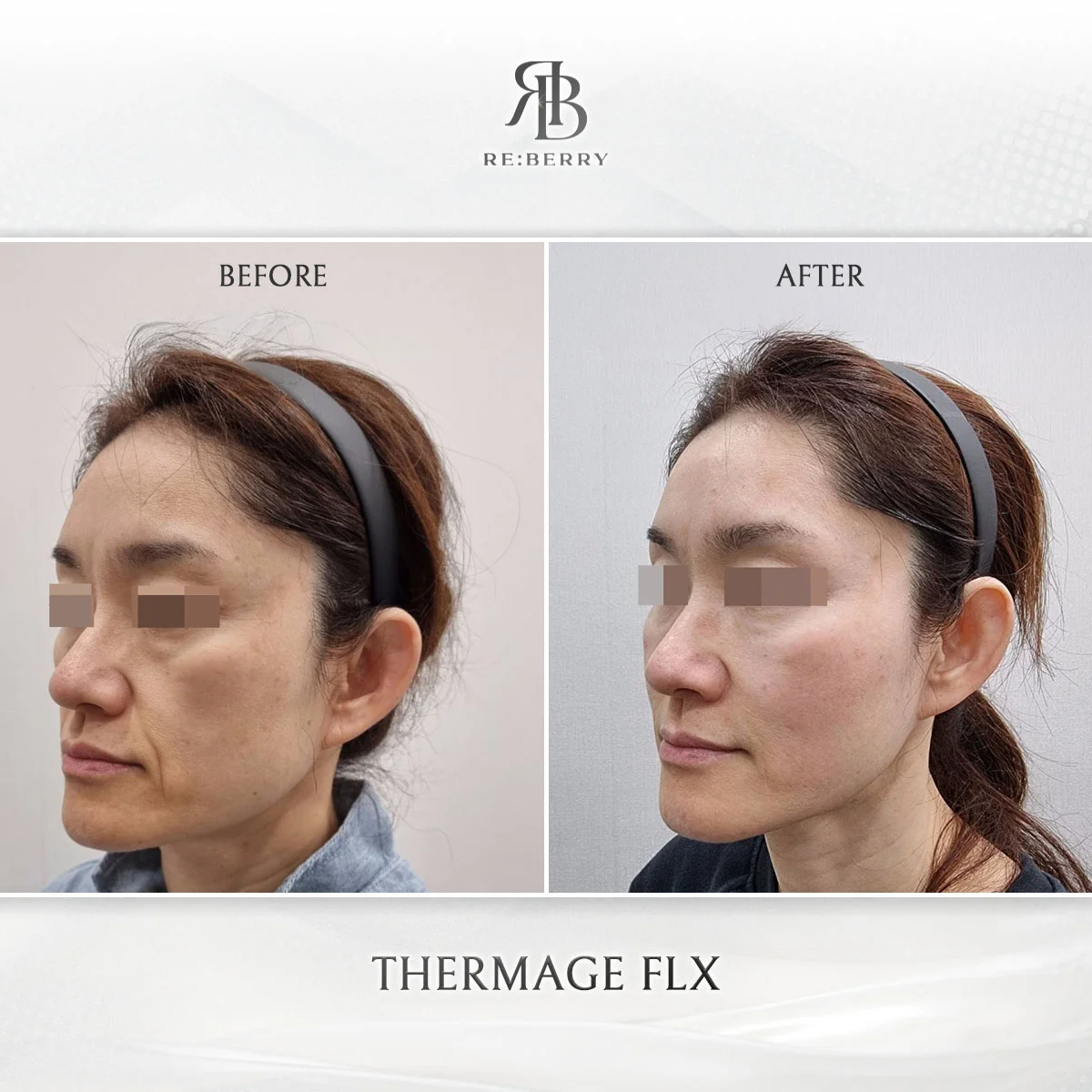
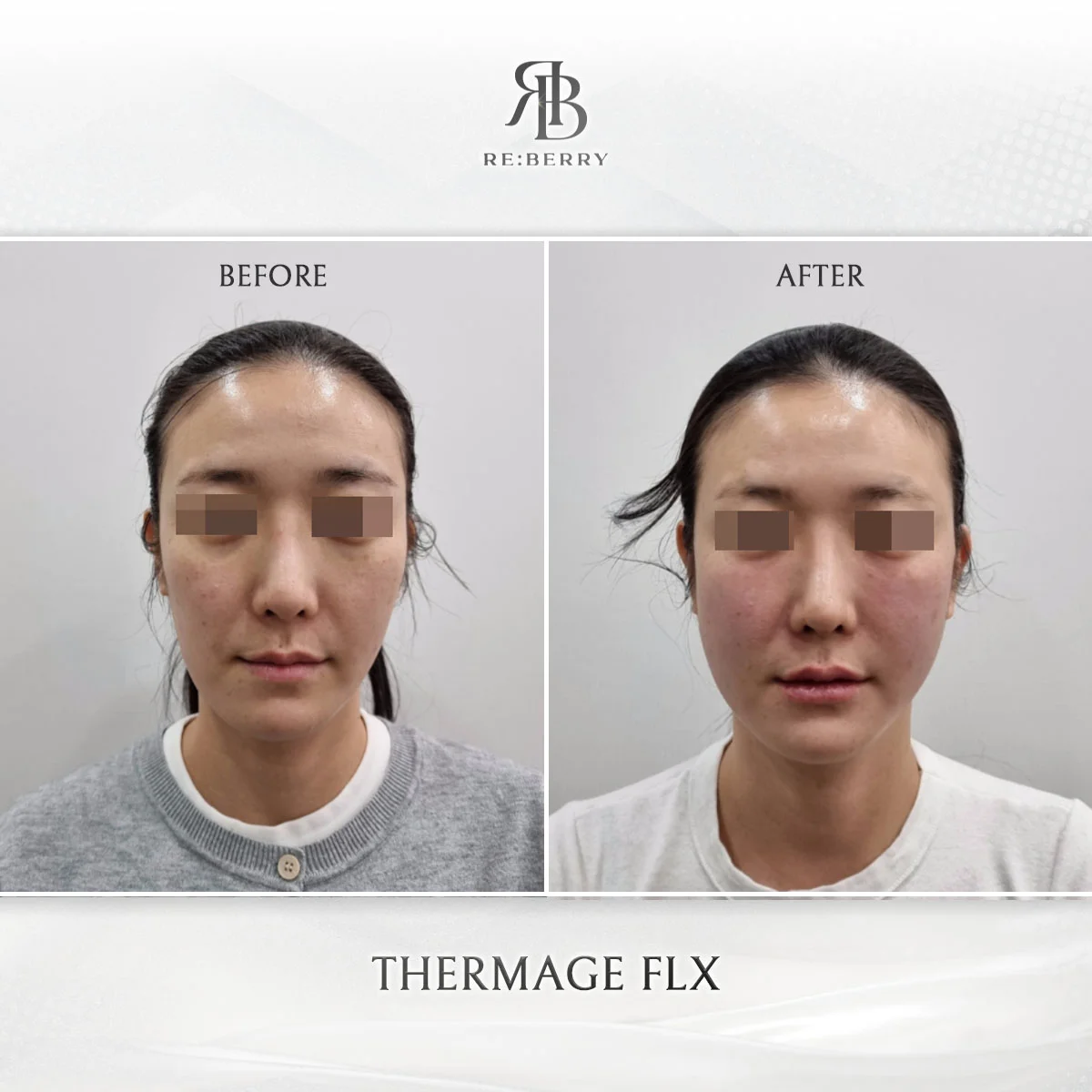
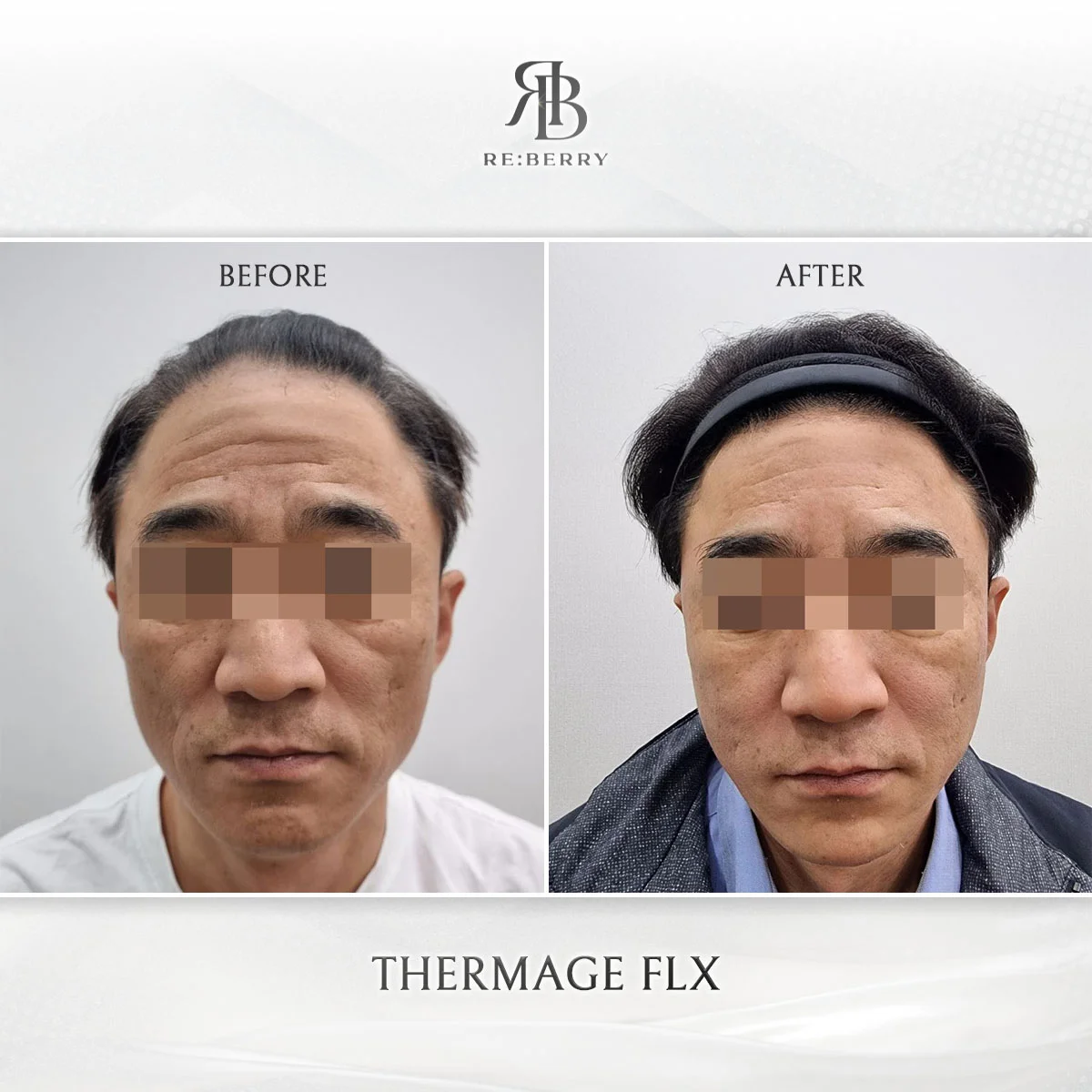
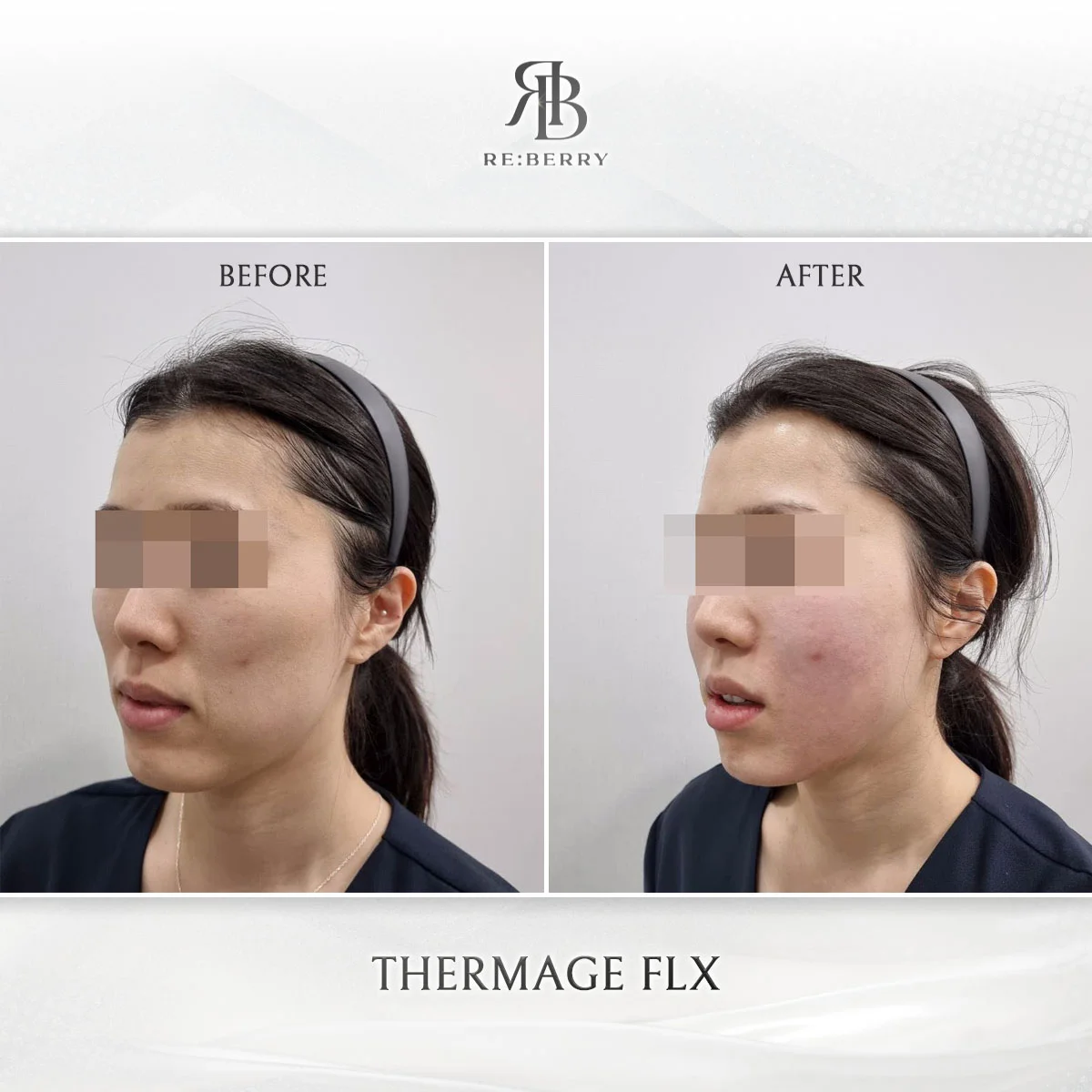
※ Photos are published with the patient’s consent and show the same person before and after treatment. Timing and conditions are as stated; images are unretouched. Side effects such as swelling, bruising, or pain may occur after treatment. Individual results may vary.
Treatment Process
XERF Lifting — 4 Steps from Consultation to Aftercare
※ Illustrative images are AI-generated to help explain the treatment process.Effects & Progress
Effects & Progress
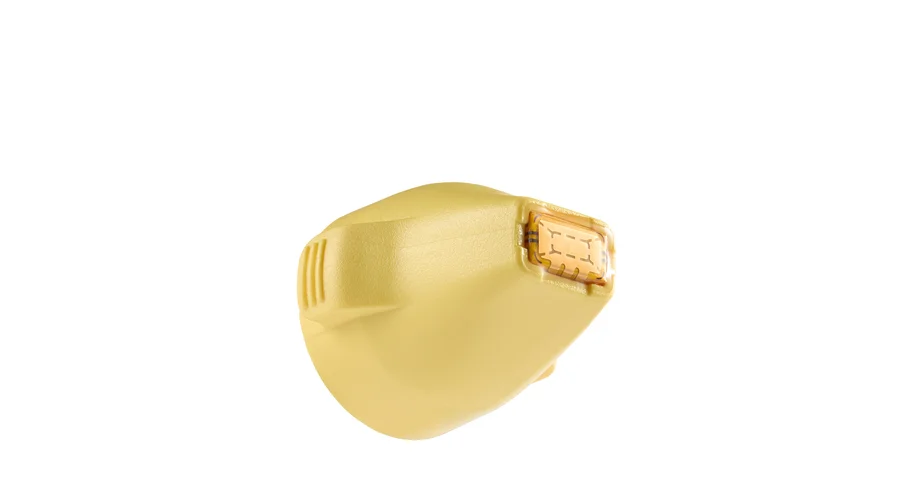
By combining 6.78MHz (shallower penetration) and 2MHz (deeper penetration) monopolar RF, XERF selects the optimal depth per facial zone in a single session. Energy reaches the SMAS layer for structural lifting while simultaneously stimulating dermal collagen — developed in Korea, FDA-cleared in the US in 2025.
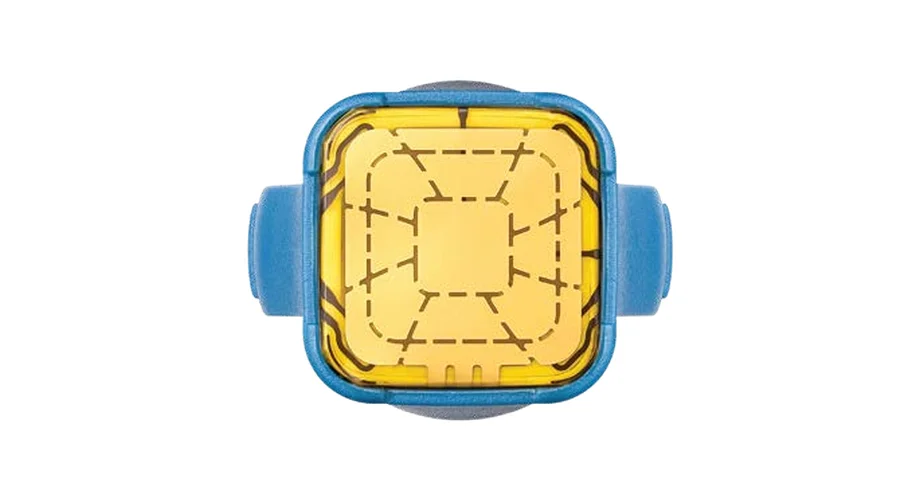
The patent-pending spider-pattern electrode design distributes RF current uniformly, avoiding concentration at contact points. Combined with real-time impedance feedback, this maintains consistent energy delivery across curved and irregular facial surfaces, supporting even collagen remodeling throughout the treatment zone.
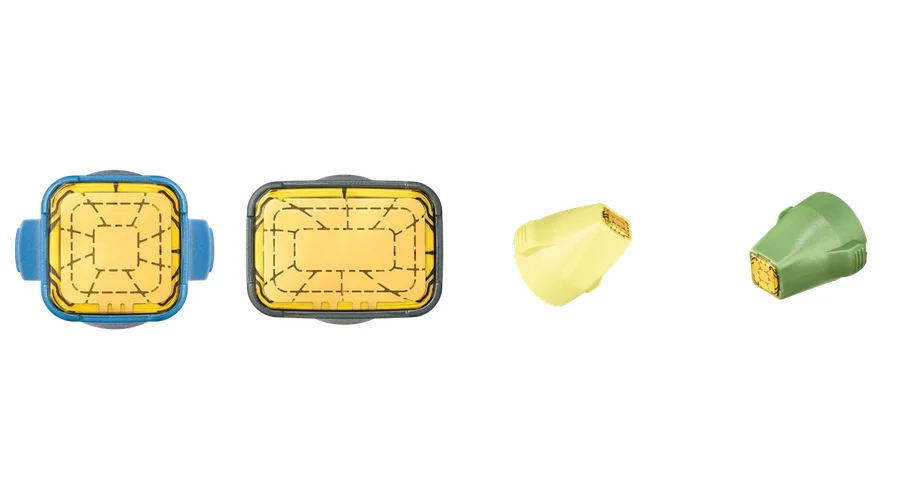
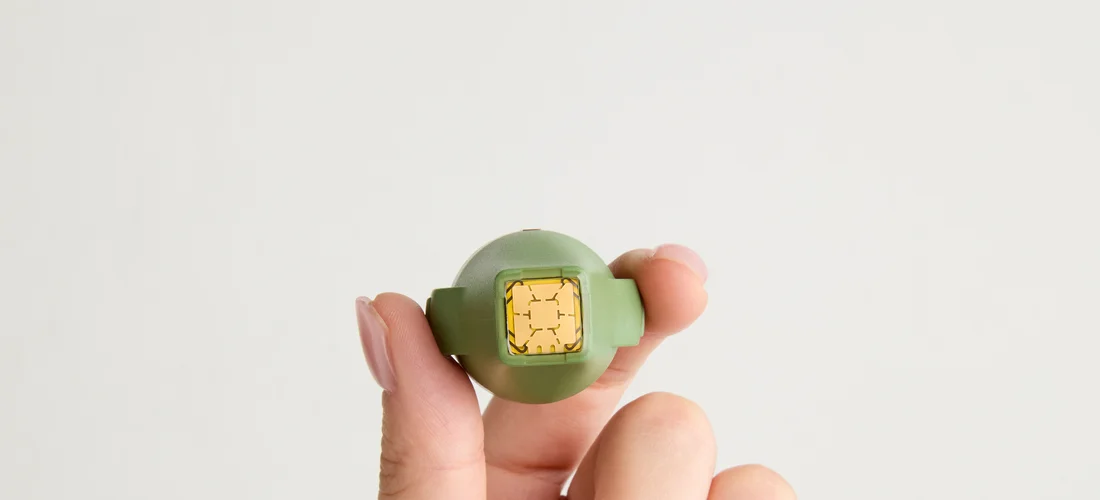
The XERF effector system includes four tip sizes: 05 (5×10mm, narrow zones and delicate areas), 10 (10×10mm, curved contours), 40 (20×20mm, mid-face coverage), and 60 (20×30mm, broad areas, up to 600 shots). The physician selects tips per zone within a single session, adapting energy and coverage to your anatomy.

XERF combines two mechanisms: immediate tissue contraction from RF heat (visible firming at session end) and progressive collagen remodeling that develops over 1–3 months as fibroblasts produce new collagen and elastin. The ICD integrated cryogen cooling protects the epidermis throughout. No injections, no incisions, and no required recovery time.
Before & After
XERF Lifting Results at RE:BERRY Myeongdong
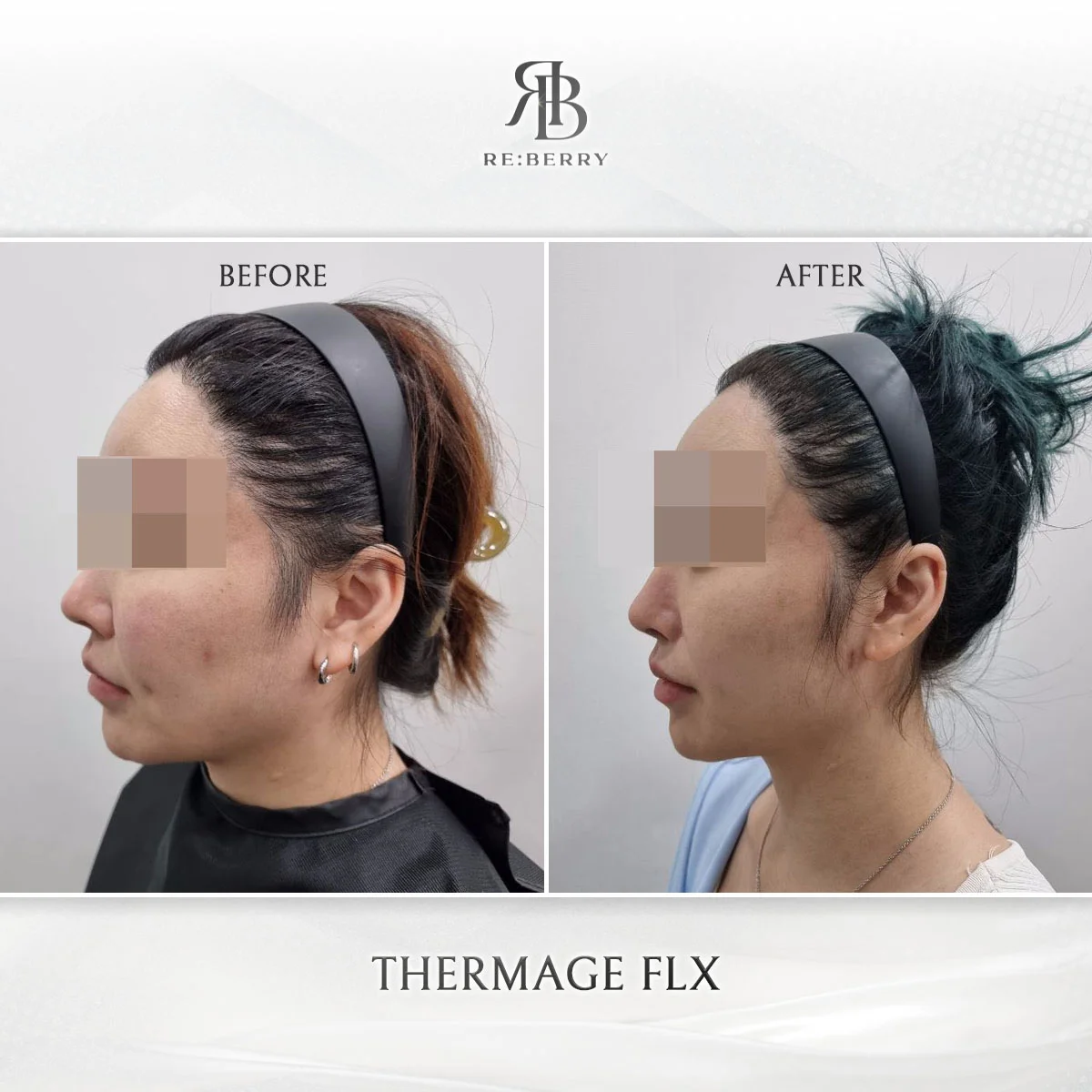
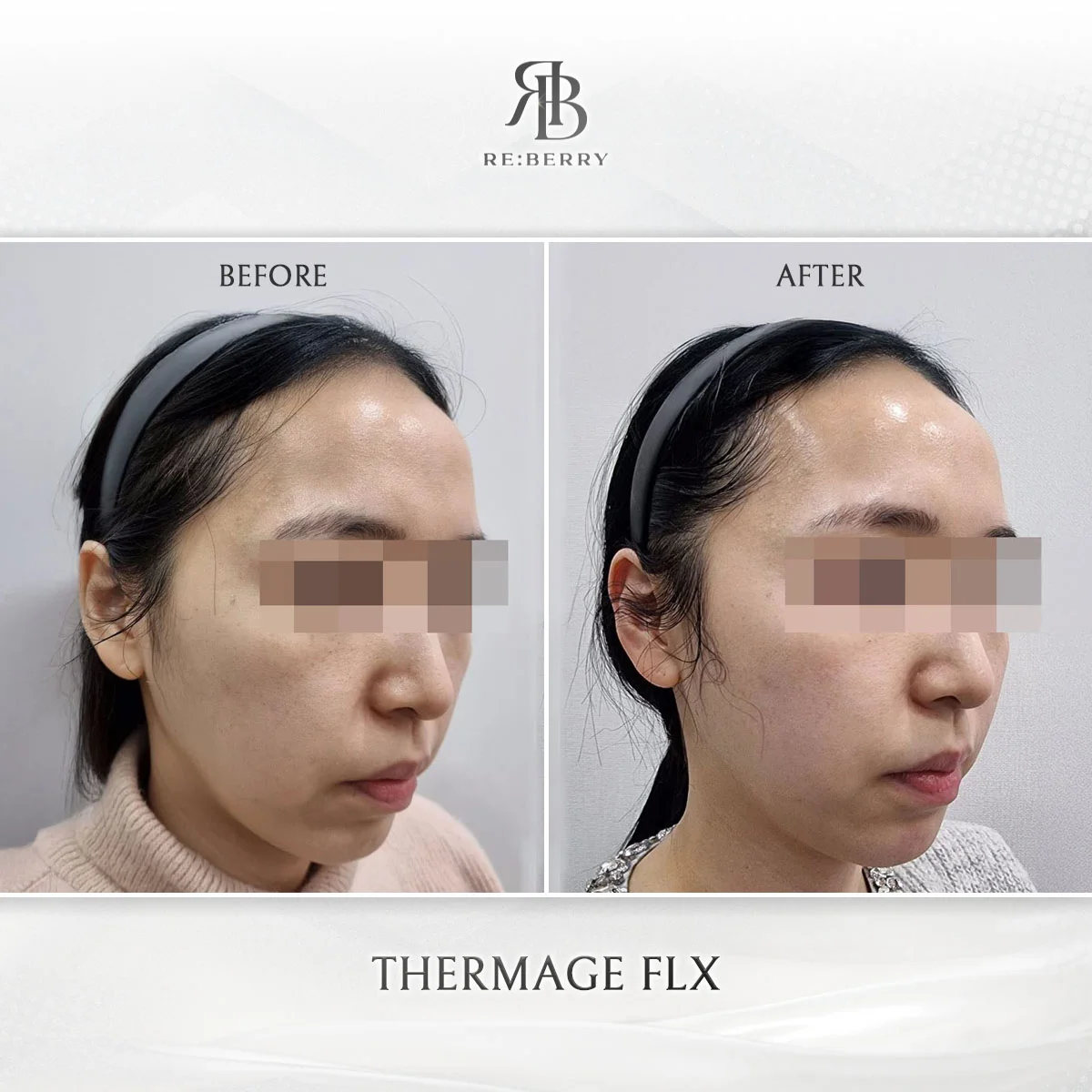
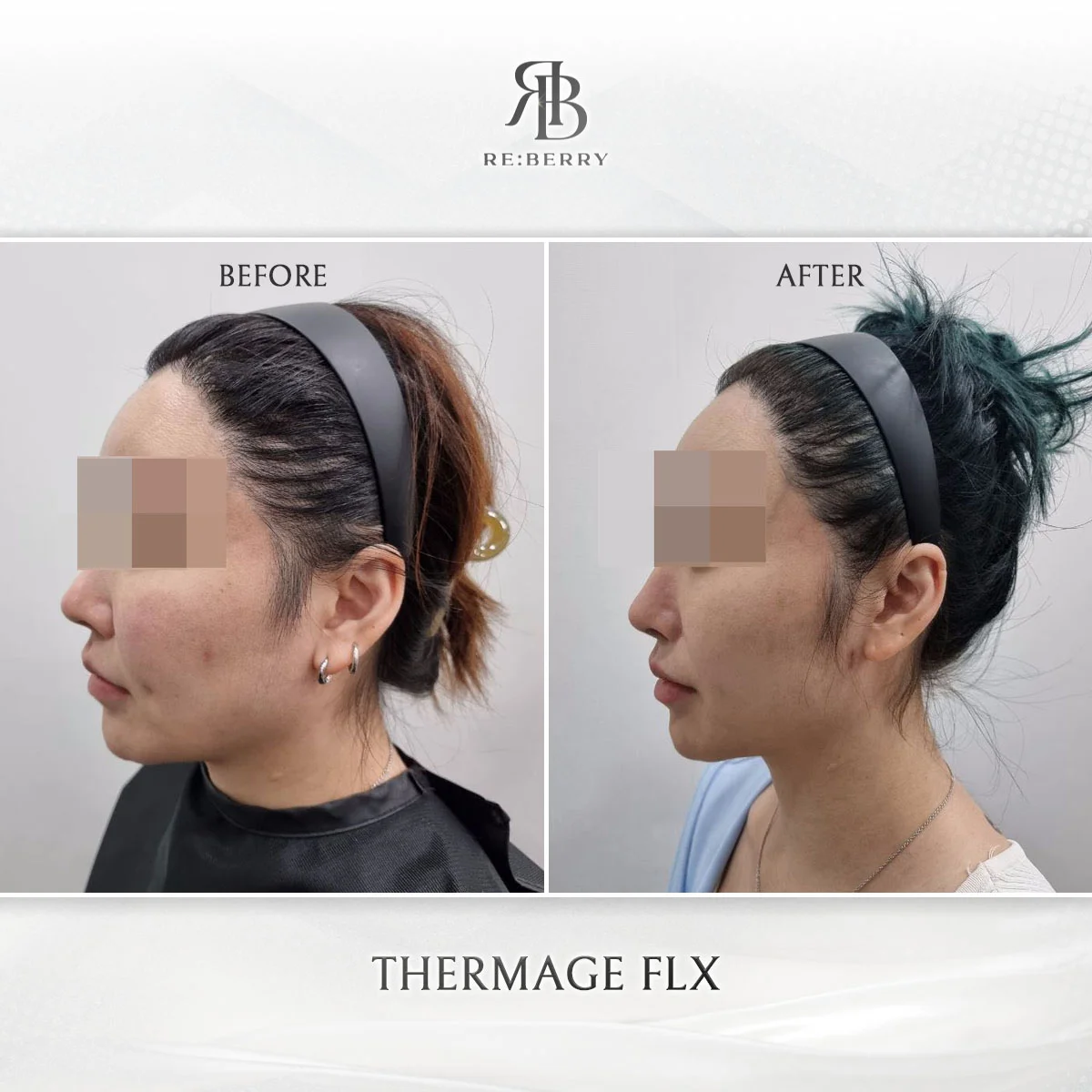
※ Photos are published with the patient's consent and show the same person before and after treatment. Timing and conditions are as stated; images are unretouched. Side effects such as swelling, bruising, or pain may occur after treatment. Individual results may vary.
Treatment Process
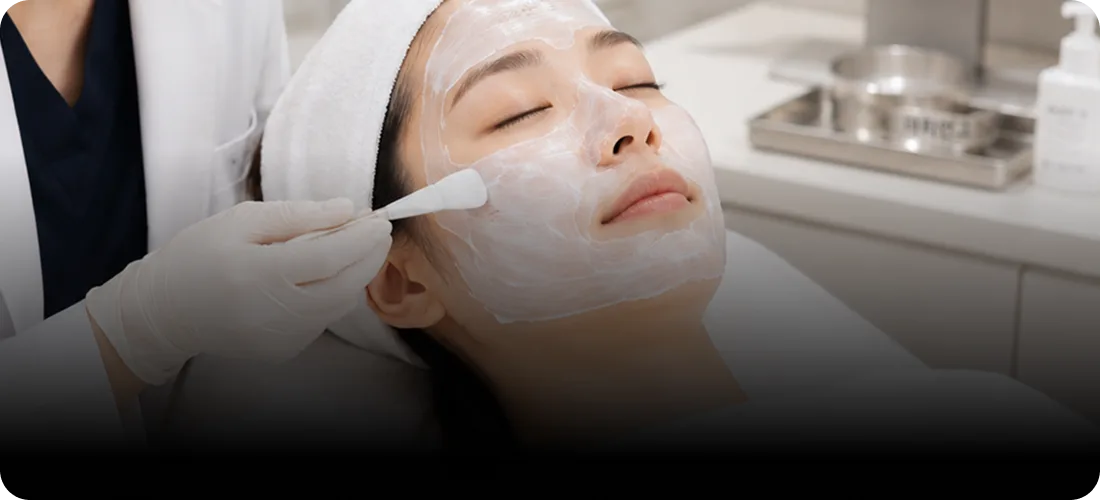
XERF Lifting — 4 Steps from Consultation to Aftercare
※ Illustrative images are AI-generated to help explain the treatment process.
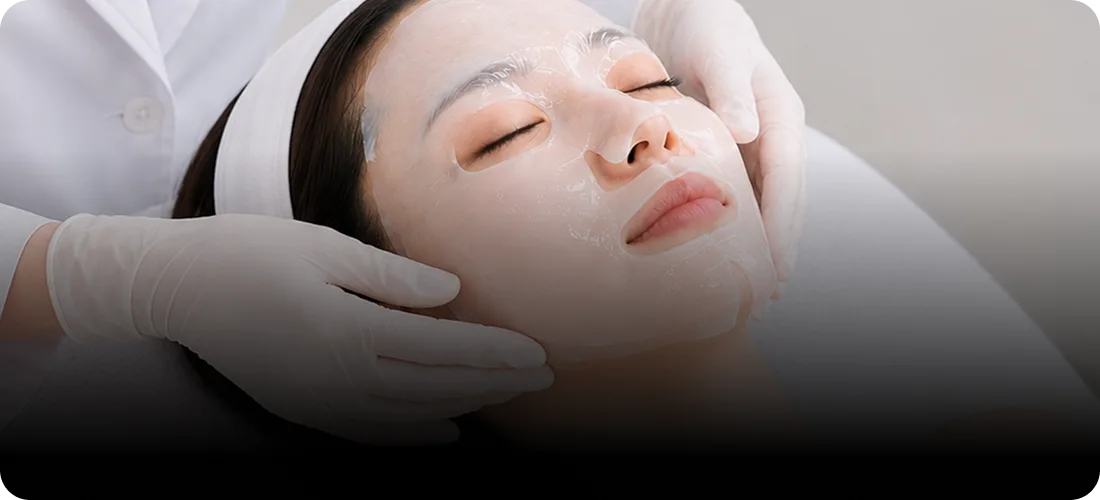
XERF vs Thermage FLX Myeongdong Seoul Korea — What Each Platform Brings
- XERF: dual-frequency output (6.78MHz + 2MHz) with 3 selectable depth layers — the 2MHz channel reaches the SMAS plane, allowing depth re-programming zone by zone within one XERF vs Thermage FLX Myeongdong Seoul Korea session
- Thermage FLX: single-frequency 6.78MHz monopolar RF with AccuREP energy verification and a low-energy multi-pass algorithm validated in a 5,700-patient published survey (Dover 2007) — the deepest evidence base in monopolar RF
- Both devices at RE:BERRY Myeongdong are genuine, registered units — XERF MFDS-cleared 2024 and FDA-cleared 2025, installed in 2,000+ clinics worldwide as of June 2026; Thermage FLX with verifiable tip serials
- Comfort engineering differs, not quality: XERF pairs ICD cryogen cooling with Wave Fit variable pulses and impedance feedback; Thermage FLX pairs integrated cooling with vibration — both designed for treatment without injections
- 0 days downtime on either path — 15-30 minute XERF sessions or a Thermage FLX full-face pass protocol, then same-day return to Myeongdong shopping, work, or an evening flight from Incheon
- One Aesthetic Medicine Specialist (Dr. Seung-Jae Baek, Lic. 143338) performs consultation, treatment, and 4-week follow-up for both devices — KHIDI 2025 reports 41.4% of Japanese patients rank same-doctor continuity as their #1 clinic-selection factor
- K-origin access: XERF was developed in Korea and launched in Korea in May 2024 before its 2025 North American rollout — Myeongdong patients treat in the technology's home market, at Korean pricing confirmed in consultation
| Timeline | What to Expect |
|---|---|
| 60-90 minute consultation, device matching, then 15-30 minutes of XERF dual-frequency delivery or the Thermage FLX 600-shot pass protocol. Immediate collagen fiber contraction is visible with both. Mild warmth and transient flush resolve in 1-2 hours — 91% of patients resume normal activities the same day in the XERF vs Thermage FLX Myeongdong Seoul Korea program. | |
| Cosmetics and normal routines from day 1 for both devices. Avoid alcohol, intense exercise, saunas, and hot baths for 1 week per RE:BERRY written aftercare. No wound care exists on either XERF vs Thermage FLX Myeongdong Seoul Korea path because no skin barrier is broken — monopolar RF is non-ablative. | |
| Dermal fibroblasts respond to the controlled thermal stimulus with early-phase collagen synthesis at the depths each device heated — dermal layers for the 6.78MHz channel, SMAS-adjacent tissue where XERF's 2MHz mode was applied. The 4-week WhatsApp photo review compares against baseline 5-angle photography for every XERF vs Thermage FLX Myeongdong Seoul Korea patient. | |
| New collagen and elastin integrate into the dermal matrix — this is when the full lifting response of either device becomes visible. Histology of monopolar RF-treated tissue shows measurable dermal collagen density increases at 90 days, the shared biological endpoint of the XERF vs Thermage FLX Myeongdong Seoul Korea comparison. | |
| Monopolar RF tightening results are typically sustained through 6-12 months with individual variation — no permanence claims apply to either platform. Maintenance timing, or alternating devices across sessions for different depth emphasis, is planned individually with Dr. Baek at the follow-up review. |
XERF vs Thermage FLX Myeongdong Seoul Korea — Side-by-Side, No Winner Declared
| Feature | XERF (RE:BERRY Myeongdong) | Thermage FLX (RE:BERRY Myeongdong) | Source |
|---|---|---|---|
| Energy Category | Monopolar RF — dual frequency 6.78MHz + 2MHz | Monopolar RF — single frequency 6.78MHz | MFDS / FDA device clearances |
| Depth Strategy | 3 software-selectable layers (Shallow / Middle / Deep) — 2MHz channel reaches the SMAS plane | Depth defined by tip selection; volumetric dermal heating | Manufacturer specifications |
| Energy Control | 10 energy levels + Wave Fit variable pulse + real-time impedance feedback | AccuREP automatic energy calibration at each placement | Manufacturer specifications |
| Surface Cooling & Comfort | ICD integrated cryogen cooling; designed for comfortable treatment, topical numbing optional | Integrated cooling + vibration handpiece | Manufacturer specifications |
| Tip System | EFFECTOR 05 / 10 / 40 / 60 + next-gen i05/i10; spider-pattern electrode (patent pending); large tips run 600 shots | Dedicated eye, face, and body tips with verifiable serials | Manufacturer specifications |
| Evidence Base | Newer platform (Korea launch May 2024) — leans on the broader monopolar RF literature while device-specific data accumulates | Two decades of published monopolar RF outcomes, including a 5,700-patient multi-pass survey (Dover 2007) | Peer-reviewed literature |
| Regulatory Timeline & Origin | Developed in Korea; MFDS-cleared Jan 2024, Korea launch May 2024, FDA-cleared Aug 2025, 2,000+ installs worldwide (Jun 2026) | US-origin platform, FDA-established, in worldwide clinical use for years | Manufacturer PR 2026; FDA records |
| Session Pricing at RE:BERRY | 300-shot and 600-shot configurations — confirmed at consultation, VAT terms explained in writing | 600-shot full-face protocol — confirmed at consultation, VAT terms explained in writing | RE:BERRY verified |
Why This Matters
The XERF vs Thermage FLX Myeongdong Seoul Korea comparison is generational, not hierarchical — XERF adds a second frequency (2MHz) for depth-selective SMAS-plane heating, while Thermage FLX carries the largest published outcomes record in monopolar RF, including the 5,700-treatment Dover 2007 survey. RE:BERRY Myeongdong runs both as genuine registered units, so the consultation weighs new depth flexibility against established protocol data for your specific anatomy. Source: FDA/MFDS records; peer-reviewed literature.
Doctor continuity affects monopolar RF outcomes because energy titration is judgment-driven on both devices. KHIDI's 2025 Medical Tourism Survey found 41.4% of Japanese patients rank 'same doctor throughout treatment' as their #1 priority when choosing a Korean clinic. At RE:BERRY Myeongdong, the same Aesthetic Medicine Specialist handles the XERF vs Thermage FLX Myeongdong Seoul Korea consultation, delivery, and 4-week follow-up — no rotation between the two device rooms.
Korea's average outpatient consultation is 4.3 minutes — the OECD's shortest (16.4-minute average). RE:BERRY's 60-90 minute XERF vs Thermage FLX Myeongdong Seoul Korea consultation runs 15-20x that national average, which is what makes accurate device matching possible: depth mapping across 5 facial zones takes longer than a walk-in clinic's entire appointment. Source: OECD Health Statistics 2023.
October 2026 Promotions
Exclusive packages for international patients. Swipe to see all offers.

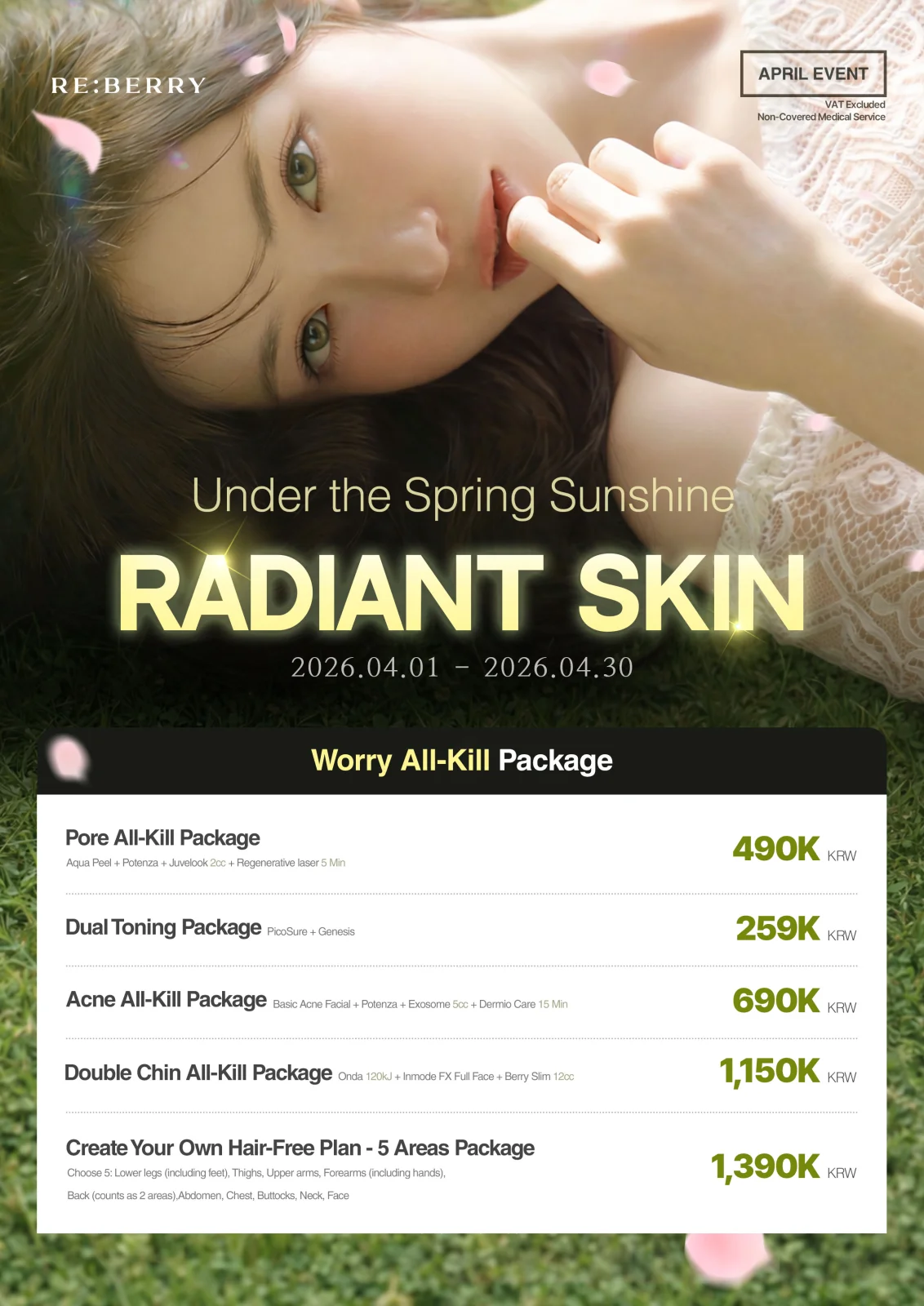
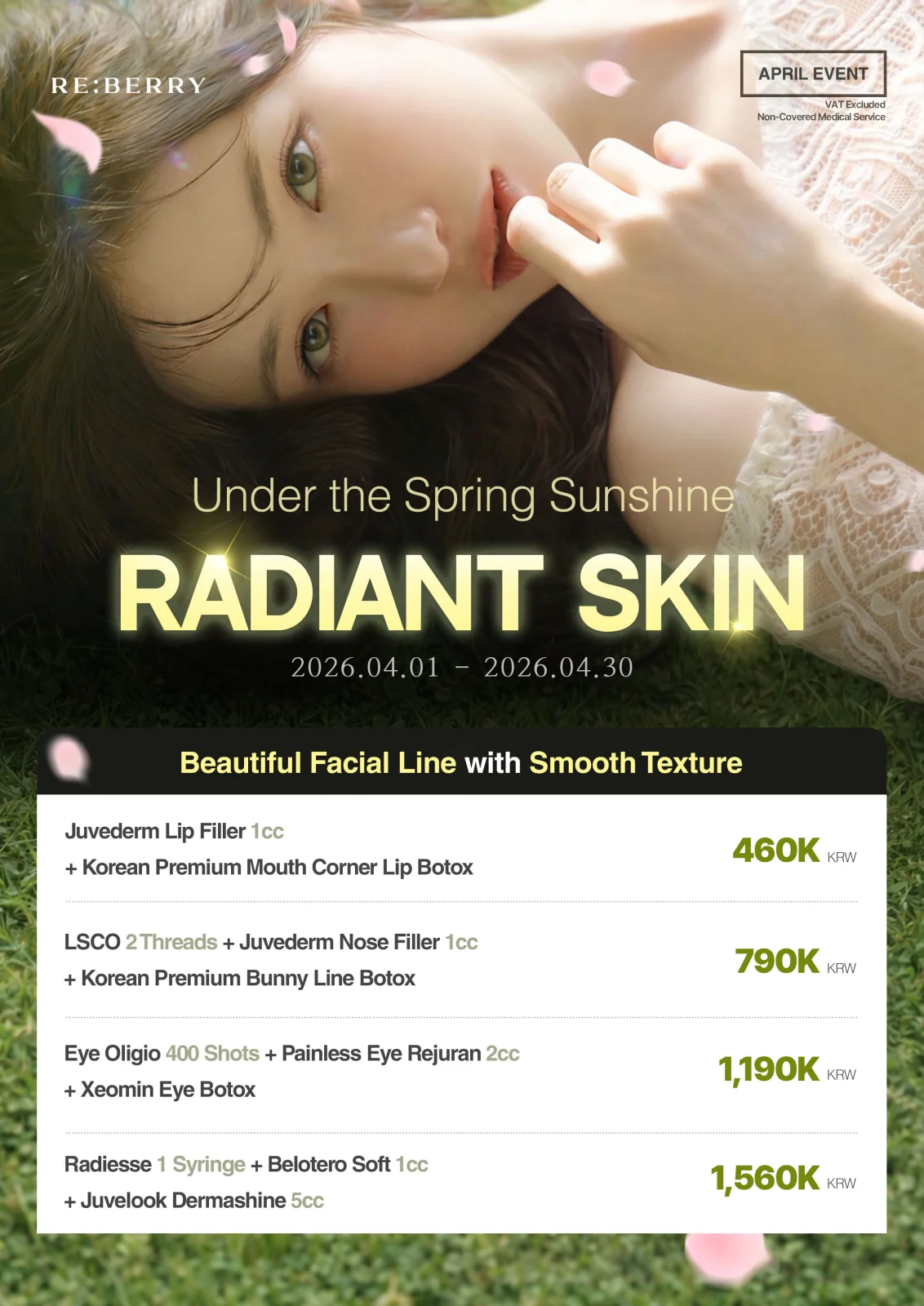
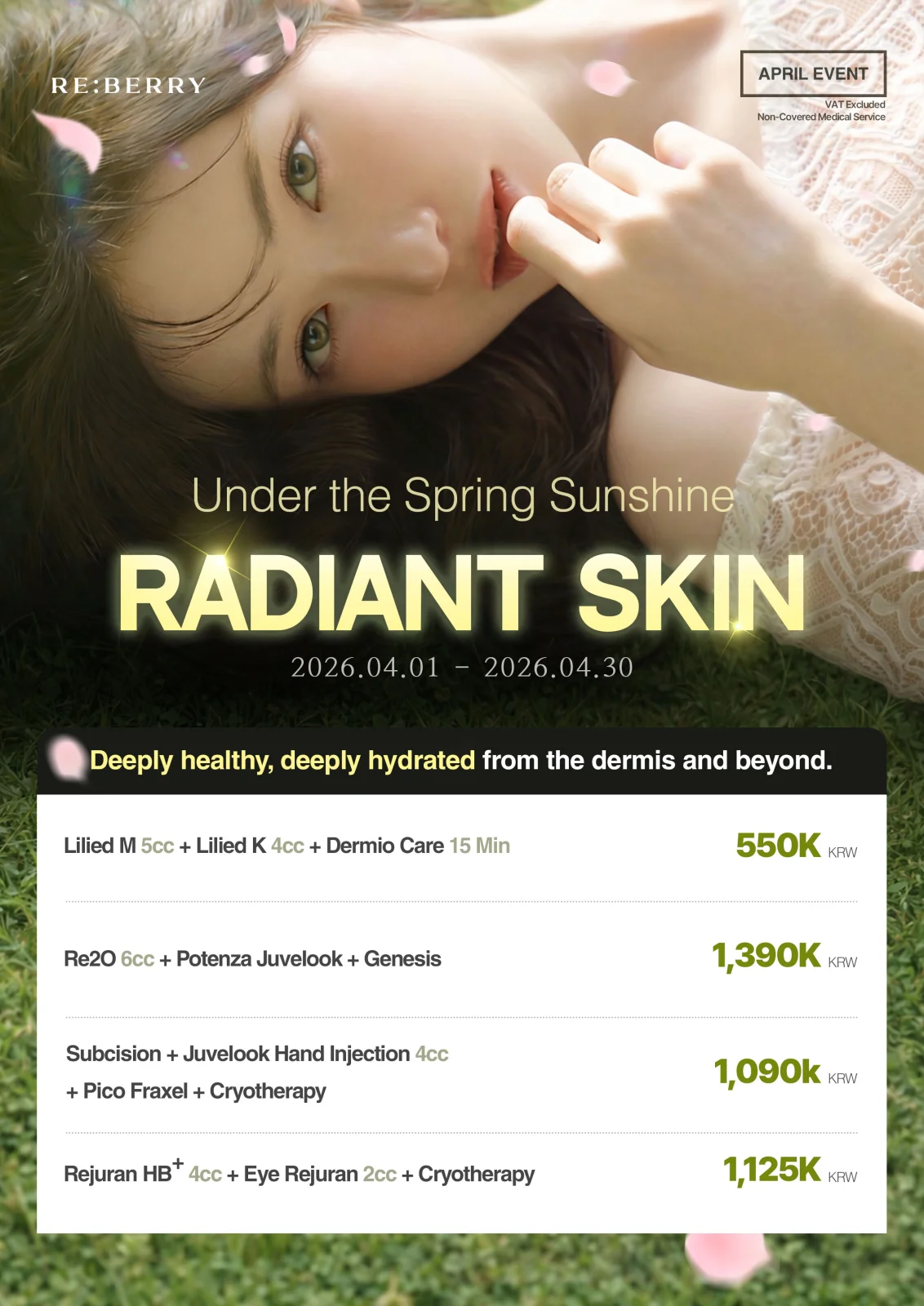
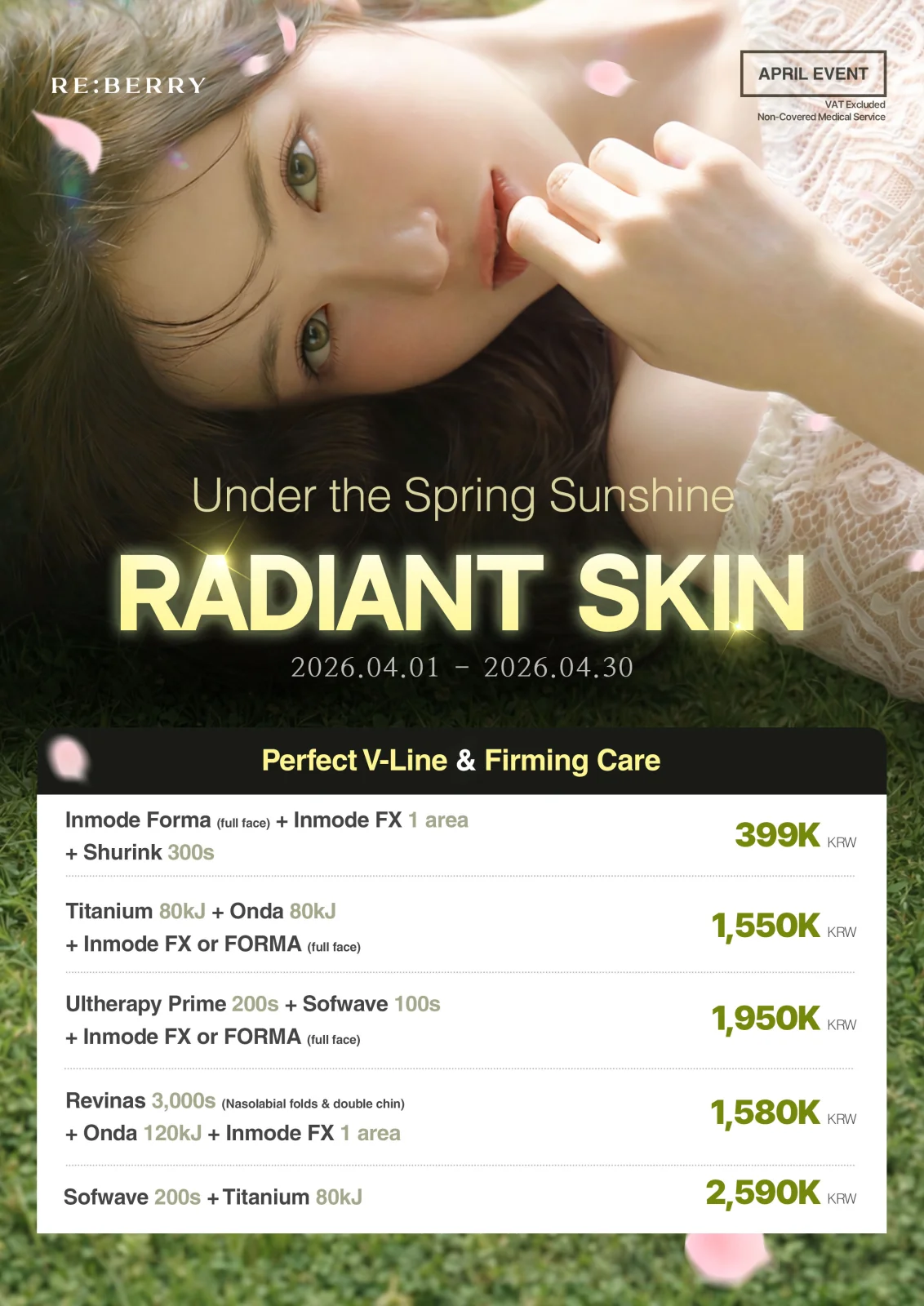
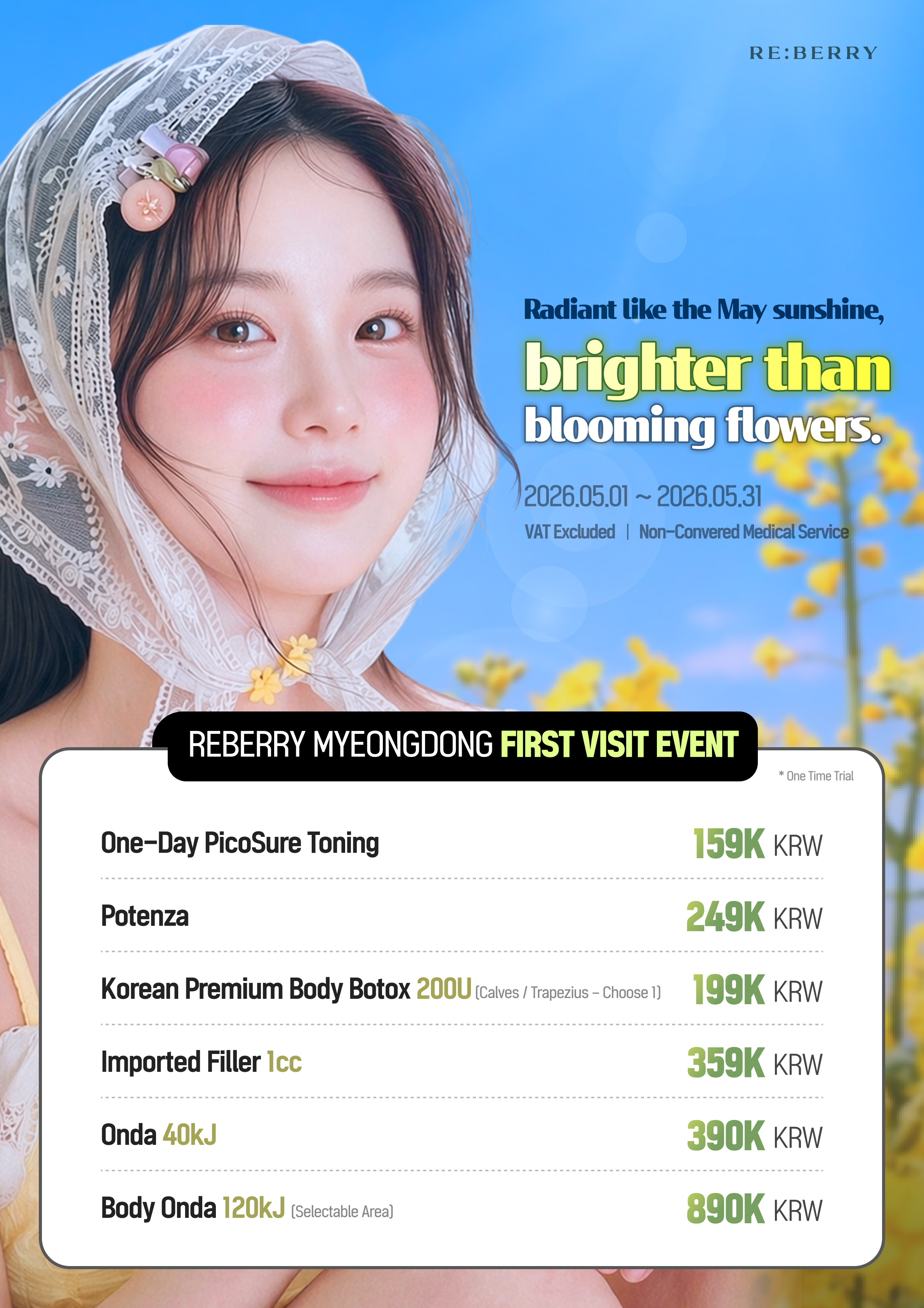

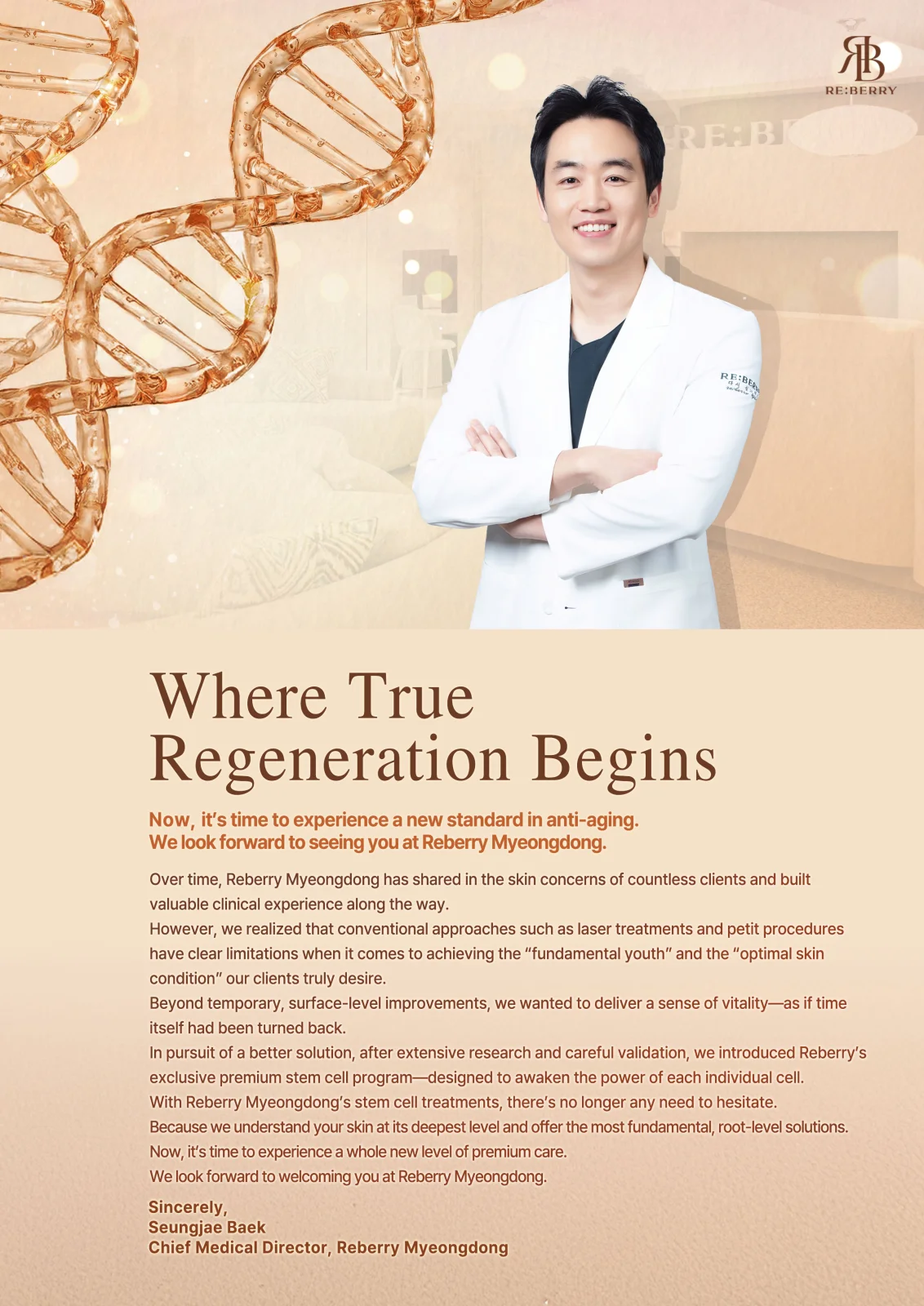
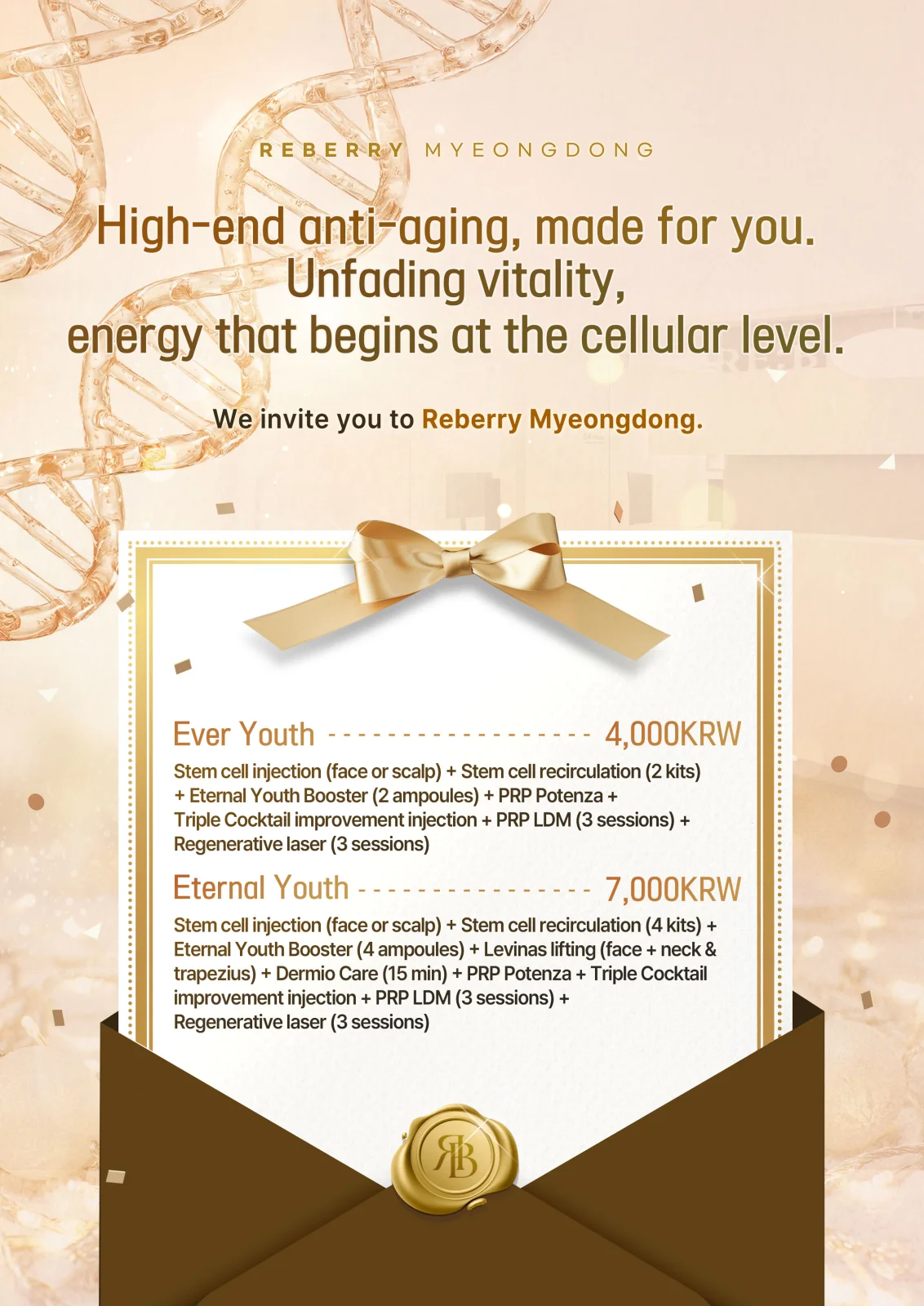
XERF vs Thermage FLX Myeongdong Seoul Korea — Session Options at RE:BERRY
Your XERF vs Thermage FLX Myeongdong Seoul Korea Specialist
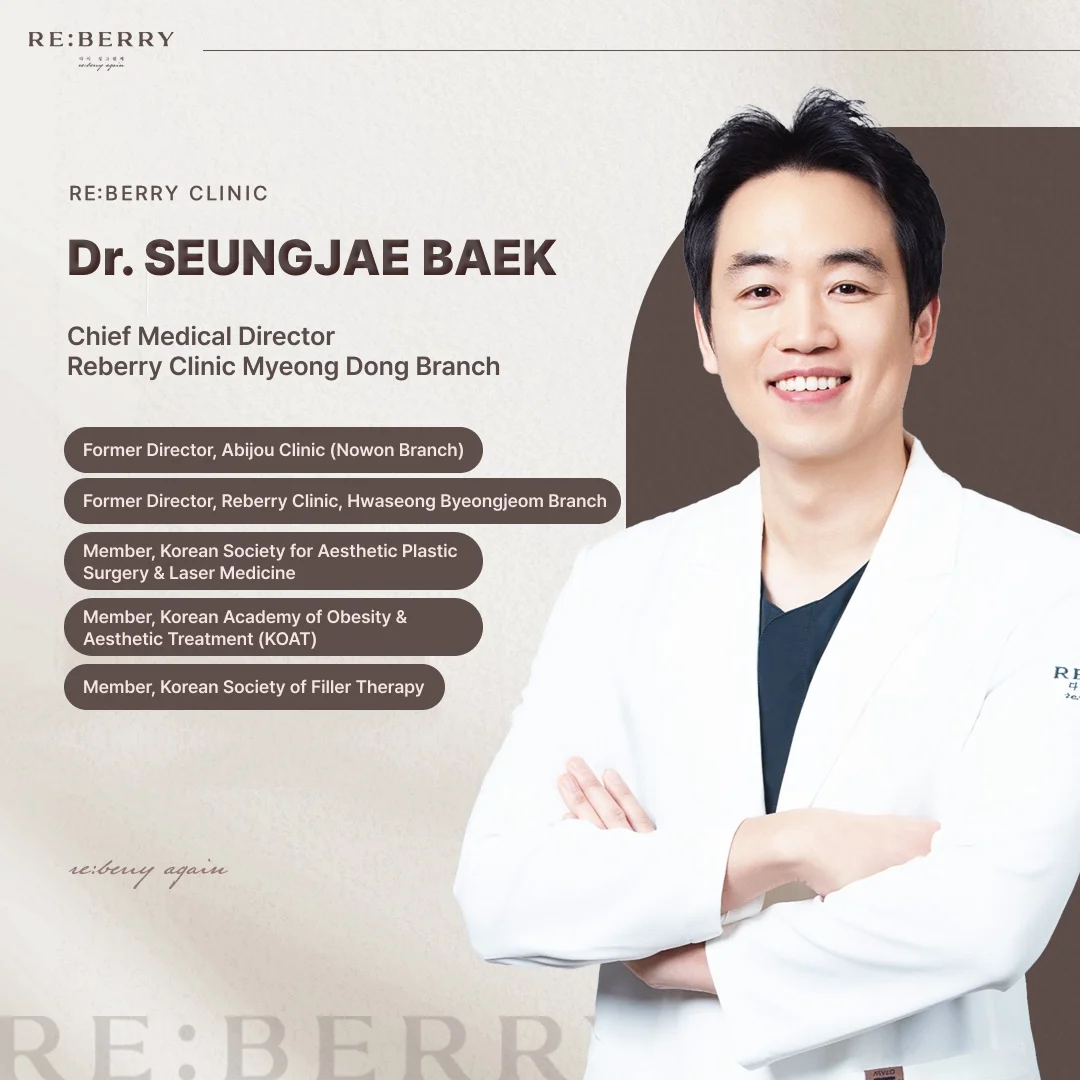
Dr. Seung-Jae Baek
- Head Director, RE:BERRY Clinic Myeongdong
- Aesthetic Medicine Specialist — Korean Ministry of Health and Welfare Medical License No. 143338
- Juvelook Certified Meister & Speaker (HansBiomed)
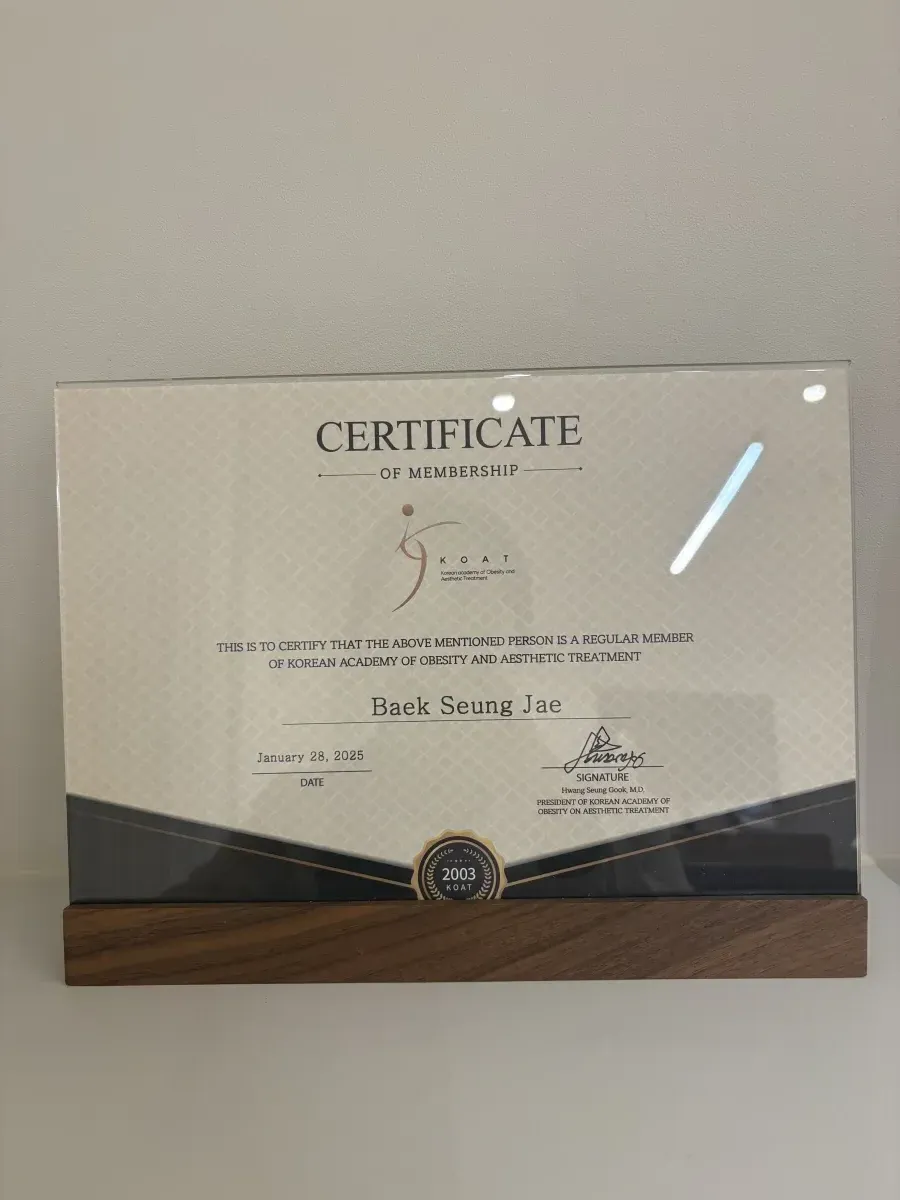
- Member, Korean Academy of Aesthetic Medicine
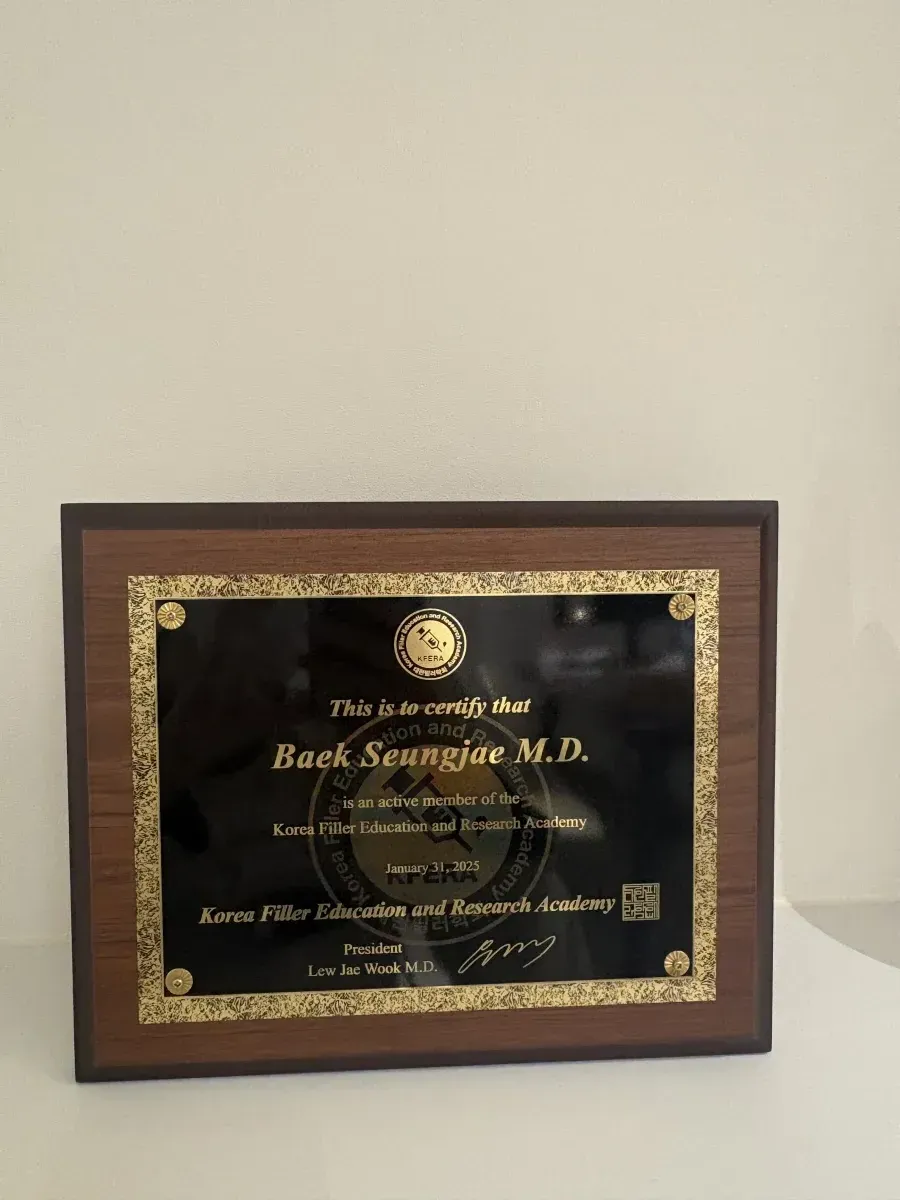
- Member, Korean Filler Education and Research Academy (KFERA)
- KHIDI Foreign Patient Attraction Registration M-2025-01-08-8519
Medically reviewed by Dr. Seung-Jae Baek, Head Director / Aesthetic Medicine Specialist, RE:BERRY
The Science Behind XERF vs Thermage FLX Myeongdong Seoul Korea
Shared Mechanism: Monopolar RF Volumetric Heating
Both sides of the XERF vs Thermage FLX Myeongdong Seoul Korea comparison rely on the same biophysics: monopolar radiofrequency current passes from the handpiece electrode through tissue toward a return pad, and tissue resistance converts electrical energy to heat. Collagen fibrils heated into the 60-70°C range undergo immediate triple-helix contraction — the visible day-of tightening — while sub-denaturation heating of surrounding tissue triggers fibroblast activation. Controlled human biopsy work has documented measurable dermal collagen density increases at 90 days after monopolar RF, and a 2011 evidence-based review (el-Domyati) confirmed dermal remodeling with increased collagen types I and III following radiofrequency facial treatment. This shared endpoint is why the XERF vs Thermage FLX Myeongdong Seoul Korea decision turns on depth strategy and protocol style rather than on mechanism.
Where They Differ: Frequency-Dependent Depth Physics
Tissue electrical impedance is frequency-dependent — lower frequencies penetrate deeper at equivalent power because impedance falls with depth-relevant tissue composition. Thermage FLX applies a single 6.78MHz frequency and steers depth through tip architecture and its AccuREP system, which recalibrates energy at each of the placements in a 600-shot full-face session. XERF adds a 2MHz channel to the same 6.78MHz baseline, giving 3 selectable heating layers (Shallow, Middle, Deep) so that SMAS-plane delivery and superficial dermal tightening can be assigned zone by zone within one 15-30 minute session. The multi-source radiofrequency concept has Korean clinical support: a 12-week prospective Korean study (Suh 2017, n=15 evaluable protocol) reported objective skin-tightening improvement with a multi-frequency RF system in Korean patients — directly relevant to the Asian skin phototypes III-V that dominate XERF vs Thermage FLX Myeongdong Seoul Korea consultations.
Protocol Evidence: Multi-Pass Low Energy vs Adaptive Pulse Control
Thermage FLX inherits the strongest protocol dataset in monopolar RF. A 14-physician consensus survey of 5,700 monopolar RF treatments (Dover 2007) established the low-energy, multiple-pass technique as the modern standard, reporting 87% of physicians observed immediate tightening and 92% observed tightening at 6 months under the revised algorithm. Ultrastructural work (Kist 2006) demonstrated that multiple low-energy passes produce collagen changes at 3 tissue depths comparable to or exceeding single high-energy passes, with better tolerability. XERF's engineering answers the same tolerability problem differently — Wave Fit variable pulses modulate delivery against real-time impedance feedback while ICD cryogen cooling holds the epidermal surface temperature down during deep heating. In the XERF vs Thermage FLX Myeongdong Seoul Korea comparison, one platform validates comfort and efficacy through decades of accumulated protocol literature, the other through adaptive hardware control — both non-ablative, both needle-free.
Safety Profile Across Skin Types
Monopolar RF does not target melanin, which is why the modality's safety record spans Fitzpatrick skin types I-VI — a decisive point for the Asian phototype III-V patients who make up most XERF vs Thermage FLX Myeongdong Seoul Korea cases at RE:BERRY. A prospective multicenter fractional-RF trial (Alexiades-Armenakas 2013, n=100 treatment sites) reported laxity improvement in the majority of treated patients with no serious adverse events, consistent with the broader RF literature. On both devices at RE:BERRY Myeongdong, surface cooling systems keep epidermal temperature controlled during delivery, and Dr. Baek screens contraindications — implanted electronic devices, pregnancy, active skin infection — during the 60-90 minute consultation before either platform is scheduled.
Peer-Reviewed Citations
Dover JS, Zelickson B; 14-Physician Multispecialty Consensus Panel. Results of a survey of 5,700 patient monopolar radiofrequency facial skin tightening treatments: assessment of a low-energy multiple-pass technique leading to a clinical end point algorithm. Dermatol Surg. 2007;33(8):900-907. doi:10.1111/j.1524-4725.2007.33191.x
Kist D, Burns AJ, Sanner R, Counters J, Zelickson BD. Ultrastructural evaluation of multiple pass low energy versus single pass high energy radio-frequency treatment. Lasers Surg Med. 2006;38(2):150-154. doi:10.1002/lsm.20303
el-Domyati M, el-Ammawi TS, Medhat W, Moawad O, Brennan D, Mahoney MG, Uitto J. Radiofrequency facial rejuvenation: evidence-based effect. J Am Acad Dermatol. 2011;64(3):524-535.10.06.045
Suh DH, Byun EJ, Kim JE, Lee SJ, Ryu HJ. Comparative study of the effects of a new multi-source radiofrequency system on skin tightening: a 12-week follow-up study. J Korean Med Sci. 2017;32(3):510-516.
Alexiades-Armenakas M, Newman J, Willey A, Kilmer S, Goldberg D, Garden J, et al. Prospective multicenter clinical trial of a minimally invasive temperature-controlled bipolar fractional radiofrequency system for rhytid and laxity treatment. Dermatol Surg. 2013;39(2):263-273. doi:10.1111/dsu.12065
XERF vs Thermage FLX Myeongdong Seoul Korea — Frequently Asked Questions
Who performs XERF and Thermage FLX treatments at RE:BERRY Clinic Myeongdong?
Dr. Seung-Jae Baek (Korean Ministry of Health and Welfare Medical License No. 143338), Head Director and Aesthetic Medicine Specialist, performs the XERF vs Thermage FLX Myeongdong Seoul Korea consultation, device delivery, and follow-up on both platforms. RE:BERRY Clinic Myeongdong holds KHIDI foreign-patient registration M-2025-01-08-8519 and operates 365 days per year, 2 minutes from Myeongdong Station Line 4 Exit 8.
Is the same doctor assigned across my whole XERF or Thermage FLX process?
Yes — RE:BERRY Myeongdong uses a same-doctor model for both RF platforms: one Aesthetic Medicine Specialist handles your 60-90 minute mapping consultation, the treatment itself, and the 4-week WhatsApp photo review. KHIDI's 2025 survey found 41.4% of Japanese patients rank same-doctor continuity as their #1 factor when choosing a Korean clinic, well ahead of the 7.2% who rank price first.
How much does XERF vs Thermage FLX cost in Myeongdong Seoul Korea in 2026?
Pricing for both devices at RE:BERRY Myeongdong is confirmed at consultation with a written quote — XERF is offered in 300-shot and 600-shot configurations and Thermage FLX as a 600-shot full-face protocol. For market context, Korean aesthetic procedures cost 40-70% less than the US and 30-50% less than Japan on the same cleared devices (KHIDI 2025).
| Option | Configuration | Pricing |
|---|---|---|
| XERF | 300 or 600 shots | Consultation required |
| Thermage FLX | 600 shots full face | Consultation required |
Is monopolar RF cheaper in Korea than in the US or Japan?
Yes — Korean clinics price monopolar RF 40-70% less than comparable US sessions and 30-50% less than Japan while using the same FDA/MFDS-cleared hardware (KHIDI 2025, ASDS Annual Survey). Seoul's volume advantage is structural: Korea recorded 2,011,822 foreign patients in 2025 with dermatology taking a 62.9% share (MOHW 2026), and higher per-clinic volume lowers per-patient cost without changing the device or its clearance status.
Are there hidden fees in the XERF vs Thermage FLX quote at RE:BERRY?
No — the written quote issued after your 60-90 minute consultation covers consultation, mapping, treatment delivery, 5-angle photography, and the 4-week WhatsApp follow-up, with VAT terms stated explicitly in writing. No mid-session upselling occurs on either device, and no deposit is required to hold a booking slot at RE:BERRY Myeongdong.
What is the main technical difference between XERF and Thermage FLX?
Frequency count and depth control. Both are monopolar RF, but XERF emits 2 frequencies (6.78MHz + 2MHz) with 3 selectable depth layers reaching the SMAS plane, while Thermage FLX uses a single 6.78MHz frequency with depth set by tip choice and AccuREP energy verification.
| Feature | XERF | Thermage FLX |
|---|---|---|
| Frequency | 6.78MHz + 2MHz dual | 6.78MHz single |
| Depth selection | 3 software layers incl. SMAS | Tip-defined |
| Cooling | ICD cryogen | Cooling + vibration |
Can I combine or alternate XERF and Thermage FLX at RE:BERRY Myeongdong?
Alternating across maintenance cycles is an option some returning patients choose — both are monopolar RF with different depth emphasis, and RE:BERRY structures any staged plan individually from your longitudinal photo record — not as a fixed package. Same-session stacking of the two devices is not a standard protocol; Dr. Baek advises case by case at the 60-90 minute consultation. Details on the FLX platform itself are on the Thermage FLX Myeongdong Seoul Korea page.
Why choose a boutique clinic over a franchise chain for the XERF vs Thermage FLX decision?
Because impartial device matching needs consultation time. RE:BERRY Myeongdong runs 60-90 minute consultations versus the 15-30 minutes typical at franchise clinics, against Korea's 4.3-minute OECD-shortest national average.
| Feature | RE:BERRY Myeongdong | Franchise Clinic |
|---|---|---|
| Consultation | 60-90 min | 15-30 min |
| Doctor continuity | Same doctor throughout | Rotation common |
| Walk-in | Appointment required | Often available |
Are the XERF and Thermage FLX units at RE:BERRY Myeongdong genuine?
Yes — the XERF unit is a registered Cynosure Lutronic device under Korea's MFDS 2024 clearance (FDA-cleared August 2025), and the Thermage FLX runs genuine tips with verifiable serial numbers shown on request. Authenticity documentation is part of RE:BERRY's standard intake for international patients — see genuine Thermage FLX Myeongdong Seoul Korea for how tip verification works.
Is there downtime after XERF or Thermage FLX, and can I fly the same day?
0 days downtime on both devices — mild warmth and transient flush resolve within 1-2 hours, no wound care, no swelling that affects cabin pressure. Same-evening flights from Incheon Airport (45-50 minutes from Myeongdong by AREX) are routine for RE:BERRY patients, which is part of why Seoul draws more RF medical tourists than most markets. The 1-week restriction covers saunas, hot baths, alcohol, and intense exercise — none of which apply mid-flight.
Are XERF and Thermage FLX safe for Asian skin and darker skin types?
Both are non-ablative monopolar RF, which does not target melanin — safety spans Fitzpatrick skin types I-VI, including the Asian phototypes III-V most common in Myeongdong patients. Surface cooling on both platforms (ICD cryogen on XERF; cooling plus vibration on Thermage FLX) protects the epidermis during deep heating, and Dr. Baek screens contraindications such as implanted electronic devices and pregnancy during the consultation before scheduling either device.
How many days should I plan in Seoul for a XERF vs Thermage FLX treatment?
1 day is sufficient for either device given the zero-downtime profile: morning consultation and treatment, afternoon Myeongdong shopping, evening flight if needed. Patients combining monopolar RF with a second modality — such as Sofwave HIFU Myeongdong or Revinas RF microneedling — should plan 2-3 days. RE:BERRY is 2 minutes from Myeongdong Station and 45-50 minutes from Incheon Airport by AREX.
How long do results last, and what follow-up do I get after returning home?
Monopolar RF tightening results typically sustain 6-12 months with individual variation on both platforms — collagen remodeling peaks at months 1-3 after the session. Every international patient receives a 4-week WhatsApp photo review by the same doctor who performed the treatment, with maintenance timing planned from your own photo record instead of a fixed calendar. No permanence claims apply to either device.
Why choose RE:BERRY Myeongdong specifically for the XERF vs Thermage FLX comparison?
Because both devices are in-house, the recommendation is anatomy-driven, not inventory-driven — clinics owning a single platform can only recommend what they have. Add the 60-90 minute mapping consultation (15-20x Korea's national average), KHIDI registration M-2025-01-08-8519, 5-language support, and Korean pricing 40-70% below comparable US sessions (KHIDI 2025). The full protocol behind the newer platform is documented on the XERF lifting Myeongdong Seoul Korea page.
What makes getting XERF in Korea different from getting it in the US?
Korea is the technology's home market — XERF was developed by Cynosure Lutronic in Korea, launched here in May 2024, and reached North America in June 2025 ahead of its August 2025 FDA clearance; international media including NewBeauty and TODAY have since featured it among 2026's most discussed skin-tightening treatments. Korean clinics therefore carry the longest hands-on familiarity with the platform, at pricing meaningfully lower than the US for the same cleared device — with 2,000+ installations worldwide as of June 2026.
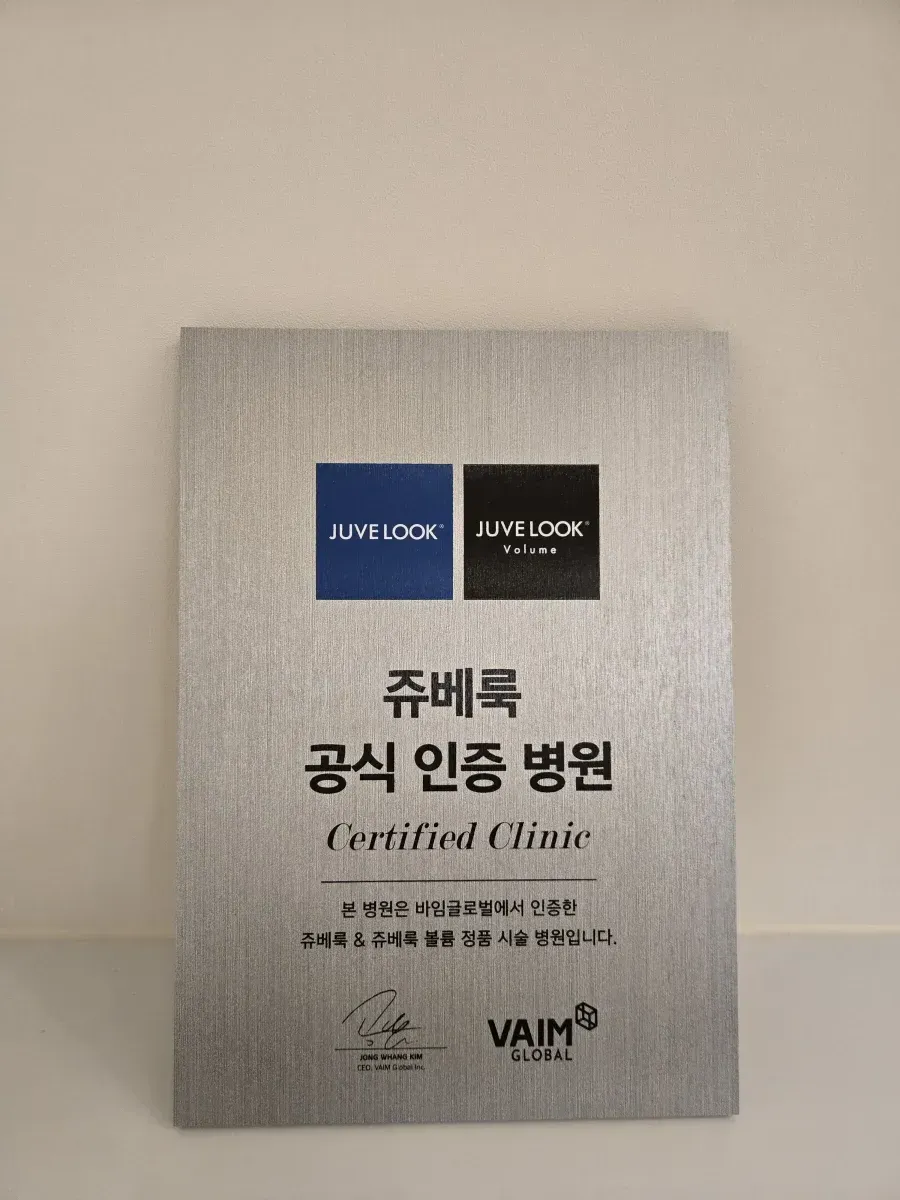
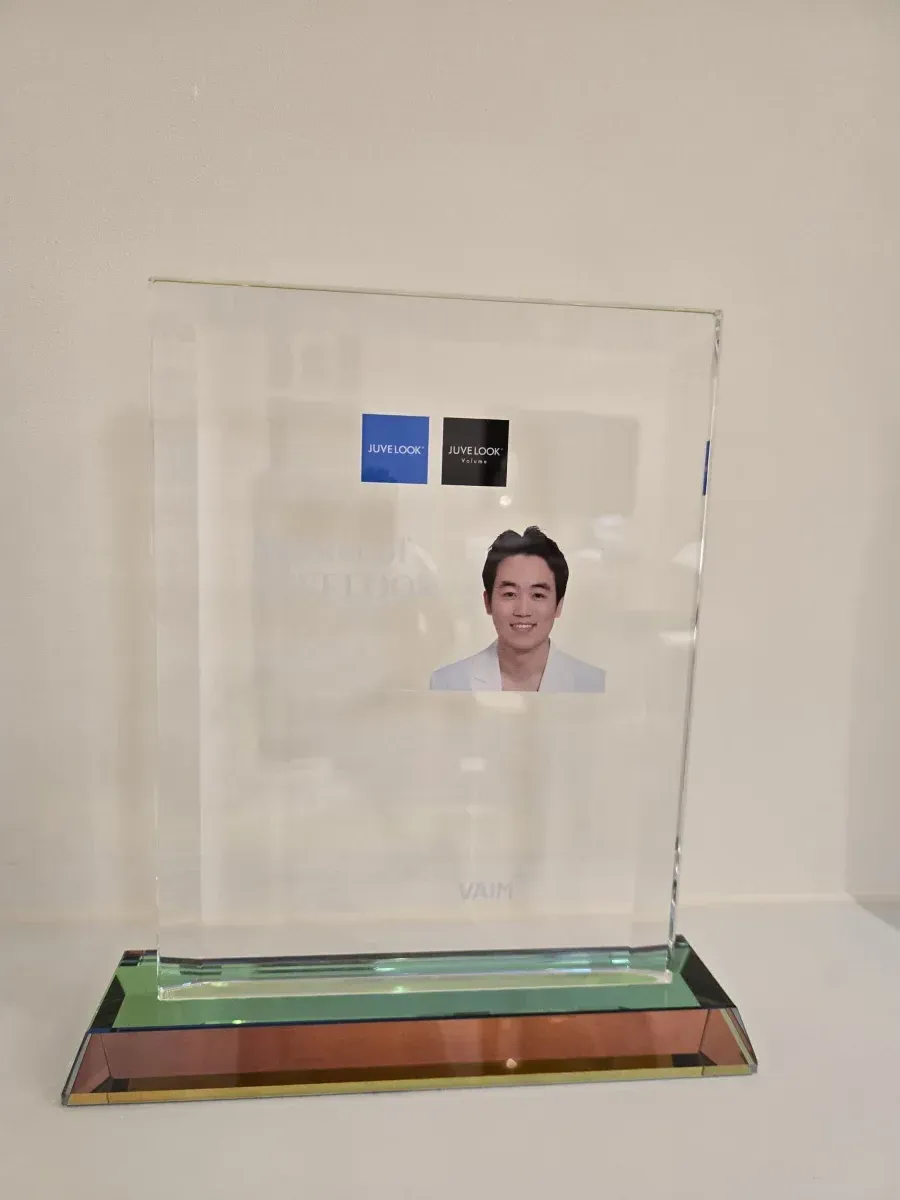
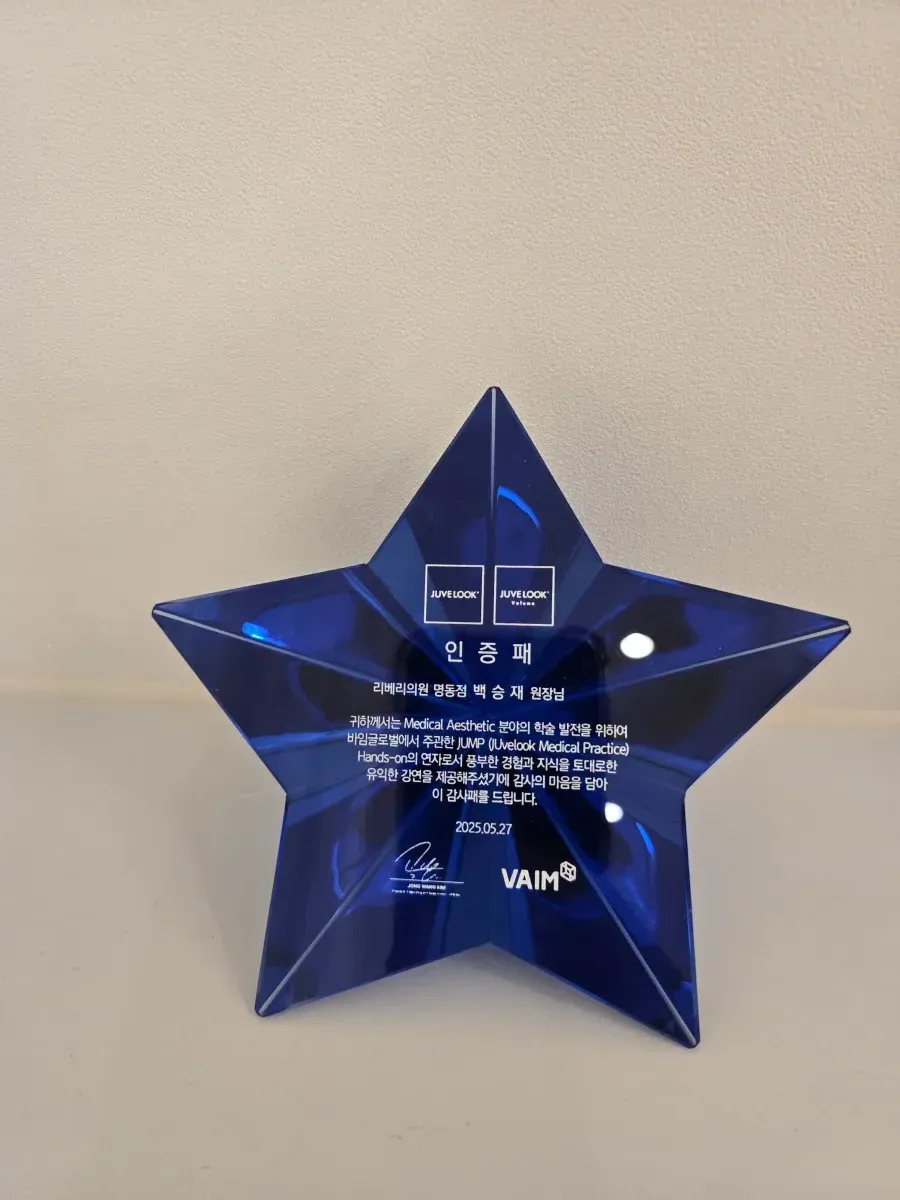
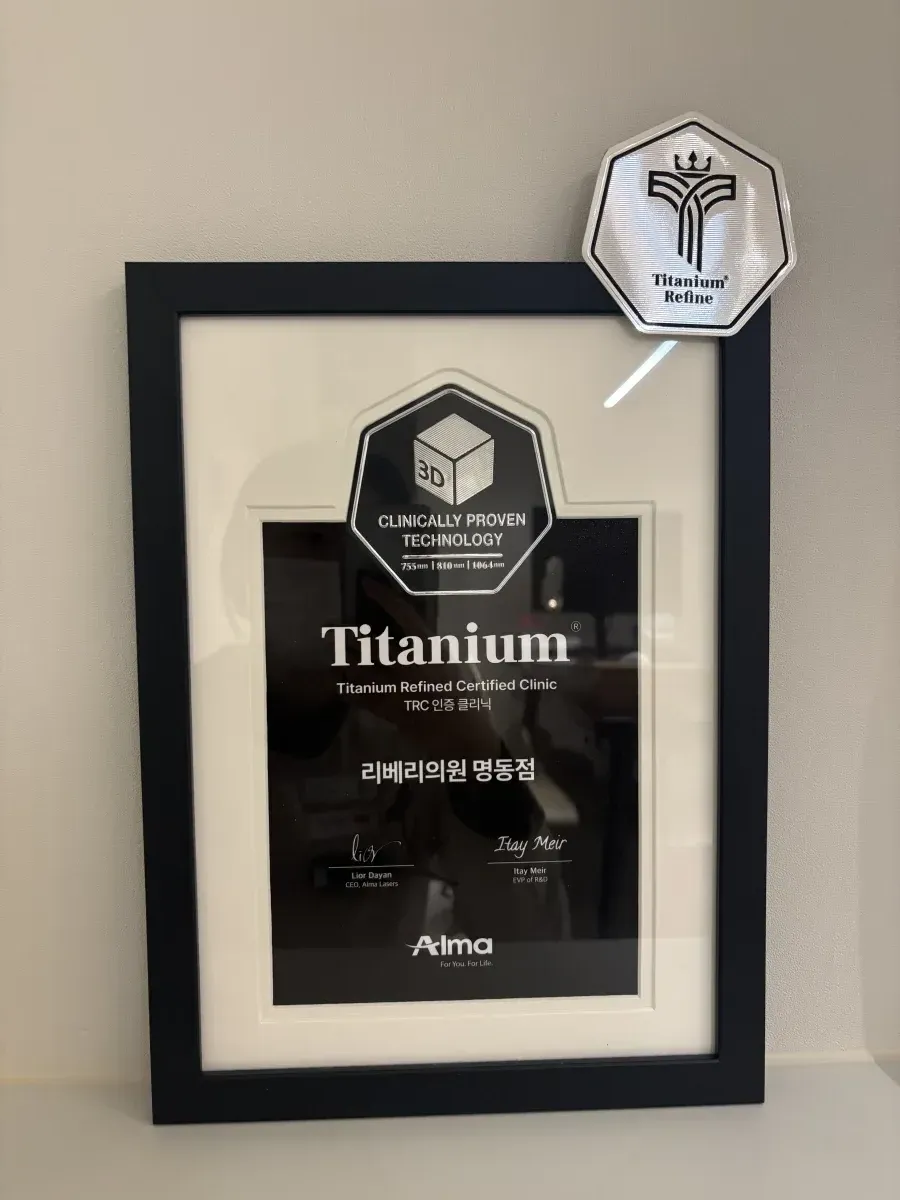
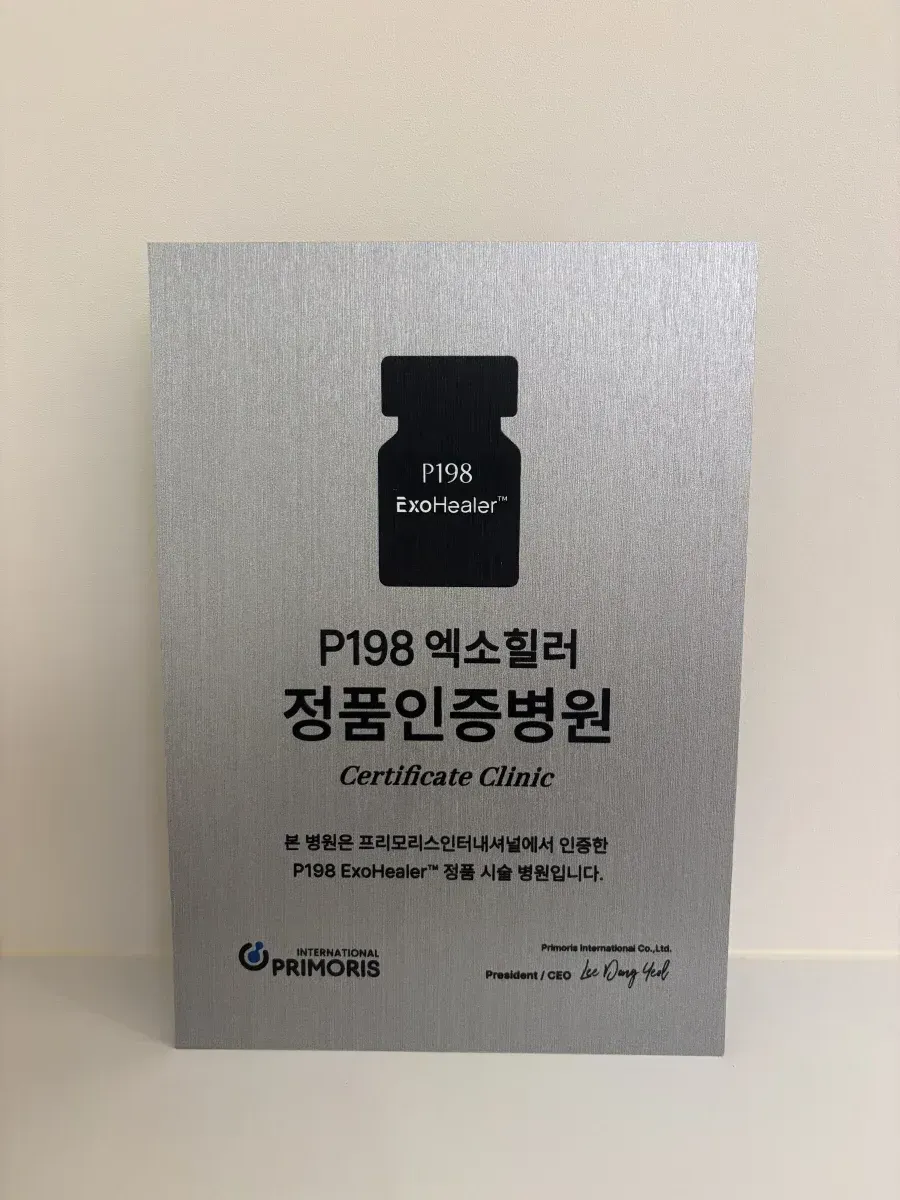
Only Authentic, Brand-Certified Equipment
Every device at RE:BERRY is MFDS-certified and manufacturer-verified. We never use counterfeit or grey-market equipment.
Settle the XERF vs Thermage FLX Question at RE:BERRY Myeongdong
Book a XERF vs Thermage FLX Myeongdong Seoul Korea consultation at RE:BERRY Clinic — both monopolar RF platforms in-house, matched to your anatomy in a 60-90 minute mapping session by Aesthetic Medicine Specialist Dr. Seung-Jae Baek (Lic. 143338), with written quotes, same-doctor continuity, and 4-week WhatsApp follow-up for international patients. Open 365 days, 10:00 AM – 8:00 PM KST, 2 minutes from Myeongdong Station Line 4 Exit 8. This information is for educational purposes only and is not medical advice.
Seoul's Myeongdong Now Has a Clinic Where Tourists Get K-Beauty Treatments Between Shopping — Business Wire, 2026-04-13
Numbers That Tell Our Story
Real procedures performed.
Brand-Authenticated Equipment & Training



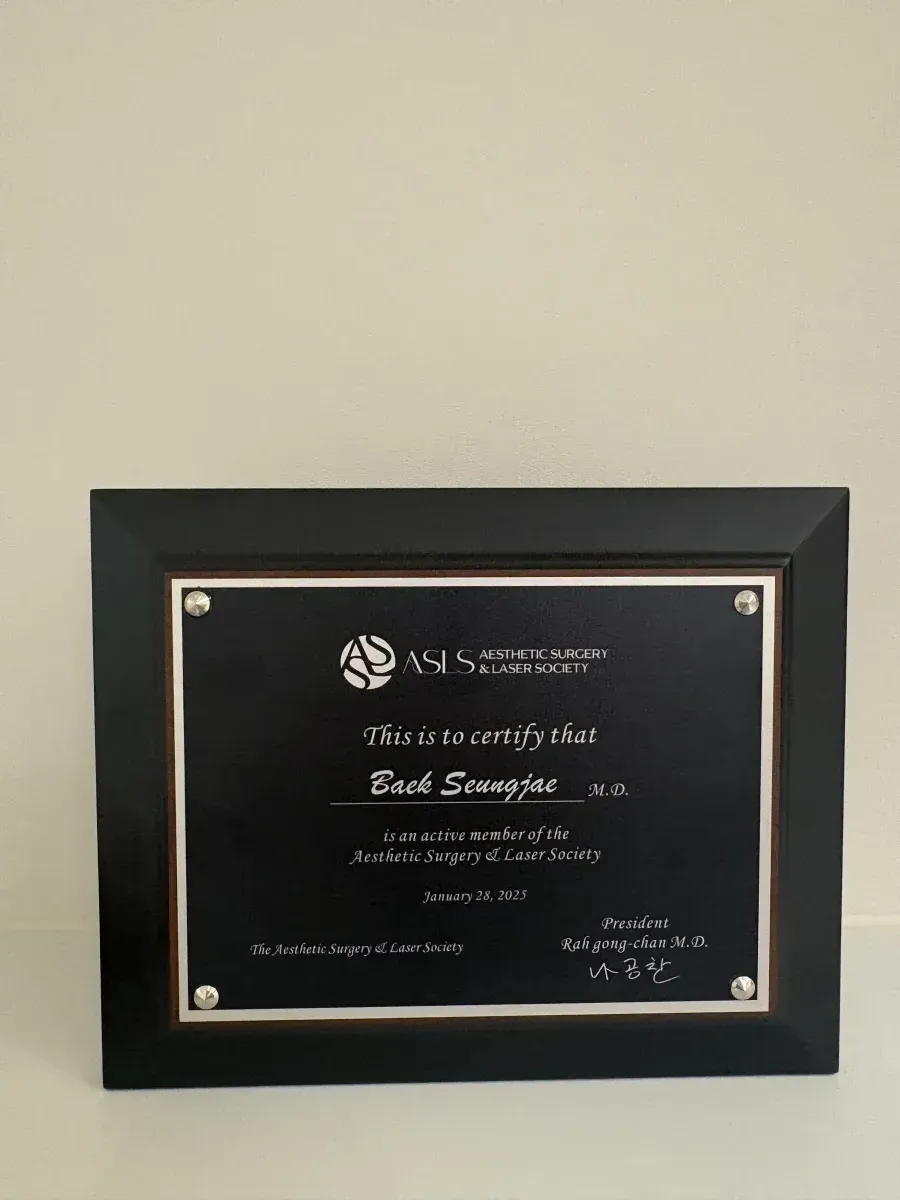
Our doctors are certified by Korea's top dermatological societies









Latest from Our Instagram
Real treatments, patient reactions, and behind-the-scenes from RE:BERRY.
Tap any video for sound & fullscreen
What our patients say
Real verified reviews from our Google Business Profile
I had a wonderful experience at RE:BERRY Clinic. From the moment I arrived, the staff and nurses were incredibly sweet, friendly, and welcoming. The clinic itself was very clean and comfortable.
Ms. Yena did my consultation and she was the absolute sweetest. She was very thorough with the assessment and did not pressu...
I had a very good experience overall at Re:berry Clinic in Seoul.
The clinic itself is beautiful, modern, and very well maintained. Everything feels professional from the moment you arrive. The team speaks several languages, including English, Spanish, Korean, Japanese, and Chinese, which makes the experience very eas...
This was such a beautiful med spa with so many services available as well as translators in bahasa, Chinese, Spanish, Turkish, and more. They were busy so definitely reserve in advance.
After taking my skin analysis, photos and consultation, I was recommended to Onda and Revinas by the doctor for lifting my face. I sp...
Professional staff, spoke English. The
Omens I walked in, I felt welcomed. The staff is very friendly and nice.
The clinic itself has great decor. Soothing and calming. They explained every treatment to me well, after the skin analysis. no pressure. I got the laser treatments and Rejuran. Dr. Lee did my laser, and he ...
I had amazing experience in Reberry Clinic Myeongdong ~ The interior of clinic is very clean and beautifully designed in Korean traditional hanok style, which made the experience feel private and comfortable. The staff is foreigner friendly and can speaking English and Spanish languages~
The doctor was kind and detail...
Book Your Personalized Consultation
Share your details and our multilingual team will contact you as soon as possible through your preferred messenger.
- ✓ Free online skin consultation with a doctor
- ✓ Personalized treatment plan & pricing
- ✓ Airport pickup available at the RE:BERRY Incheon Airport branch
- ✓ 5-language support (EN/ZH-CN/ZH-TW/JA/ES)
- ✓ Response as soon as possible via your preferred messenger
Science Dual-frequency vs single-frequency monopolar RF — peer-reviewed references
The XERF vs Thermage FLX Myeongdong Seoul Korea comparison rests on shared monopolar RF science with divergent depth engineering. Single-frequency 6.78MHz monopolar RF carries two decades of published outcomes — including the 5,700-treatment Dover 2007 consensus survey that defined the low-energy multi-pass standard — while multi-frequency RF systems have Korean prospective data (Suh 2017) supporting objective tightening in Asian skin. Frequency-dependent impedance physics explains the design difference: lower frequencies penetrate deeper at equivalent power, which is the rationale for XERF's added 2MHz SMAS-depth channel alongside the common 6.78MHz baseline. RE:BERRY Clinic Myeongdong applies both platforms under one evidence-based protocol — 60-90 minute anatomical mapping, 5-angle photographic baselines, cooled non-ablative delivery, and 4-week photographic follow-up by the same licensed physician (Dr. Seung-Jae Baek, Lic. 143338).
- Dover JS, Zelickson B; 14-Physician Multispecialty Consensus Panel. Results of a survey of 5,700 patient monopolar radiofrequency facial skin tightening treatments: assessment of a low-energy multiple-pass technique leading to a clinical end point algorithm. Dermatol Surg. 2007;33(8):900-907. doi:10.1111/j.1524-4725.2007.33191.x
- Kist D, Burns AJ, Sanner R, Counters J, Zelickson BD. Ultrastructural evaluation of multiple pass low energy versus single pass high energy radio-frequency treatment. Lasers Surg Med. 2006;38(2):150-154. doi:10.1002/lsm.20303
- el-Domyati M, el-Ammawi TS, Medhat W, Moawad O, Brennan D, Mahoney MG, Uitto J. Radiofrequency facial rejuvenation: evidence-based effect. J Am Acad Dermatol. 2011;64(3):524-535.10.06.045
- Suh DH, Byun EJ, Kim JE, Lee SJ, Ryu HJ. Comparative study of the effects of a new multi-source radiofrequency system on skin tightening: a 12-week follow-up study. J Korean Med Sci. 2017;32(3):510-516.
- Alexiades-Armenakas M, Newman J, Willey A, Kilmer S, Goldberg D, Garden J, et al. Prospective multicenter clinical trial of a minimally invasive temperature-controlled bipolar fractional radiofrequency system for rhytid and laxity treatment. Dermatol Surg. 2013;39(2):263-273. doi:10.1111/dsu.12065
These references inform — but do not decide — the XERF vs Thermage FLX Myeongdong Seoul Korea recommendation for any individual patient. Device selection at RE:BERRY Clinic Myeongdong follows tissue mapping, contraindication screening, and patient goals established during the 60-90 minute consultation, with results monitored against 5-angle photographic baselines at the 4-week WhatsApp review.
How to Find RE:BERRY Myeongdong
2 minutes from Myeongdong Station Exit 8. Premium flagship space with an all-black entrance you can't miss.
RE:BERRY Clinic Myeongdong
58 Myeongdong 10-gil, Jung-gu, Seoul
서울시 중구 명동10길 58
Also available at: Gangnam · Incheon Airport