Mole Removal by Laser Without Scarring in Myeongdong Seoul
CO2 fractional laser can safely remove most flat and raised facial moles with minimal to no visible scarring when performed by an experienced physician. At RE:BERRY Myeongdong, Dr. Seung-Jae Baek uses precision CO2 laser ablation with controlled depth settings to remove moles cleanly while preserving surrounding tissue.
Can Laser Remove Moles Safely Without Scarring?
Yes, CO2 laser can remove most moles safely with minimal scarring when performed by a trained physician. Flat and slightly raised moles respond best, healing within 7-14 days with proper aftercare. Deep or large moles (over 5mm) carry slightly higher scarring risk and may require surgical excision instead. RE:BERRY Myeongdong assesses every mole individually to recommend the safest removal method.
Laser mole removal has become one of the most requested procedures for tourists visiting Seoul, and for good reason: Korean aesthetic physicians perform thousands of mole removals annually with refined technique and advanced equipment. The key to scar-free removal is accurate assessment of mole depth, appropriate laser settings, and meticulous aftercare. At RE:BERRY Myeongdong, every mole is examined for clinical features before removal. Suspicious moles are biopsied rather than lasered. This safety-first approach ensures both cosmetic excellence and medical responsibility. The CO2 laser vaporizes mole tissue layer by layer with micrometer precision, allowing the physician to stop exactly at the appropriate depth — deep enough to remove the mole completely, shallow enough to avoid reaching the deep dermis where scarring originates.
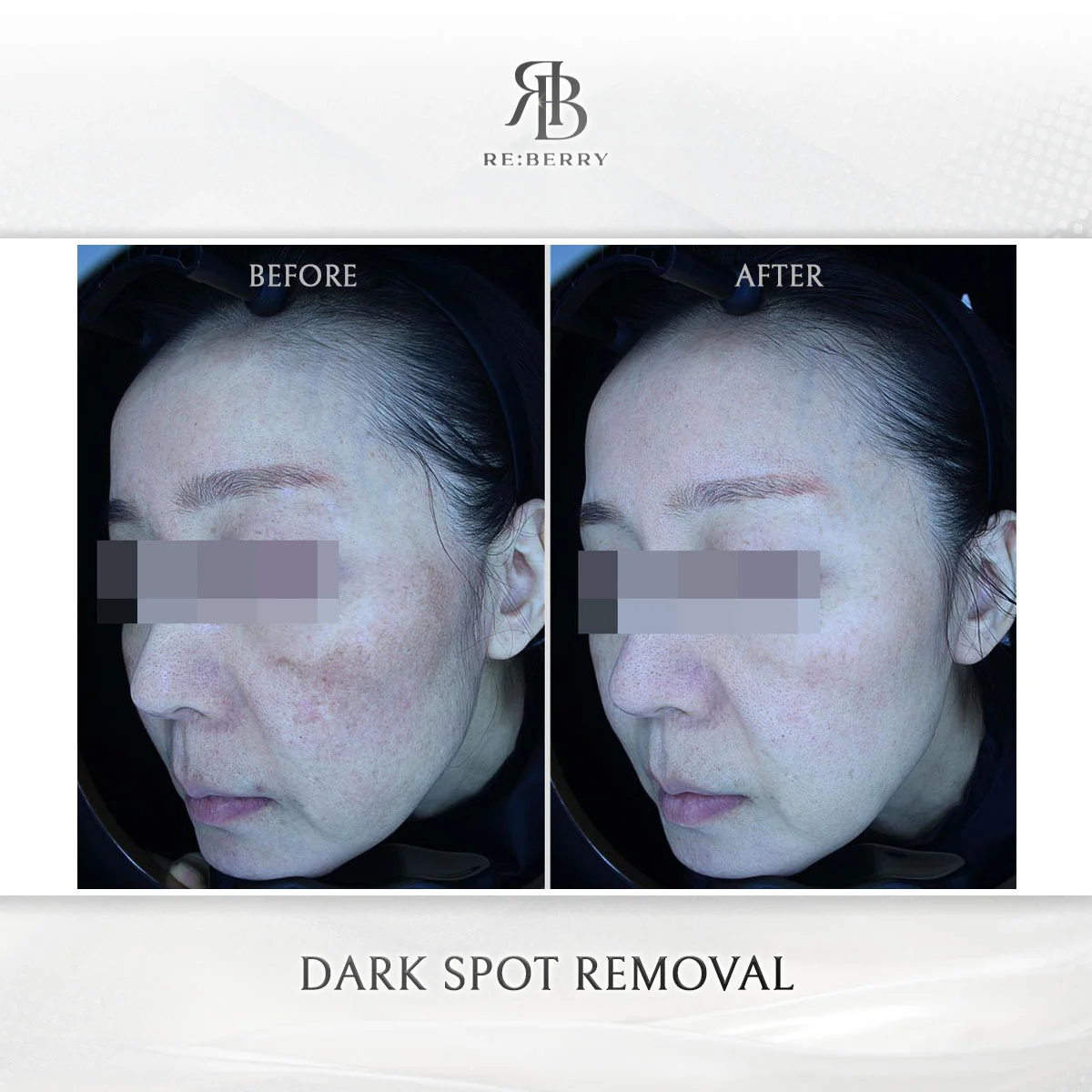
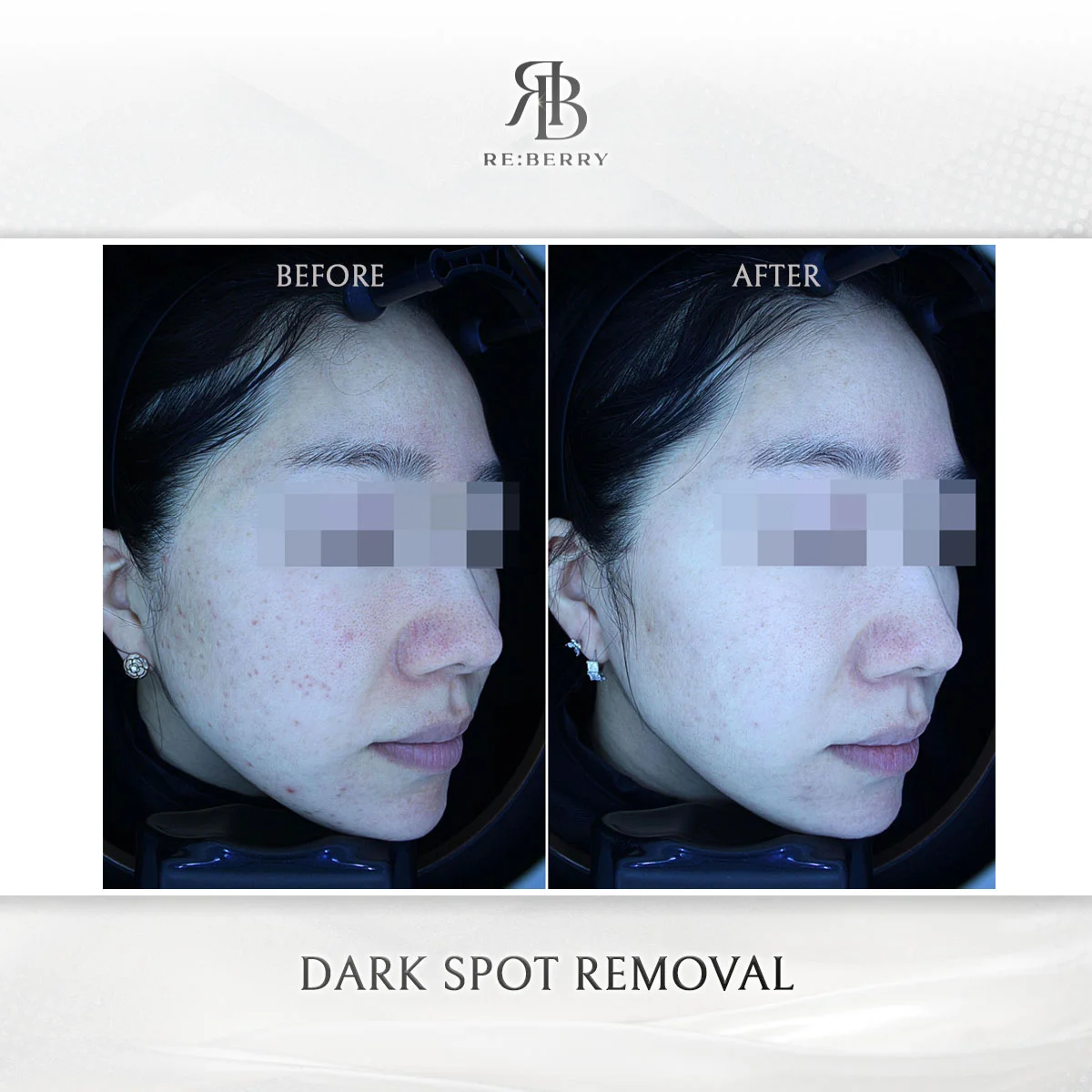
Mole Removal Before & After Results
Actual patient results from CO2 laser mole removal at RE:BERRY Myeongdong.
How Laser Mole Removal Works at RE:BERRY Myeongdong
A precise four-step procedure for safe, scar-minimizing mole removal.
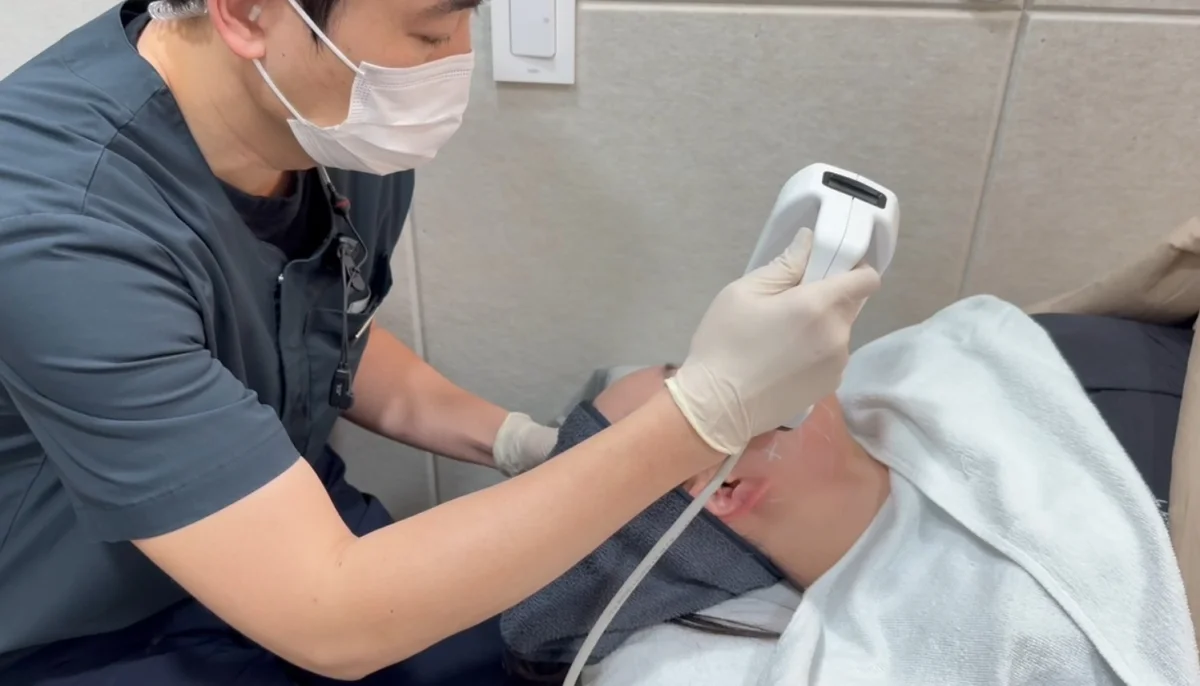
Mole Assessment & Safety Screening
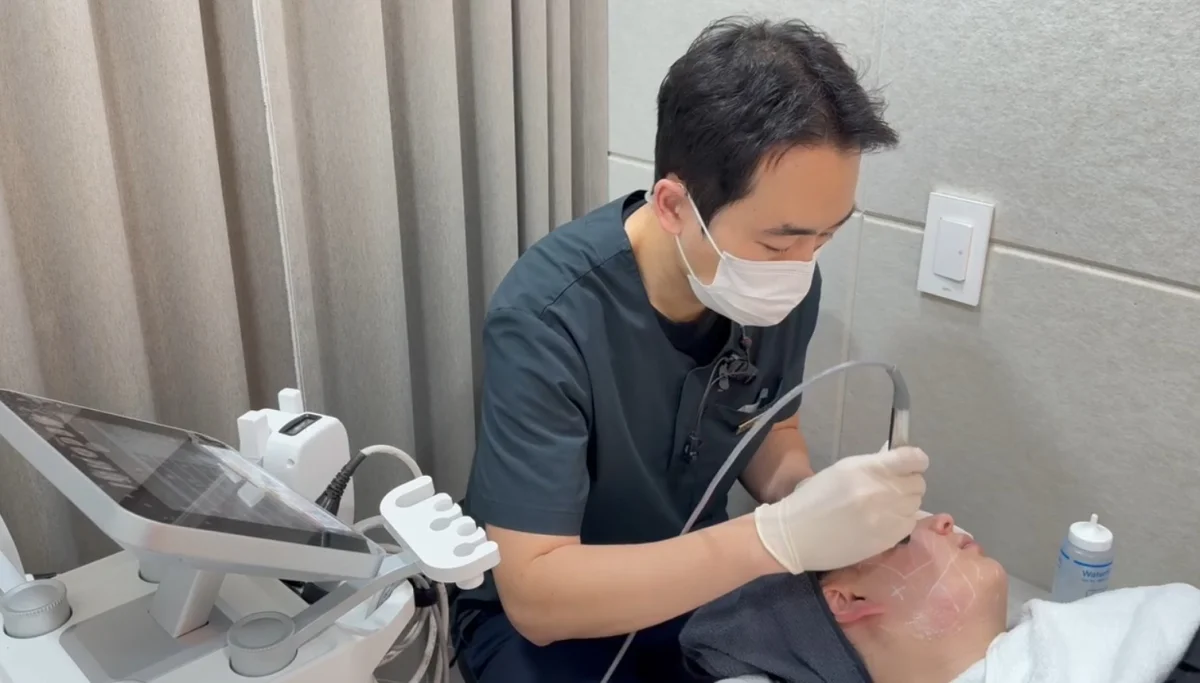
Dr. Seung-Jae Baek examines each mole using dermoscopy (magnified imaging) to evaluate symmetry, borders, color, diameter, and evolution — the ABCDE criteria for melanoma screening. Suspicious moles are referred for biopsy rather than laser removal. Benign moles are classified by type (junctional, compound, intradermal) and depth to determine the best removal technique.
Local Anesthesia & Preparation
A small amount of local anesthetic is injected around the mole using a fine needle. The area becomes completely numb within 2-3 minutes. The surrounding skin is protected. For patients removing multiple moles, topical anesthetic cream may be applied 30 minutes prior to reduce injection discomfort.
CO2 Laser Ablation
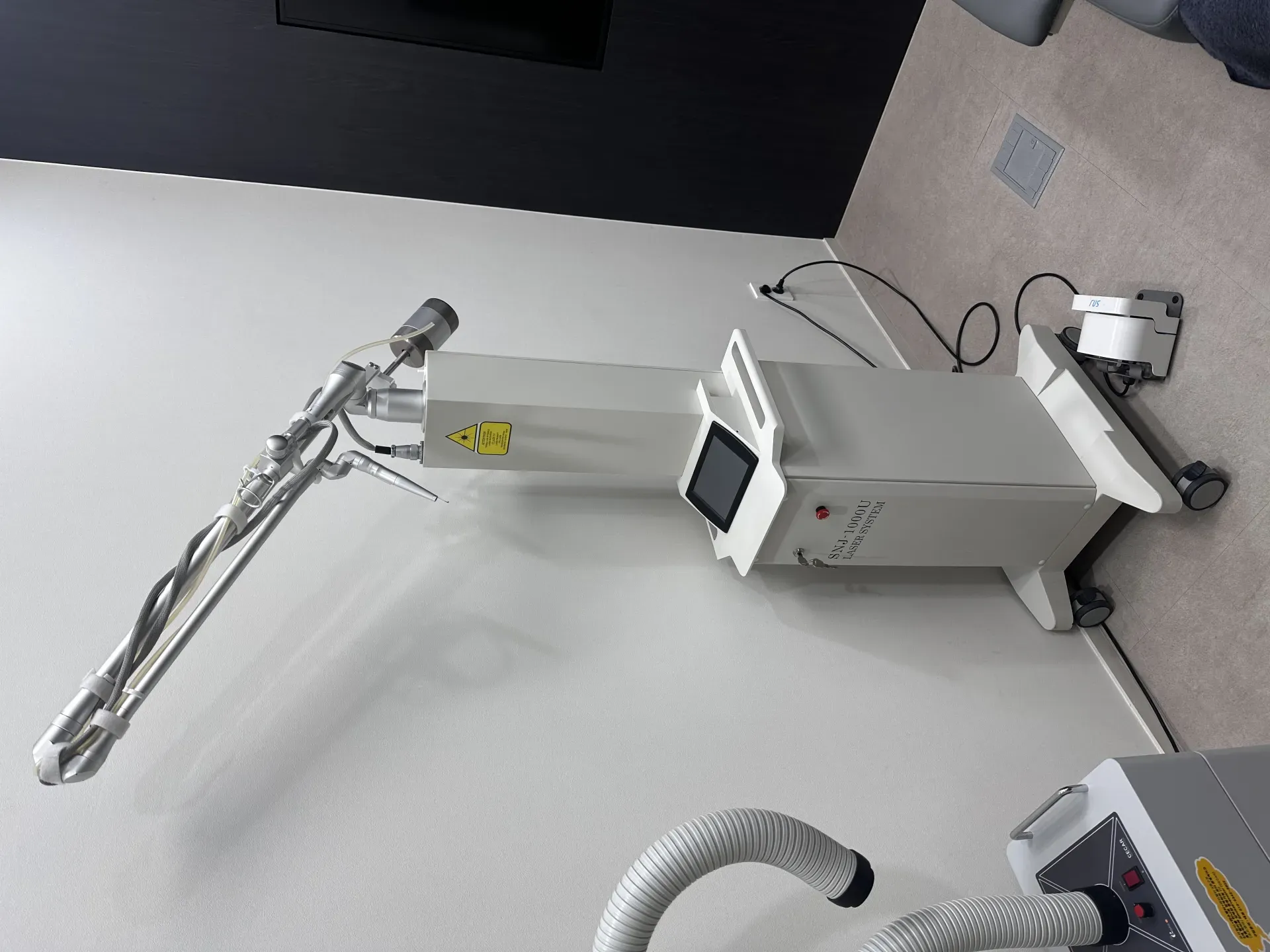
The CO2 laser vaporizes mole tissue layer by layer at 10,600nm wavelength. Dr. Baek controls depth in real time, removing melanocyte clusters while preserving the deepest dermal layer. Flat moles require 1-2 passes. Raised moles are first shaved to skin level, then ablated at the base. The entire procedure takes 5-15 minutes depending on the number of moles.
Wound Care & Healing
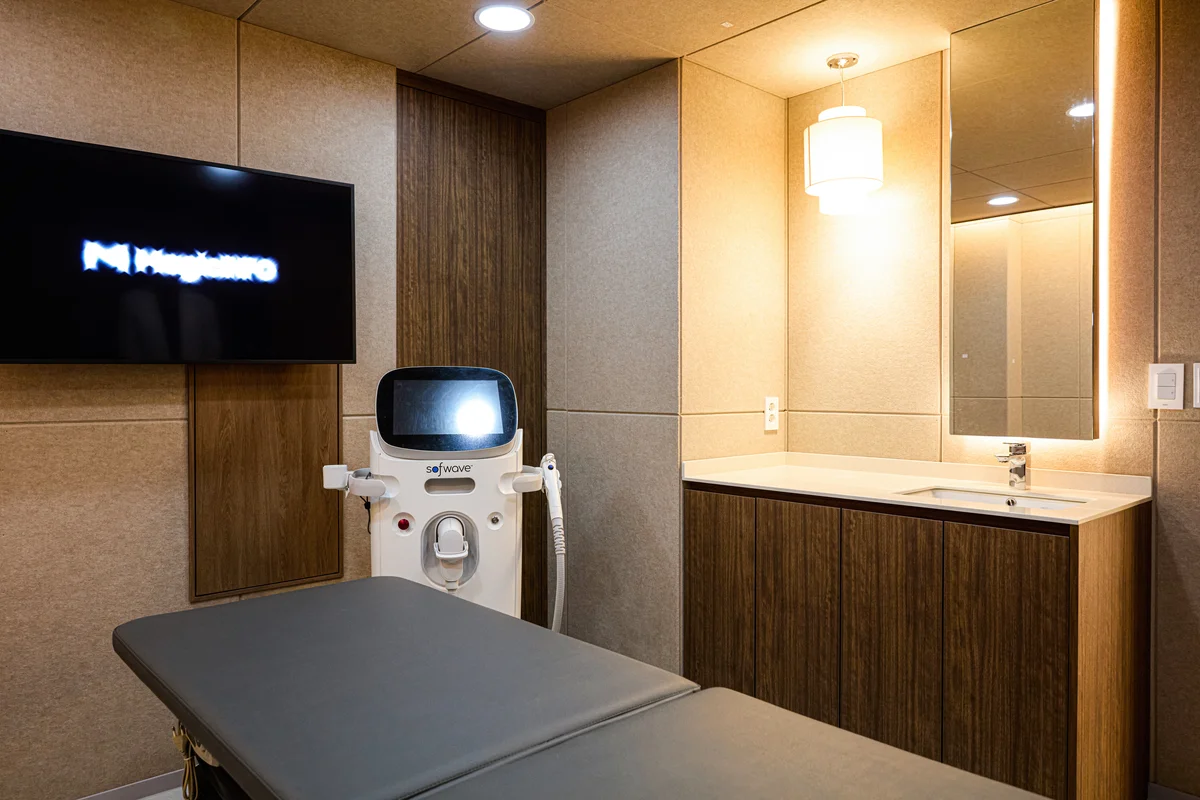
Antibiotic ointment and hydrocolloid patch applied immediately. The patch keeps the wound moist — critical for scar-free healing. Replace the patch daily for 7-10 days. A shallow pink mark remains for 2-4 weeks, then gradually fades to match surrounding skin over 2-3 months. RE:BERRY provides a complete aftercare kit with patches and ointment.
Benefits of Laser Mole Removal & Healing Timeline
- Precision Ablation: CO2 laser removes mole tissue at micrometer depth control, far more precise than shave excision or electrocautery. This precision is key to avoiding scarring.
- Minimal Scarring: When performed correctly on appropriate moles, laser removal leaves minimal to no visible scar. Flat moles under 3mm typically heal invisibly. Raised moles may leave a barely perceptible flat mark.
- Same-Day Procedure: Mole removal at RE:BERRY Myeongdong takes 5-15 minutes. Walk in, get treated, walk out. Ideal for tourists and anyone with a busy schedule.
- Multiple Moles in One Visit: RE:BERRY Myeongdong can remove multiple moles in a single session. Many patients have 5-15 facial moles removed at once, which is more cost-effective than individual visits.
- Safety-First Protocol: Dermoscopic screening before every removal ensures suspicious moles are biopsied, not lasered. Patient safety always takes priority over cosmetics at RE:BERRY Myeongdong.
| Timeline | What to Expect |
|---|---|
| Day 1 (Treatment Day) | Small wound covered with hydrocolloid patch. Mild stinging resolves within hours. No significant pain. Continue normal activities. |
| Day 2-7 | Keep wound covered with fresh hydrocolloid patches daily. Shallow pink wound bed forms. Avoid getting the area wet without patch protection. |
| Week 1-2 | New epithelium covers the wound. Pink color remains. Remove patches once the wound is fully covered with new skin. |
| Week 3-4 | Pink mark gradually fading. Apply sunscreen diligently over the area to prevent post-inflammatory hyperpigmentation. |
| Month 2-3 | Mark fades to match surrounding skin tone. Most small mole sites are essentially invisible at this point. |
| Month 6 | Final healing complete. Any residual pinkness fully resolved. No visible scar in most cases. |
Mole Removal Methods Compared
| Feature | CO2 Laser | Shave Excision | Punch Excision | Electrocautery |
|---|---|---|---|---|
| Precision | Micrometer depth control | Moderate | Fixed depth | Low |
| Scarring Risk | Minimal (flat moles) | Low-moderate | Linear scar | Moderate |
| Best For | Flat & small raised moles | Raised moles | Deep moles + biopsy | Small skin tags |
| Healing Time | 7-14 days | 7-14 days | 14-21 days (stitches) | 7-14 days |
| Biopsy Possible | No (tissue vaporized) | Yes (tissue preserved) | Yes (gold standard) | No |
| Multiple Moles | Easy, efficient | Possible | Time-consuming | Easy |
| Recurrence Rate | 5-10% | 10-15% | Less than 5% | 15-20% |
Mole Removal Pricing at RE:BERRY Myeongdong
All prices exclude VAT. Non-covered medical service. Pricing depends on mole size, type, and quantity.
Single Mole Removal (flat, under 3mm)
- Dermoscopic safety screening
- Local anesthesia
- CO2 laser ablation
- Aftercare kit (patches + ointment)
Multiple Mole Package
- Dermoscopic screening of all moles
- Local anesthesia
- CO2 laser ablation of multiple moles
- Aftercare kit with sufficient supplies
- Volume pricing for 5+ moles
Mole + Skin Booster Combo
- CO2 laser mole removal
- Rejuran Healer 1cc application
- LDM regenerative therapy
- Enhanced healing protocol
Mole Removal Specialists at RE:BERRY Myeongdong
Licensed physicians performing safe, precise mole removal with dermoscopic screening.
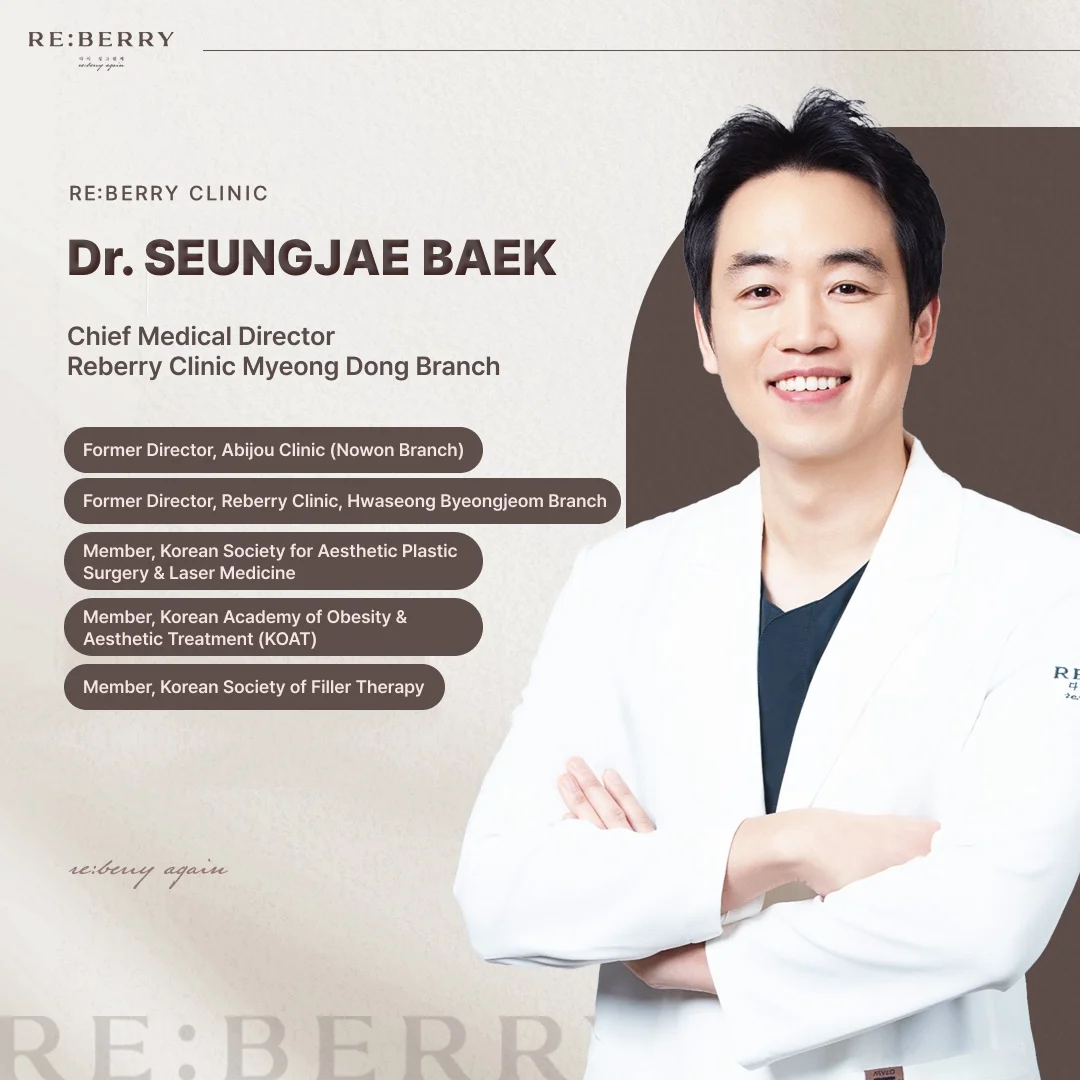
Dr. Seung-Jae Baek
- Head Director, RE:BERRY Clinic Myeongdong
- Juvelook Certified Meister & Speaker
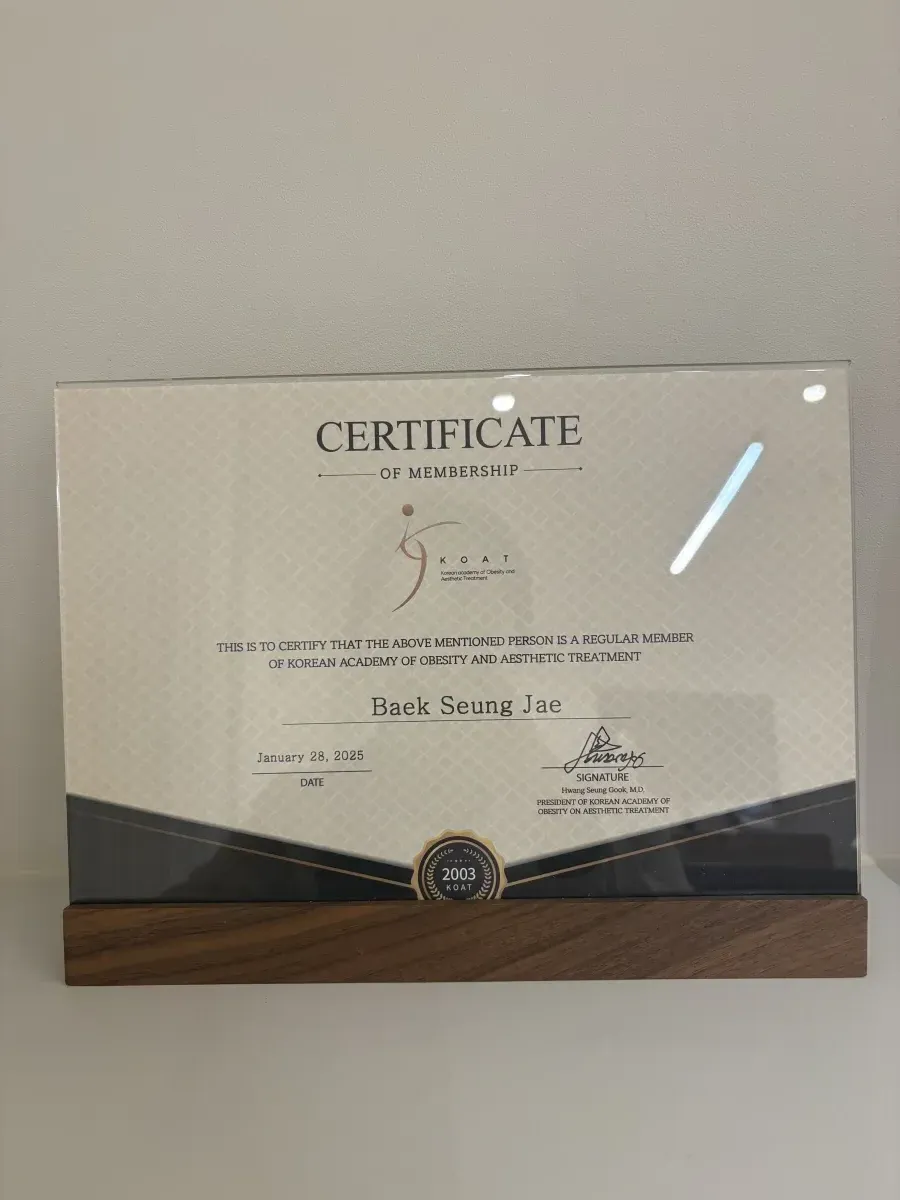
- Member, Korean Academy of Aesthetic Medicine
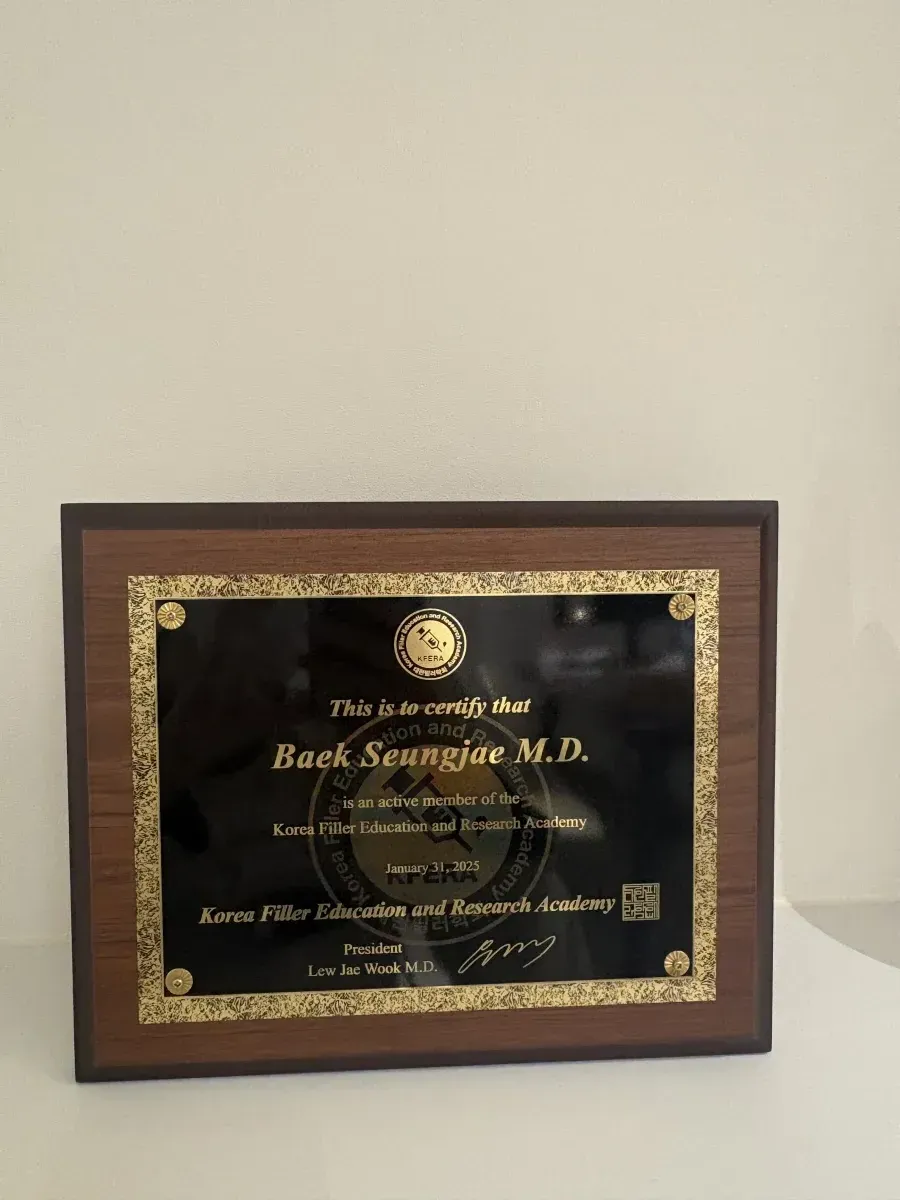
- Member, Korean Filler Education and Research Academy
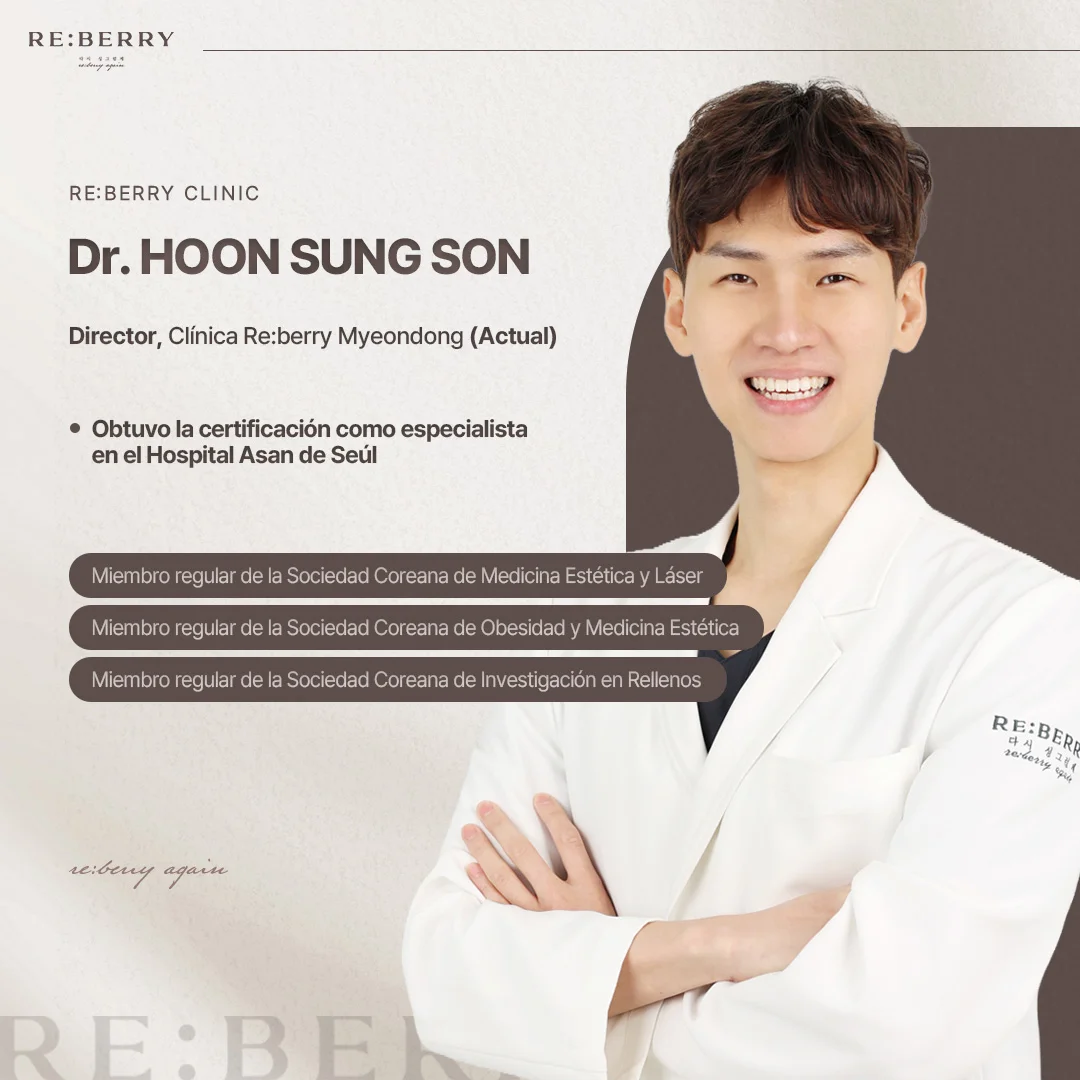
Dr. Hoon-Sung Son
- Doctor, RE:BERRY Clinic Myeongdong
- Member, Korean Academy of Aesthetic Medicine
- Member, Korean Society for Laser Medicine and Surgery
Medically reviewed by Dr. Seung-Jae Baek, Head Director, Myeongdong Branch, RE:BERRY
The Science Behind Safe Laser Mole Removal
Understanding CO2 laser ablation and scar-free healing for mole removal.
CO2 Laser Mechanism for Mole Ablation
The CO2 laser operates at 10,600nm wavelength, which is highly absorbed by water in tissue. When focused on a mole, the laser energy is absorbed by intracellular water, causing rapid heating to over 100 degrees Celsius and instantaneous vaporization of the target tissue. This process is called ablation. The physician controls the depth of ablation by adjusting pulse energy, duration, and the number of passes. Each pass removes approximately 20-50 micrometers of tissue. For a typical flat nevus (mole), the melanocyte clusters reside in the dermal-epidermal junction, which sits at approximately 60-100 micrometers depth. Two to three precise passes therefore remove the mole tissue completely. The surrounding collagen matrix in the papillary dermis is preserved, which provides the scaffold for epithelial regeneration and scar-free healing.
Why Depth Control Determines Scarring
Scarring from mole removal occurs when ablation extends too deep into the reticular dermis (below approximately 0.3mm). At this depth, the wound healing process involves myofibroblast contraction and excessive collagen deposition rather than orderly epithelial regeneration. The reticular dermis lacks the epidermal stem cells present in the papillary dermis and hair follicle bulges that facilitate scarless healing. This is why physician experience and laser depth control are the most important factors in scar-free mole removal. RE:BERRY Myeongdong’s CO2 laser provides real-time visual feedback during ablation, allowing Dr. Seung-Jae Baek to identify when mole tissue has been fully removed and stop before reaching the scarring threshold. Raised moles (compound and intradermal nevi) extend deeper, which is why they carry slightly higher scarring risk and may be better suited for shave excision with pathological examination.
Moist Wound Healing and Scar Prevention
Post-ablation wound management is equally important as the procedure itself. Research by Winter (1962) and subsequent studies established that moist wound healing produces superior cosmetic outcomes compared to dry healing. Hydrocolloid patches maintain a moist environment that promotes keratinocyte migration across the wound bed 2-3 times faster than air-exposed wounds, reduces inflammatory cytokine activation, and minimizes scab formation that can trap pigment and cause post-inflammatory hyperpigmentation. RE:BERRY Myeongdong provides medical-grade hydrocolloid patches and antibiotic ointment with specific instructions for daily patch changes during the 7-10 day healing period. This protocol, combined with strict sun avoidance on the healing site, is essential for achieving the minimal scarring that modern CO2 laser mole removal promises.
Recurrence and When Excision Is Preferred
Laser ablation carries a 5-10% recurrence rate because the deepest melanocyte nests may survive vaporization. Recurrent moles can be re-treated with another laser session. For moles with any suspicious clinical features (asymmetry, irregular borders, color variation, diameter over 6mm, or evolution), surgical excision with histological examination is the only appropriate option. RE:BERRY Myeongdong’s policy is to photograph and assess every mole with dermoscopy before removal. Any mole flagged as potentially atypical is referred for surgical biopsy rather than laser ablation. This safety-first approach may occasionally mean recommending a more invasive procedure, but patient safety always overrides cosmetic convenience.
References: Alexiades-Armenakas MR et al. Arch Dermatol. 2008;144(9):1136-1140. doi:10.1001/archderm.144.9.1136 | Tanzi EL et al. Dermatol Surg. 2003;29(7):712-718. doi:10.1046/j.1524-4725.2003.29192.x | Ross EV et al. Dermatol Surg. 2002;28(2):118-130. doi:10.1046/j.1524-4725.2002.01090.x
What Patients Say About Mole Removal at RE:BERRY Myeongdong
“I had 12 small moles on my face that always bothered me. Dr. Baek removed all of them in one session at RE:BERRY Myeongdong. It took about 20 minutes total. Two months later, you cannot tell where they were. Absolutely worth the trip to Seoul.”
“I was worried about scarring but Dr. Baek showed me dermoscopy images of each mole and explained which ones were safe for laser. He actually refused to laser one mole and recommended I get it biopsied at home. That kind of integrity is rare.”
“The aftercare instructions were incredibly detailed — provided in my language with photos showing how to apply the patches. Healing was smooth, no scarring at all on any of the 8 sites. Better than my previous experience at a clinic back home.”
Frequently Asked Questions About Laser Mole Removal
Expert answers about safe mole removal at RE:BERRY Myeongdong Seoul.
Yes, most flat and small raised moles can be removed by CO2 laser at RE:BERRY Myeongdong with minimal to no visible scarring. The key factors are mole depth, physician technique, and proper aftercare with hydrocolloid patches for 7-10 days.
Mole removal pricing at RE:BERRY Myeongdong depends on mole size, type, and quantity. Volume discounts are available for 5+ moles. An exact quote is provided during the dermoscopic assessment. Contact RE:BERRY via WhatsApp or LINE for preliminary pricing information.
RE:BERRY Myeongdong routinely removes 5-20 moles in a single session. The procedure takes 5-30 minutes depending on quantity. Removing multiple moles at once is more efficient and often more cost-effective than separate visits.
No. Local anesthetic is injected around each mole at RE:BERRY Myeongdong, making the procedure completely painless. The anesthetic injection itself feels like a brief pinch. For patients with many moles, topical numbing cream is applied first to reduce injection discomfort.
A single mole takes 1-3 minutes to remove with CO2 laser. Including consultation, dermoscopic screening, anesthesia, and aftercare instructions, expect 30-60 minutes total at RE:BERRY Myeongdong for a typical session of 5-10 moles.
Yes, but raised moles (intradermal nevi) extend deeper into the dermis, which means slightly higher scarring risk compared to flat moles. Dr. Seung-Jae Baek at RE:BERRY Myeongdong carefully assesses raised moles and may recommend shave excision rather than laser for very thick or deep moles.
There is a 5-10% recurrence rate because deep melanocyte nests may survive laser ablation. If a mole recurs, RE:BERRY Myeongdong can re-treat it with another laser session. Recurrence does not indicate anything dangerous — it simply means some melanocytes remained.
The wound closes within 7-10 days with hydrocolloid patch care. A pink mark remains for 2-4 weeks, then fades over 2-3 months. Full cosmetic healing (color matching surrounding skin) takes 3-6 months. Apply SPF 50+ sunscreen on healing sites.
Absolutely. Mole removal is one of the most popular treatments for tourists visiting Seoul. RE:BERRY Myeongdong completes the procedure in one visit with 8-language support. You receive enough aftercare patches and ointment for the full healing period.
Yes, facial moles are the most commonly treated location at RE:BERRY Myeongdong. The face has excellent blood supply and heals well after CO2 laser ablation. Dr. Seung-Jae Baek uses the finest laser settings for facial moles to ensure precise, scar-minimal results.
RE:BERRY Myeongdong performs dermoscopic screening on every mole before removal. Most benign moles do not require biopsy. However, if Dr. Seung-Jae Baek identifies any atypical features (asymmetry, irregular borders, color variation, rapid growth), biopsy is recommended instead of laser.
Avoid applying makeup directly on the wound for 7-10 days while the hydrocolloid patch is in place. Makeup around the patch area is fine. After the wound closes, mineral makeup can be applied. Full cosmetic use resumes after 2 weeks at RE:BERRY Myeongdong.
CO2 laser (10,600nm) provides deeper ablation with hemostasis (blood stopping) — better for raised moles. Er:YAG (2,940nm) provides shallower, more precise ablation with less thermal damage — better for flat moles. RE:BERRY Myeongdong selects the appropriate laser based on mole characteristics.
Yes, you can fly the same day after mole removal at RE:BERRY Myeongdong. Keep the hydrocolloid patches on during your flight. The cabin environment is dry but the patches maintain wound moisture. Carry extra patches and ointment in your hand luggage.
In 90-95% of cases, yes. The removed mole does not regrow. The 5-10% recurrence rate means some melanocytes survive and may reform a faint spot, which can be re-treated. New moles can appear elsewhere on the face over time — these are new formations, not recurrences.
No. Removing a benign mole does not cause cancer. However, it is critical to screen moles before removal because laser ablation destroys the tissue, making post-removal biopsy impossible. RE:BERRY Myeongdong’s mandatory dermoscopic screening ensures only confirmed benign moles are laser-treated.
Apply antibiotic ointment and fresh hydrocolloid patch daily for 7-10 days. After wound closure, apply SPF 50+ sunscreen. Avoid picking scabs. Avoid swimming pools and saunas for 1 week. RE:BERRY Myeongdong provides a complete aftercare kit and instructions in your language.
Yes, but Fitzpatrick IV-VI skin types have higher post-inflammatory hyperpigmentation risk. Dr. Seung-Jae Baek at RE:BERRY Myeongdong adjusts laser settings conservatively for darker skin and may recommend bleaching agents post-healing. The mole is still removed safely; the healing color takes longer to normalize.
Dr. Seung-Jae Baek examines each mole with a dermatoscope (magnified polarized light) at RE:BERRY Myeongdong. Safe signs include uniform color, symmetrical shape, smooth borders, and stable size. Concerning signs include asymmetry, irregular borders, multiple colors, diameter over 6mm, or recent changes.
RE:BERRY Myeongdong can treat adolescent patients (typically 14+) with parental consent for mole removal. Younger children are generally advised to wait unless the mole is causing functional issues. Consult with Dr. Seung-Jae Baek for individual assessment.
Immediately after CO2 laser ablation, there is a shallow wound bed (not a hole). The body rapidly fills this with new epithelial cells over 7-10 days. Once healed, the surface is flat and smooth. Deep moles may leave a very slight depression initially that fills in over 1-2 months.
Yes. RE:BERRY Myeongdong removes moles from face, neck, chest, back, and extremities. Body skin heals slightly slower than facial skin due to less blood supply. Neck and decolletage moles have slightly higher scarring risk due to skin tension. Dr. Seung-Jae Baek advises on expectations for each location.
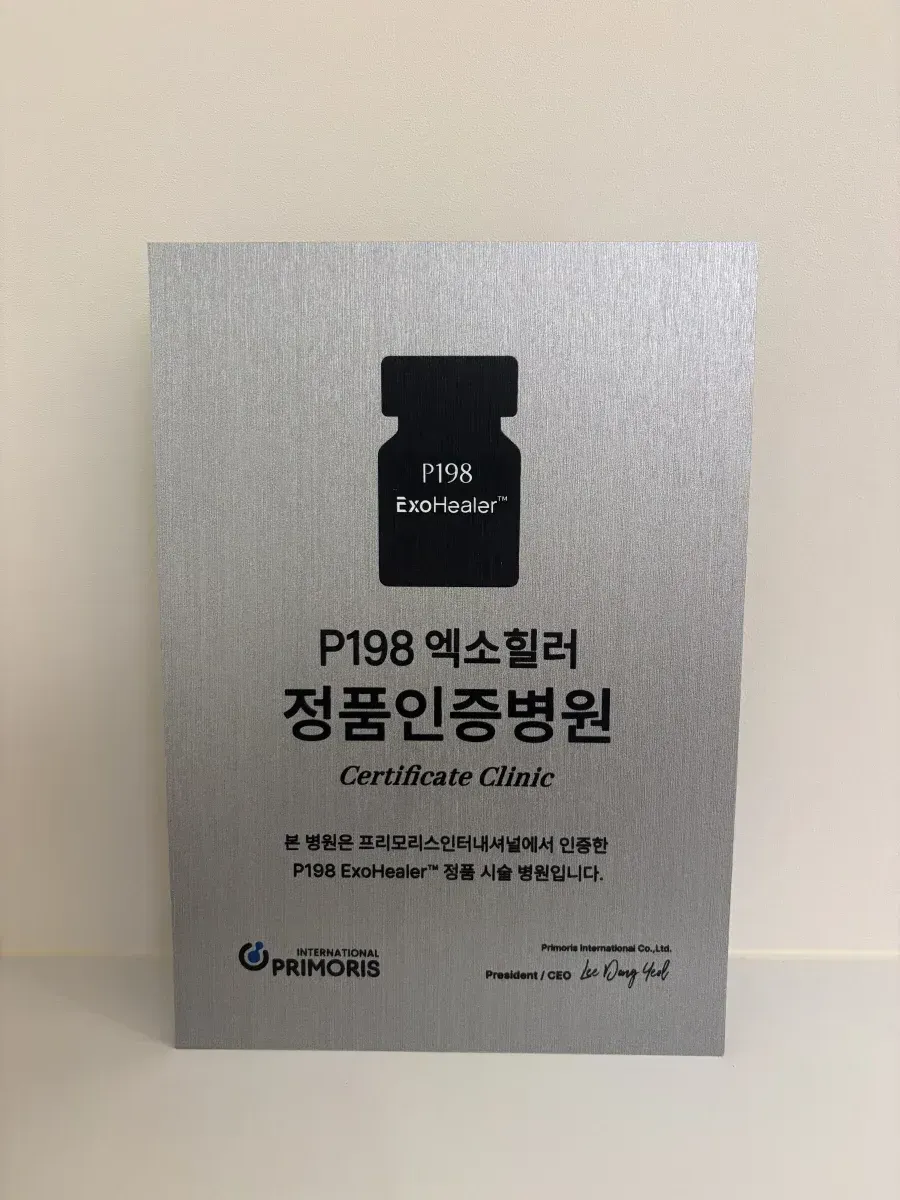
Yes. RE:BERRY Myeongdong uses certified, genuine CO2 laser equipment maintained according to manufacturer specifications. All 30+ devices at the clinic are authentic with valid certification displayed. Equipment is regularly serviced to ensure precise energy delivery.
Yes. Many patients at RE:BERRY Myeongdong combine mole removal with PicoSure toning, filler procedures, or skin booster treatments in a single visit. Dr. Seung-Jae Baek coordinates the treatment order for optimal results.
RE:BERRY Myeongdong provides mandatory dermoscopic safety screening, licensed physician-performed procedures (not nurse-performed), precision CO2 laser with depth control, complete aftercare kits, 8-language support, and a policy of refusing to laser suspicious moles. Patient safety comes first.
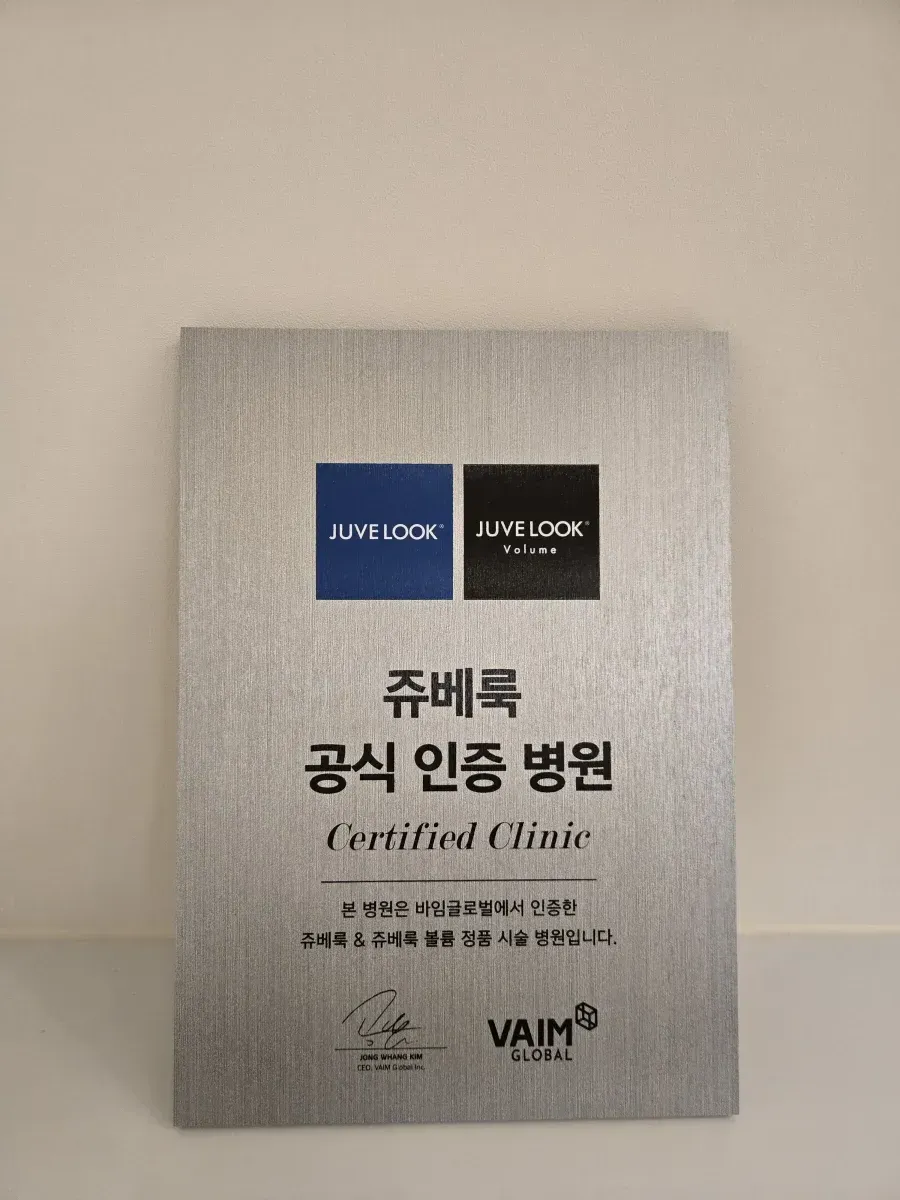
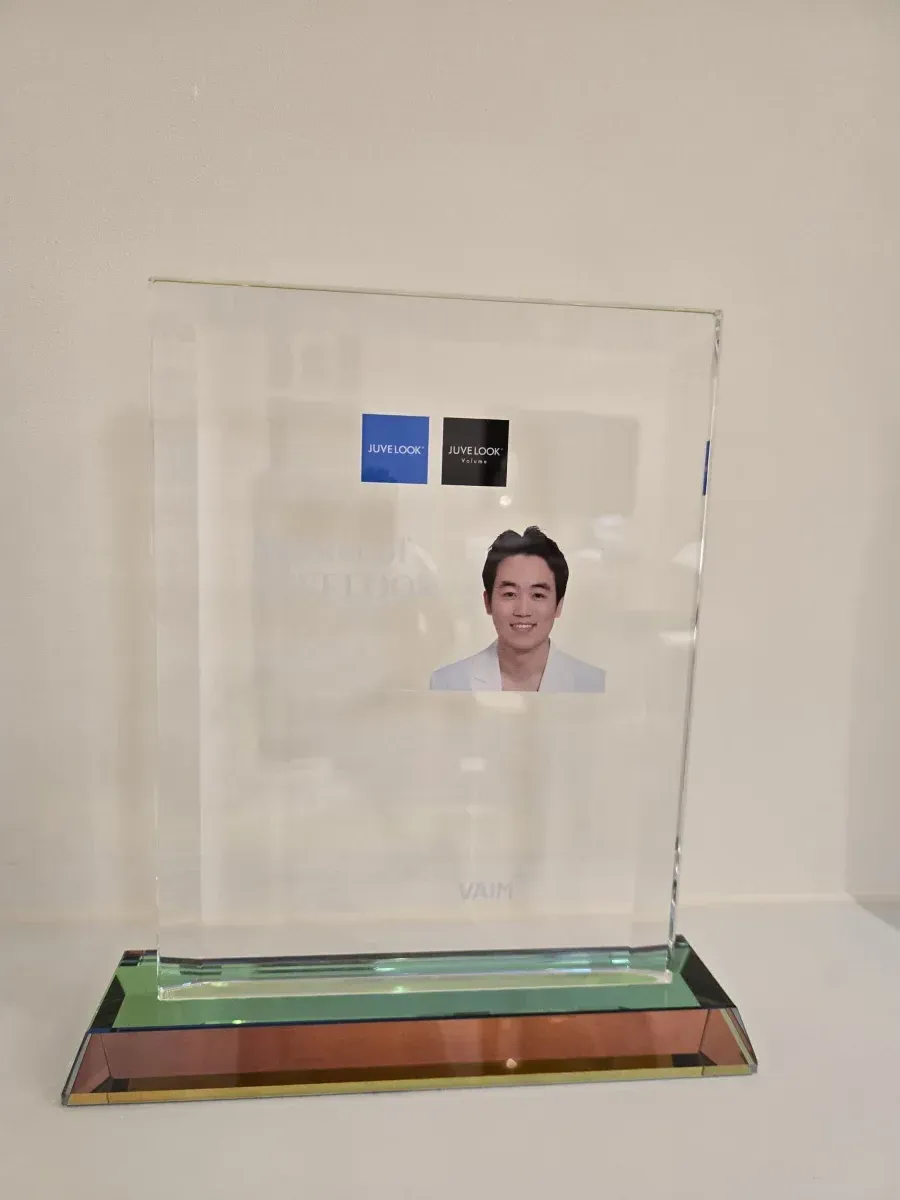
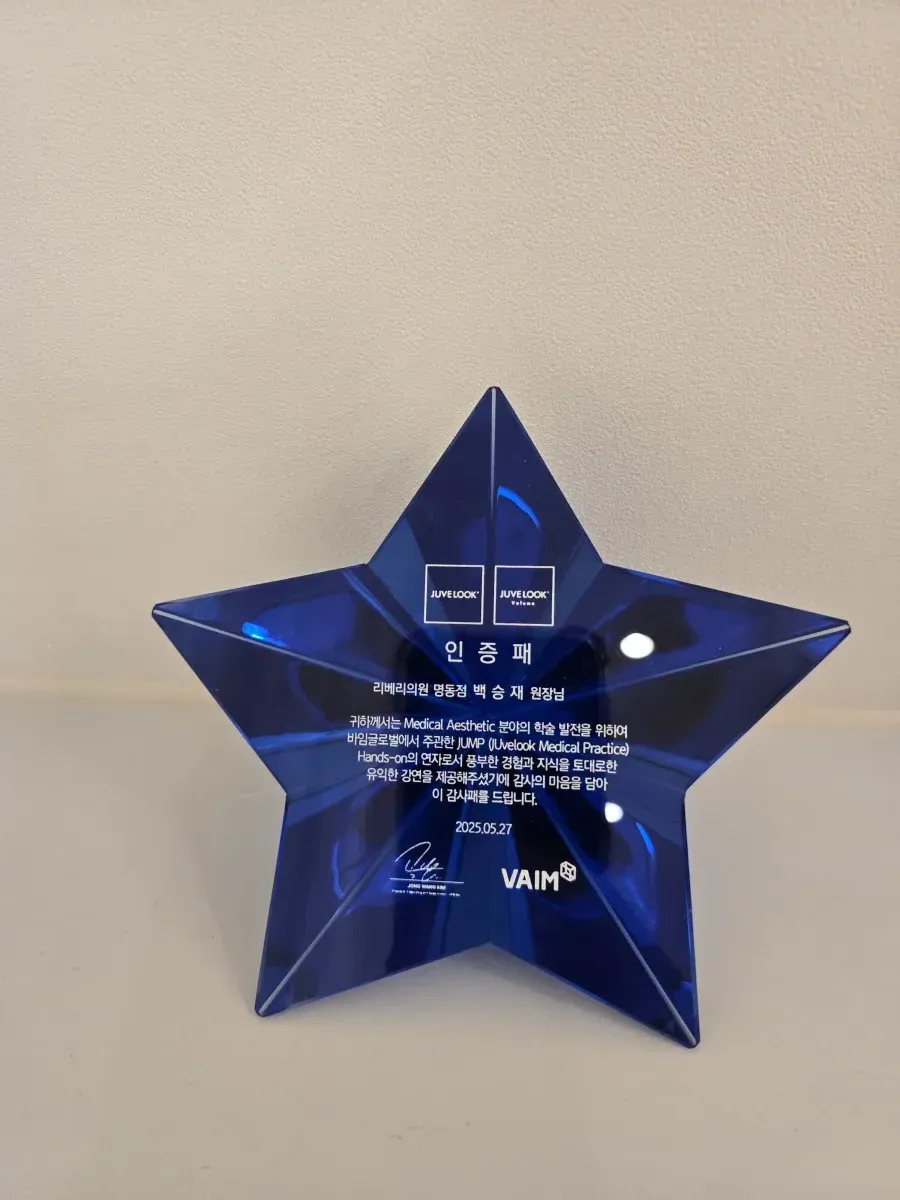
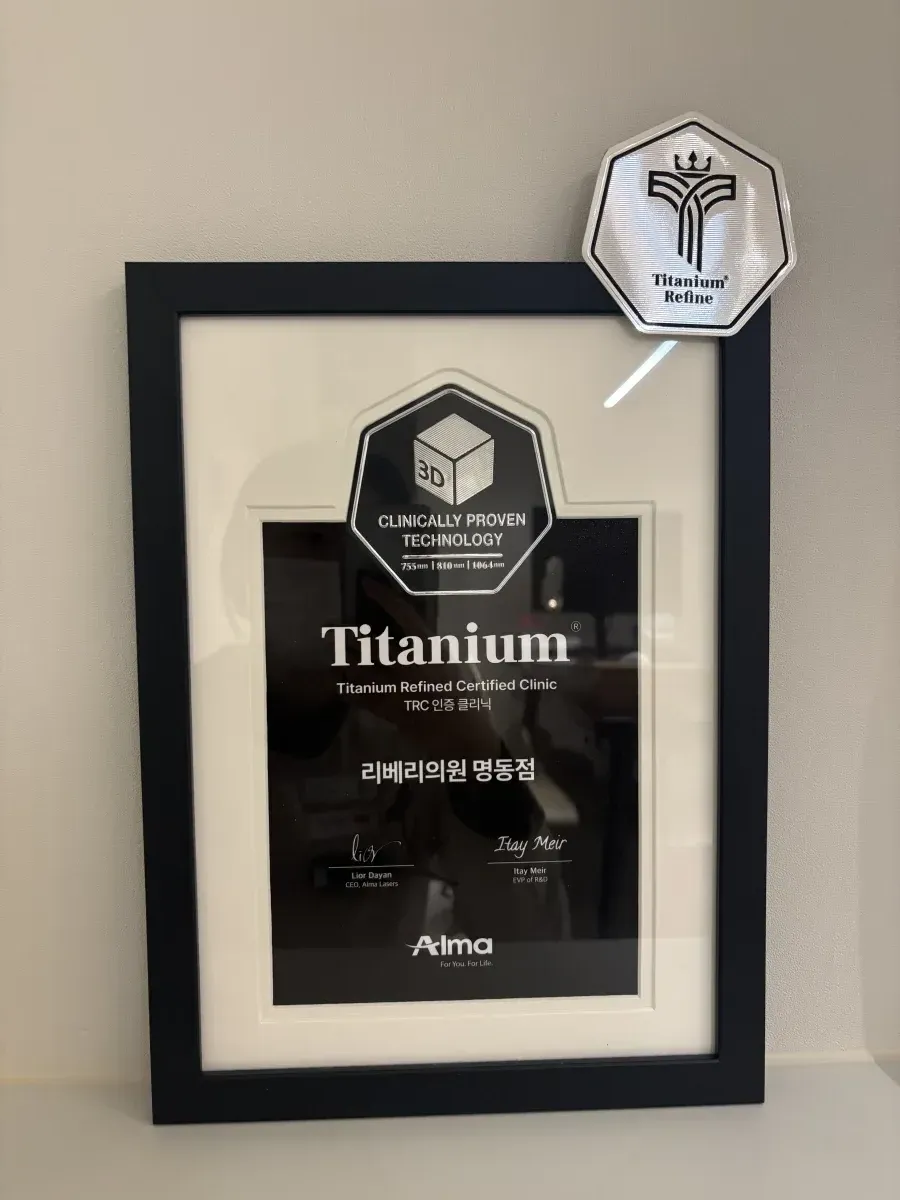
Only Authentic, Brand-Certified Equipment
Every device at RE:BERRY is MFDS-certified and manufacturer-verified. We never use counterfeit or grey-market equipment.
Ready for Safe, Scar-Free Mole Removal?
Book your mole assessment with Dr. Seung-Jae Baek at RE:BERRY Myeongdong — dermoscopic screening, precision removal, 2 minutes from Myeongdong Station.
Related Treatments
Book Your Mole Removal Consultation
Fill out the form and our multilingual team will confirm within 2 hours via your preferred contact method.
- ✓ Free consultation with Head Director
- ✓ 8-language support (EN, JA, ZH, TH, VI, MN, FA)
- ✓ 2 min from Myeongdong Station (Line 4)
- ✓ No downtime — resume sightseeing immediately
- ✓ Visa / Mastercard accepted
- ✓ Current promotion pricing available