Allergic Reaction Skin Treatment in Myeongdong Seoul
Experiencing hives, redness, swelling, or itching while traveling in Seoul? RE:BERRY Myeongdong provides same-day allergic reaction assessment and treatment by board-certified physicians. Walk-ins welcome 365 days a year with 8-language support for international tourists.
What Should I Do If I Have a Skin Allergic Reaction in Seoul?
If you experience a skin allergic reaction in Seoul, visit RE:BERRY Myeongdong for same-day assessment. Dr. Seung-Jae Baek can diagnose and treat contact dermatitis, urticaria (hives), cosmetic reactions, and post-procedure complications. Walk-ins are accepted 365 days a year. The clinic is 2 minutes from Myeongdong Station with 8-language coordinators.
Traveling abroad can trigger unexpected skin reactions. Changes in climate, exposure to unfamiliar skincare products, food allergies, and even reactions to aesthetic treatments at other clinics can cause acute skin distress. RE:BERRY Myeongdong is equipped to handle both mild and moderate allergic skin reactions with on-site medical assessment, prescription-grade antihistamines, topical corticosteroids, and calming LED and cryotherapy treatments. For tourists who experience adverse reactions to cosmetic products purchased in Myeongdong’s many beauty shops, or for patients who had treatments elsewhere and need corrective care, RE:BERRY provides a professional, multilingual medical environment. Our physicians distinguish between true allergic reactions and irritant contact dermatitis, ensuring appropriate treatment from the first visit rather than trial-and-error approaches.
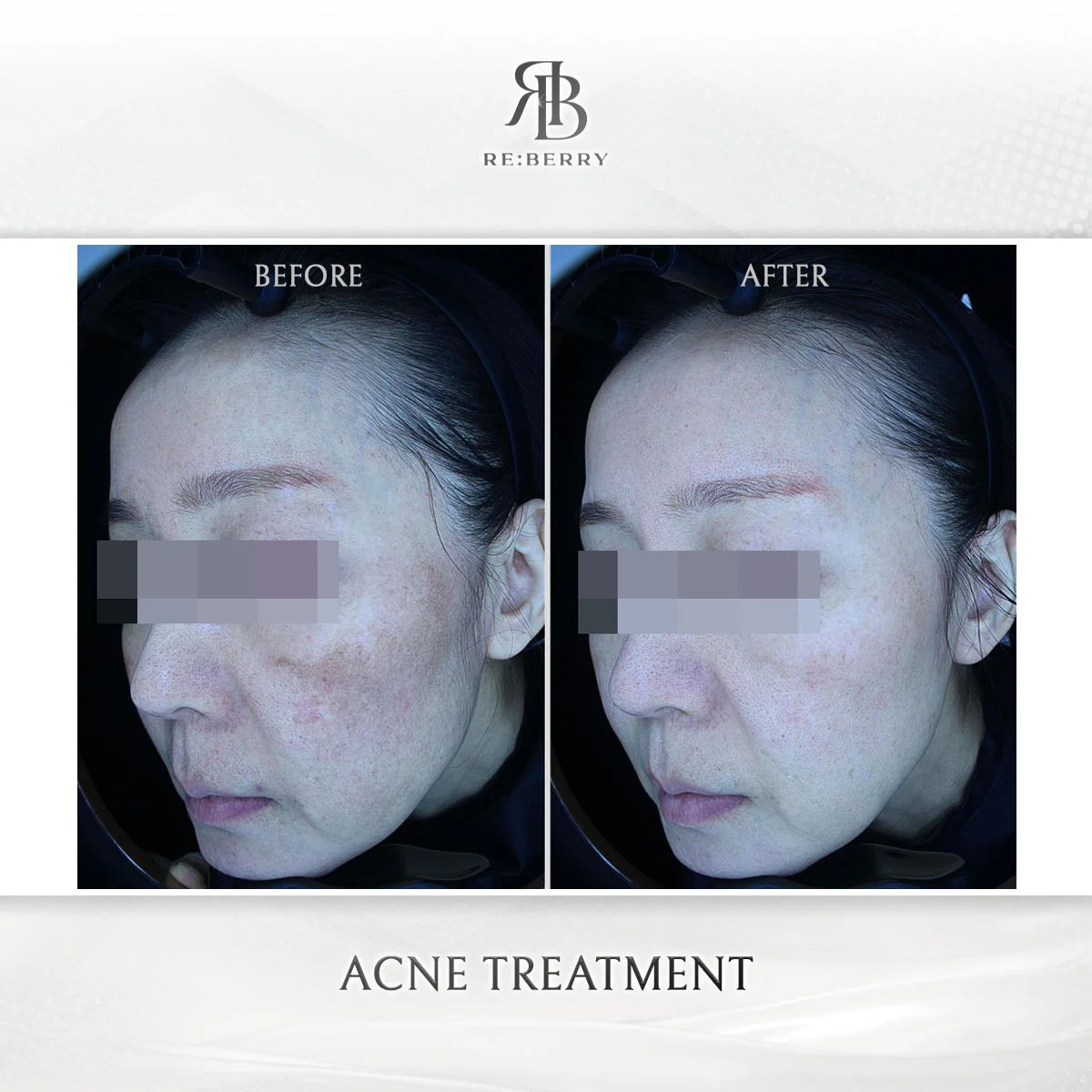
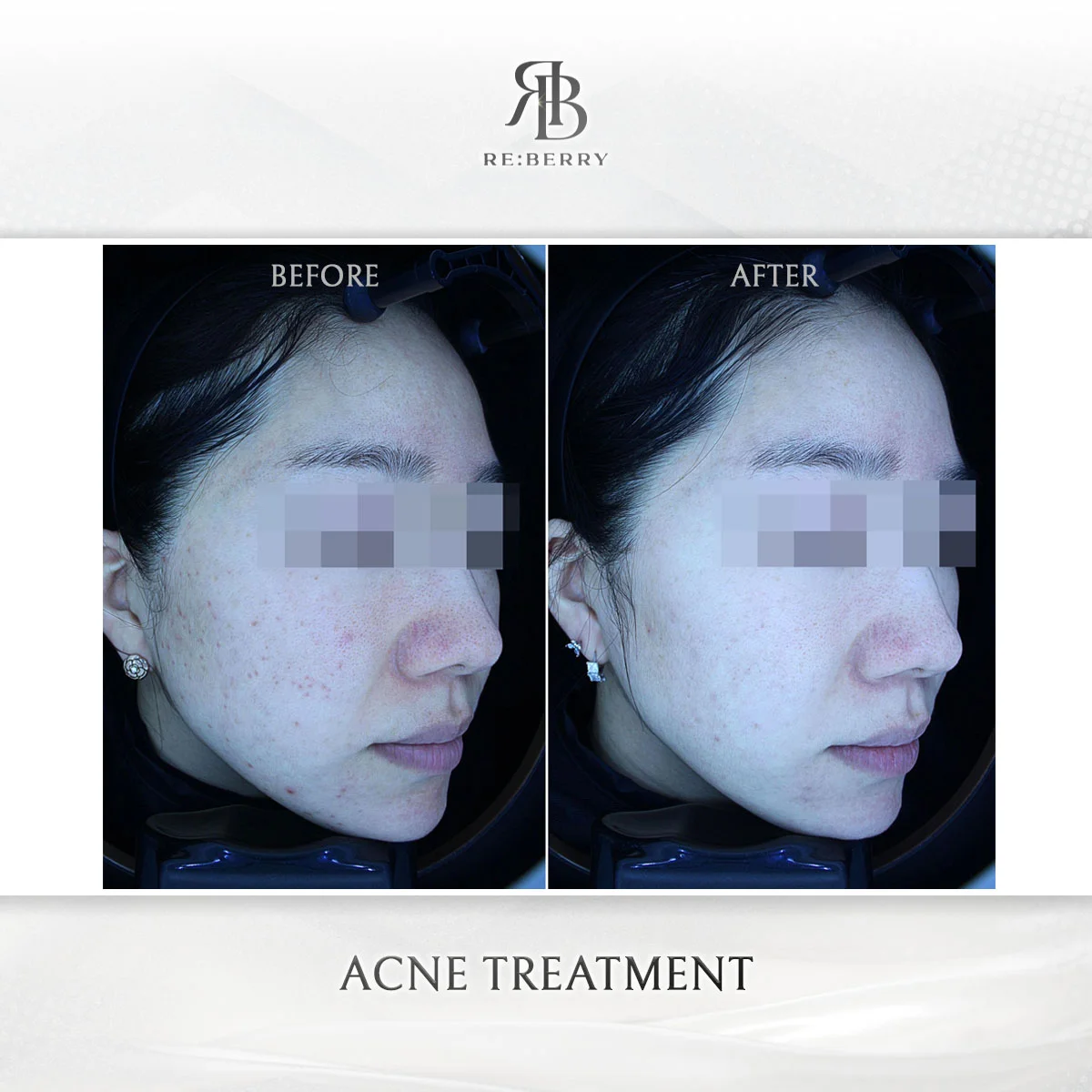
Allergic Reaction Recovery Results
Representative outcomes from patients who received allergic reaction treatment at RE:BERRY Myeongdong.
How Allergic Reaction Treatment Works at RE:BERRY
Systematic four-step protocol for diagnosing and treating skin allergic reactions.
Emergency Assessment & History Taking
Dr. Seung-Jae Baek or Dr. Hoon-Sung Son performs an immediate visual assessment of the affected skin. Our multilingual coordinator takes a detailed history in your language: when symptoms started, suspected triggers (new cosmetics, foods, medications, recent aesthetic treatments), severity progression, and any known allergies. If you had a treatment at another clinic, bring any documentation or product names you can recall.
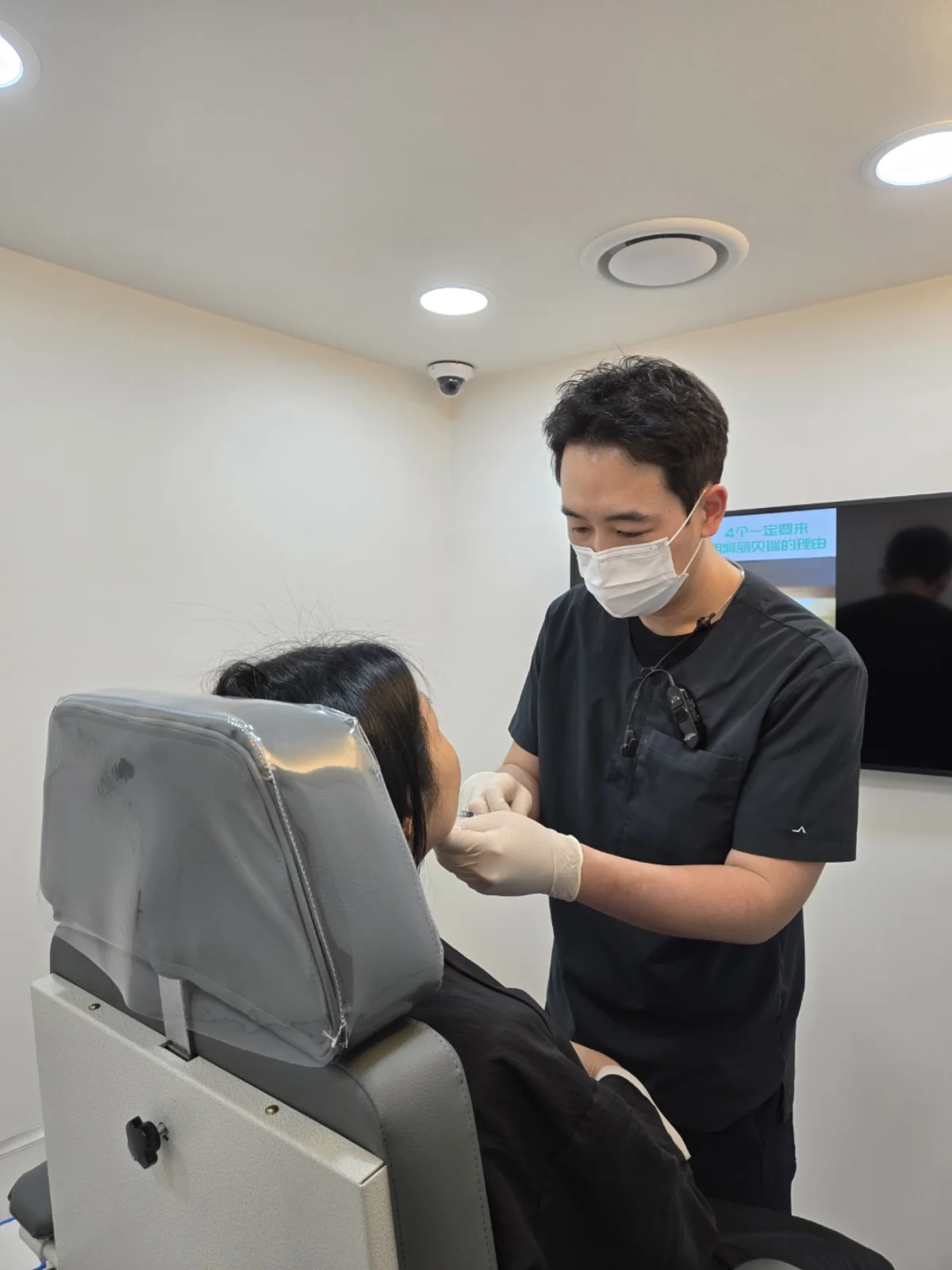
Diagnosis & Classification
The physician classifies your reaction type: Type I immediate hypersensitivity (urticaria/hives, within minutes-hours), Type IV delayed hypersensitivity (contact dermatitis, 24-72 hours), irritant contact dermatitis (non-immune chemical irritation), or post-procedure inflammatory response. Each type requires a different treatment approach. Dermoscopy and clinical examination differentiate between allergic, irritant, and infectious etiologies.
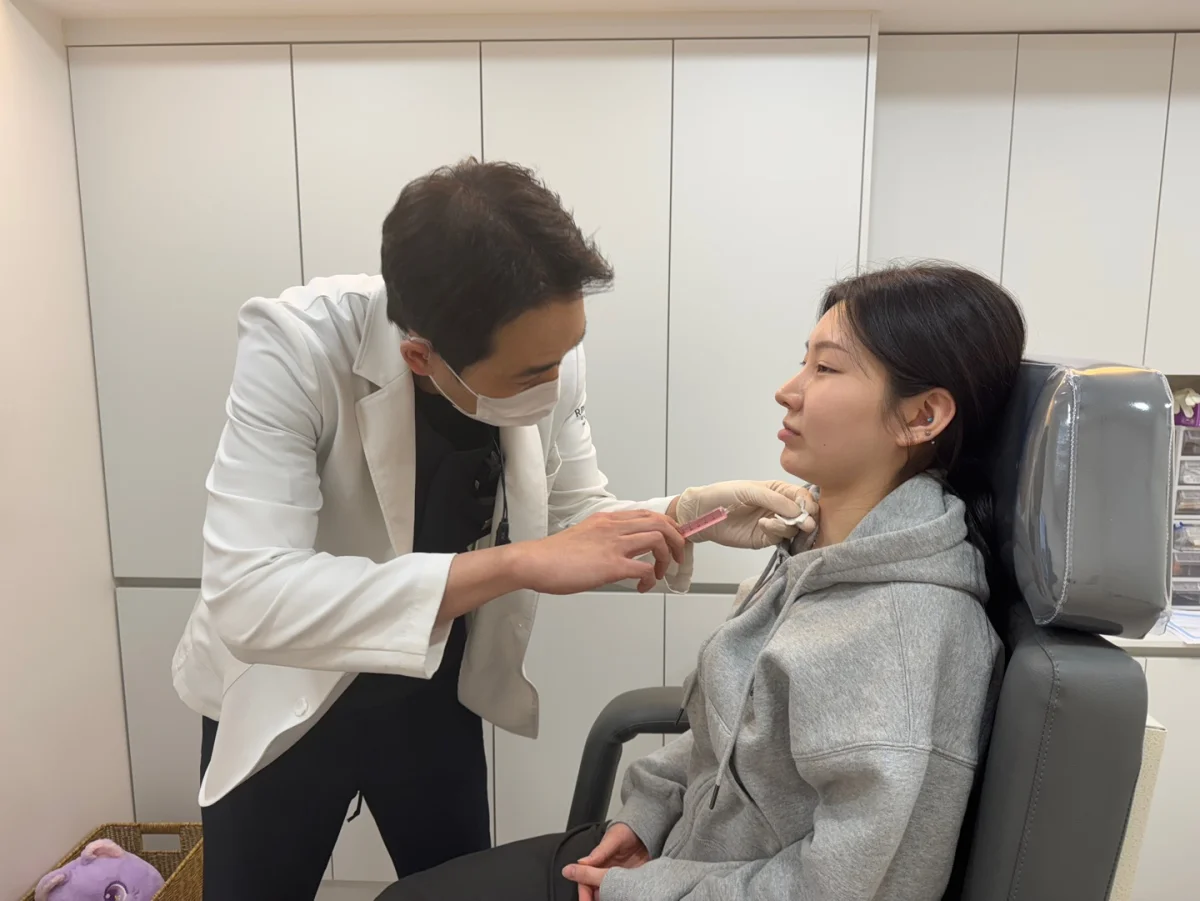
Acute Treatment & Symptom Relief
Based on diagnosis, Dr. Baek prescribes appropriate treatment. Options include oral antihistamines (cetirizine, fexofenadine), topical corticosteroids (appropriate potency for affected area), calming intravenous injections for severe urticaria, and in-clinic treatments such as cryotherapy for inflammation reduction and LED phototherapy (blue light for anti-inflammatory, red light for healing). Dermio Care calming treatment can be applied for post-inflammatory soothing.
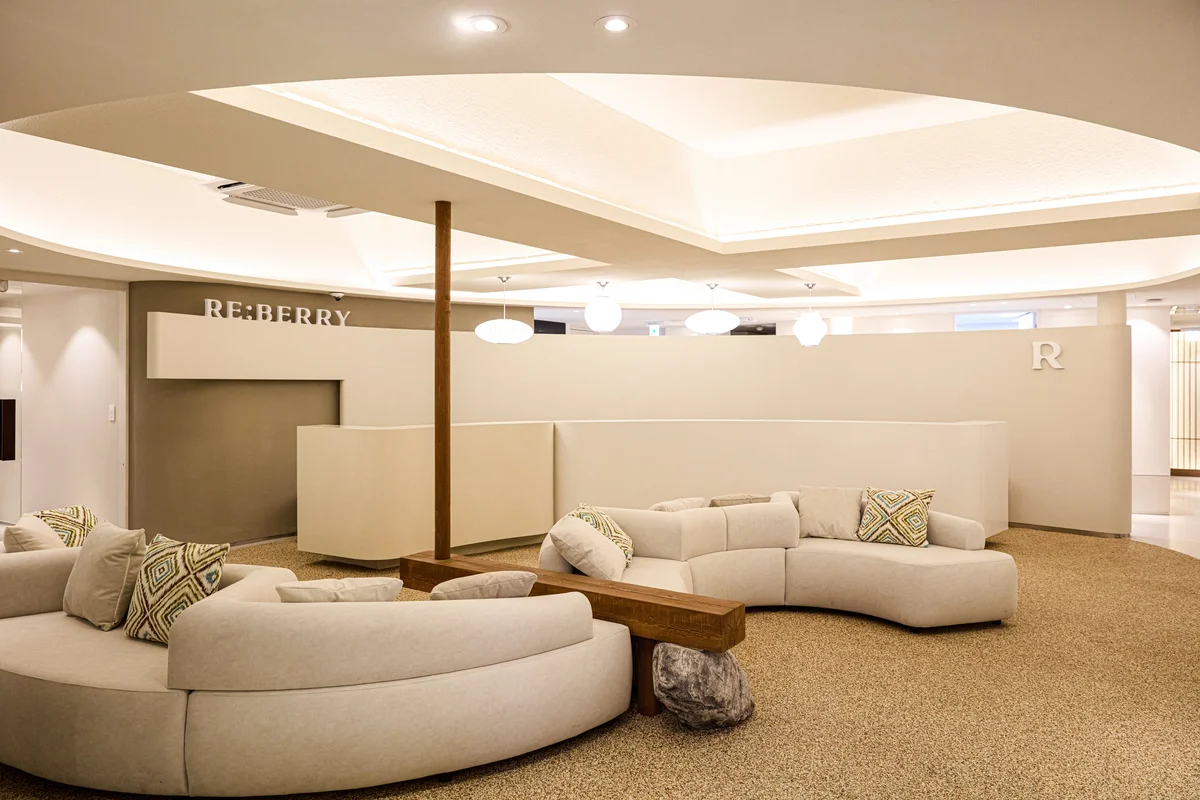
Follow-Up & Prevention Plan
Before you leave, Dr. Baek provides a prescription (if needed), identifies the suspected allergen for future avoidance, and supplies aftercare instructions in your language. For tourists, we provide a travel-appropriate skincare regimen and prescription medications sufficient for your remaining trip duration. A messenger follow-up at 48-72 hours monitors recovery progress.
Understanding Allergic Skin Reactions
- Urticaria (Hives): Raised, itchy welts appearing within minutes to hours of allergen exposure. Can be triggered by foods, medications, or environmental factors. Resolves with antihistamines typically within 24-48 hours.
- Contact Dermatitis: Red, itchy, sometimes blistered skin at the contact site. Common culprits in Myeongdong: new cosmetics, skincare samples, sheet masks, fragrance. Appears 24-72 hours after exposure.
- Post-Treatment Reactions: Excessive redness, swelling, or pustules after aesthetic procedures. May indicate allergy to topical products used, or normal inflammatory response exaggerated by individual sensitivity.
- Cosmetic Allergy: Reaction to K-beauty products purchased in Myeongdong. Common allergens include fragrance, methylisothiazolinone (preservative), and certain botanical extracts.
- Photo-Allergic Reaction: Skin reaction triggered by sun exposure combined with a photosensitizing ingredient in cosmetics or medications. Common in tourists who apply new products then spend time outdoors.
| Timeline | What to Expect |
|---|---|
| Hour 0-1 | For immediate-type reactions (hives): oral antihistamine administered, symptoms begin subsiding within 30-60 minutes. |
| Hour 1-4 | In-clinic monitoring if needed. Calming LED therapy or cryotherapy applied to reduce inflammation. |
| Day 1-2 | Topical corticosteroid regimen reduces redness and itching. Most acute symptoms resolve. |
| Day 3-5 | Residual redness fades. Skin barrier begins repairing. Follow-up assessment via messenger. |
| Week 1-2 | Full resolution for most allergic reactions. Post-inflammatory hyperpigmentation may persist and can be treated with PicoSure toning. |
| Week 2-4 | Skin returns to baseline. Prevention plan in place for future avoidance of identified allergens. |
Types of Skin Allergic Reactions: Diagnosis Guide
| Feature | Urticaria (Hives) | Contact Dermatitis | Irritant Dermatitis | Post-Procedure Reaction |
|---|---|---|---|---|
| Onset | Minutes-hours | 24-72 hours | Minutes-hours | Hours-days |
| Appearance | Raised welts, wheals | Red, vesicles, eczema | Red, burning, dry | Red, swollen, pustules |
| Location | Widespread or localized | Contact area only | Contact area only | Treatment area |
| Itch Level | High | Moderate-High | Burning > itching | Variable |
| Mechanism | IgE-mediated (immune) | T-cell mediated (immune) | Direct chemical damage | Inflammatory response |
| First Aid | Oral antihistamine | Remove trigger + cream | Remove trigger + moisturize | Contact treating clinic |
| Recovery | 24-48 hours | 1-2 weeks | 3-7 days | 3-14 days |
Allergic Reaction Treatment & Skin Recovery Packages
All prices exclude VAT. Walk-in consultation available. Emergency treatment prioritized.
Glutathione Anti-Inflammatory Injection
- Glutathione IV injection
- Anti-inflammatory properties
- Skin brightening effect
- Same-day walk-in available
Acne / Inflammatory Skin All-Kill Package
- Basic Acne/Inflammation Facial
- Potenza RF for skin repair
- Exosome 2cc regeneration
- Dermio Care 15 min calming
- Dr. Baek supervised protocol
Calming Hydration Recovery Package
- Lilied M 5cc + Lilied K 4cc
- Dermio Care 15 min
- Deep calming hydration
- Barrier repair protocol
Meet Our Dermatology Specialists
Board-certified physicians trained to diagnose and treat allergic skin reactions at RE:BERRY Myeongdong.
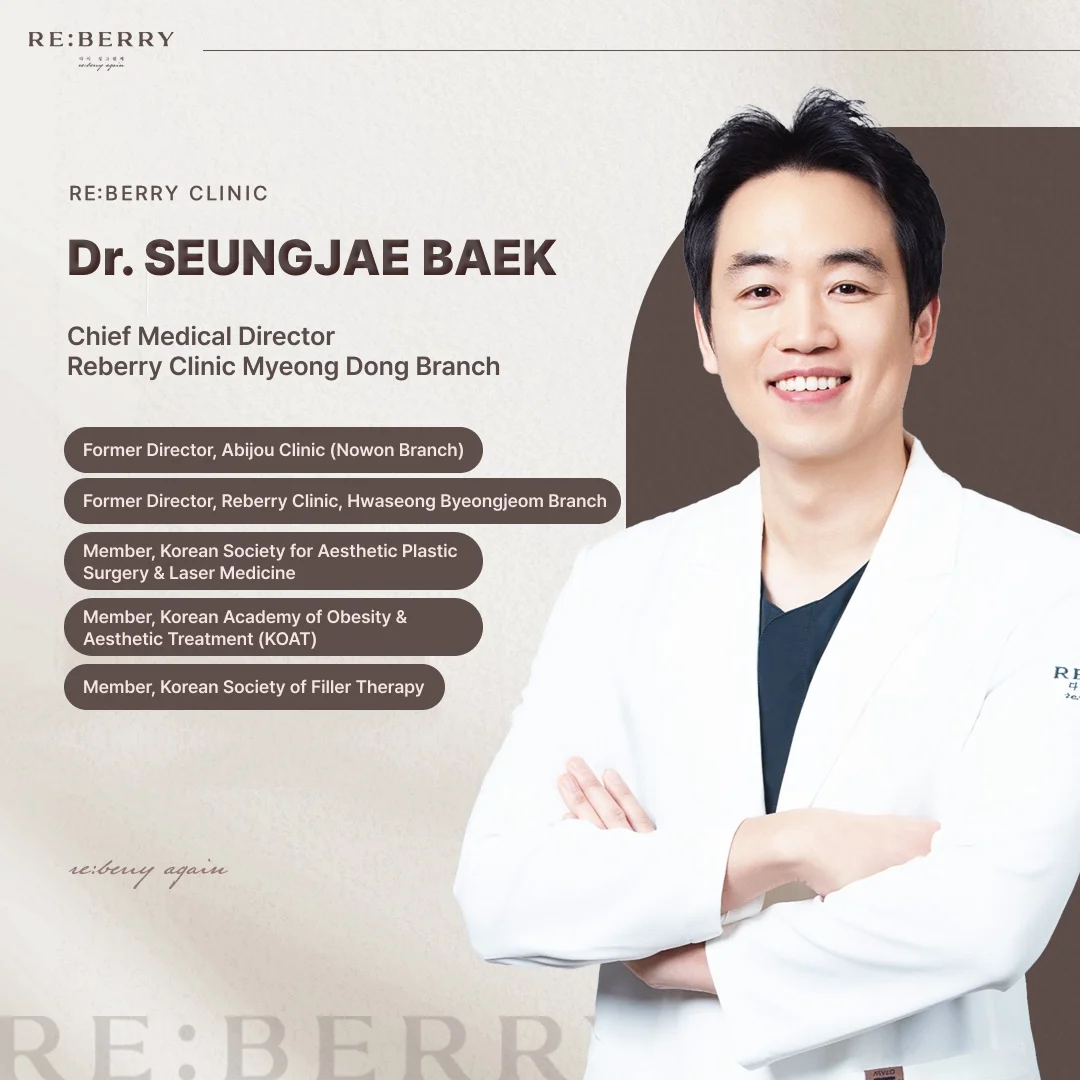
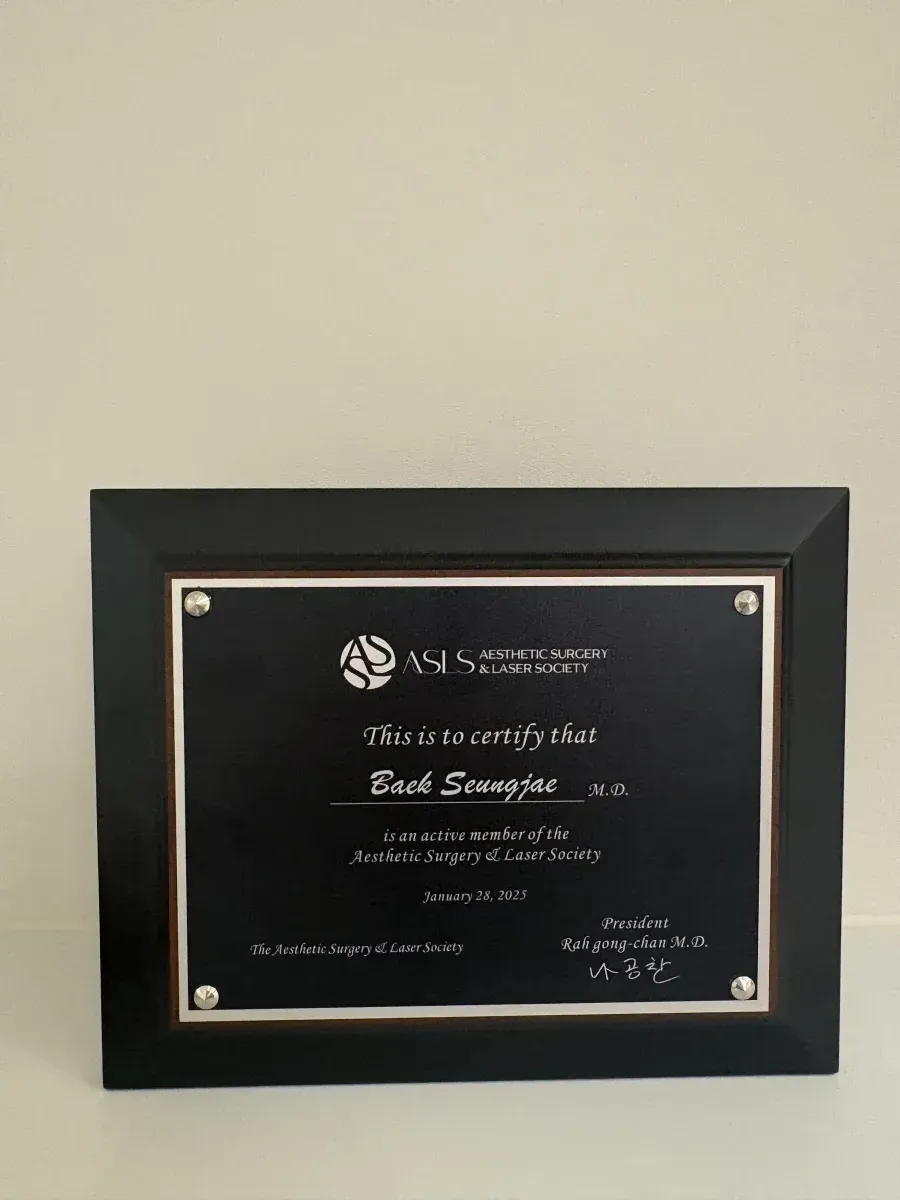
Dr. Seung-Jae Baek
- Head Director, RE:BERRY Clinic Myeongdong
- Juvelook Certified Meister & Speaker
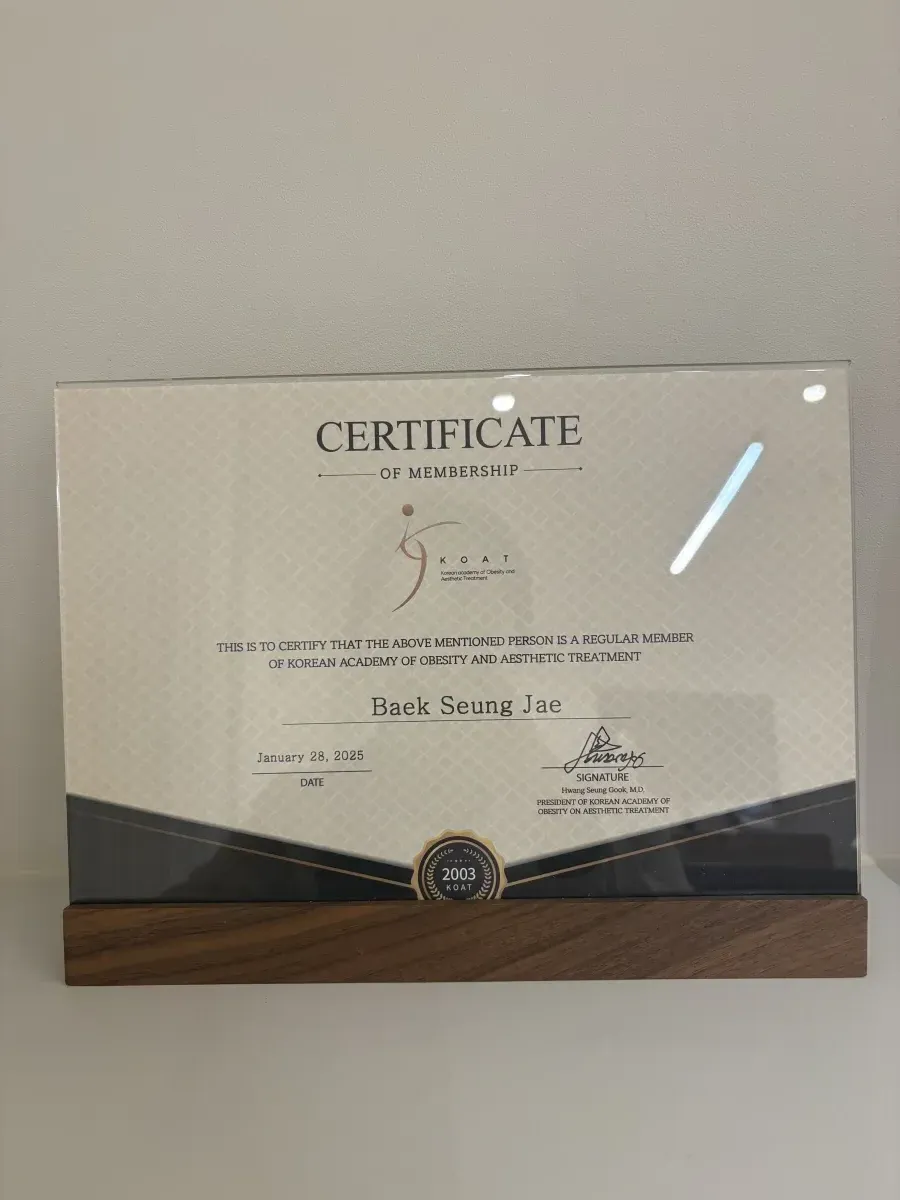
- Member, Korean Academy of Aesthetic Medicine
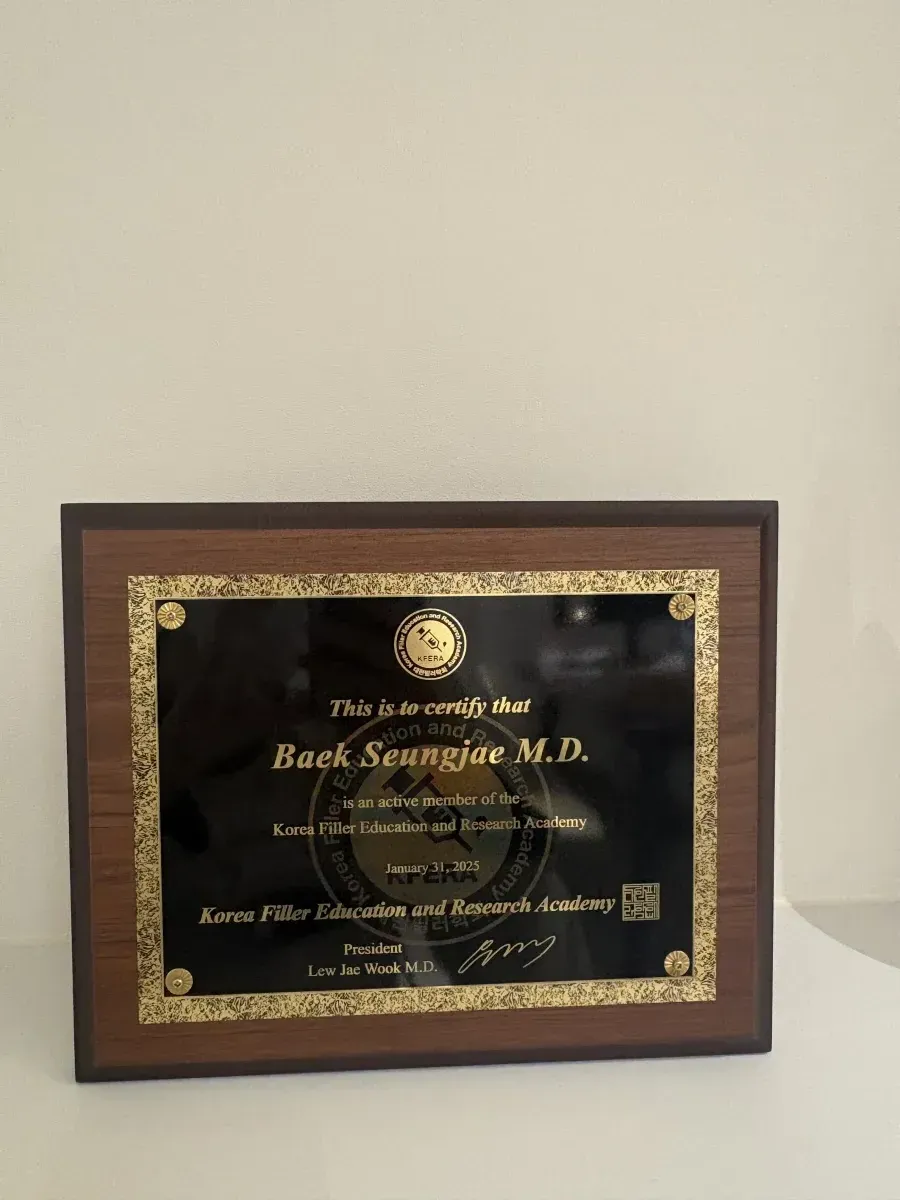
- Member, Korean Filler Education and Research Academy
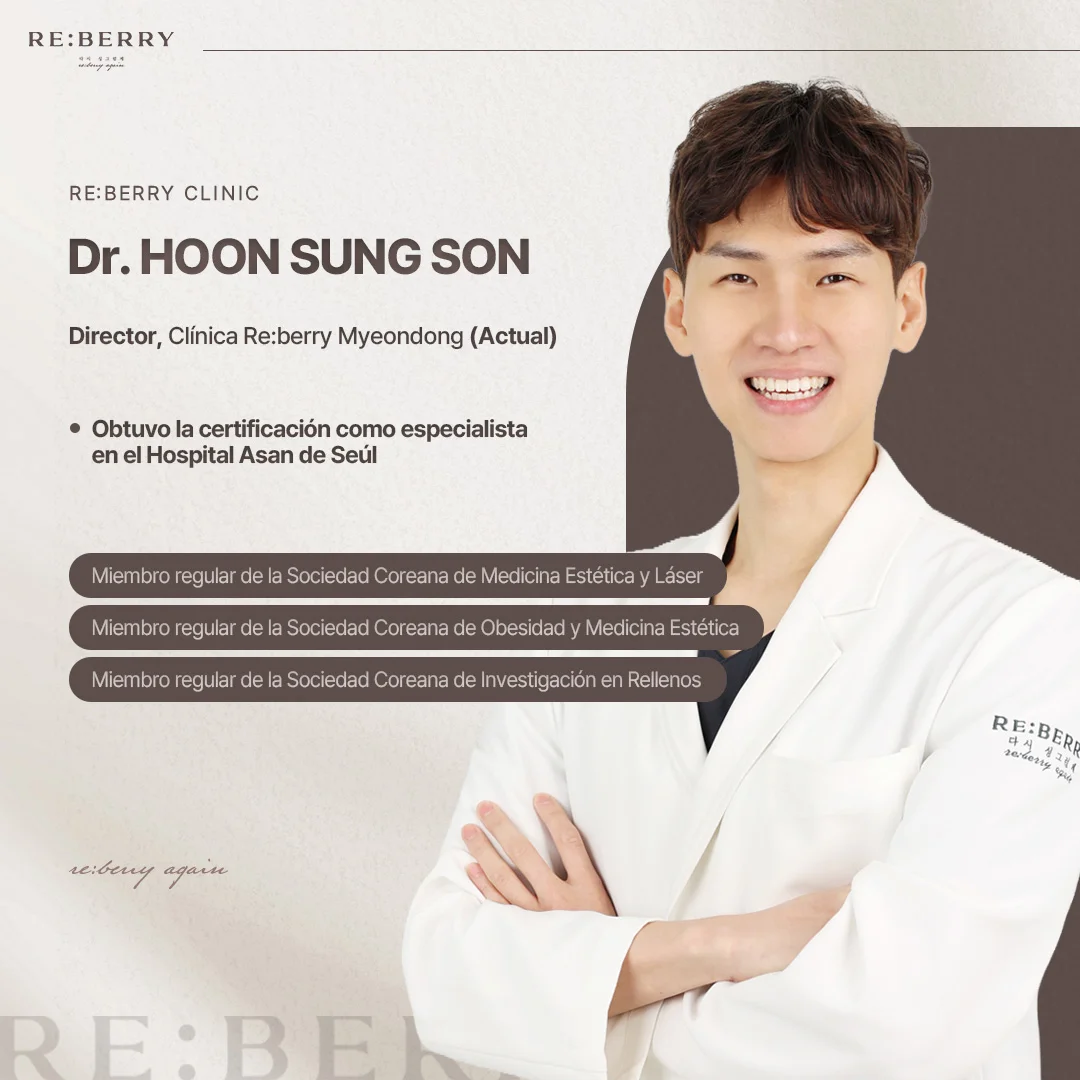
Dr. Hoon-Sung Son
- Doctor, RE:BERRY Clinic Myeongdong
- Member, Korean Academy of Aesthetic Medicine
- Member, Korean Society for Laser Medicine and Surgery
- Specialist in non-surgical lifting treatments
Medically reviewed by Dr. Seung-Jae Baek, Head Director, Myeongdong Branch, RE:BERRY
The Science of Allergic Skin Reactions and Treatment
Evidence-based approach to diagnosing and managing cutaneous allergic reactions in aesthetic medicine.
Immunological Mechanisms of Cutaneous Allergy
Allergic skin reactions involve two primary immunological pathways. Type I immediate hypersensitivity (urticaria) is mediated by IgE antibodies bound to mast cells in the dermis. Upon allergen re-exposure, cross-linking of IgE triggers mast cell degranulation, releasing histamine, leukotrienes, and prostaglandins that cause vasodilation, increased vascular permeability, and the characteristic wheal-and-flare response. This occurs within minutes and is effectively treated with H1 antihistamines. Type IV delayed-type hypersensitivity (allergic contact dermatitis) involves allergen-specific T lymphocytes that recognize haptens bound to Langerhans cells in the epidermis. The immune response develops over 24-72 hours, producing the classic eczematous reaction of erythema, vesiculation, and pruritus. Treatment requires topical corticosteroids to suppress the T-cell-mediated inflammation.
Common Allergens in Korean Cosmetic Products
Myeongdong is Seoul’s most popular shopping district for cosmetics, and tourists frequently try new Korean skincare products. The most common contact allergens in Korean cosmetics identified by the Korean Dermatological Association include fragrance mix (accounting for 14% of positive patch tests), methylisothiazolinone (preservative, 11%), cocamidopropyl betaine (surfactant, 7%), and propolis extract (3%). Sheet masks, which involve prolonged occlusive contact with the skin, represent a particularly high-risk category for contact dermatitis due to extended allergen exposure time. At RE:BERRY Myeongdong, Dr. Seung-Jae Baek advises tourists to introduce one new product at a time and perform a patch test on the inner arm 24 hours before applying new products to the face.
Post-Procedure Allergic Reactions in Aesthetic Medicine
Post-procedure skin reactions can mimic true allergic reactions but often represent expected inflammatory responses or irritant reactions. True allergic reactions to botulinum toxin are exceptionally rare (< 0.001% incidence). Hyaluronic acid filler reactions may involve delayed-onset granulomatous nodules, which require differentiation from infection. Lidocaine allergy (present in many injectables) occurs in approximately 1% of patients and can cause local urticaria. For patients who received treatments at other clinics and present with adverse reactions, RE:BERRY Myeongdong provides objective clinical assessment and appropriate management regardless of where the original procedure was performed.
LED Phototherapy and Cryotherapy for Allergic Inflammation
In addition to pharmacological treatment, RE:BERRY Myeongdong employs LED phototherapy and cryotherapy as adjunctive anti-inflammatory modalities. Blue LED (415nm) activates porphyrins that generate reactive oxygen species with antimicrobial and anti-inflammatory effects. Red LED (633nm) stimulates mitochondrial cytochrome c oxidase, enhancing ATP production and accelerating tissue repair. Cryotherapy at -10 to -20 degrees Celsius reduces inflammation by vasoconstricting superficial blood vessels, decreasing histamine release, and slowing nerve conduction velocity to provide immediate pruritus relief. These non-pharmacological interventions complement antihistamines and corticosteroids for faster resolution of allergic skin reactions.
References: Fabi SG et al. Dermatol Surg. 2017;43(S1):S109-S117. doi:10.1097/DSS.0000000000000867 | Gold MH et al. J Cosmet Dermatol. 2020;19(2):303-309. doi:10.1111/jocd.13172 | Werschler WP et al. J Clin Aesthet Dermatol. 2015;8(10):21-26
Patients Who Received Allergic Reaction Treatment
“I tried a new sheet mask from a Myeongdong beauty store and woke up with my face swollen and red. Walked into RE:BERRY within an hour. Dr. Baek diagnosed contact dermatitis, gave me medication, and my skin was normal again in 3 days. Lifesaver.”
“Had filler at another clinic and developed swelling 3 days later. RE:BERRY diagnosed a late-onset inflammatory reaction and treated it properly. They were professional and did not criticize the other clinic. Just focused on fixing the problem.”
“Food allergy caused hives all over my body during my Seoul trip. The 8-language support was crucial because I could barely think straight. They treated me immediately and followed up via LINE the next day.”
Allergic Reaction Treatment FAQ
Answers for tourists experiencing skin reactions in Seoul and seeking professional treatment at RE:BERRY Myeongdong.
Yes. RE:BERRY Myeongdong accepts walk-in patients for allergic reaction assessment 365 days a year. Allergy cases are prioritized. No appointment needed for acute reactions. The clinic is 2 minutes from Myeongdong Station Exit 9.
Consultation and basic treatment (antihistamines, topical prescription) starts from the consultation fee. The Glutathione anti-inflammatory injection is ₩39,000 as a first-visit trial. The comprehensive Acne/Inflammatory All-Kill Package is ₩690,000 for severe cases. All prices exclude VAT.
Yes. RE:BERRY Myeongdong treats post-procedure complications from other clinics professionally and without judgment. Dr. Seung-Jae Baek diagnoses the reaction type and provides appropriate treatment. Bring any documentation from the original procedure if available.
Stop using the product immediately. Wash the affected area with lukewarm water and a gentle cleanser. Take an oral antihistamine (cetirizine or loratadine) if available. Visit RE:BERRY Myeongdong for professional assessment. Bring the product so the doctor can identify the potential allergen.
Urticaria (hives) typically resolves within 24-48 hours with antihistamine treatment. Contact dermatitis takes 1-2 weeks with topical corticosteroid treatment. Post-procedure reactions vary from 3-14 days. RE:BERRY Myeongdong monitors recovery via messenger.
Yes. RE:BERRY Myeongdong offers many treatments suitable for sensitive skin including Rejuran Healer (biocompatible PDRN), LED therapy, and gentle skin boosters. Dr. Baek performs a thorough allergy history before recommending any treatment.
Dr. Seung-Jae Baek conducts a detailed allergy history during consultation. For patients with known sensitivities, patch testing or small-area test injections can be performed before full treatment. All products used at RE:BERRY Myeongdong are genuine with documented ingredient lists.
Contact RE:BERRY Myeongdong via WhatsApp, LINE, or WeChat with photos and symptoms. Dr. Baek reviews your case remotely and provides guidance. If local treatment is needed, we can communicate with your home physician in English to ensure continuity of care.
Korean cosmetics comply with KFDA safety regulations and are generally safe. However, individual sensitivities vary. Common triggers include fragrance, methylisothiazolinone, and certain botanical extracts. RE:BERRY Myeongdong advises patch-testing new products 24 hours before facial application.
Yes. Unfamiliar foods containing shellfish, nuts, soy, wheat, or sesame can trigger urticaria (hives) or angioedema. RE:BERRY Myeongdong treats food-related skin allergic reactions with oral antihistamines and, if severe, intravenous anti-inflammatory medication.
Normal post-treatment responses include mild redness (resolving in hours), slight swelling (24-48 hours), and minor tenderness. Allergic reactions involve severe redness, hives, spreading rash, intense itching, or blistering. If unsure, RE:BERRY Myeongdong recommends evaluation rather than waiting.
Yes. Blue LED (415nm) and red LED (633nm) phototherapy are available for anti-inflammatory and healing purposes. LED therapy is non-invasive, painless, and safe for inflamed skin. It complements antihistamine and corticosteroid treatment at RE:BERRY Myeongdong.
Dr. Seung-Jae Baek recommends waiting until the allergic reaction fully resolves before proceeding with elective aesthetic treatments. For lifting procedures like Sofwave or Ultherapy Prime, typically a 1-2 week waiting period after resolution is advised.
Tourists typically do not have Korean health insurance. RE:BERRY Myeongdong provides treatment on a self-pay basis. If you have international travel insurance, we provide detailed receipts and medical documentation for your insurance claim.
RE:BERRY Myeongdong primarily serves adult patients. For pediatric allergic reactions, we recommend visiting a general hospital emergency department. Our coordinator can help arrange a hospital referral and provide translation assistance.
Depending on severity: oral H1 antihistamines (cetirizine, fexofenadine), topical corticosteroids (appropriate potency for affected area), calming moisturizers for barrier repair, and in severe cases, short-course oral corticosteroids. All prescriptions are provided with instructions in your language.
Yes. Stress, jet lag, dehydration, and climate changes can trigger or worsen skin sensitivity. These factors can lower the skin barrier threshold, making you more susceptible to irritant and allergic reactions. RE:BERRY Myeongdong treats stress-induced skin conditions and provides calming protocols.
RE:BERRY Myeongdong has emergency protocols and epinephrine available for severe allergic reactions. For anaphylaxis requiring intensive care, the clinic coordinates immediate transfer to nearby hospitals (Seoul National University Hospital Bundang, Severance Hospital) with our coordinator providing translation.
Yes. Bringing the suspected product helps Dr. Seung-Jae Baek identify the specific allergen from the ingredient list. This information is crucial for your prevention plan and helps avoid the same allergen in future products.
RE:BERRY Myeongdong can perform targeted ingredient testing for suspected allergens. Full 80-panel patch testing is better performed at a general dermatology hospital. Dr. Baek can refer you to a patch test clinic if comprehensive allergy profiling is needed.
Introduce one new product at a time. Patch test on inner arm for 24 hours before facial use. Maintain your usual skincare routine. Carry oral antihistamines. Use SPF 50+ daily. Avoid fragranced products if you have a history of sensitivity. RE:BERRY Myeongdong offers preventive skin barrier treatments.
Yes. Climate changes and travel stress commonly trigger eczema (atopic dermatitis) flares. RE:BERRY Myeongdong provides acute eczema management including topical immunomodulators, barrier repair protocols, and calming LED therapy.
Yes. Dermio Care is available at RE:BERRY Myeongdong as a 15-minute calming and barrier repair treatment. It is included in the Acne/Inflammatory All-Kill Package (₩690,000) and can be added to other treatments.
Dr. Seung-Jae Baek and Dr. Hoon-Sung Son communicate through RE:BERRY Myeongdong’s 8-language coordinators in English, Japanese, Chinese (Simplified and Traditional), Thai, Vietnamese, Mongolian, and Farsi. Diagnosis and treatment plans are documented in your language.
RE:BERRY Myeongdong offers same-day walk-in allergy assessment, 365-day availability, 8-language support, board-certified physicians, on-site LED and cryotherapy for inflammation, and messenger-based post-visit follow-up. The Myeongdong location is convenient for tourists and only 2 minutes from the subway station.
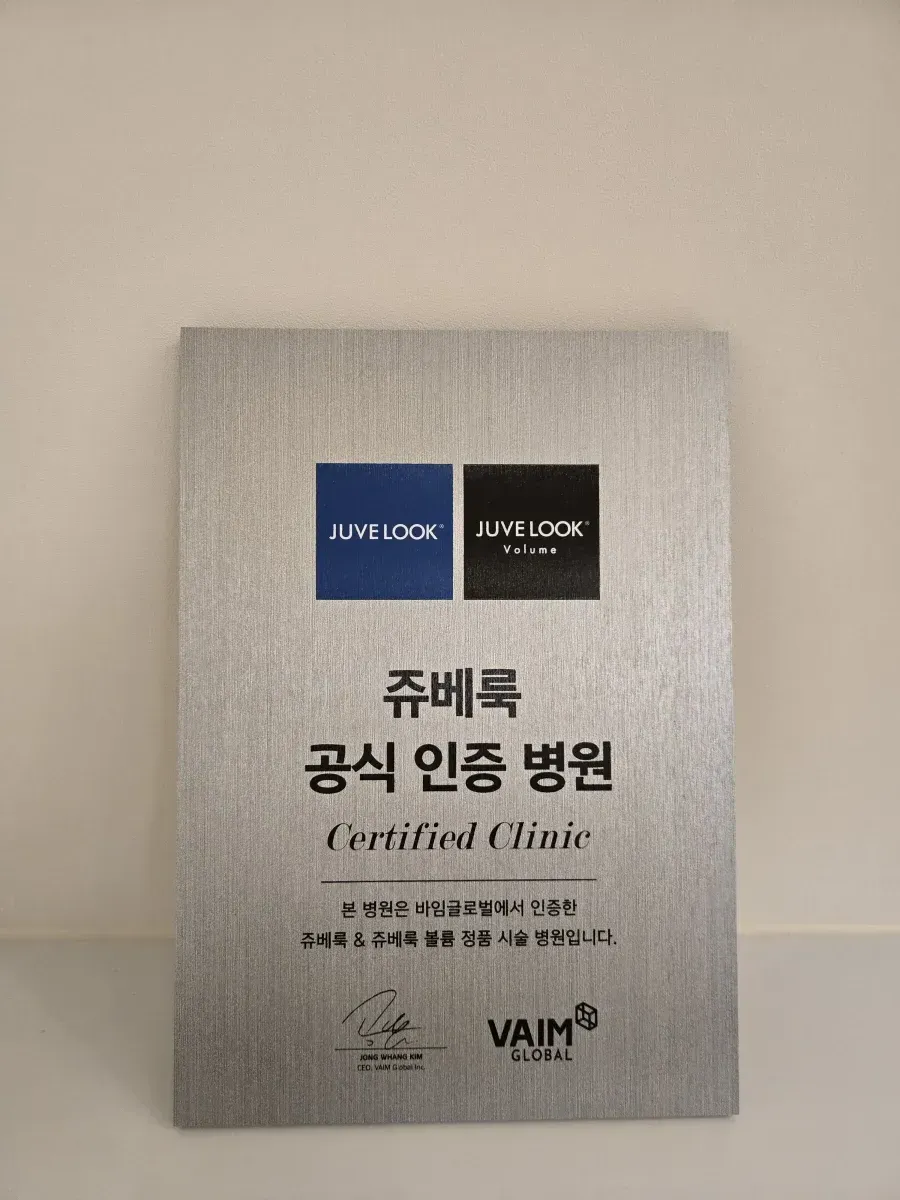
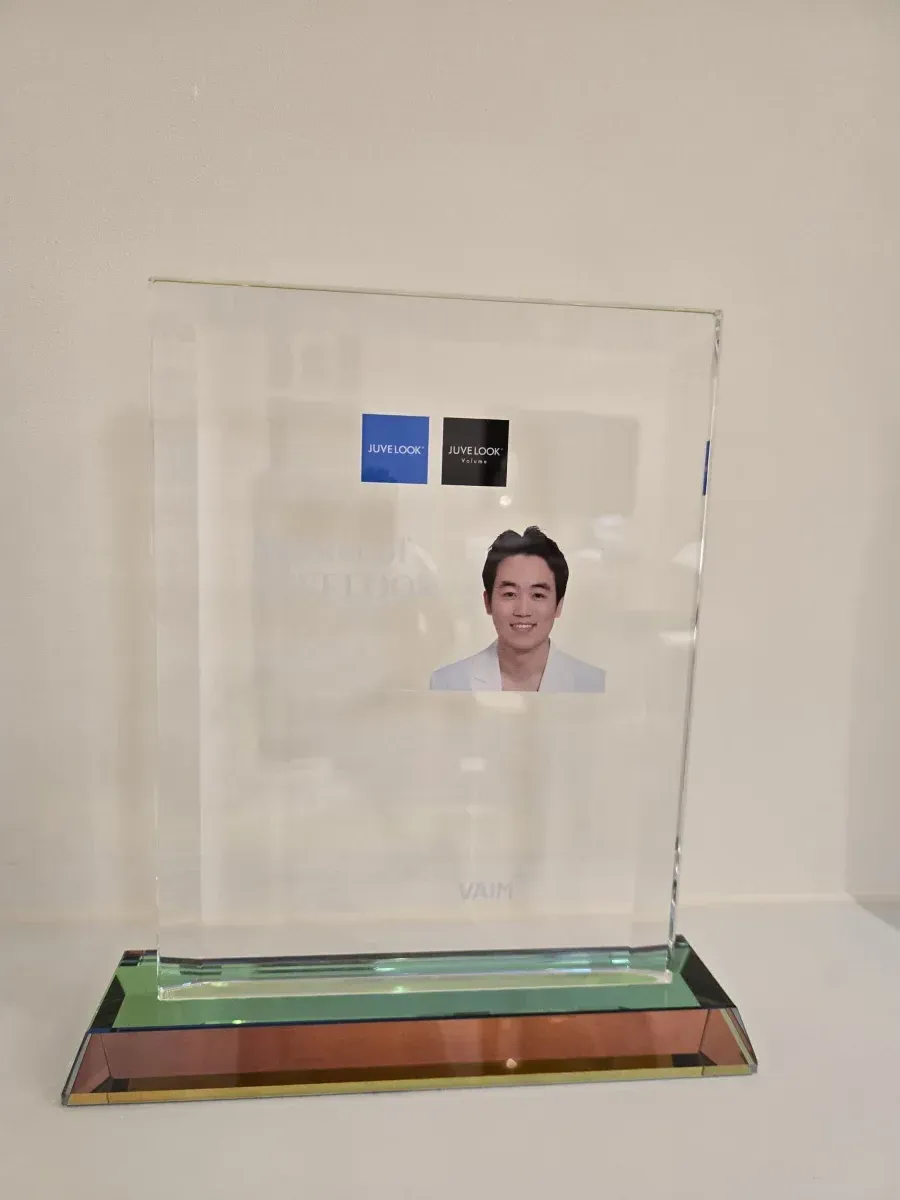
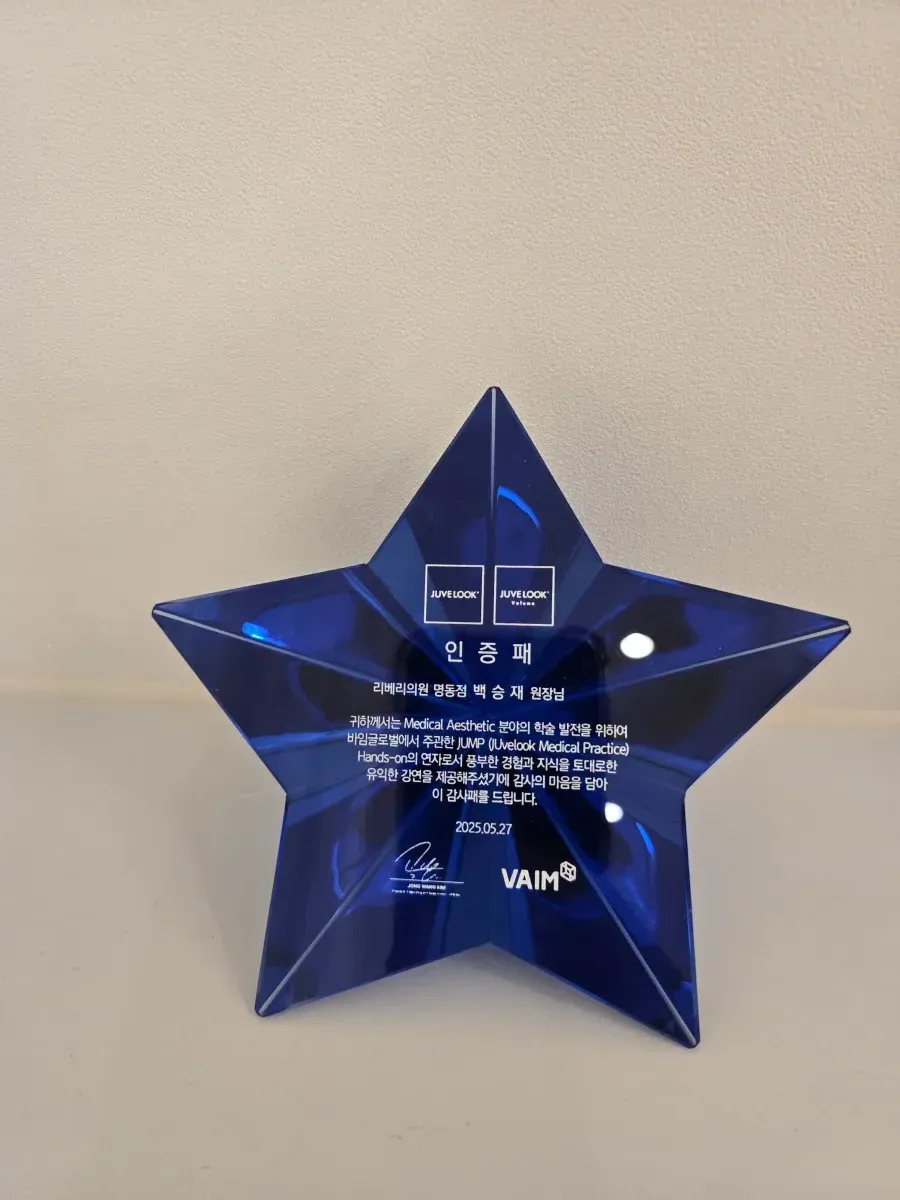
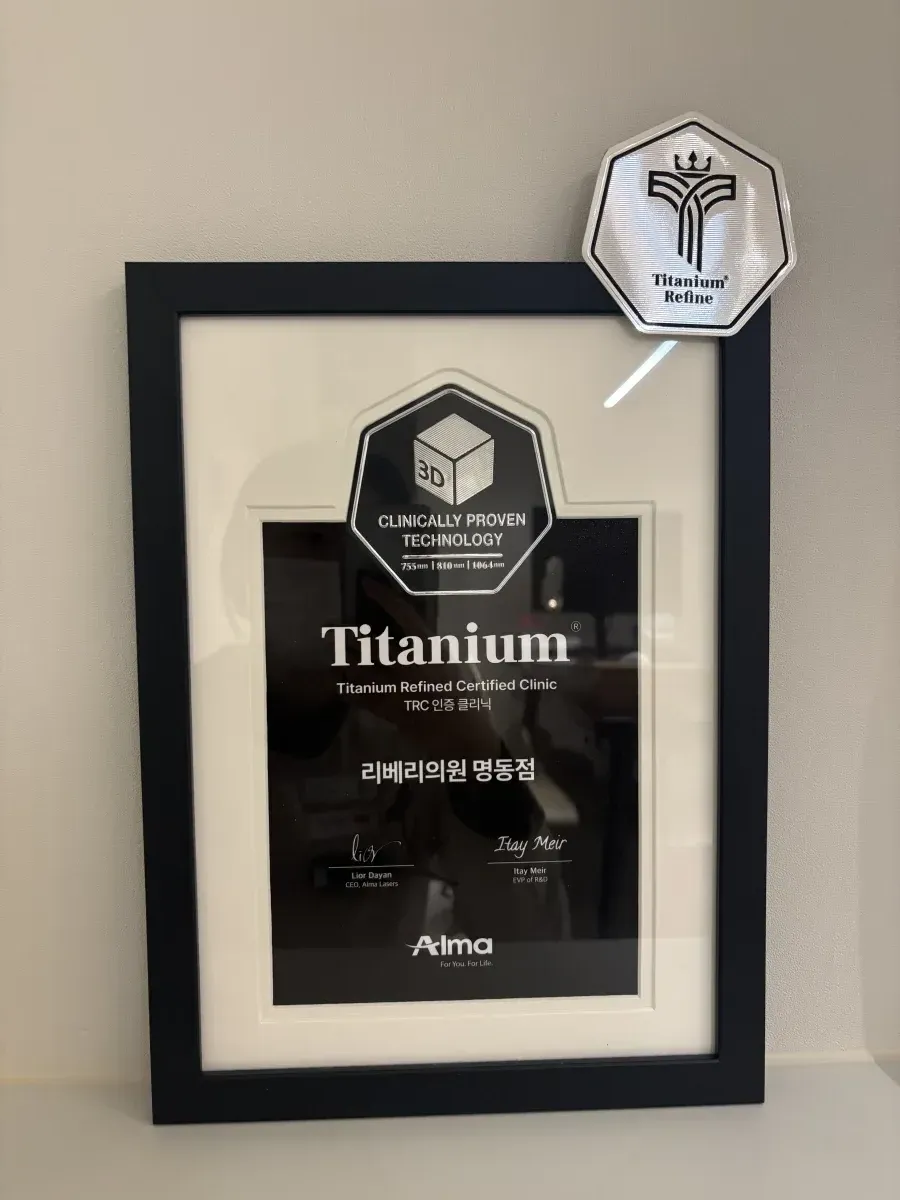
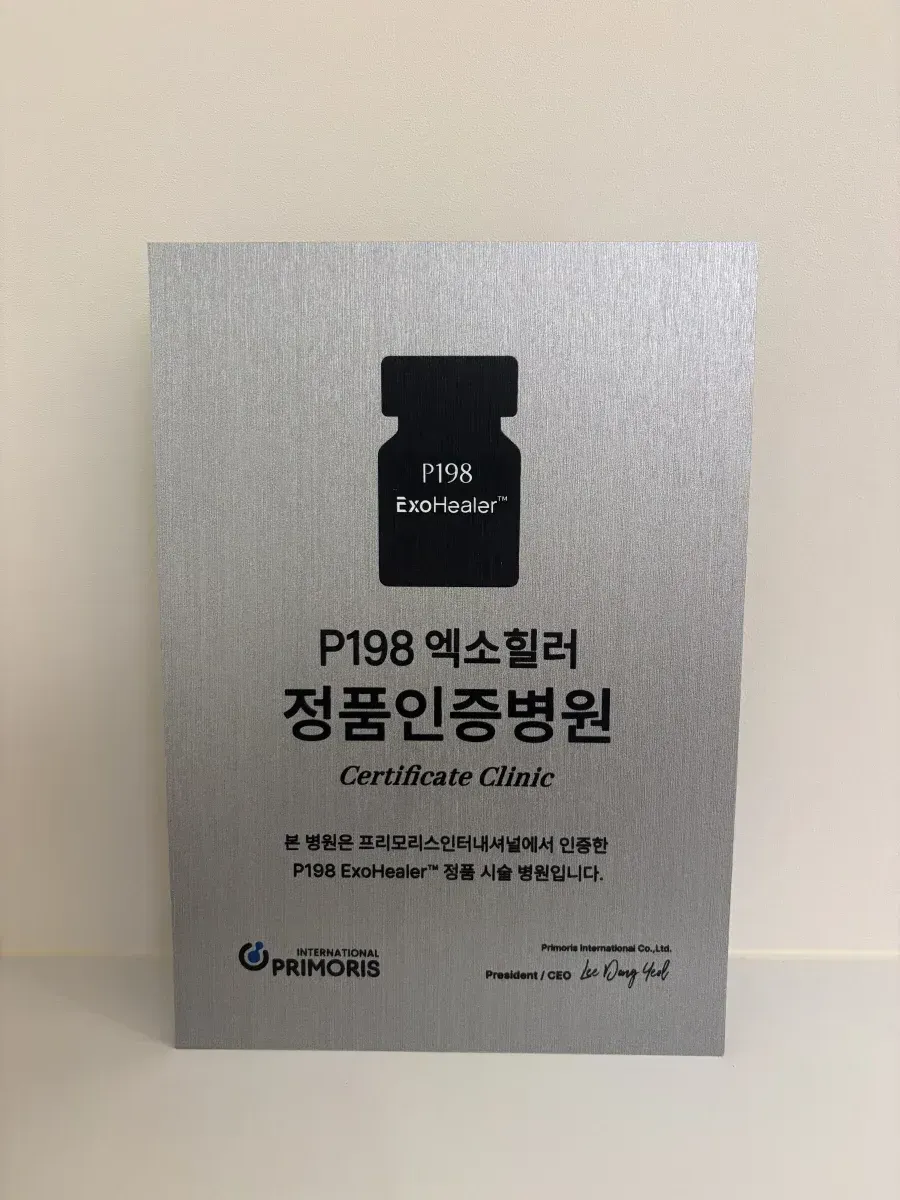
Only Authentic, Brand-Certified Equipment
Every device at RE:BERRY is MFDS-certified and manufacturer-verified. We never use counterfeit or grey-market equipment.
Experiencing a Skin Reaction? Visit RE:BERRY Now
Walk-ins welcome 365 days a year. RE:BERRY Myeongdong — 2 minutes from Myeongdong Station Exit 9. 8-language support available.
Book Emergency Allergy Consultation
Fill out the form and our multilingual team will confirm within 2 hours via your preferred contact method.
- ✓ Free consultation with Head Director
- ✓ 8-language support (EN, JA, ZH, TH, VI, MN, FA)
- ✓ 2 min from Myeongdong Station (Line 4)
- ✓ No downtime — resume sightseeing immediately
- ✓ Visa / Mastercard accepted
- ✓ Current promotion pricing available