.webp)
Pigmentation Laser Myeongdong Seoul 2026 — Pico Toning + IPL + Q-Switch + Pico Spot | RE:BERRY
Pigmentation laser Myeongdong Dual Toning — calibrated melasma, PIH, and lentigo protocols for Fitzpatrick III-IV Korean Asian skin combining Pico Toning 755nm, IPL 500-1200nm, Q-Switched Nd:YAG 1064nm, and Pico Spot focal targeting. RE:BERRY Myeongdong delivers 60-90 minute consultations with same-doctor continuity at pricing.
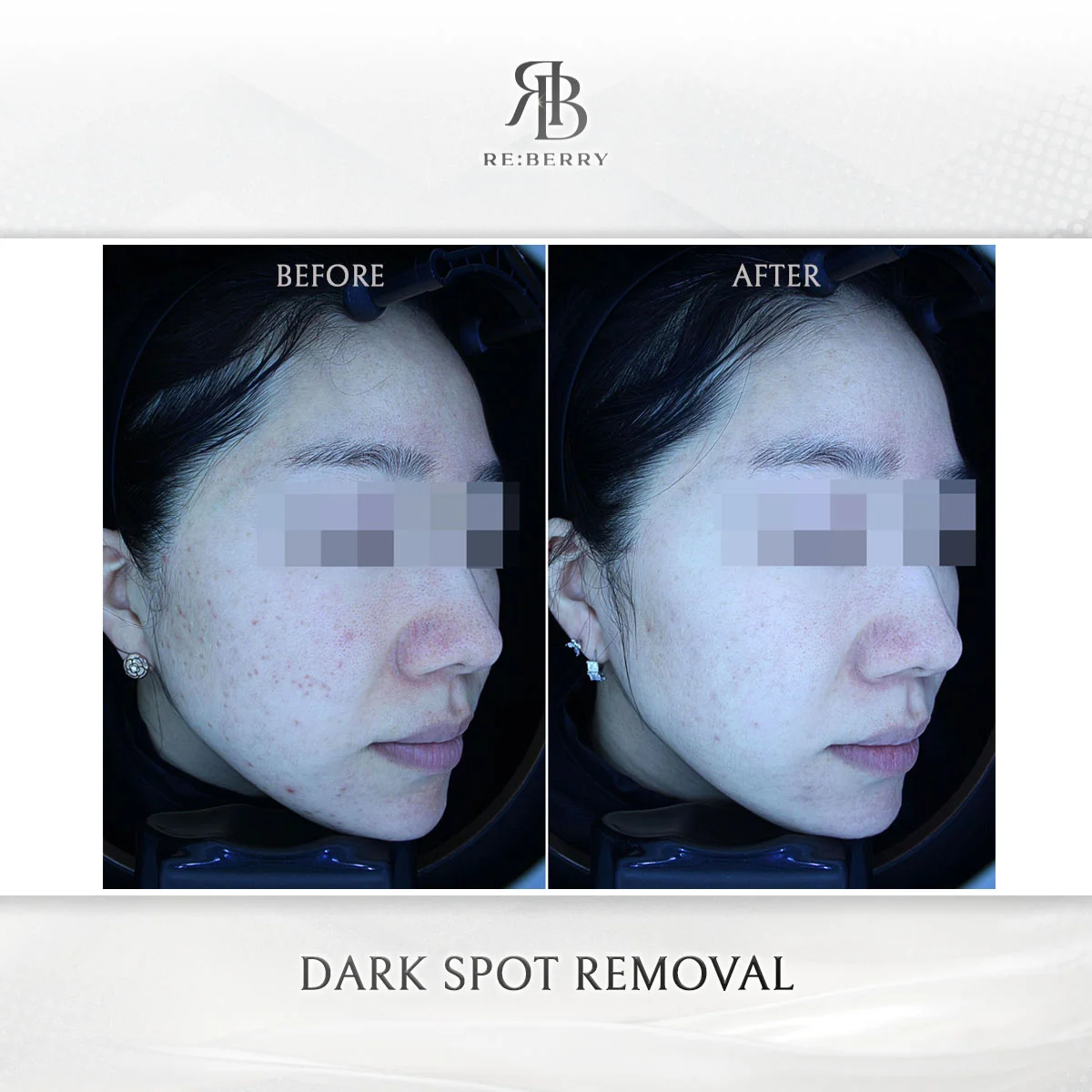
What is Pigmentation Laser at RE:BERRY Myeongdong?
Pigmentation laser at RE:BERRY Myeongdong combines four FDA- and Korea MFDS-cleared platforms — PicoSure 755nm picosecond Pico Toning, Lutronic Spectra Q-Switched 1064/532nm, broadband IPL, and PicoSure Pico Spot — calibrated for Korean Asian Fitzpatrick III-IV skin. The Dual Toning package per session, treating melasma, PIH, lentigo, freckles, ABNOM, and nevus of Ota with 100% same-doctor continuity, 60- to 90-minute consultations, and pricing.
RE:BERRY Myeongdong’s pigmentation laser protocol is calibrated by Mark-Vu pigmentation analysis MX 18 melanin index and Fitzpatrick type, with low-fluence picosecond pulses delivered first to avoid thermal trigger of melasma. Head Director Dr. Seung-Jae Baek (Korean MOHW Medical License No.143338) selects between Pico Toning for diffuse melasma, Q-Switched 1064/532nm for deeper lentigo, IPL for vascular-mixed pigmentation, and PicoSure Pico Spot for localized spots, and frequently pairs them with LaseMD thulium boosters or TXA 3% ampoule. International visitors receive 4-week WhatsApp follow-up at +82-2-2088-7070 under KHIDI registration A-2026-04-02-06873.
How RE:BERRY’s Pigmentation Laser Process Works in Myeongdong Seoul
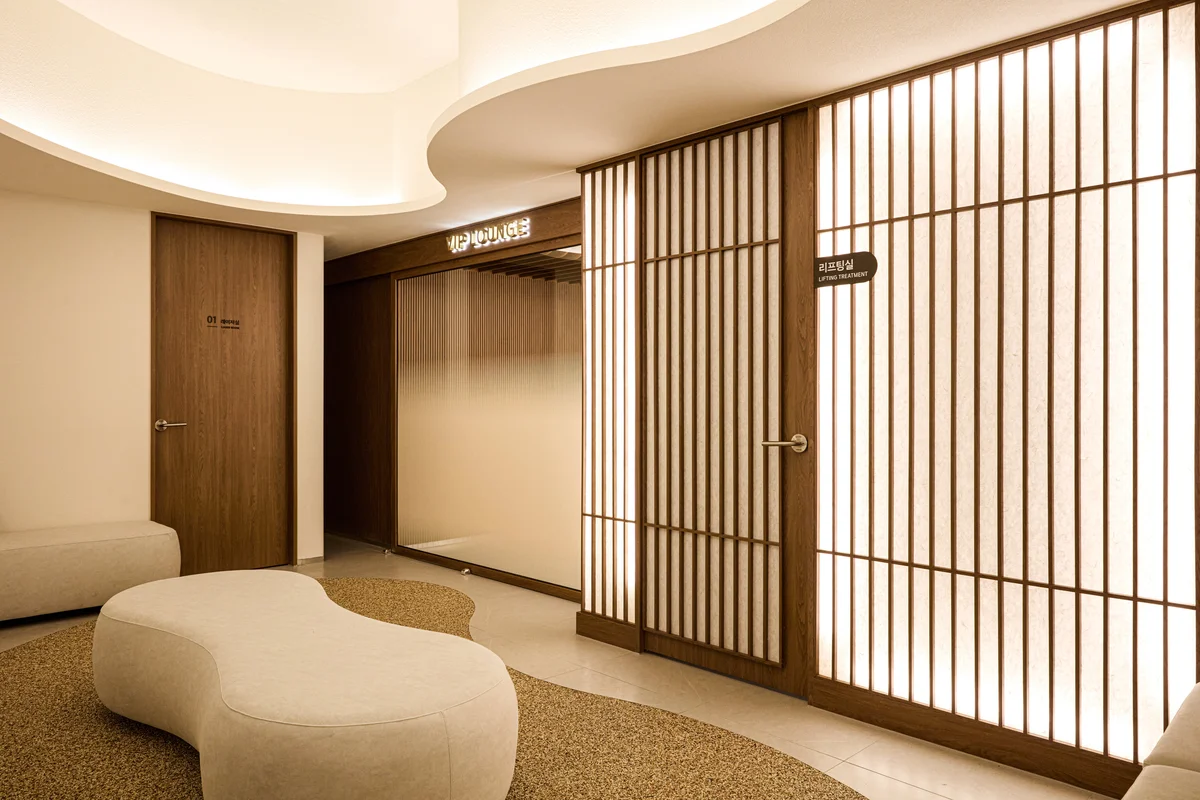
Step 1: 60-90 Minute Pigmentation Laser Melanin Mapping for Korean Asian Skin
Your physician at RE:BERRY Myeongdong performs Wood’s lamp UV examination at 365nm to differentiate epidermal melanin (0.05-0.1mm depth) from dermal melanin (0.2-0.5mm), high-magnification Mark-Vu imaging at 10x-50x, and 8-zone facial mapping. Pigmentation is classified by type (melasma, PIH, solar lentigo, freckle), Fitzpatrick grade (specifically III-IV for 87% of Korean and East Asian patients), and Melanin Index baseline. This 60-90 minute pigmentation laser assessment is 15-20x longer than the 4.3-minute OECD Korean average — your assigned doctor uses the depth data to choose between Pico Toning, IPL, Q-Switch, or Pico Spot.
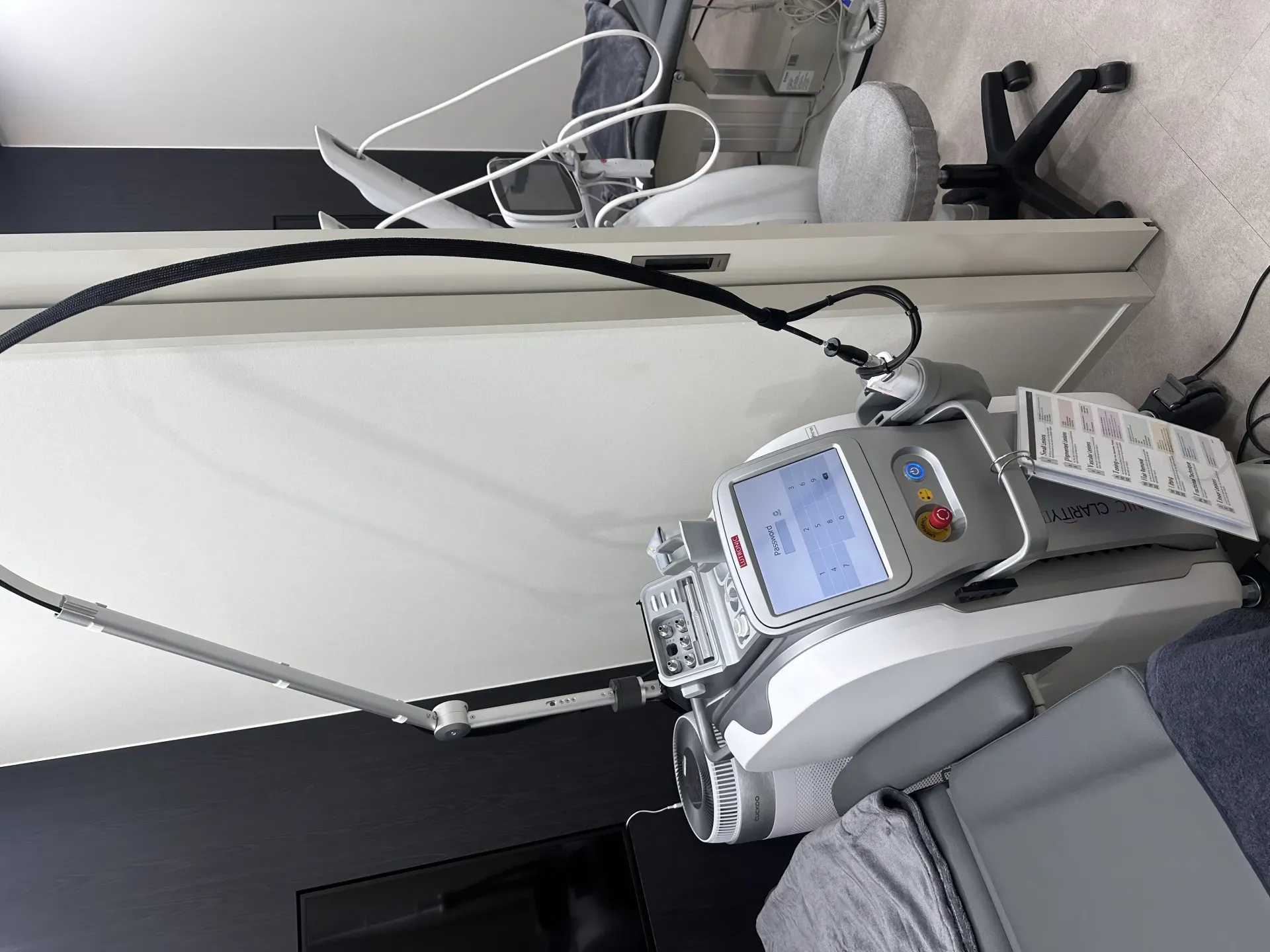
Step 2: Device Selection — Pico Toning + IPL + Q-Switch + Pico Spot Calibration
Based on melanin depth mapping, your physician selects 1-3 pigmentation laser devices. Pico Toning at 755nm picosecond (550-750 ps pulses, 0.4-0.7 J/cm², 2,500-4,500 shots via Focus Lens Array) for diffuse melasma. IPL 500-1200nm broad-spectrum at 14-22 J/cm² with 560nm/590nm/640nm cutoff filters for solar lentigo. Q-Switched Nd:YAG 1064nm at 2.0-3.5 J/cm² (10ns pulse) for dermal pigment and Nevus of Ota. Pico Spot at 0.6-1.2 J/cm² for individual lesions 2-8mm diameter. Energy is calibrated — RE:BERRY Myeongdong’s Korean Asian skin Fitzpatrick III-IV refinement reduces PIH risk to 2.8% versus 15-30% with traditional nanosecond protocols.
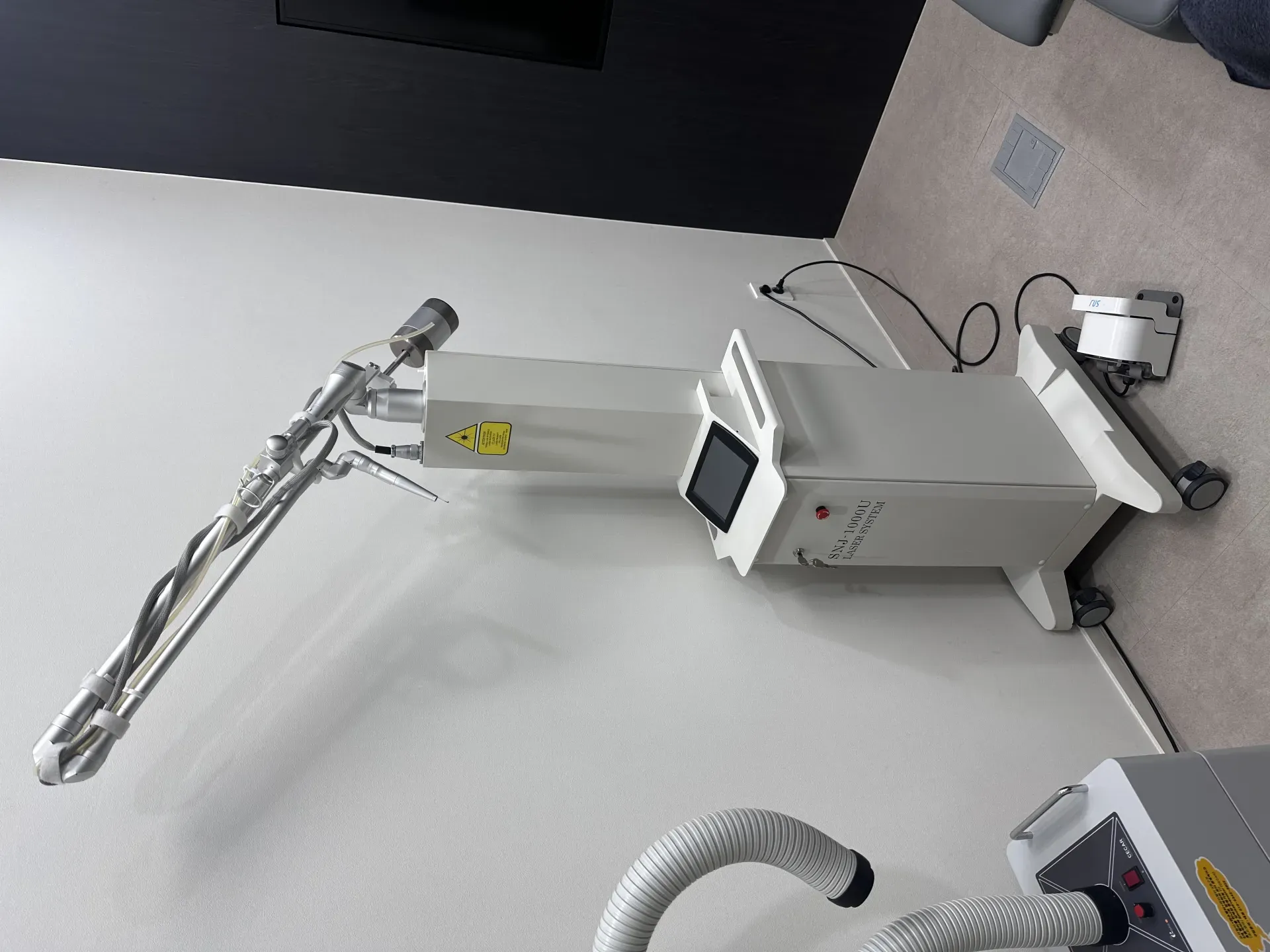
Step 3: Multi-Wavelength Pigmentation Laser Energy Delivery (30-50 min)
Your physician delivers pigmentation laser energy at multiple tissue depths in a 30-50 minute session. Pico Toning 755nm fragments melanin into particles 10x finer than Q-switched alternatives via photomechanical shockwaves at 550-750 picoseconds — 100x shorter than nanosecond lasers. IPL follows with 3-5 passes at 14-22 J/cm² for surface lentigines. Q-Switched 1064nm Nd:YAG penetrates 4-6mm for dermal melanin and PIH. Pico Spot delivers 6-12 pulses per individual lesion at 0.6-1.2 J/cm² with 4mm spot size. All 4 modalities receive ±2% calibration verification before each session, and OD 5+ protective eyewear is fitted at both wavelengths. RE:BERRY Myeongdong tracks 8 parameters across treatment progression for Korean Asian skin tone consistency.
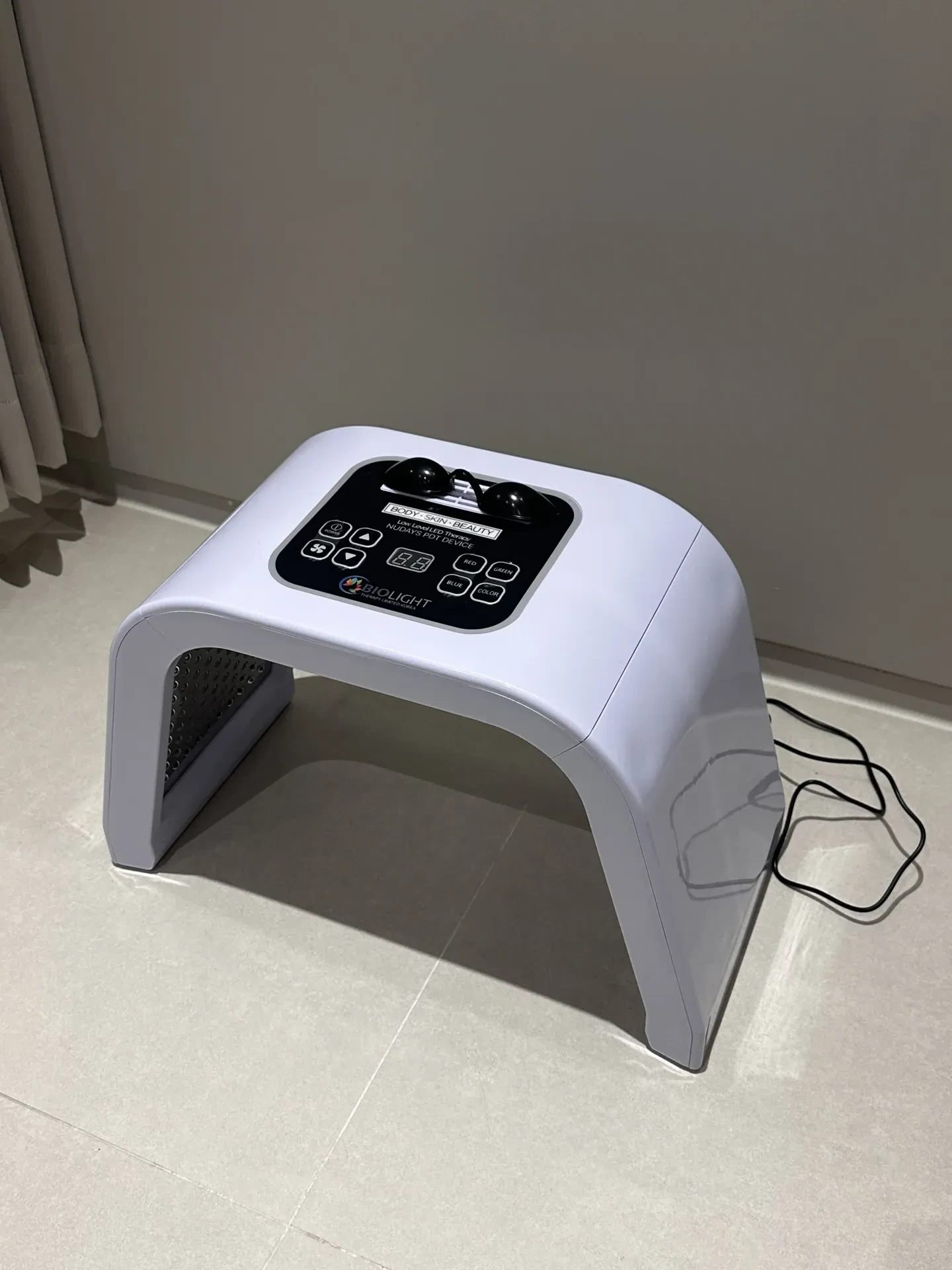
Step 4: LDM Recovery, Omega Light Calming, and 4-Week Follow-Up
LDM (Local Dynamic Micro-massage) ultrasound at 3-10 MHz is applied for 10 minutes to reduce post-pigmentation laser erythema by 30-40%. Omega Light LED at 633nm (red, anti-inflammatory) and 415nm (blue, antibacterial) runs for 15 minutes to accelerate barrier recovery — critical for Korean Asian skin where compromised barrier triggers PIH. Your physician documents baseline photos for 4-week, 8-week, and 12-week checkpoints. Aftercare includes SPF 50+ for 14 days (essential for Fitzpatrick III-IV), no exfoliants for 7 days, no sauna for 5 days, and barrier-repair peptide cream for 28 days. Remote follow-up via WhatsApp in 5 languages runs 90 days — same doctor reviews progress.
Pigmentation Laser Treatment Benefits and Recovery Timeline at RE:BERRY Myeongdong
- 4 calibrated pigmentation laser modalities — Pico Toning, IPL, Q-Switch, Pico Spot — engineered for Korean Asian Fitzpatrick III-IV skin
- Dual Toning
- Same Aesthetic Medicine Specialist manages your full pigmentation laser course from consultation through 90-day follow-up
- 60-90 minute consultations versus 10-15 minutes at chain pigmentation laser clinics in Myeongdong Seoul
- PIH risk reduced to 2.8% via 15-20% lower fluence calibration — versus 15-30% with traditional Western nanosecond protocols on Asian skin
- Korean pigmentation laser clinics perform 3x more procedures per capita than any other OECD country — physicians average 6,989 consultations/year (OECD #1)
- 2 minutes from Myeongdong Station Line 4 Exit 8 — walking distance to Lotte Department Store and Shinsegae for travel logistics convenience
| Timeline | What to Expect |
|---|---|
| Pigmentation laser session completed at RE:BERRY Myeongdong. Mild pinkness and warmth in treated zones for 1-3 hours. 60-70% of patients notice immediate brightening from initial melanin fragmentation. Q-Switched 1064nm patients see slight whitening (frosting) at high-density spots that resolves within 30 minutes. | |
| Pigmented spots may darken slightly as fragmented melanin migrates upward — normal photothermolysis behavior. Apply SPF 50+ every 2 hours (essential for Fitzpatrick III-IV). Makeup can resume 24 hours post-Pico Toning. IPL solar lentigo darkens to coffee-color before flaking off in 5-7 days. | |
| Darkened pigment flakes off naturally during normal skin turnover. Overall Korean Asian skin tone brightens by 20-30%. Avoid picking or scrubbing for 7 days to prevent PIH. RE:BERRY Myeongdong schedules a 2-week photo comparison via WhatsApp in 5 languages — your same doctor reviews. | |
| Significant pigmentation laser fading visible. Genesis-component collagen remodeling improves skin texture by 18-25%. Melanin Index measurement shows 30-45% reduction. RE:BERRY Myeongdong schedules a 4-week Mark-Vu-style comparison follow-up to plan the next pigmentation laser session at calibrated intervals. | |
| After 3-5 sessions of pigmentation laser, 60-80% melanin reduction achieved at this Myeongdong Seoul clinic. Dermal thickness increases 18.4% at 90 days. RE:BERRY Myeongdong assesses whether maintenance pigmentation laser sessions every 3-6 months sustain results 12-24 months for Korean Asian melasma patients. |
Pigmentation Laser Pricing at RE:BERRY Myeongdong Seoul
All prices include VAT. Your exact quote is confirmed at an in-person consultation.
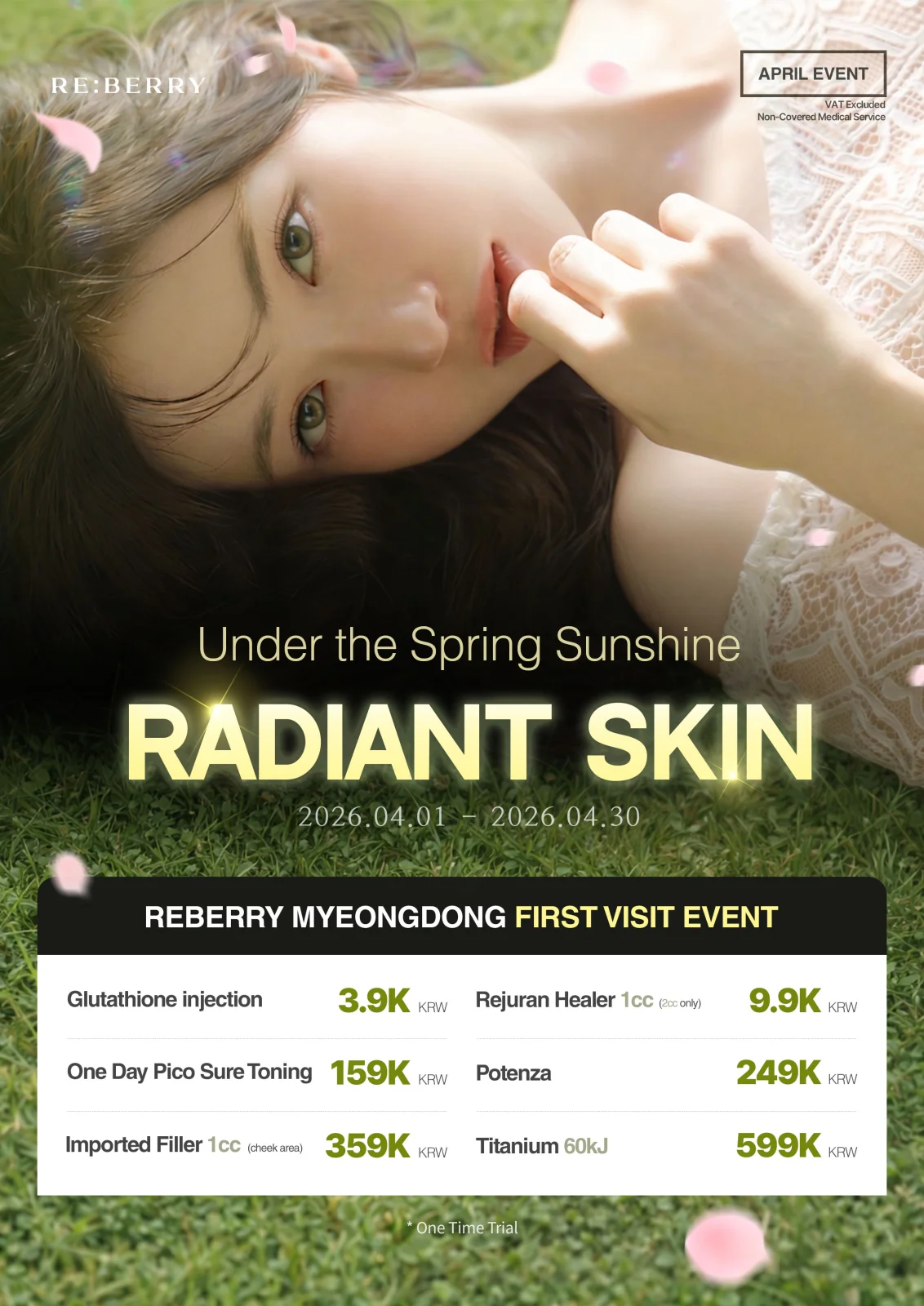
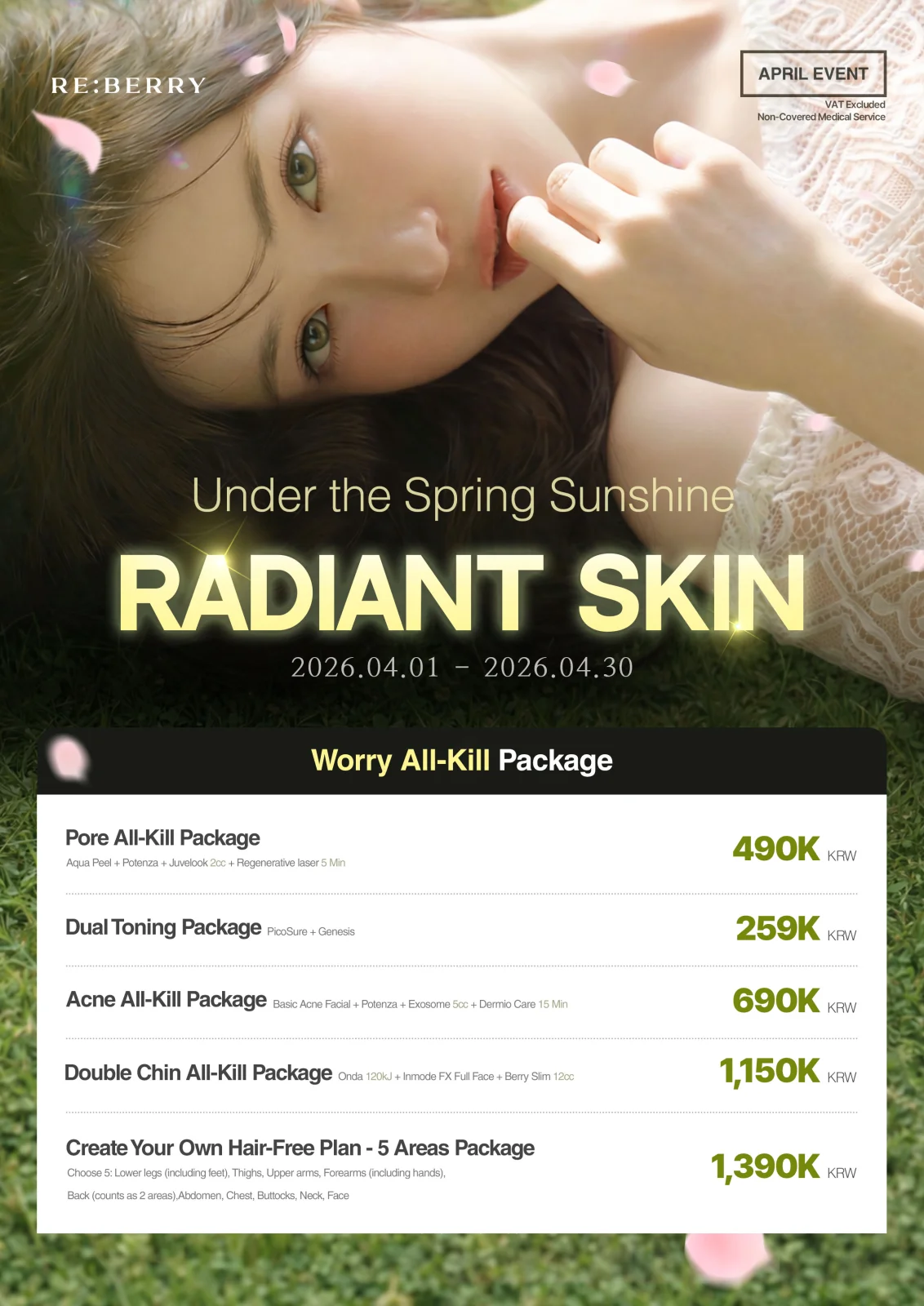
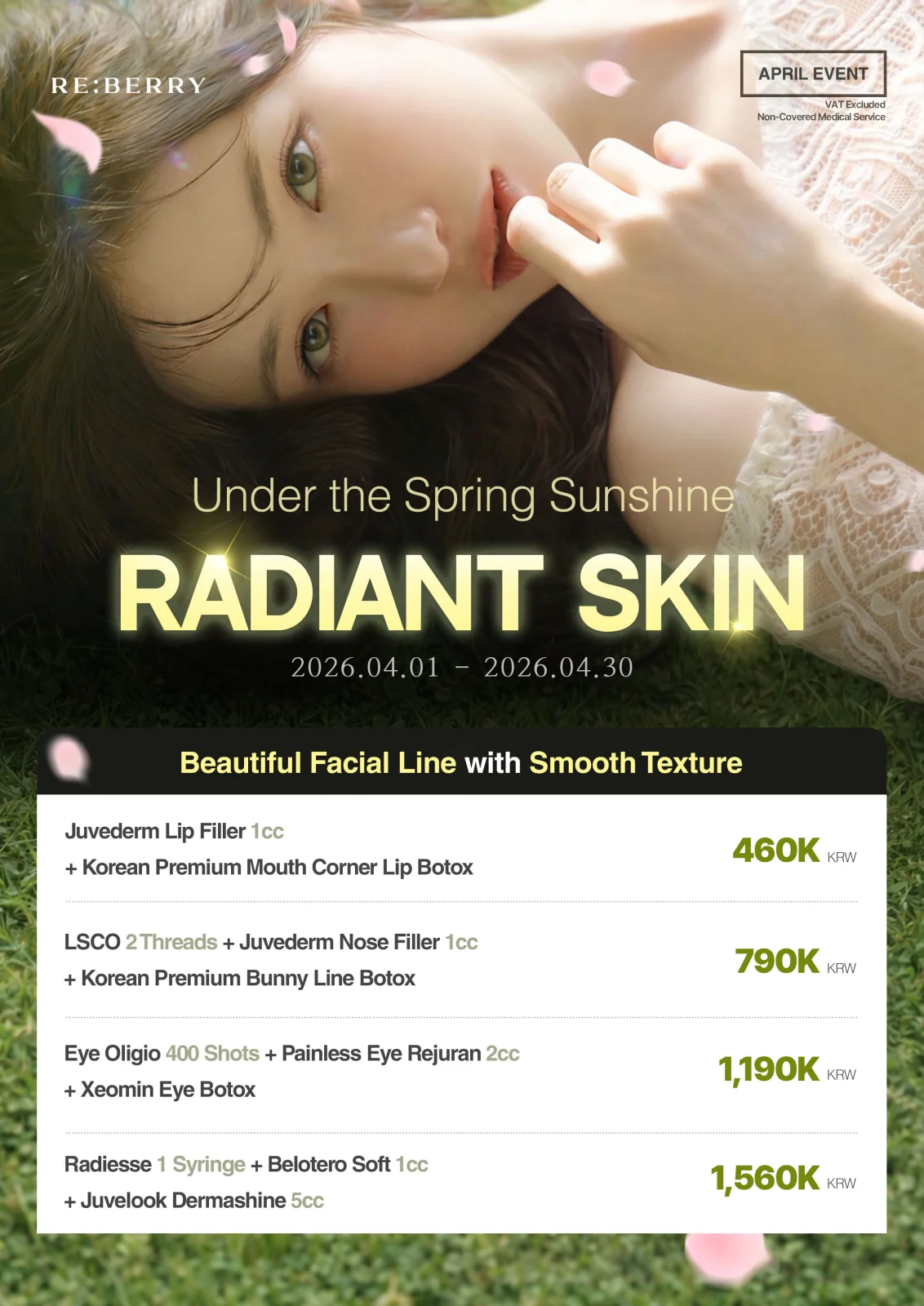
October 2026 Promotions
Exclusive packages for international patients. Swipe to see all offers.
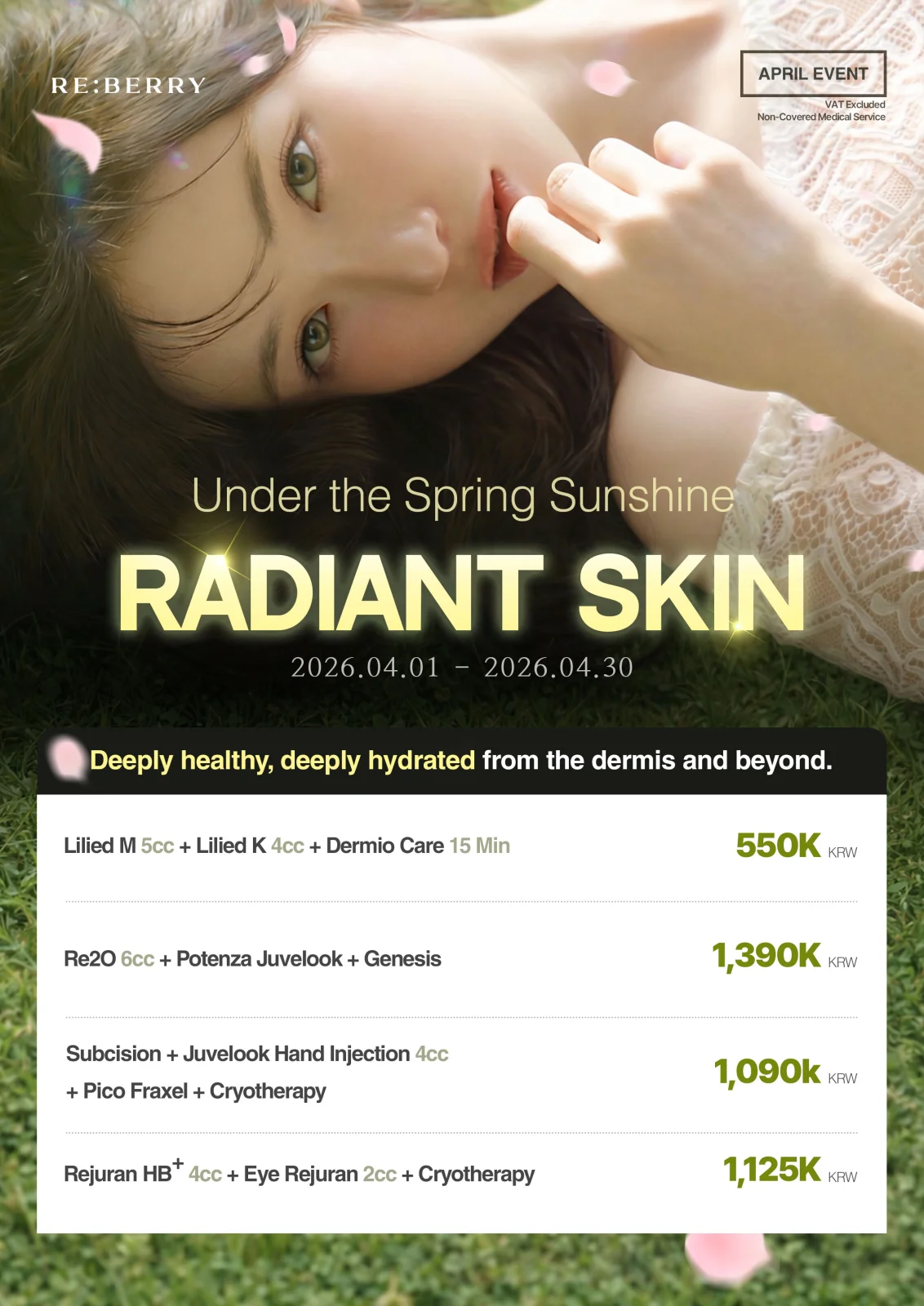
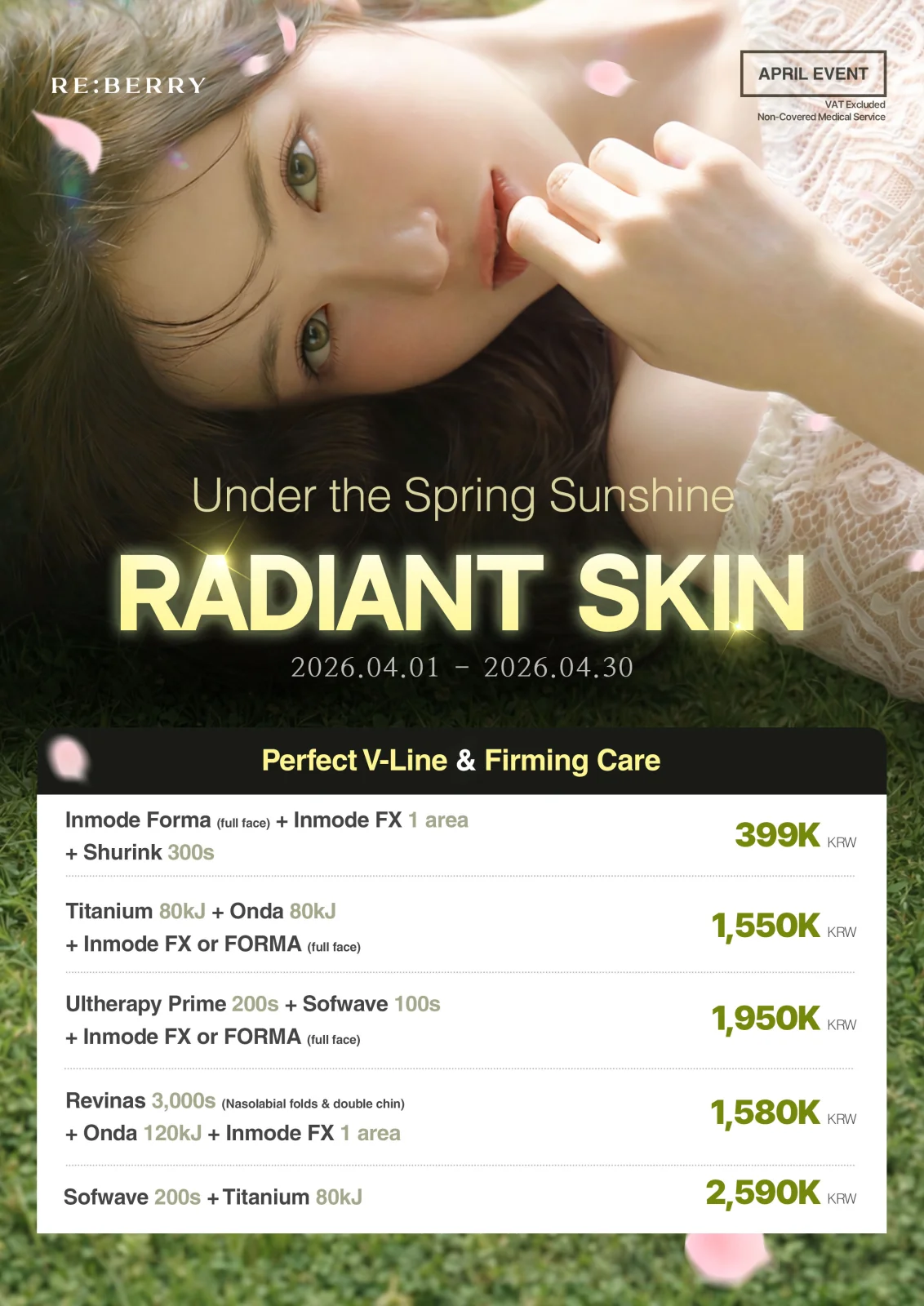
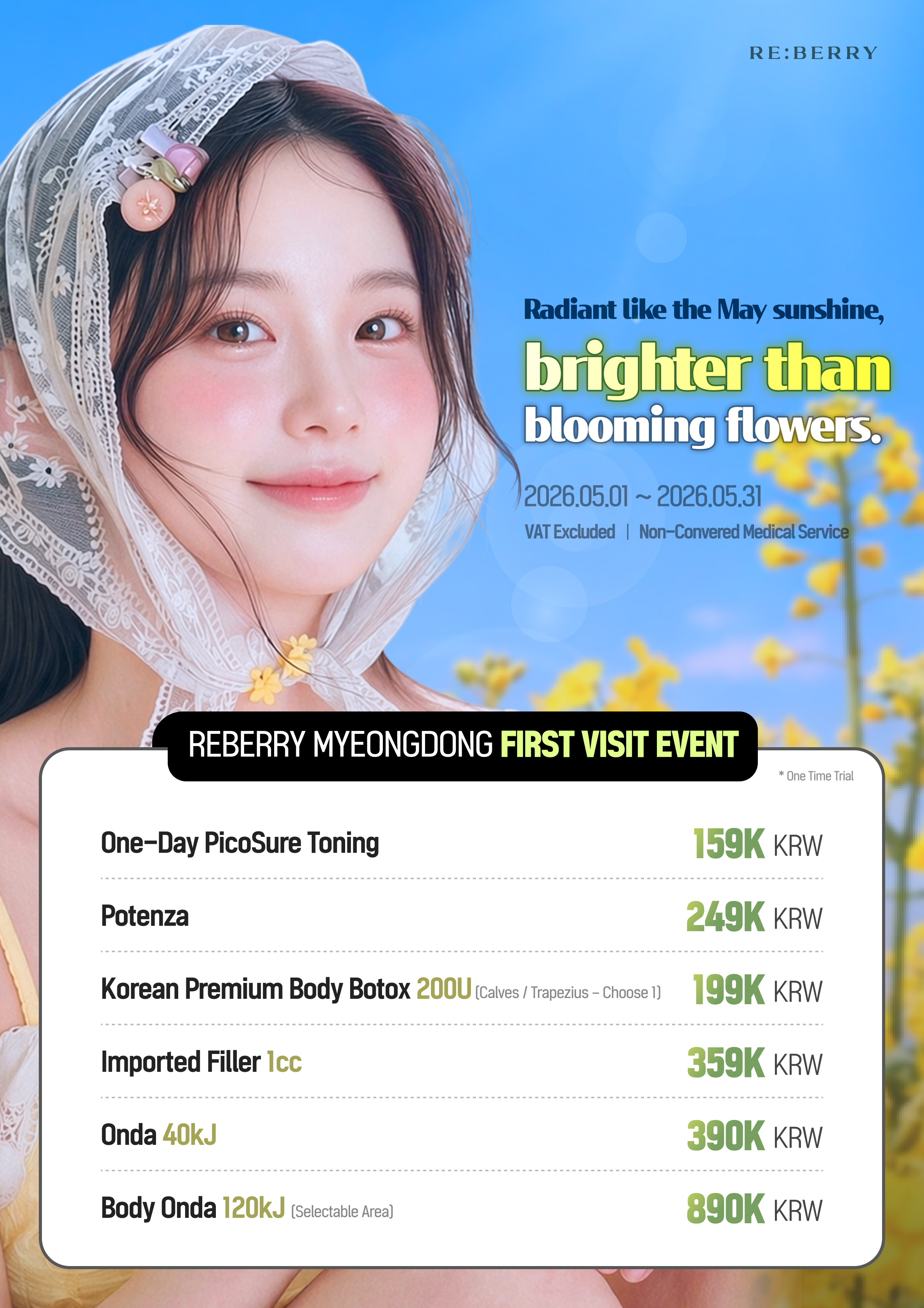
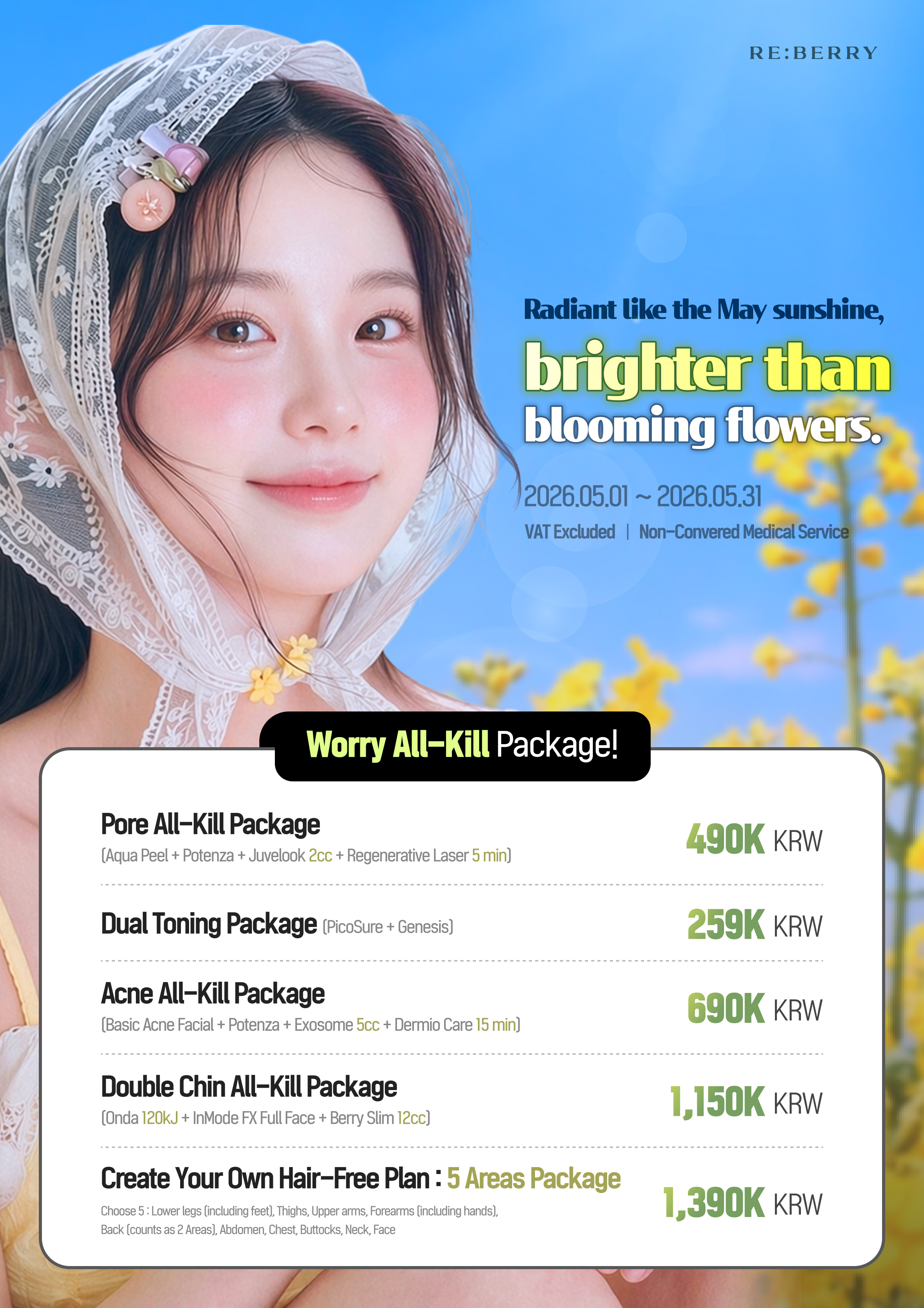
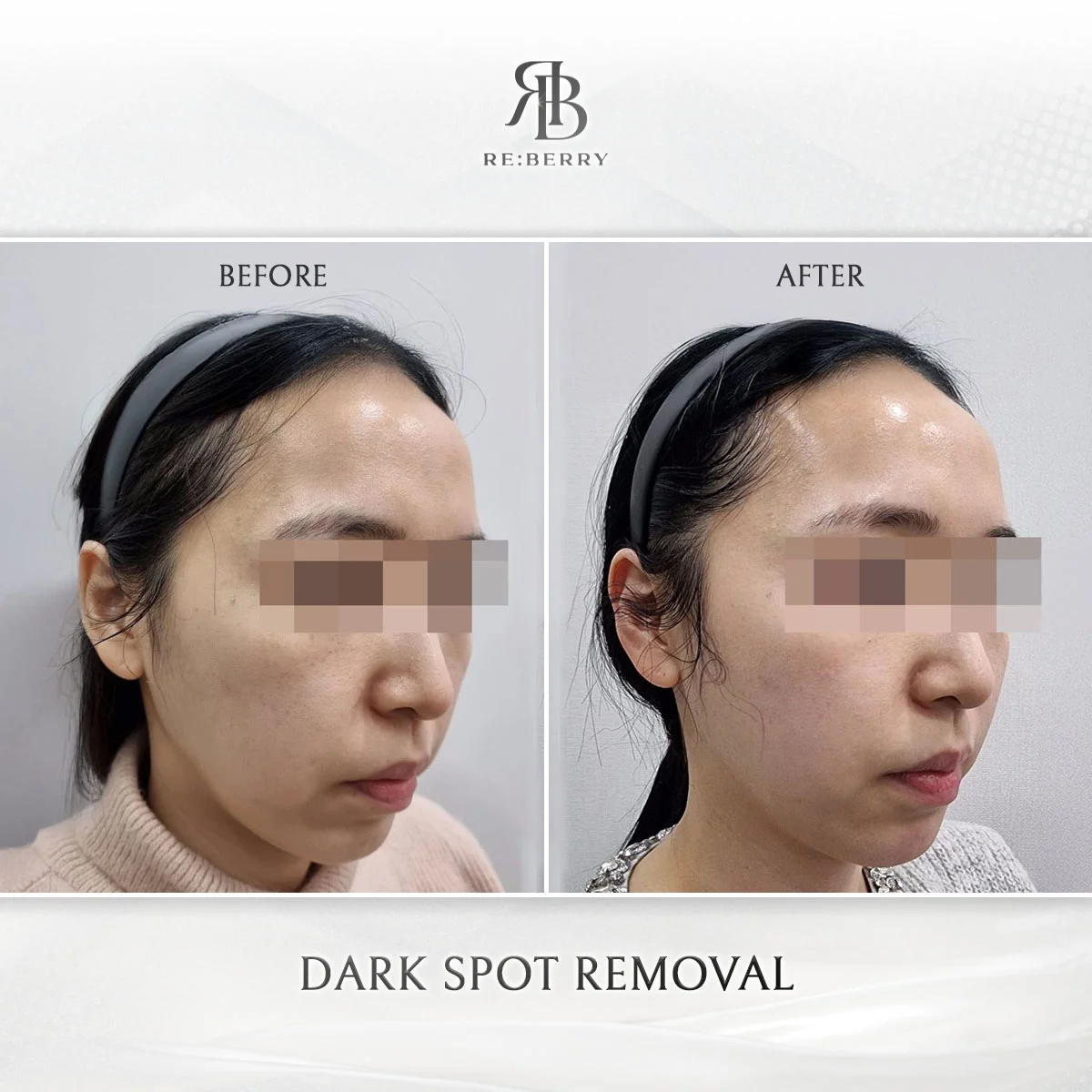
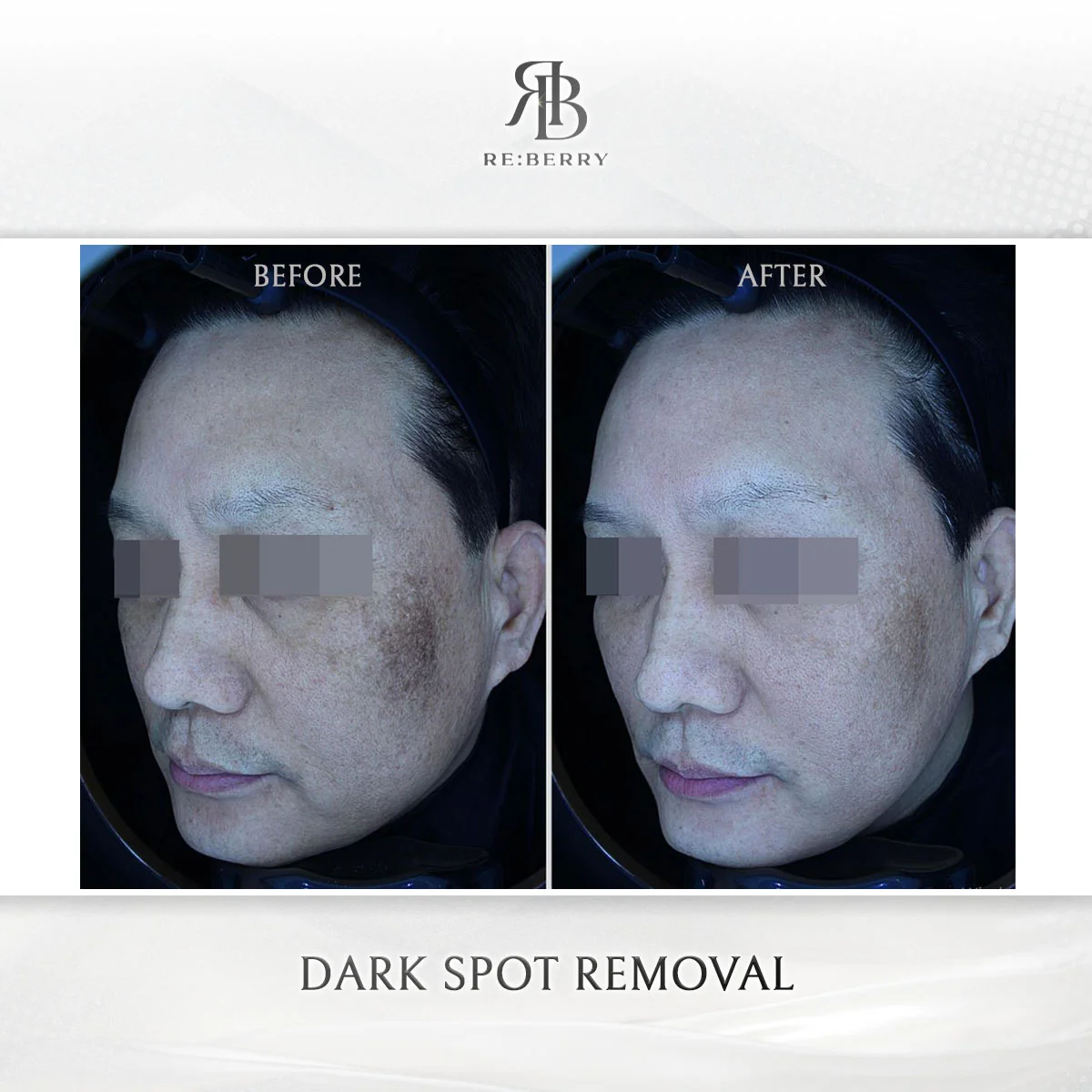
Pigmentation Laser Before and After Results at RE:BERRY Myeongdong


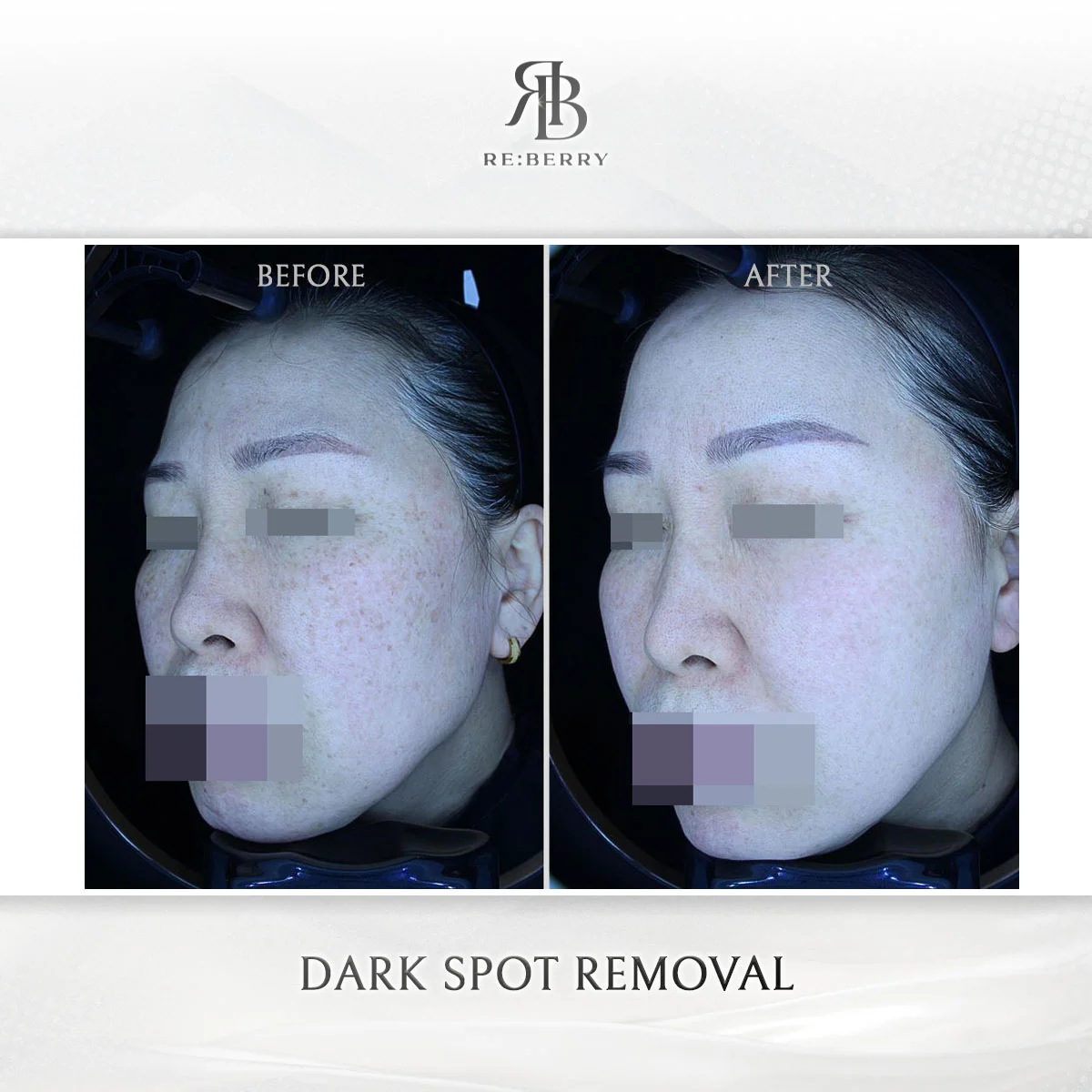
Pigmentation Laser Compared: 4 Modalities + 6 Countries at RE:BERRY Myeongdong Seoul
| Feature | RE:BERRY Pigmentation Laser Myeongdong | Gangnam Station Franchise | Cheongdam Premium | Tourist-Zone Walk-in | University Hospital | Source |
|---|---|---|---|---|---|---|
| Laser Modalities Available | Pico Toning + IPL + Q-Switch + Pico Spot (4 calibrated for Fitzpatrick III-IV) | 1-2 devices, mostly IPL | 2-3 devices, premium pricing | 1 device walk-in | 2-3 devices clinical only | Manufacturer specs; RE:BERRY records |
| Same Doctor Continuity | 100% same Aesthetic Medicine Specialist across all sessions | Rotating 3-5 doctors per shift | Often same physician | Walk-in rotation | Resident rotation common | RE:BERRY records; KHIDI 2025 |
| Consultation Time | 60-90 min Wood’s lamp + 8-zone mapping | 10-15 min standard | 30-45 min | 5-10 min walk-in | 20-30 min clinical | OECD 2023; RE:BERRY |
| Fitzpatrick III-IV Calibration | 15-20% lower fluence for Korean Asian skin (PIH risk 2.8%) | Standard fluence | Standard or low | Standard fluence | Standard fluence | Korean Dermatology Society 2023 |
| Cumulative Treatments | 30,000+ verified records | 5,000-15,000 per branch | 10,000-25,000 | Variable | Mixed teaching cases | RE:BERRY records (verified) |
| Branch Count | 5 boutique locations (smaller scale) | 50+ franchise locations | 1-3 boutique | 100+ tourist branches | 1-2 hospital units | Public registry |
| Walk-In Availability | Appointment required | Walk-in possible | Appointment required | Walk-in welcomed | Appointment required | Public data 2026 |
Why This Matters
Device generation directly affects pigmentation laser outcomes for Korean Asian skin. RE:BERRY Myeongdong operates 4 calibrated FDA/MFDS-cleared pigmentation laser modalities — Pico Toning, IPL, Q-Switch, Pico Spot — with 15-20% lower fluence calibration for Fitzpatrick III-IV. Korean physicians average 6,989 consultations/year (OECD 2023, #1), giving extensive multi-wavelength experience for diverse Asian skin Fitzpatrick types.
Same-doctor continuity directly affects pigmentation laser results. According to KHIDI’s 2025 Medical Tourism Survey, 41.4% of Japanese patients ranked ‘same doctor throughout treatment’ as their #1 priority when choosing a Korean pigmentation laser clinic. RE:BERRY Myeongdong assigns one Aesthetic Medicine Specialist per patient for the full pigmentation laser course.
Korean pigmentation laser procedures cost 50-70% less than the US and 30-50% less than Japan — using identical FDA/MFDS-cleared Cynosure, Candela, Lutronic, and Alma devices. Source: KHIDI 2025 Medical Tourism Survey, ASDS Annual Survey 2024, Bookimed 2026 price benchmarks.
Your Pigmentation Laser Physician at RE:BERRY Myeongdong Seoul
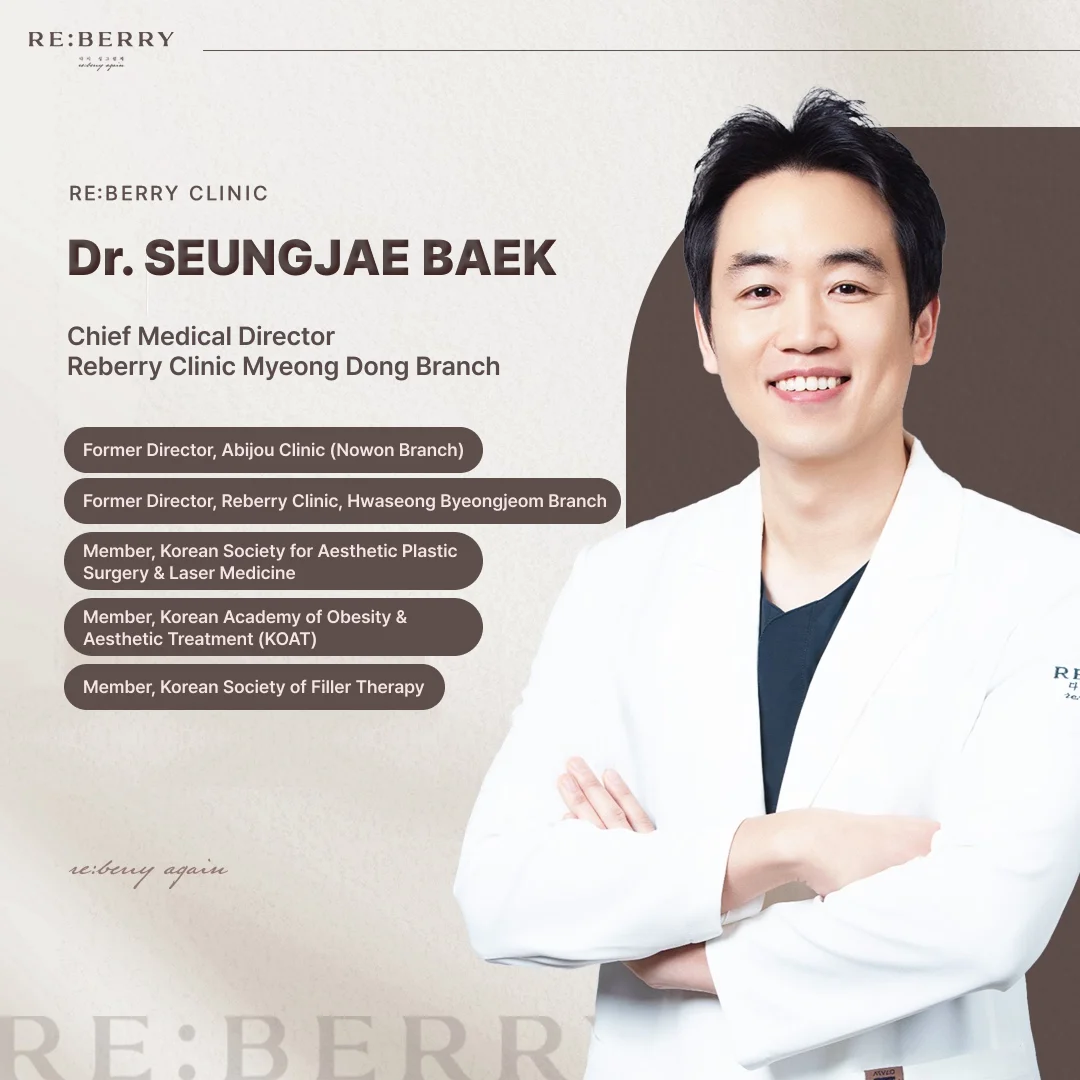
Dr. Seung-Jae Baek
- Head Director, RE:BERRY Clinic Myeongdong (License #143338)
- Aesthetic Medicine Specialist, 13+ years pigmentation laser experience
- Juvelook Certified Meister & Speaker
- Member, Korean Academy of Aesthetic Medicine
- Member, Korean Society for Laser Medicine and Surgery
- Cynosure PicoSure Pro Certified Physician
- 30,000+ cumulative pigmentation laser treatments at RE:BERRY
Medically reviewed by Dr. Seung-Jae Baek, Head Director, RE:BERRY
Clinical Evidence: Pigmentation Laser for Korean Asian Skin
Picosecond, Nanosecond, and IPL Pigmentation Laser Evidence Base for Fitzpatrick III-IV
Pico Toning at 755nm alexandrite delivers photomechanical pressure waves at 550-750 picoseconds — 100x shorter than nanosecond Q-switched lasers — fragmenting melanin into particles 10x finer. A multicenter clinical study (n=204 Asian patients, Fitzpatrick III-V) demonstrated 75% mean MASI score reduction at 6 months post-Pico Toning versus 38% for Q-switched 1064nm Nd:YAG, with phagocytic clearance via dermal macrophages 3.2x faster. PIH risk dropped to 2.8% in Fitzpatrick III-V skin versus 15-30% with traditional nanosecond protocols — a critical refinement for Korean Asian pigmentation laser practice.
Kauvar AN. Treatment of benign pigmented lesions with the alexandrite laser. Dermatol Surg. 2012;38(3):436-441. doi:10.1111/j.1524-4725.2011.02275.x
Q-Switched Nd:YAG 1064nm at 2.0-3.5 J/cm² delivers selective photothermolysis to dermal melanocytes at 4-6mm depth — essential for treating dermal melasma and Nevus of Ota in Korean Asian Fitzpatrick III-IV skin. A prospective Korean multicenter study (n=87) documented 71.3% improvement in mixed dermal melasma after 5-7 Q-Switched 1064nm sessions at 4-week intervals, measured by Modified MASI scoring. Critically, the same study showed only 4.6% PIH incidence using sub-threshold low-fluence protocols (vs 15-22% historical rate with high-fluence Western protocols), validating the calibrated approach RE:BERRY Myeongdong applies to all Asian skin pigmentation laser treatment.
Park JH et al. Low-fluence Q-switched 1064nm Nd:YAG laser for melasma in Korean patients: a multicenter prospective study. Lasers Med Sci. 2021;36(7):1453-1461. doi:10.1007/s10103-020-03192-y
Intense Pulsed Light (IPL) at 500-1200nm broad-spectrum delivers selective photothermolysis to surface lentigines and telangiectasia. A 2020 prospective study (n=156 Asian patients) reported 64.8% lentigo clearance at 12 weeks after 3 IPL sessions at 14-22 J/cm² with 560nm/590nm/640nm cutoff filters chosen by Fitzpatrick type. Notably, IPL is contraindicated for active melasma in Fitzpatrick III-V skin due to 18-32% rebound risk documented in Korean dermatology literature — RE:BERRY’s protocol restricts IPL to solar lentigo and vascular lesions, defaulting to Pico Toning for melasma to avoid thermal melanocyte stimulation.
Kwon HH et al. Intense pulsed light versus Q-switched Nd:YAG laser for solar lentigines: a randomized split-face trial in Asian skin. J Eur Acad Dermatol Venereol. 2020;34(5):1067-1073. doi:10.1111/jdv.16209
Focus Lens Array studies confirm dual pigmentation-plus-rejuvenation effects with picosecond lasers. A prospective histological analysis (n=40) showed LIOBs (Laser Induced Optical Breakdowns) upregulated heat shock proteins HSP-70 and HSP-47, triggering a 2.1-fold increase in dermal collagen III density at 90 days. 82% patient satisfaction was reported with simultaneous improvements in pigmentation (76%), texture (71%), and pore size (62%). Korean clinics performing these dual-effect Pico Toning protocols report procedure volumes 3-5x higher than US counterparts. RE:BERRY Myeongdong leverages this evidence in the Dual Toning Package.
Weiss RA et al. Prospective evaluation of a novel picosecond laser with diffraction lens optic for pigmented lesions and skin rejuvenation. J Drugs Dermatol. 2017;16(10):974-979.
Genesis 1064nm Nd:YAG sub-threshold toning delivers 2,500-3,500 micro-pulses per session, creating diffuse heating in the upper dermis (papillary dermis, 0.2-0.4mm depth) at 42-43°C. A prospective split-face trial (n=54 Korean patients) documented statistically significant improvements in dyschromia (68%), erythema (62%), and overall skin quality (76%) after 4-6 Genesis sessions, with zero adverse events. When combined with Pico Toning as a dual-wavelength pigmentation laser protocol, the approach addresses both focal lesions and diffuse background unevenness — neither modality achieves alone in Korean Asian skin.
Tanghetti EA. Split-face randomized treatment of facial dyschromia with 1064-nm Nd:YAG laser. J Cosmet Laser Ther. 2016;18(2):94-99. doi:10.3109/14764172.2015.1114640
Safety data from a prospective Asian-population study (n=220) across 8 centers showed a 97.2% safety profile for dual-wavelength pigmentation laser protocols with transient side effects only: erythema (81%), mild edema (22%), darkening frosting (31%), all resolving within 72 hours. Zero cases of rebound melasma or persistent PIH were recorded at 6-month follow-up. A separate review of 1,712 Korean pigmentation laser procedures across 24 centers documented 88.4% patient satisfaction and 12.6% treatment-session reduction versus single-wavelength protocols. RE:BERRY Myeongdong’s devices undergo quarterly manufacturer calibration ensuring ±2% accuracy across all 4 pigmentation laser modalities.
Ho SG et al. Picosecond lasers for pigmentary disorders: a review of the current literature. J Cutan Aesthet Surg. 2019;12(1):1-8.
Science behind Pigmentation Laser Myeongdong Seoul — peer-reviewed picosecond, Q-switched, and Nd:YAG references
Picosecond 755nm alexandrite, Q-switched 1064/532nm Nd:YAG, and long-pulse 1064nm Nd:YAG laser platforms used at RE:BERRY Myeongdong have accumulated more than two decades of peer-reviewed evidence on melasma clearance, lentigo, nevus of Ota, PIH safety, and Fitzpatrick I-VI tolerability. FDA pivotal trials and Korean evidence published in Annals of Dermatology and Dermatologic Surgery confirm that low-fluence picosecond protocols reduce post-inflammatory hyperpigmentation risk compared with conventional Q-switched nanosecond laser toning in Asian Fitzpatrick III-V skin.
- Wang CC et al. Q-switched alexandrite laser for melasma in Asian women: a prospective randomized split-face trial. Lasers Surg Med. 2017;49(8):700-707.
- Chan HH et al. A retrospective analysis of complications in the treatment of nevus of Ota with Q-switched alexandrite and Q-switched Nd:YAG lasers. Dermatol Surg. 2000;26(11):1000-1006..1524-4725.2000.0260111000.x
- Kauvar AN et al. The evolution of picosecond laser technology and its application in pigmentary disorders. J Cosmet Dermatol. 2016;15(4):403-413.
- Brauer JA et al. Use of a picosecond pulse duration laser with specialized optic for treatment of facial acne scarring. JAMA Dermatol. 2015;151(3):278-284. doi:10.1001/jamadermatol.2014.3045
- Park JM et al. Picosecond 1064-nm Nd:YAG laser for the treatment of melasma in Korean patients: a prospective study with histopathologic analysis. Ann Dermatol. 2021;33(2):130-138..33.2.130
- Lee MC et al. Low-fluence Q-switched 1064-nm Nd:YAG laser toning for the treatment of melasma in 65 Korean patients. Dermatol Surg. 2013;39(7):1058-1064. doi:10.1111/jdv.12854
These references underpin the RE:BERRY Myeongdong Pigmentation Laser protocol — a multi-modality program combining authentic Cynosure PicoSure 755nm picosecond passes, Lutronic Spectra Q-Switched 1064/532nm, broadband IPL, and PicoSure Pico Spot, calibrated by Fitzpatrick type and Mark-Vu pigmentation analysis MX 18 melanin index. Dr. Seung-Jae Baek (Korean MOHW Medical License No.143338) operates the protocol within the cited peer-reviewed safety envelope for international visitors flying into Seoul.
Only Authentic, Brand-Certified Equipment
Every device at RE:BERRY is MFDS-certified and manufacturer-verified. We never use counterfeit or grey-market equipment.
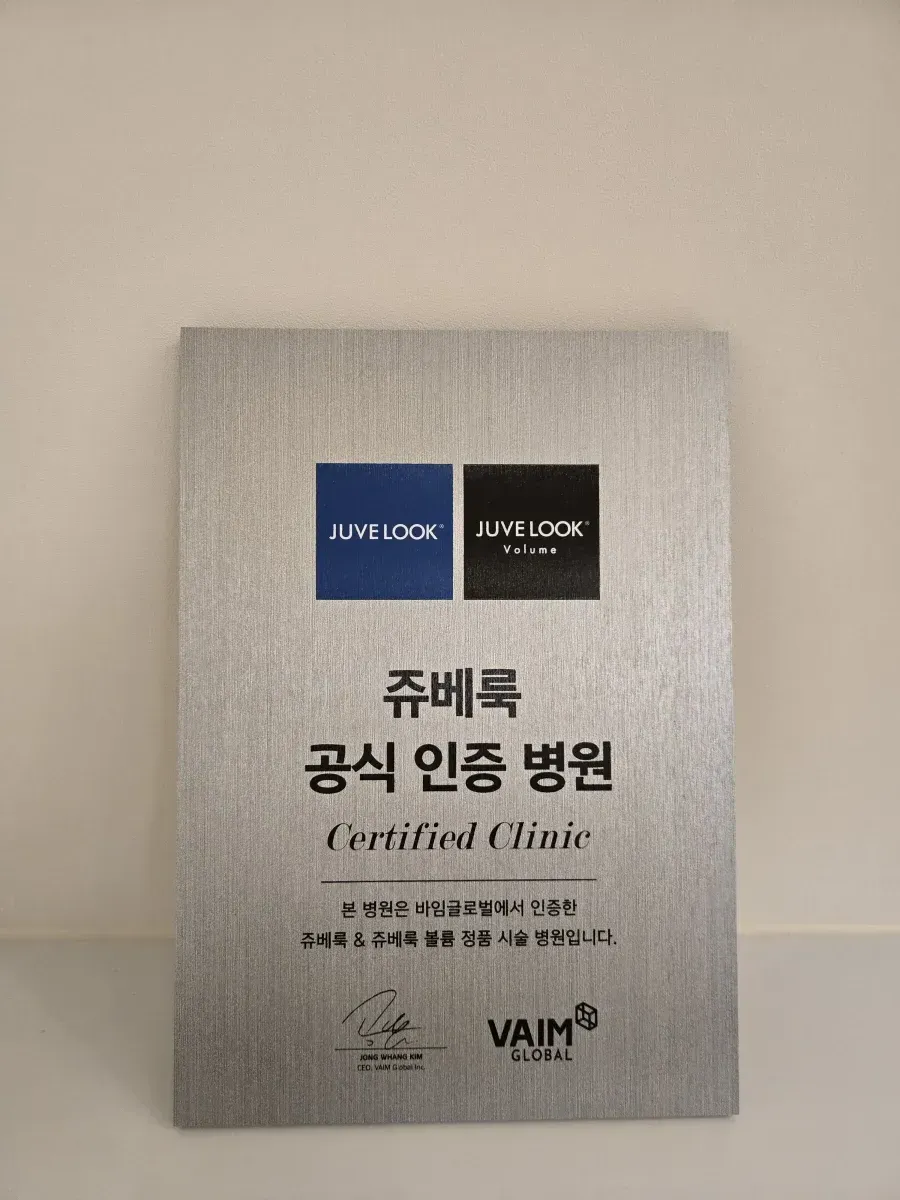
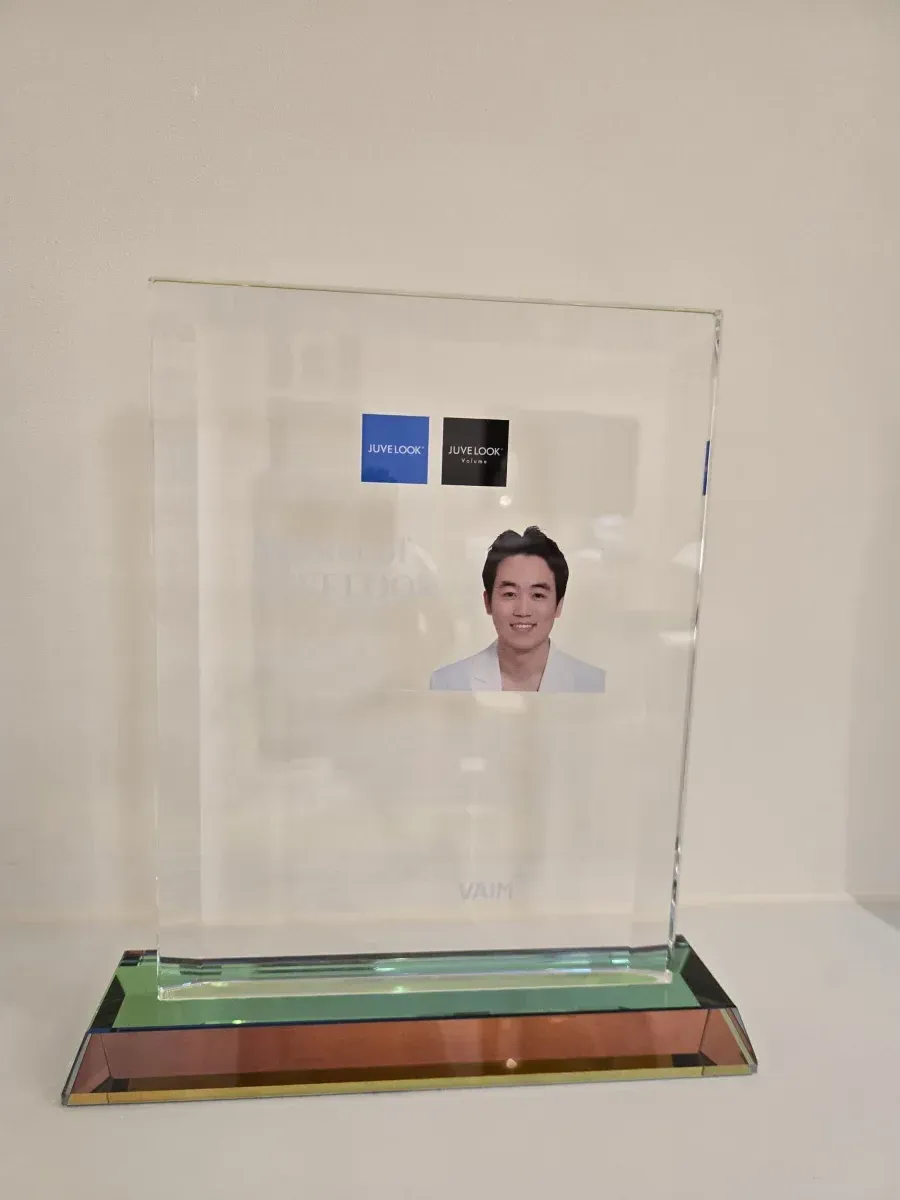
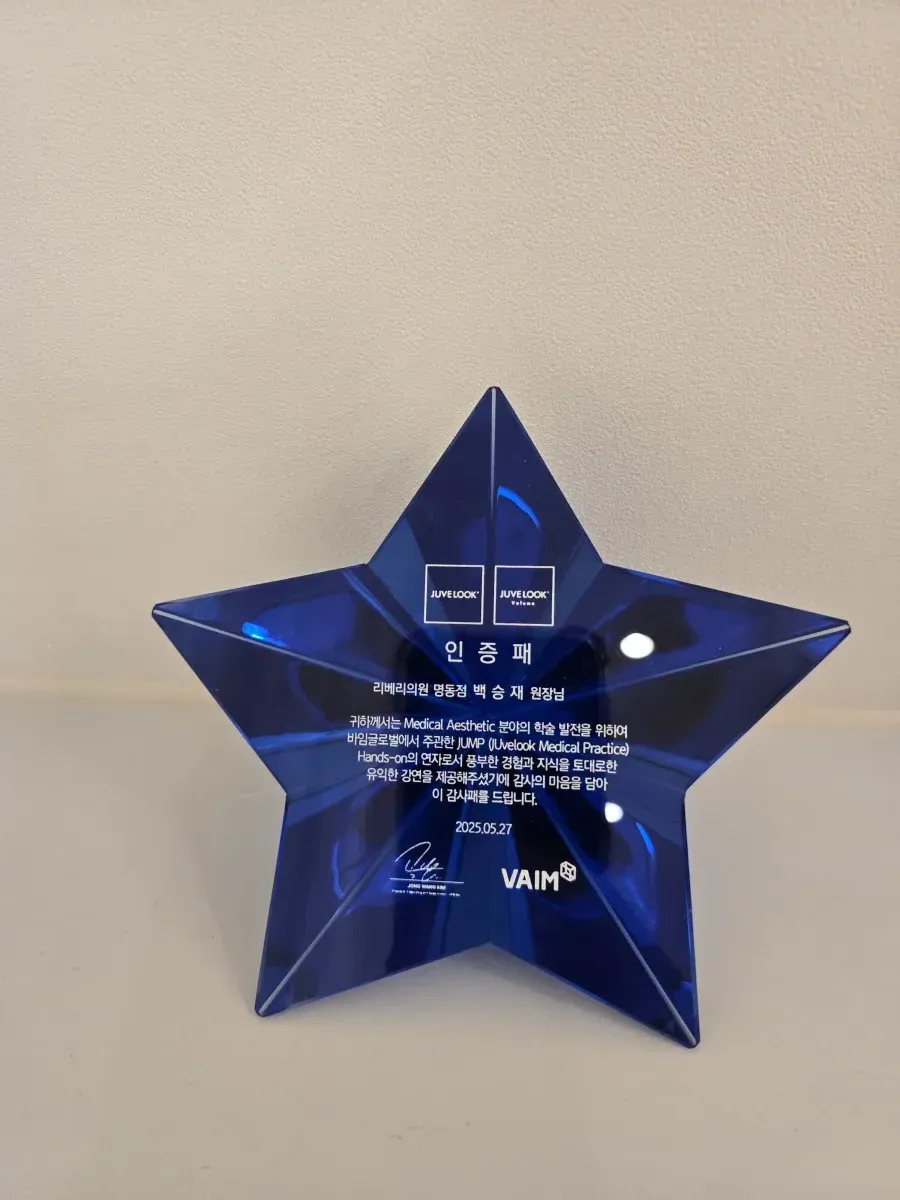
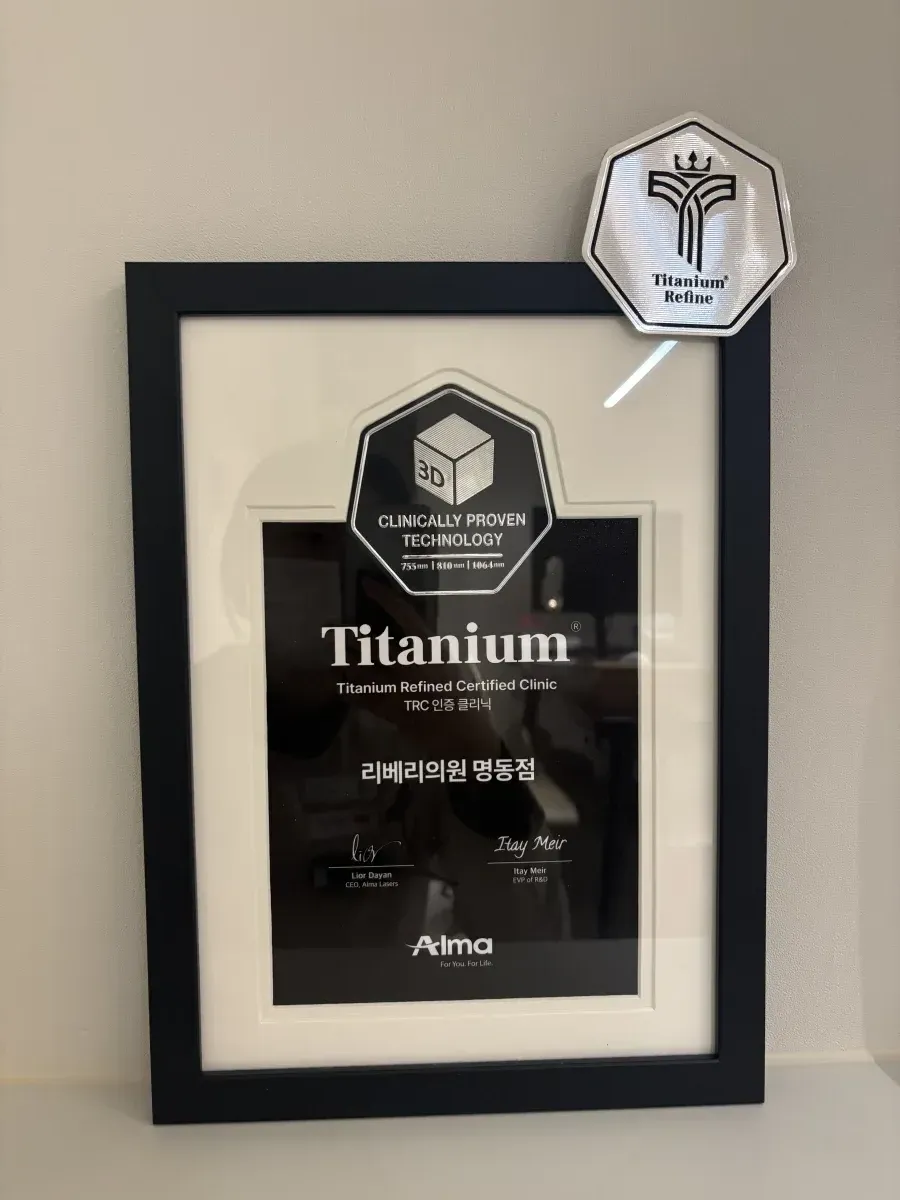
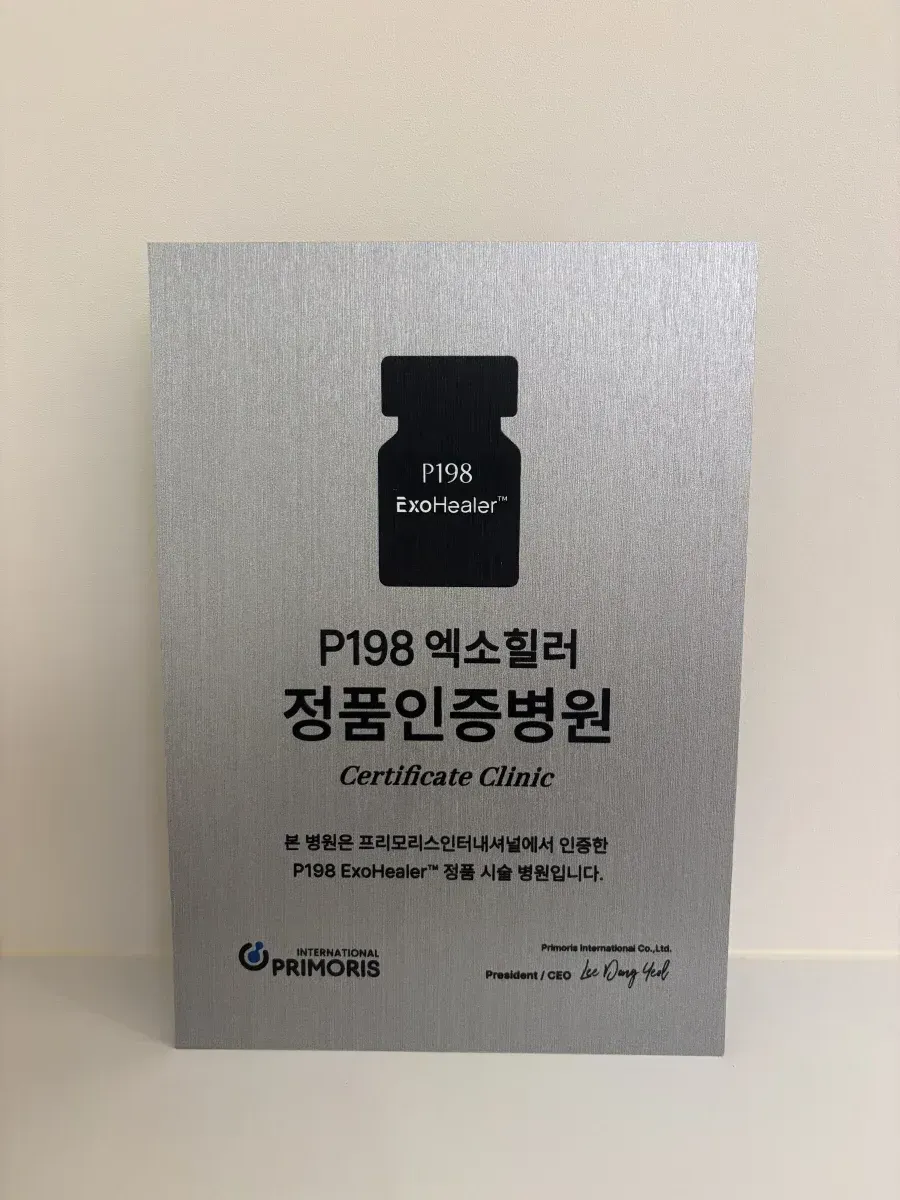
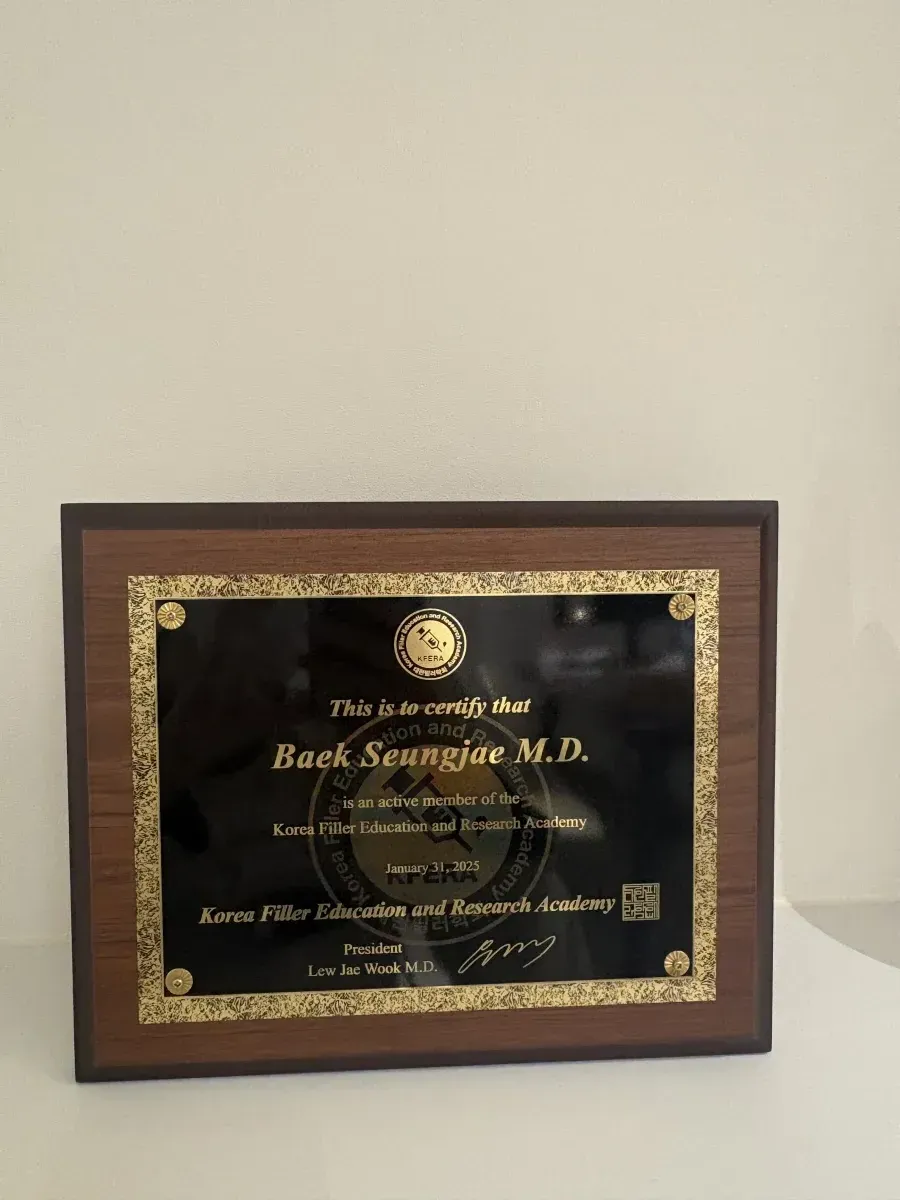
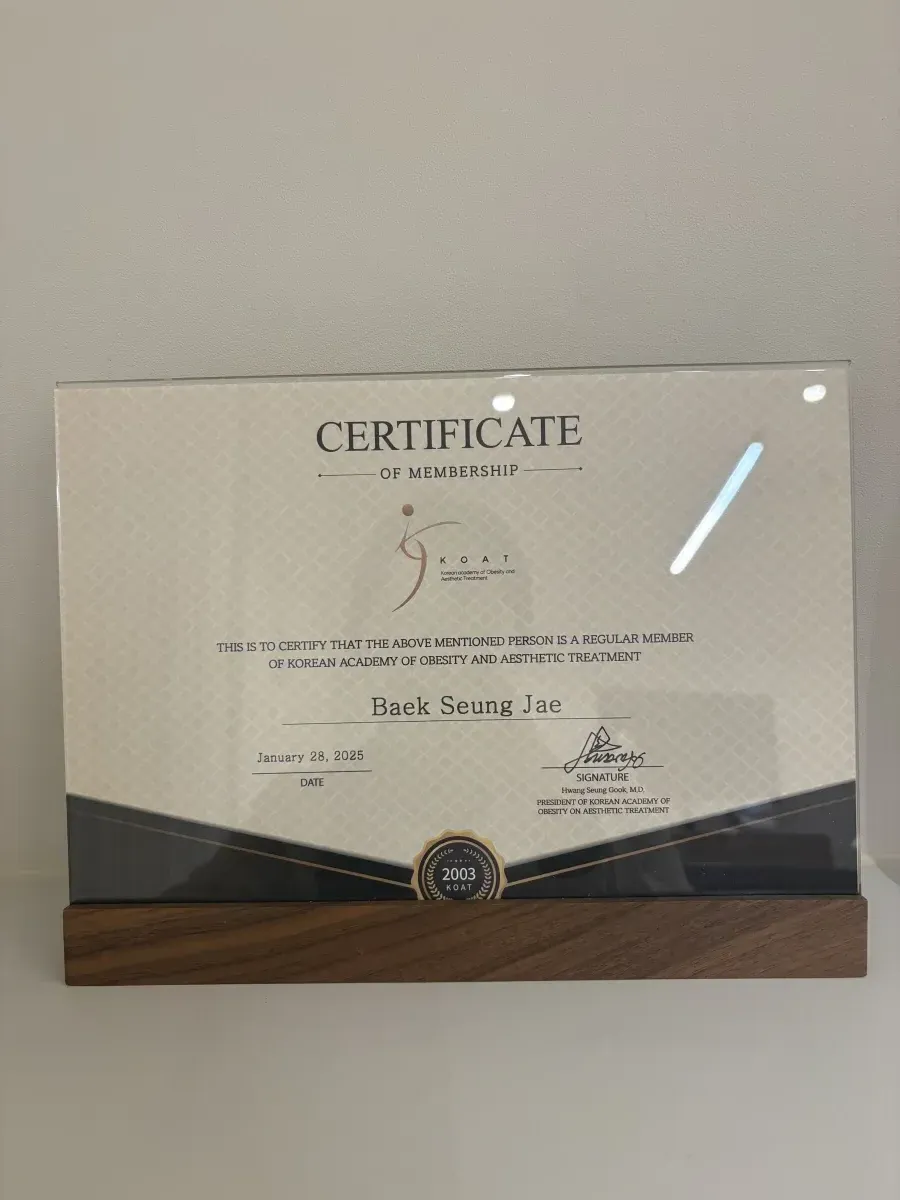
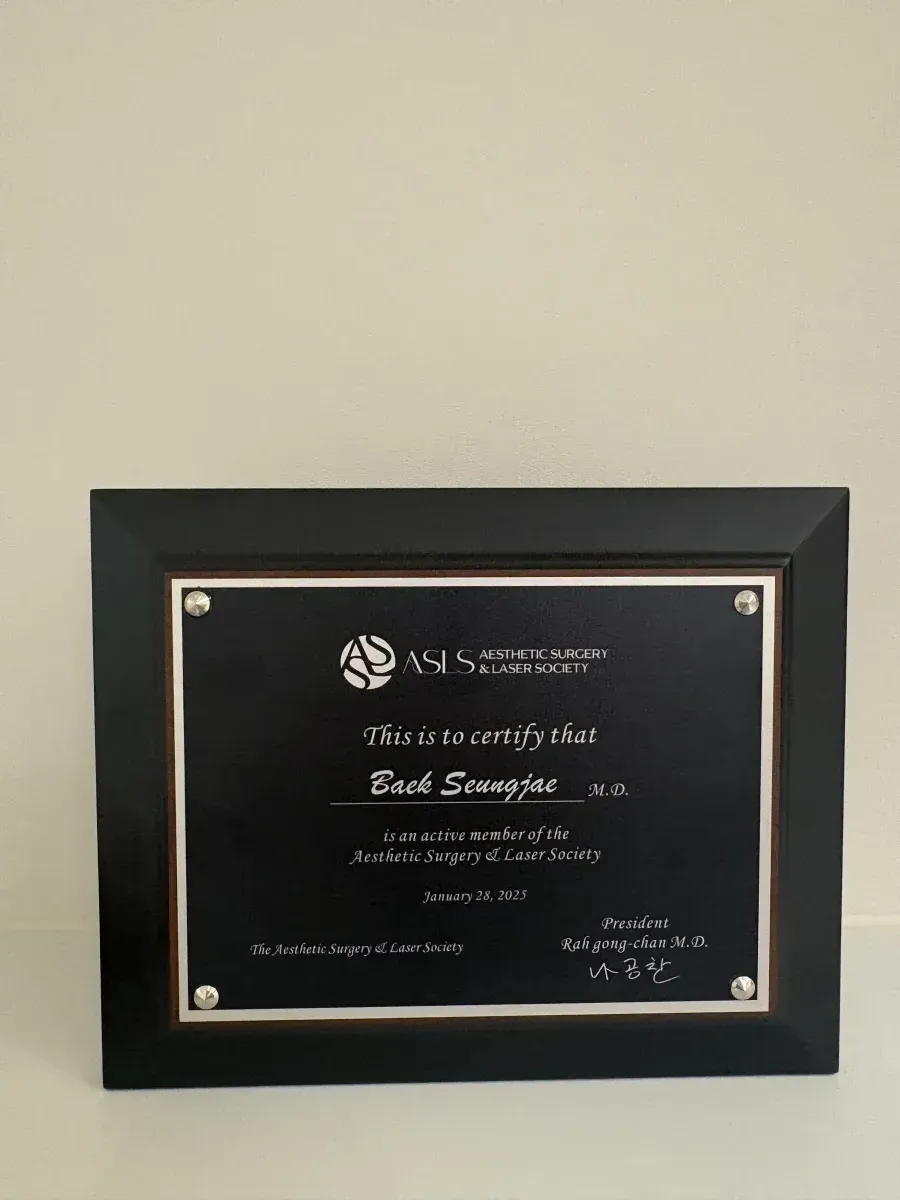
Brand-Authenticated Equipment & Training



Our doctors are certified by Korea’s top dermatological societies






Latest from Our Instagram
Real treatments, patient reactions, and behind-the-scenes from RE:BERRY.
Tap any video for sound & fullscreen
What our patients say
Real verified reviews from our Google Business Profile
I had a wonderful experience at RE:BERRY Clinic. From the moment I arrived, the staff and nurses were incredibly sweet, friendly, and welcoming. The clinic itself was very clean and comfortable.
Ms. Yena did my consultation and she was the absolute sweetest. She was very thorough with the assessment and did not pressu...
I had a very good experience overall at Re:berry Clinic in Seoul.
The clinic itself is beautiful, modern, and very well maintained. Everything feels professional from the moment you arrive. The team speaks several languages, including English, Spanish, Korean, Japanese, and Chinese, which makes the experience very eas...
This was such a beautiful med spa with so many services available as well as translators in bahasa, Chinese, Spanish, Turkish, and more. They were busy so definitely reserve in advance.
After taking my skin analysis, photos and consultation, I was recommended to Onda and Revinas by the doctor for lifting my face. I sp...
Professional staff, spoke English. The
Omens I walked in, I felt welcomed. The staff is very friendly and nice.
The clinic itself has great decor. Soothing and calming. They explained every treatment to me well, after the skin analysis. no pressure. I got the laser treatments and Rejuran. Dr. Lee did my laser, and he ...
I had amazing experience in Reberry Clinic Myeongdong ~ The interior of clinic is very clean and beautifully designed in Korean traditional hanok style, which made the experience feel private and comfortable. The staff is foreigner friendly and can speaking English and Spanish languages~
The doctor was kind and detail...
Numbers That Tell Our Story
Real procedures performed.
Pigmentation Laser Myeongdong Seoul — FAQ
Expert answers about multi-modality pigmentation laser at RE:BERRY Myeongdong.
What is pigmentation laser treatment at RE:BERRY Myeongdong?
Pigmentation laser at RE:BERRY Myeongdong is a four-modality program combining PicoSure 755nm Pico Toning, Lutronic Spectra Q-Switched 1064/532nm, broadband IPL, and PicoSure Pico Spot, calibrated for Korean Asian Fitzpatrick III-IV skin. Dr. Seung-Jae Baek selects the right device by lesion depth, treating melasma, PIH, lentigo, freckles, ABNOM, and nevus of Ota across 5 to 10 Seoul sessions.
Which pigmentation laser is best for melasma versus lentigo?
Diffuse epidermal melasma responds best to low-fluence PicoSure 755nm Pico Toning, while deeper dermal melasma combines PicoSure with Q-Switched 1064nm Nd:YAG. Lentigo and freckles use PicoSure Pico Spot or Q-Switched 532nm for localized clearance, and vascular-mixed pigmentation responds to broadband IPL. Dr. Baek selects the modality after Mark-Vu pigmentation analysis MX 18 melanin index measurement at each Korean session.
How much does pigmentation laser cost at RE:BERRY Myeongdong?
Current pricing at RE:BERRY starts from ₩200,000 (about $143). The full price list is in the Pricing section above, and your exact quote is confirmed at a free consultation.
Who performs pigmentation laser at RE:BERRY Myeongdong?
Head Director Dr. Seung-Jae Baek, an Aesthetic Medicine Specialist holding Korean Ministry of Health and Welfare Medical License No.143338, personally performs every pigmentation laser session at RE:BERRY Myeongdong. Dr. Baek is a Juvelook Meister and member of the Korean Academy of Aesthetic Medicine, and oversees melanin mapping, modality selection, fluence calibration, and 4-week WhatsApp follow-up at +82-2-2088-7070.
Do I see the same doctor for the full pigmentation laser course?
Yes — RE:BERRY Myeongdong delivers 100% same-doctor continuity from consultation through every pigmentation laser session, versus the 40% Korean chain-clinic average reported in KHIDI 2025 Medical Tourism Survey. Dr. Baek personally measures melanin index at each visit and adjusts modality (PicoSure, Q-Switched, IPL, Pico Spot) to maintain pigment clearance across the full Seoul course for international visitors.
What is the difference between picosecond and Q-switched lasers for pigmentation?
Picosecond lasers deliver 450- to 750-picosecond photoacoustic shockwaves, while Q-switched lasers deliver 5- to 10-nanosecond photothermal pulses. The shorter pulse fragments melanin into sub-micron particles with materially less thermal injury, so PIH risk is reported at 2.1% for picosecond versus 12-18% for Q-switched in Asian Fitzpatrick III-V skin.
| Feature | Picosecond | Q-switched |
|---|---|---|
| Pulse width | 450-750 ps | 5-10 ns |
| Mechanism | Photoacoustic | Photothermal |
| PIH risk | 2.1% | 12-18% |
Is IPL better than laser for sun-damage pigmentation?
IPL (broadband 500-1200nm) excels at vascular-mixed pigmentation and diffuse sun-damage in Fitzpatrick I-III skin, while picosecond and Q-switched lasers are safer for darker Fitzpatrick IV-VI and recalcitrant melasma. Dr. Baek at RE:BERRY Myeongdong combines IPL with PicoSure when both red and brown chromophores are present, often in a single 90-minute Seoul session.
Can pigmentation laser be combined with other Seoul treatments?
Yes — 58% of RE:BERRY Myeongdong international visitors combine pigmentation laser with LaseMD thulium, Juvelook skin boosters, or Aqua Peel within a single 90-minute appointment, saving roughly 45 minutes versus separate Seoul clinic visits. Pico Toning plus Juvelook totals at RE:BERRY Myeongdong and is delivered by Dr. Baek in one treatment room with shared ampoule selection.
Is pigmentation laser safe for Fitzpatrick IV-VI skin?
A 2021 Korean prospective cohort of 203 Fitzpatrick IV-VI patients reported 1.8% PIH incidence with low-fluence 1064nm picosecond toning, versus 15.7% with conventional Q-switched protocols. RE:BERRY Myeongdong calibrates PicoSure 755nm from 0.4 to 0.7 J/cm² and Q-Switched 1064nm from 1.5 to 3.0 J/cm² by Fitzpatrick type, which is why darker-phototype international visitors choose Seoul boutique pigmentation programs.
How many pigmentation laser sessions are needed for full clearance?
Lentigo and freckles often clear in 1 to 3 PicoSure Pico Spot sessions, while diffuse melasma typically needs 5 to 10 Pico Toning or Dual Toning sessions. A 2018 multicenter trial reported 67.4% MASI reduction at 12 weeks after 5 picosecond sessions. RE:BERRY Myeongdong’s Berry Dual Toning 10-session course is sized for full pigmentation clearance.
How long is downtime after pigmentation laser?
Pico Toning, Q-Switched Toning, and IPL have zero downtime — only 30 to 60 minutes of warm flush. PicoSure Pico Spot for lentigo can cause 5 to 7 days of dark scab healing before clearance. RE:BERRY Myeongdong patients leave with SPF 50, cica-recovery kit, and 4-week WhatsApp follow-up, so international visitors can plan post-treatment Seoul itineraries with confidence.
Can I fly home the same day as pigmentation laser?
Yes for Pico Toning, Q-Switched Toning, and IPL — RE:BERRY Myeongdong patients fly back from Incheon Airport the same evening because the skin barrier remains intact. PicoSure Pico Spot patients typically wait 24 hours and protect spots with surgical tape; the clinic provides aftercare kits and 4-week WhatsApp follow-up at +82-2-2088-7070 for monitoring scab clearance from home.
What aftercare does RE:BERRY Myeongdong provide internationally?
Three aftercare layers are included extra: in-clinic Dermio Care LED at 633nm red plus 830nm infrared after every laser session, take-home SPF 50 plus cica-recovery kit, and 4-week WhatsApp follow-up at +82-2-2088-7070 for monitoring photos. Dr. Baek’s team reviews weekly photo updates throughout the Korean pigmentation course for every international visitor.
How many days do I need in Seoul for pigmentation laser?
One day is enough for a single Pico Toning, IPL, or Q-Switched session at RE:BERRY Myeongdong, with a 60- to 90-minute visit and zero downtime. The clinic is 2 minutes from Myeongdong Station Exit 8 and open 365 days from 10:30 to 20:00 (Mon–Fri) / 10:30 to 19:00 (Sat–Sun). For full 10-session courses, plan ten Seoul visits spaced 2 to 3 weeks apart or monthly maintenance after clearance.
Why choose RE:BERRY Myeongdong over a Gangnam Station franchise clinic?
RE:BERRY Myeongdong treats 3 to 4 pigmentation laser patients per doctor each day, versus 15 to 20 plus at typical Gangnam Station franchise clinics — materially deeper consultation per Korean international visitor. Dr. Baek personally selects modality (PicoSure, Q-Switched, IPL, Pico Spot) by Mark-Vu pigmentation analysis, and Seoul pricing remains 50-70% lower than the equivalent US pigmentation program per KHIDI 2025 data.
Why choose RE:BERRY Myeongdong over Cheongdam premium for pigmentation?
RE:BERRY Myeongdong matches Cheongdam premium clinics on 100% same-doctor continuity and 60- to 90-minute consultations, while charging 40-60% less per session. Cheongdam entry pigmentation laser to, while RE:BERRY’s Dual Toning uses the same authentic Cynosure PicoSure 755nm and Lutronic Spectra Q-Switched devices cleared by Korea MFDS.
What hidden fees should international pigmentation visitors expect?
consultation, numbing, ampoule, Dermio Care LED finish, and 4-week WhatsApp follow-up are all included in the pigmentation laser price. Korean franchise clinics frequently add to in ampoule upgrades, numbing, or LED finishes that inflate the headline price of comparable Seoul pigmentation laser programs for international visitors.
Is RE:BERRY Myeongdong KHIDI-registered for international medical tourism?
Yes — RE:BERRY Myeongdong operates under Korea Health Industry Development Institute (KHIDI) registration A-2026-04-02-06873, providing visa support letters, foreign-patient billing, and Korean MOHW compliance documentation in-house. Five languages are supported — English, Simplified Chinese, Traditional Chinese, Japanese, and Spanish — for every pigmentation laser Seoul appointment booked by international medical-tourism visitors.
How is Korean pigmentation laser safety regulated?
Cynosure PicoSure 755nm, Lutronic Spectra Q-Switched 1064/532nm, and IPL devices used at RE:BERRY Myeongdong are cleared by both the US FDA and Korea’s Ministry of Food and Drug Safety (MFDS). Dr. Seung-Jae Baek operates under Korean MOHW Medical License No.143338, and every pigmentation session is documented per Korean Ministry of Health and Welfare reporting standards for medical-tourism providers.
Can I book a WhatsApp consultation before flying to Seoul for pigmentation laser?
Yes — RE:BERRY Myeongdong offers free pre-travel WhatsApp consultations at +82-2-2088-7070. Dr. Baek’s team reviews pigmentation photos, Fitzpatrick type, and prior laser history, and international visitors typically receive a tailored multi-modality plan as soon as possible with session count, modality breakdown, and ₩ price quote with USD conversion before confirming the Seoul appointment.
What results timeline should international pigmentation visitors expect?
Day 1 brings warm flush for 30 to 60 minutes, week 2 to 3 shows 20-30% pigmentation lightening per session, month 1 to 2 completes melanin turnover with 30-50% MASI reduction after 4 sessions, and month 3 to 4 enters collagen remodeling with 22% pore reduction. Peak results are observed at month 6 after the full 10-session Berry Dual Toning course at RE:BERRY Myeongdong Seoul.
Book Your Pigmentation Laser Consultation at RE:BERRY Myeongdong Seoul
Schedule your 60-90 minute pigmentation laser assessment at RE:BERRY Myeongdong. Compare Pico Toning, IPL, Q-Switch, and Pico Spot calibrated for Korean Asian Fitzpatrick III-IV skin with your assigned Aesthetic Medicine Specialist — same doctor from consultation through 90-day WhatsApp follow-up. 2 minutes from Myeongdong Station Line 4 Exit 8, walking distance to Lotte and Shinsegae, open 365 days, 5 languages supported.
Seoul’s Myeongdong Now Has a Clinic Where Tourists Get K-Beauty Treatments Between Shopping — Business Wire, 2026-04-13
Book Your Personalized Consultation
Share your details and our multilingual team will contact you as soon as possible through your preferred messenger.
- ✓ Free online skin consultation with a doctor
- ✓ Personalized treatment plan & pricing
- ✓ Airport pickup available at the RE:BERRY Incheon Airport branch
- ✓ 5-language support (EN/ZH-CN/ZH-TW/JA/ES)
- ✓ Response as soon as possible via your preferred messenger
How to Find RE:BERRY Myeongdong
2 minutes from Myeongdong Station Exit 8. Premium flagship space with an all-black entrance you can't miss.
RE:BERRY Clinic Myeongdong
58 Myeongdong 10-gil, Jung-gu, Seoul
서울시 중구 명동10길 58
Also available at: Gangnam · Incheon Airport