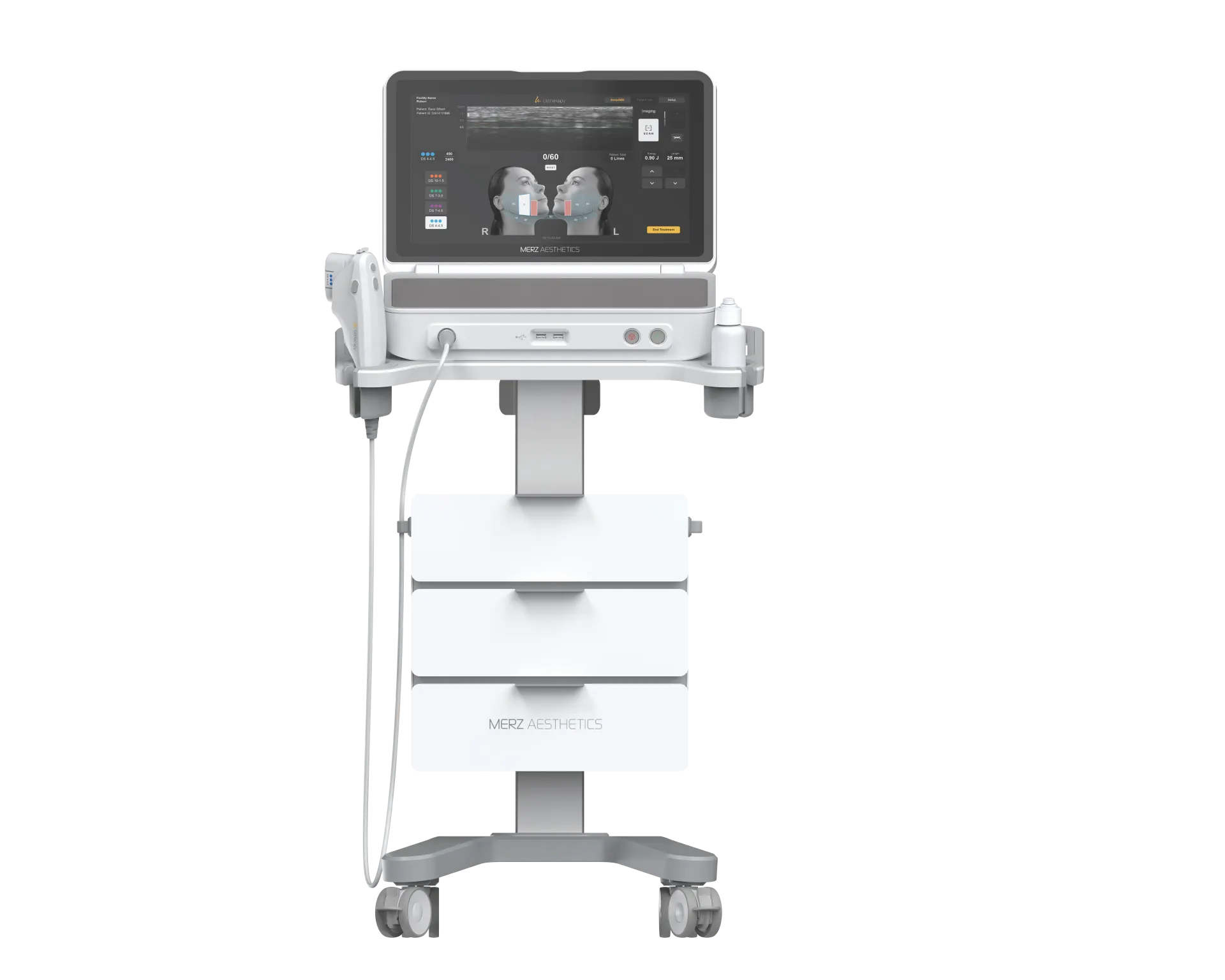
Ablative vs Non-Ablative Laser: What Is the Difference?
The difference between ablative and non-ablative laser is how they interact with your skin: ablative lasers vaporize the outer skin layer for dramatic resurfacing, while non-ablative lasers heat the dermis without surface damage for gradual improvement with minimal downtime. RE:BERRY Myeongdong offers both ablative and non-ablative laser treatments starting from ₩159,000, with 30+ devices operated by licensed Aesthetic Medicine Specialists at our 365-day Myeongdong clinic.
What Is the Difference Between Ablative and Non-Ablative Laser?
Ablative lasers (CO2, Er:YAG) vaporize the epidermis for 40-70% scar and wrinkle improvement in 1-2 sessions with 5-10 days downtime, while non-ablative lasers (PicoSure, Genesis, Nd:YAG) heat the dermis without surface removal for 20-40% improvement per session with 0-4 hours downtime, starting from ₩159,000 at RE:BERRY Myeongdong.
Understanding the difference between ablative and non-ablative laser is essential for choosing the right treatment — especially for international visitors to Seoul who need to factor downtime into their travel schedule. Ablative lasers work by vaporizing the outermost layer of skin (epidermis), forcing the body to regenerate new, smoother tissue from the dermis upward. This produces dramatic results for deep wrinkles, acne scars, and sun damage but requires 5-10 days of visible healing. Non-ablative lasers bypass the surface entirely, delivering controlled heat energy into the dermis to stimulate collagen production and target pigmentation without breaking the skin barrier. The result is gradual improvement over multiple sessions with virtually no downtime — most patients return to normal activities within hours. At RE:BERRY Myeongdong, Head Director Seung-Jae Baek selects between ablative and non-ablative laser protocols based on each patient’s specific concern, skin type, available downtime, and treatment goals. For travelers with limited days in Seoul, non-ablative options like PicoSure toning and Genesis laser allow same-day sightseeing. For patients who can dedicate recovery time, ablative fractional treatments like Pico Fraxel deliver faster, more dramatic results per session. Many patients benefit from combining both ablative and non-ablative laser types in a staged protocol for comprehensive skin rejuvenation at RE:BERRY Myeongdong.
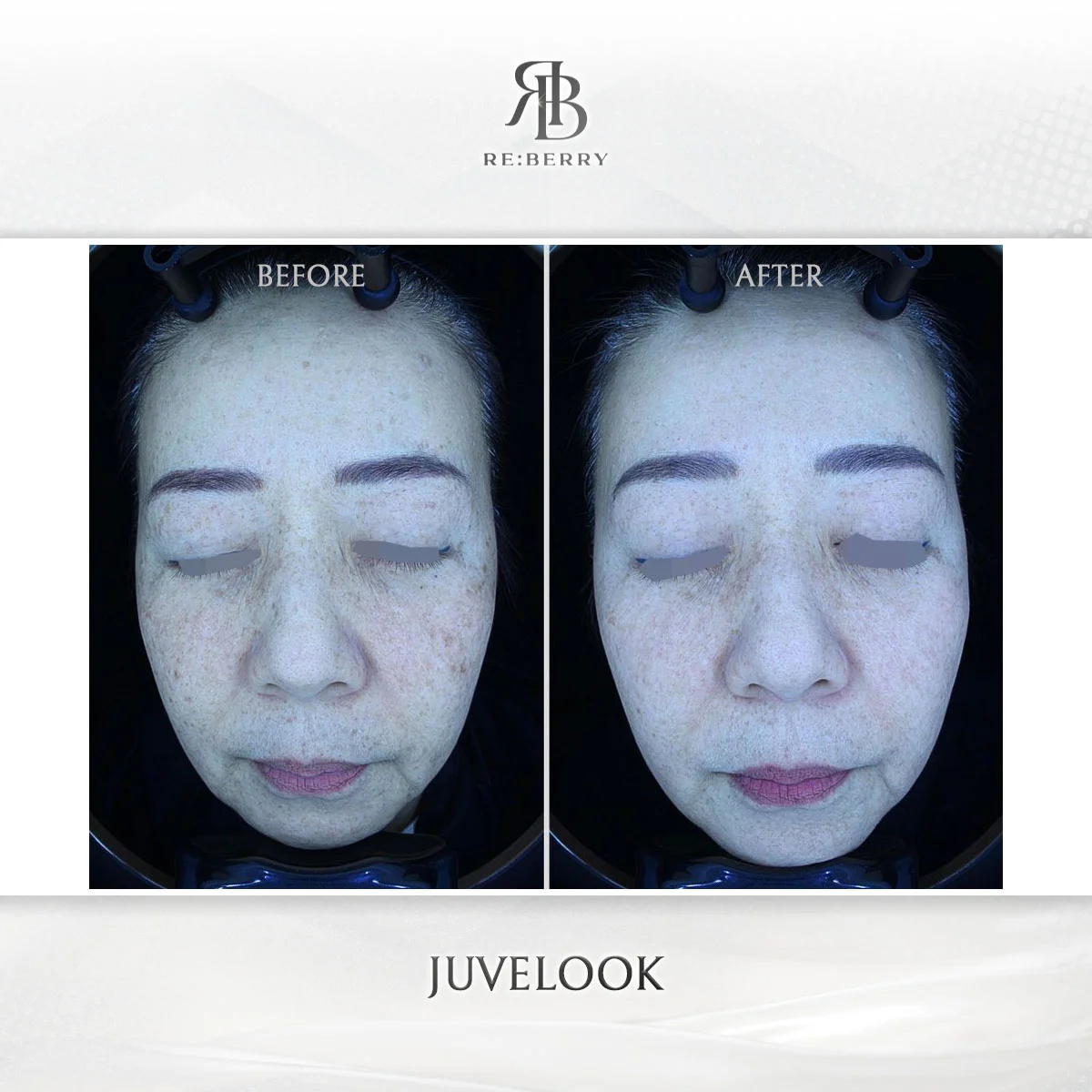
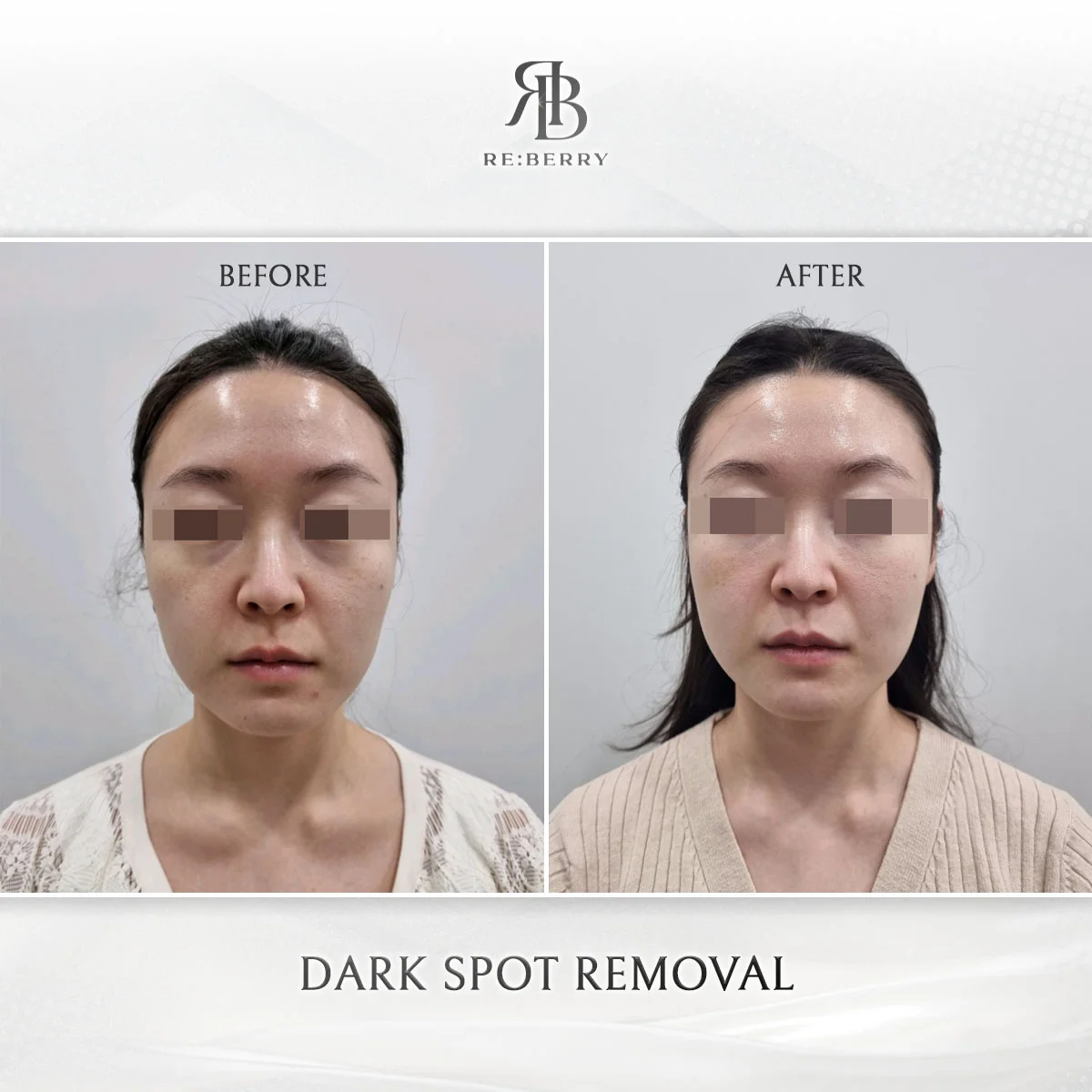
Ablative and Non-Ablative Laser Results at RE:BERRY Myeongdong
Actual patient results showing both ablative and non-ablative laser outcomes at RE:BERRY Myeongdong. Individual results vary based on skin type, concern severity, number of sessions, and treatment protocol selected during consultation.
How Ablative and Non-Ablative Lasers Work — Step by Step
Understanding the mechanism of each laser type helps you make an informed decision with your doctor at RE:BERRY Myeongdong.
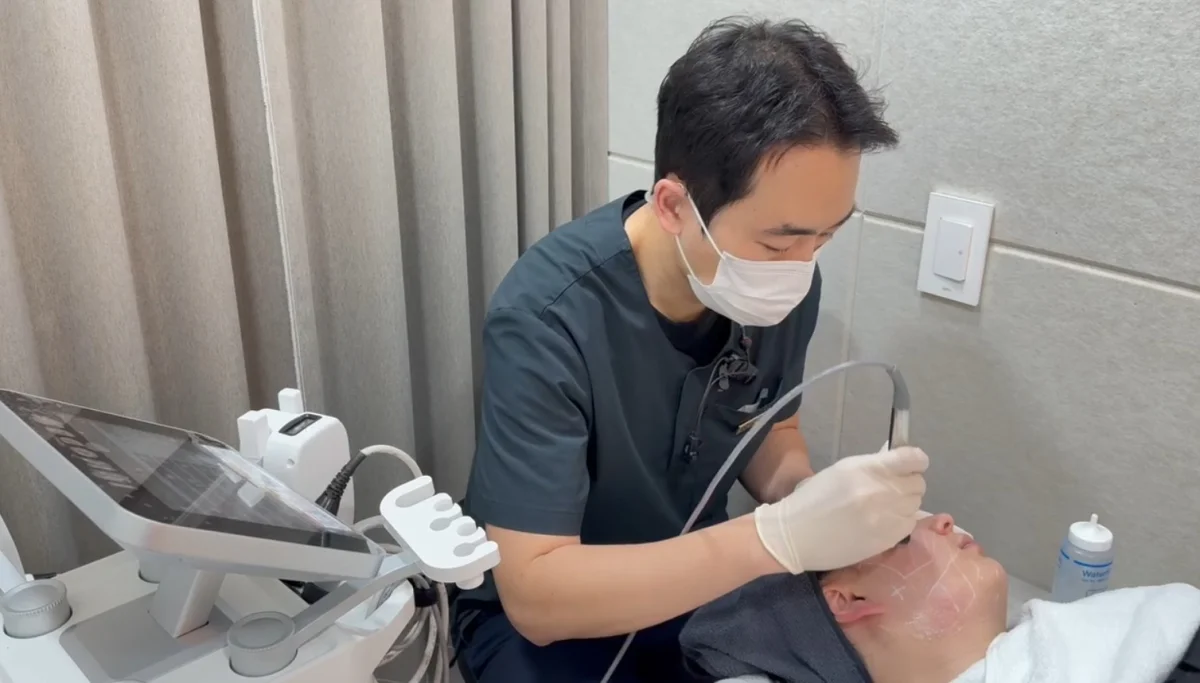
Non-Ablative Laser: Dermal Heating Without Surface Damage
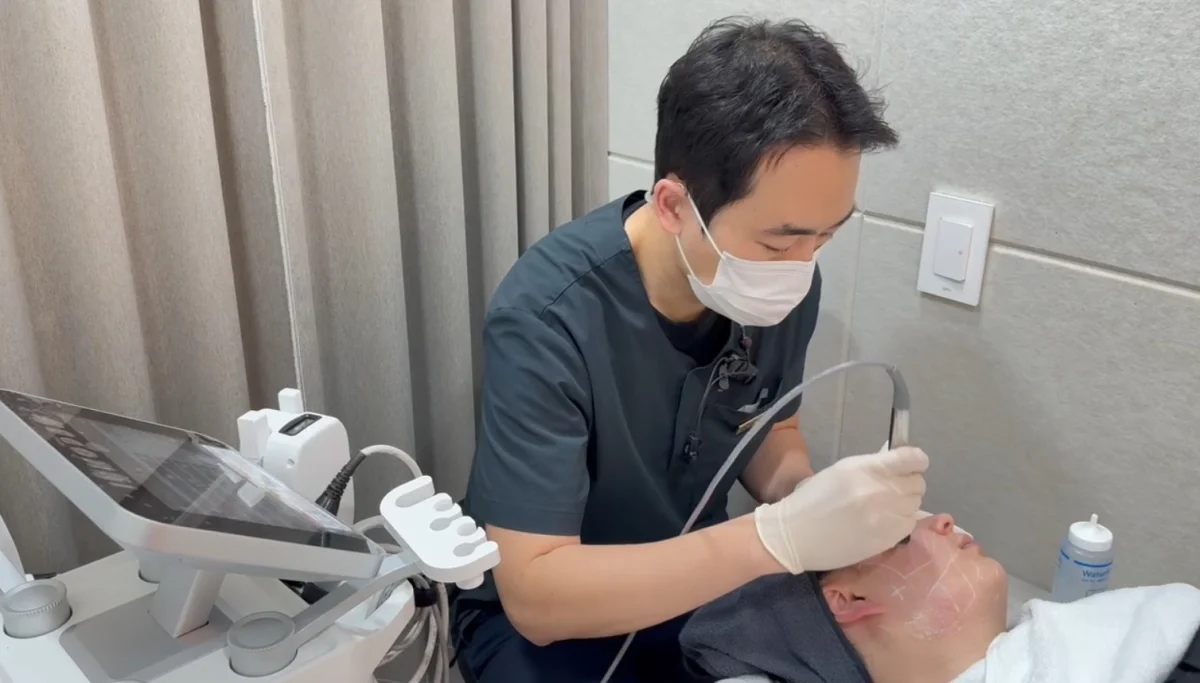
Non-ablative lasers deliver targeted wavelengths of light energy (755nm, 1064nm, 1320nm, or 1540nm) that pass through the intact epidermis and are absorbed by chromophores in the dermis — primarily water, melanin, or hemoglobin depending on the wavelength. This controlled thermal energy stimulates fibroblast activity, triggering new collagen and elastin synthesis over 4-12 weeks without disrupting the skin surface. At RE:BERRY Myeongdong, non-ablative options include PicoSure 755nm (picosecond pulses for pigmentation and collagen induction via LIOB), Genesis 1064nm (sub-millisecond Nd:YAG for redness, acne, and oil control), and the Dual Toning Package combining both wavelengths for ₩259,000 per session. Non-ablative laser treatment is the ideal difference between ablative and non-ablative laser for travelers who cannot afford extended downtime.
Ablative Laser: Controlled Epidermal Vaporization
Ablative lasers emit wavelengths strongly absorbed by water in the epidermis (CO2 at 10,600nm, Er:YAG at 2,940nm), causing instantaneous vaporization of the surface skin layer. This controlled destruction removes damaged, scarred, or wrinkled tissue and triggers an aggressive wound-healing cascade: new keratinocytes migrate from hair follicles and wound edges, while fibroblasts lay down fresh collagen matrix. The result is dramatically smoother, tighter skin after a single session. Modern fractional ablative lasers (like Pico Fraxel) create microscopic treatment zones surrounded by untreated tissue, reducing recovery time from 14-21 days (full ablative) to 5-7 days while maintaining 70-80% of the resurfacing effect.
Consultation: Choosing Between Ablative and Non-Ablative Laser
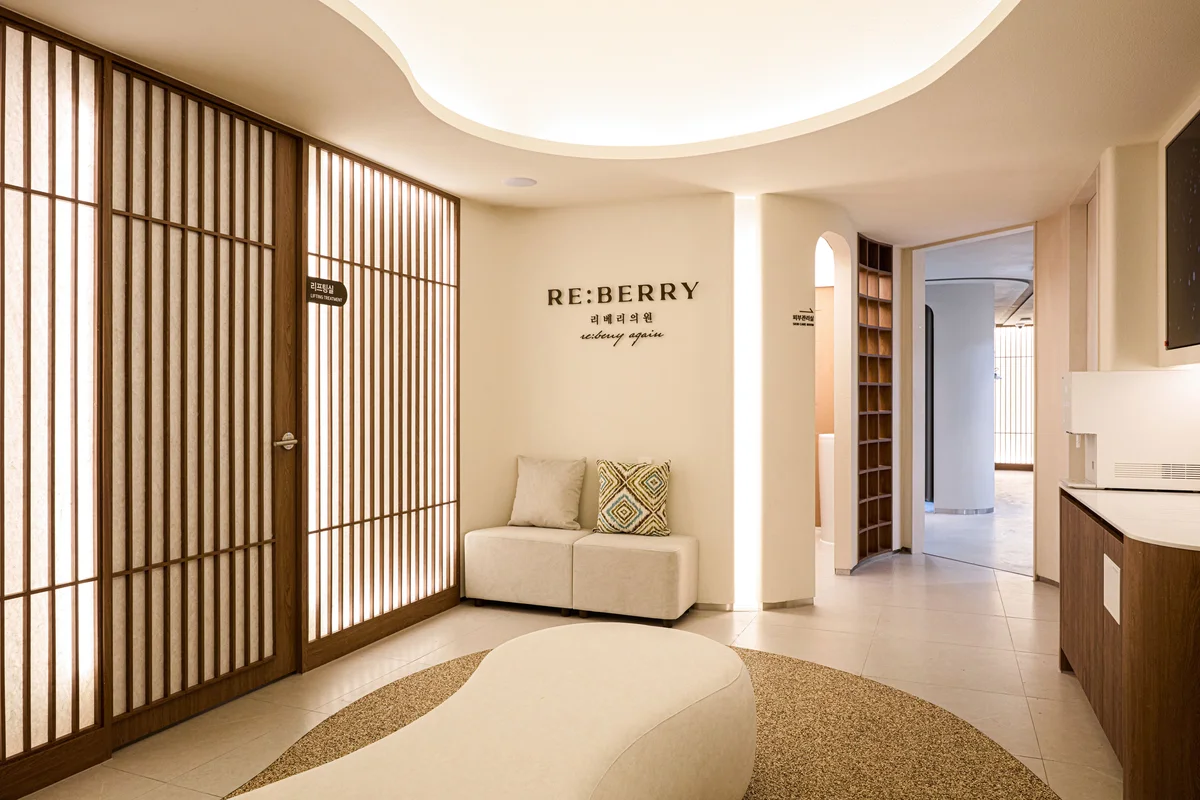
Dr. Seung-Jae Baek evaluates 4 factors to recommend the right laser type: skin concern severity (mild pigmentation favors non-ablative; deep scars favor ablative), Fitzpatrick skin type (darker skin types carry higher risk with ablative lasers), available downtime (tourists with 2-3 days benefit most from non-ablative), and treatment history (patients who have completed non-ablative courses may graduate to ablative for additional improvement). This 15-20 minute consultation at RE:BERRY Myeongdong is available in 8 languages and is the most important step in understanding the difference between ablative and non-ablative laser for your specific situation.
Combined Protocol: Ablative + Non-Ablative Staged Treatment
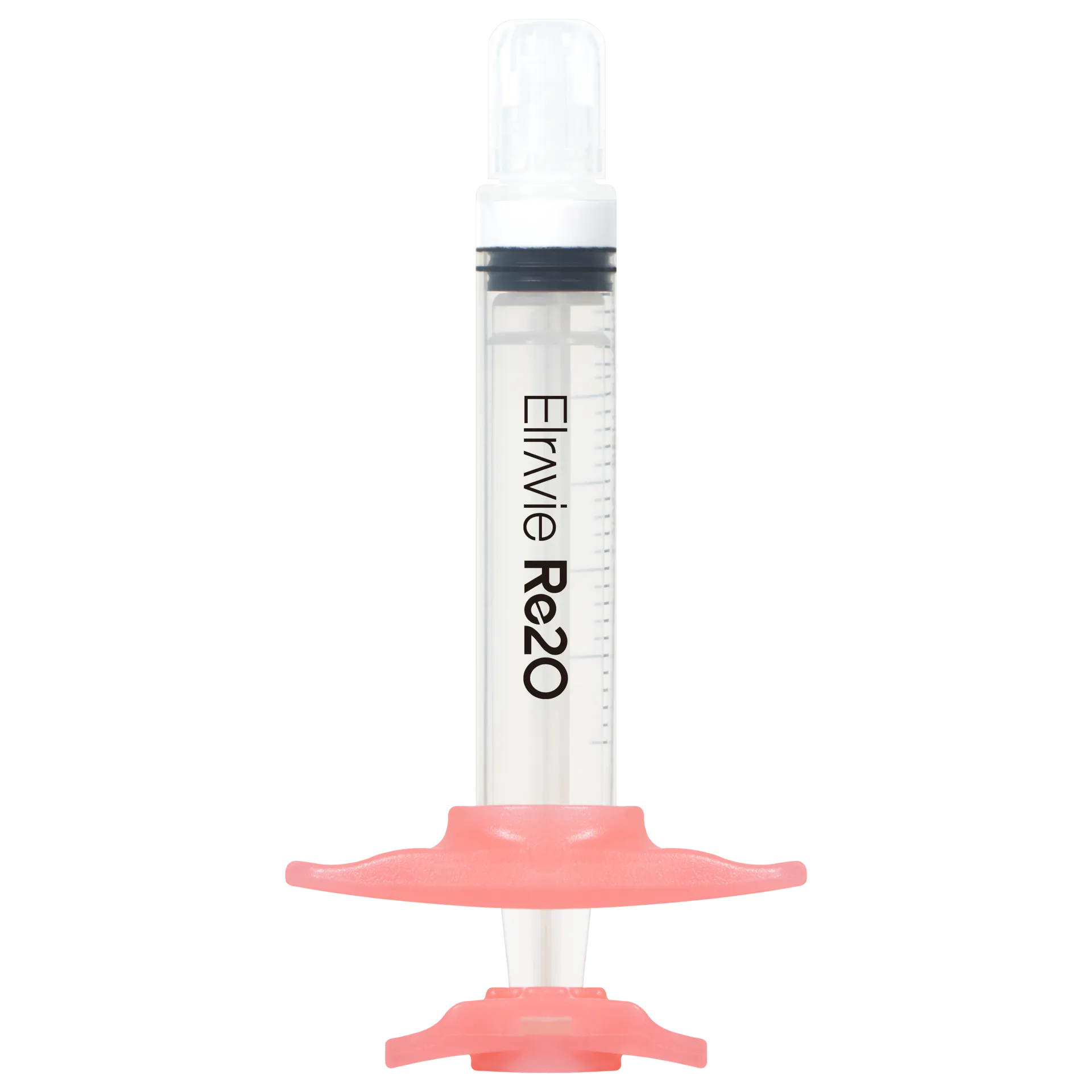
For optimal results, RE:BERRY Myeongdong often combines both laser types in a staged protocol. A typical combination starts with 3-5 non-ablative sessions (PicoSure toning for pigmentation clearance, ₩159,000 per session) followed by 1-2 ablative fractional sessions (Pico Fraxel for scar remodeling) with 4-6 weeks between phases. The acne scar treatment pathway frequently uses this combined ablative and non-ablative laser approach, pairing it with Potenza RF microneedling for collagen induction at depths lasers cannot reach. This multi-modal strategy maximizes improvement per session while managing downtime across multiple visits to Seoul.
What to Expect from Ablative vs Non-Ablative Laser Treatment
- Non-Ablative — Zero Downtime: 0-4 hours of mild redness after treatment. Resume sightseeing in Myeongdong, apply makeup, and continue normal activities the same day. Ideal for Seoul tourists with limited days who want meaningful skin improvement.
- Non-Ablative — Gradual Collagen Building: Each non-ablative session stimulates 15-25% new collagen and elastin production in the dermis. Cumulative improvement builds over 3-5 sessions spaced 2-4 weeks apart, delivering lasting results with sustained skin quality improvement that continues for 2-3 months after the final session.
- Ablative — Dramatic Single-Session Results: 40-70% improvement in wrinkles, acne scars, or skin texture in just 1-2 ablative sessions versus 3-5 sessions for non-ablative treatment. Ablative lasers achieve this by triggering a complete wound-healing cascade that replaces damaged tissue with new collagen-rich skin.
- Ablative — Deep Scar Remodeling: Fractional ablative lasers penetrate 300-1,400 micrometers deep — significantly deeper than non-ablative — remodeling collagen architecture in depressed acne scars, surgical scars, and deep wrinkle beds that non-ablative treatments alone cannot reach effectively.
- Combined Approach — Maximum Results: Staged non-ablative + ablative protocols achieve 60-80% total improvement in scar depth and skin texture, outperforming either type alone by 25-30%. RE:BERRY Myeongdong’s combined approach starts with non-ablative pigmentation clearance followed by ablative collagen remodeling for the most comprehensive results.
| Timeline | What to Expect |
|---|---|
| Day 0 — Non-Ablative | Non-ablative treatment takes 20-40 minutes at RE:BERRY Myeongdong. Mild warmth during procedure with no anesthetic required. Redness resolves within 2-4 hours. Apply SPF 50 immediately and resume normal activities including sightseeing in Myeongdong. |
| Day 0 — Ablative | Ablative treatment takes 30-60 minutes with topical numbing cream applied 30-40 minutes beforehand. Expect visible redness, mild swelling, and pinpoint bleeding for fractional ablative procedures. Petroleum-based healing ointment is applied immediately afterward, and a written aftercare guide in your language is provided. |
| Days 1-3 — Ablative Recovery | Redness and swelling peak day 1-2. Micro-crusts form over fractional treatment zones. Keep skin moist, avoid sun completely. |
| Week 1 — Non-Ablative | Skin appears slightly brighter. Subtle pigmentation fading begins. Ready for next session in 2-3 weeks. |
| Week 1-2 — Ablative | Micro-crusts shed naturally by day 5-7. New pink skin emerges underneath. Avoid direct sun for 2-4 weeks. |
| Month 1-3 | Non-ablative: cumulative improvement visible after 2-3 sessions with collagen production ramping up at week 4-6 post each session. Ablative: new collagen remodeling peaks at 3 months with scar depth reduction and wrinkle smoothing continuing to improve gradually. |
| Month 6+ | Ablative results stabilize with 40-70% improvement maintained for 2-5 years before maintenance may be needed. Non-ablative benefits are sustained with maintenance sessions every 4-8 weeks at RE:BERRY Myeongdong. Combined protocol patients see the most durable long-term results. |
Ablative vs Non-Ablative Laser: Complete Comparison
| Feature | Ablative Laser | Non-Ablative Laser | Combined Protocol |
|---|---|---|---|
| Mechanism | Vaporizes epidermis | Heats dermis through intact skin | Both — staged sequentially |
| Common Devices | CO2 fractional, Er:YAG, Pico Fraxel | PicoSure, Genesis, Nd:YAG 1064nm | Non-ablative first, ablative second |
| Improvement Per Session | 40-70% | 15-25% (cumulative over 3-5) | 60-80% total |
| Downtime | 5-10 days | 0-4 hours | Varies by phase |
| Sessions Needed | 1-2 sessions | 3-5 sessions | 4-6 total |
| Best For | Deep scars, wrinkles, severe sun damage | Mild pigmentation, tone, texture, pores | Moderate-severe scars + pigmentation |
| Pain Level | 4-6/10 (numbing required) | 1-3/10 (no anesthetic needed) | Varies by session |
| Flight-Ready | 5-7 days after treatment | 24 hours after treatment | Plan around ablative sessions |
| Price at RE:BERRY | Consultation required | From ₩159,000/session | Custom package pricing |
Ablative and Non-Ablative Laser Pricing at RE:BERRY Myeongdong
All prices in KRW. April 2026 promotions. Non-covered medical service.
First-Visit PicoSure Toning (Non-Ablative)
- PicoSure 755nm non-ablative session
- Skin analysis consultation
- Post-treatment calming care
- Zero downtime — same-day activities
Dual Toning Package (Non-Ablative)
- PicoSure 755nm pigmentation targeting
- Genesis 1064nm dermal heating
- Dual non-ablative wavelength protocol
- 0-4 hours recovery — fly in 24 hours
Pore All-Kill Package (Non-Ablative + RF)
- Aqua Peel deep cleansing
- Potenza RF microneedling
- Juvelook 2cc skin booster
- Regenerative laser 1 session
Subcision + Pico Fraxel Package (Ablative)
- Subcision for tethered scars
- Juvelook Hand Injection 4cc
- Pico Fraxel ablative session
- Cryotherapy post-treatment recovery
Meet Your Doctor
Dr. Seung-Jae Baek
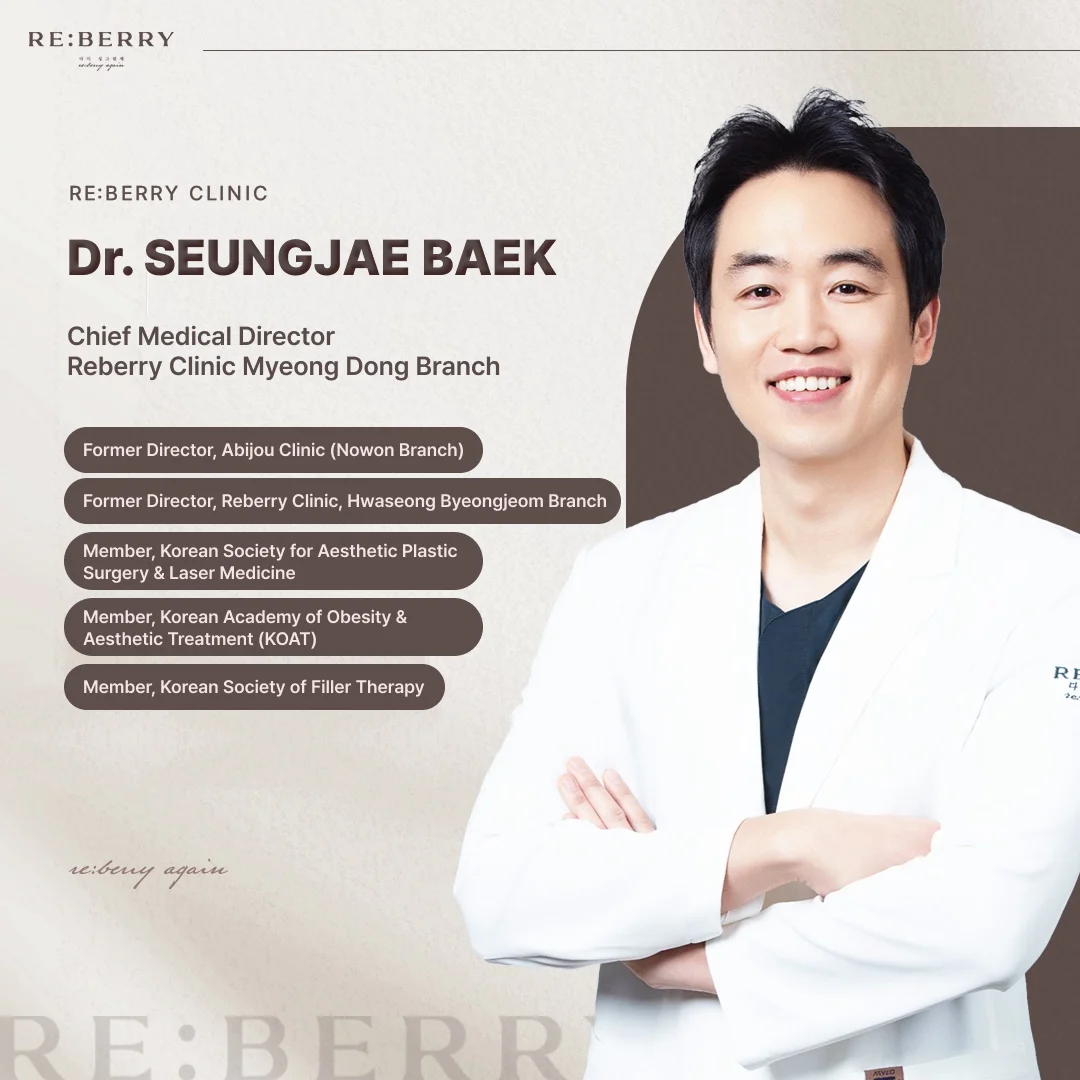
- Head Director, RE:BERRY Clinic Myeongdong
- Aesthetic Medicine Specialist
- Juvelook Meister Certified
- License No. 143338
Medically reviewed by Dr. Seung-Jae Baek, Head Director / Aesthetic Medicine Specialist, RE:BERRY
The Science Behind Ablative vs Non-Ablative Laser Treatment
Peer-reviewed evidence comparing ablative and non-ablative laser mechanisms and outcomes.
Fractional Photothermolysis: The Foundation of Modern Ablative Laser
Fractional photothermolysis, introduced by Manstein et al. in 2004, revolutionized ablative laser treatment by creating microscopic treatment zones (MTZs) surrounded by untreated tissue. Each MTZ measures 100-300 micrometers in diameter and penetrates 300-1,400 micrometers deep, vaporizing columns of epidermal and dermal tissue. The surrounding untreated skin serves as a reservoir of viable keratinocytes and stem cells that rapidly migrate into the MTZs, reducing healing time from 14-21 days (traditional full ablative) to 5-7 days. Clinical studies demonstrate 50-70% improvement in atrophic acne scars and 40-60% improvement in photodamaged skin wrinkles after 1-3 fractional ablative sessions, establishing this as the gold standard for the ablative side of the difference between ablative and non-ablative laser.
Manstein D et al. Fractional photothermolysis: a new concept for cutaneous remodeling using microscopic patterns of thermal injury. Lasers Surg Med. 2004;34(5):426-438. doi:10.1002/lsm.20048
Non-Ablative Laser Collagen Induction Mechanisms
Non-ablative lasers achieve dermal remodeling through selective photothermolysis — heating specific chromophores (water, melanin, hemoglobin) in the dermis while preserving the epidermis. The thermal injury triggers a controlled wound-healing response: heat shock proteins (HSP 47, HSP 72) are upregulated within hours, followed by TGF-beta signaling that activates fibroblasts to produce type I and type III collagen over 4-12 weeks. Picosecond non-ablative lasers like PicoSure add a photomechanical mechanism (laser-induced optical breakdown) that creates intracellular vacuoles without thermal damage, stimulating elastin production alongside collagen. A meta-analysis of 23 RCTs found that non-ablative lasers achieve 20-40% improvement per treatment course with a complication rate of less than 0.5%, compared to 2-5% for ablative lasers.
Hedelund L et al. Non-ablative fractional laser resurfacing for skin rejuvenation: a systematic review of efficacy and safety. J Eur Acad Dermatol Venereol. 2016;30(9):1440-1452. doi:10.1111/jdv.13558
Ablative vs Non-Ablative: Head-to-Head Clinical Evidence
A landmark split-face randomized controlled trial compared fractional ablative CO2 laser (one side of the face) with non-ablative 1540nm erbium glass laser (the other side) for facial rejuvenation. At 6 months, the ablative side showed 51% improvement in wrinkle depth versus 32% for the non-ablative side (p<0.01). However, the ablative side had a mean downtime of 7.2 days versus 0.8 days for non-ablative, and 3 patients experienced prolonged erythema lasting beyond 3 months on the ablative side versus zero on the non-ablative side. These findings validate the trade-off between ablative and non-ablative laser: greater single-session efficacy versus lower risk and faster recovery. At RE:BERRY Myeongdong, Dr. Seung-Jae Baek uses these evidence-based benchmarks to guide patients toward the optimal choice.
Tierney EP et al. Ablative fractionated CO2 versus non-ablative fractional 1540nm erbium glass laser for facial rejuvenation: a split-face randomized controlled trial. Dermatol Surg. 2018;44(3):362-371. doi:10.1097/DSS.0000000000001327
Recent combination studies show that staged protocols using non-ablative sessions followed by ablative sessions achieve 60-80% total improvement, outperforming either modality alone and offering the best balance of efficacy and safety across the full spectrum of the ablative versus non-ablative laser difference.
Saedi N et al. Combination of ablative and non-ablative fractional lasers for treatment of acne scars: a prospective clinical trial. J Cosmet Laser Ther. 2019;21(4):224-230. doi:10.1080/14764172.2018.1525745
What Patients Say About Ablative and Non-Ablative Laser at RE:BERRY Myeongdong
“I only had 4 days in Seoul, so Dr. Baek recommended non-ablative PicoSure toning instead of Pico Fraxel. Zero downtime — I went shopping in Myeongdong right after my session. My dark spots faded 60% after 3 visits over 6 months.”
“I chose the ablative Pico Fraxel for my deep boxcar acne scars because non-ablative alone was not enough. The first 5 days were rough with redness, but at 3 months my scars were 65% flatter. Worth every day of downtime.”
“Dr. Son recommended starting with 4 non-ablative Genesis sessions to calm my redness, then switching to 2 ablative fractional sessions for my scars. This combination approach gave me the best of both worlds.”
Frequently Asked Questions About Ablative vs Non-Ablative Laser
Expert answers from RE:BERRY Myeongdong laser specialists on the difference between ablative and non-ablative laser.
Ablative lasers (CO2, Er:YAG, Pico Fraxel) vaporize the outer skin layer (epidermis) for 40-70% improvement in scars and wrinkles with 5-10 days downtime. Non-ablative lasers (PicoSure, Genesis, Nd:YAG) heat the dermis through intact skin for 15-25% improvement per session with 0-4 hours downtime. The fundamental difference between ablative and non-ablative laser is whether the surface skin barrier is disrupted.
₩159,000 for first-visit PicoSure toning and ₩259,000 for the Dual Toning Package (PicoSure + Genesis) at RE:BERRY Myeongdong. Non-ablative treatments are generally 30-50% less expensive per session than ablative options.
₩1,090,000 for the Subcision + Pico Fraxel + Cryotherapy package at RE:BERRY Myeongdong. Individual ablative fractional sessions require consultation for custom pricing based on treatment area and scar severity.
Deep boxcar and ice pick scars respond best to ablative fractional laser (50-70% improvement in 1-2 sessions). Mild post-inflammatory pigmentation and shallow scars respond well to non-ablative PicoSure toning. RE:BERRY Myeongdong often combines both for acne scar treatment.
Ablative laser achieves 40-60% wrinkle reduction in 1-2 sessions versus 3-5 sessions for non-ablative. However, ablative requires 5-10 days recovery while non-ablative has zero downtime. For travelers, non-ablative anti-aging laser is more practical.
24 hours after non-ablative treatments (PicoSure, Genesis) at RE:BERRY Myeongdong. Cabin pressure does not affect non-ablative treated skin. Apply SPF 50 during the flight and keep skin hydrated. See our flight-after-laser guide.
5-7 days for fractional ablative (Pico Fraxel) and 10-14 days for full ablative CO2 laser. During recovery, expect redness, micro-crusting, and peeling. RE:BERRY Myeongdong provides a detailed aftercare protocol in 8 languages.
1-3 out of 10 on the pain scale for most patients. PicoSure feels like mild rubber-band snaps. Genesis feels like warm air on the skin. No anesthetic is needed for non-ablative laser treatments at RE:BERRY Myeongdong.
4-6 out of 10 without anesthetic. RE:BERRY Myeongdong applies topical numbing cream for 30-40 minutes before all ablative procedures. During treatment, patients feel heat and mild stinging. Cooling devices are used throughout.
Not typically in one session — they target different tissue depths with different mechanisms. RE:BERRY Myeongdong recommends staged protocols: 3-5 non-ablative sessions first, then 1-2 ablative sessions 4-6 weeks later for maximum cumulative improvement of 60-80%.
Non-ablative lasers are significantly safer for darker skin. 1064nm Nd:YAG (Genesis) has the lowest melanin absorption and PIH risk. See our best laser for Asian skin guide. Ablative lasers carry 5-15% PIH risk for Fitzpatrick V-VI versus less than 1% for non-ablative at proper settings.
3-5 sessions spaced 2-4 weeks apart for most concerns at RE:BERRY Myeongdong. Mild pigmentation may clear in 3 sessions of PicoSure. Moderate acne scars typically need 5 non-ablative sessions plus 1-2 ablative sessions for optimal results.
PicoSure 755nm (picosecond alexandrite for pigmentation and collagen), Genesis 1064nm Nd:YAG (sub-millisecond for redness, acne, and oil control), and Soprano Titanium (diode for hair removal). All are FDA/CE-cleared and operated by licensed Aesthetic Medicine Specialists.
Pico Fraxel (fractional picosecond ablative for scars and texture) is the primary ablative option. Ablative treatments are combined with Potenza RF and subcision for comprehensive scar remodeling packages starting from ₩1,090,000.
Non-ablative 1064nm toning at low fluence is the safest laser approach for melasma, achieving 30-50% improvement over 5-8 sessions. Ablative laser is generally contraindicated for melasma because surface disruption can trigger rebound hyperpigmentation. RE:BERRY Myeongdong uses Genesis toning for melasma patients.
7+ days in Seoul recommended for ablative fractional laser to allow peak redness to subside before flying. If you have only 3-5 days, non-ablative options deliver meaningful results with same-day recovery. See our tourist laser treatment guide for detailed trip planning.
Pico Fraxel is a fractional ablative laser that creates microscopic columns of controlled tissue removal using picosecond pulse duration. It combines the depth of ablative resurfacing with the precision of picosecond technology for faster healing than traditional CO2 lasers.
PicoSure is a non-ablative picosecond laser operating at 755nm wavelength. It delivers ultra-short pulses that shatter melanin and stimulate collagen via LIOB (laser-induced optical breakdown) without disrupting the skin surface. Zero downtime — it is the most popular non-ablative option at RE:BERRY Myeongdong.
15-25% improvement in pigmentation brightness and subtle skin texture refinement after 1 non-ablative session at RE:BERRY Myeongdong. Visible collagen improvement begins at week 4. Most patients see significant cumulative results after sessions 2-3.
Ablative results last 2-5 years for scar improvement and 1-3 years for anti-aging wrinkle reduction before maintenance is needed. Non-ablative results last 6-12 months for pigmentation and skin tone, with maintenance sessions every 4-8 weeks recommended for sustained collagen building and improvement at RE:BERRY Myeongdong.
15-20 minutes with Dr. Seung-Jae Baek at no charge. He assesses your skin type, concern severity, available downtime, and budget to recommend the ideal choice between ablative and non-ablative laser. Available in 8 languages.
No — deep acne scars (boxcar, ice pick), severe wrinkles, and extensive sun damage respond 2-3x better to ablative treatment. Non-ablative excels at mild-moderate pigmentation, pore refinement, skin tone evening, and collagen maintenance.
4 factors: concern severity (mild = non-ablative, severe = ablative), Fitzpatrick skin type (darker skin = non-ablative preferred), available downtime (less than 5 days = non-ablative), and treatment history. Dr. Baek reviews all 4 during your consultation.
30+ FDA/CE-cleared devices covering both ablative and non-ablative categories, 2 licensed Aesthetic Medicine Specialists who personally operate every device, 8-language consultations, and transparent package pricing — all at 5 Myeongdong 10-gil, open 365 days.
3 key reasons: physician-only operation ensuring safe parameter calibration for all skin types, comprehensive device selection covering both laser categories, and a Myeongdong location 2 minutes from the subway station with 365-day availability for international patients.
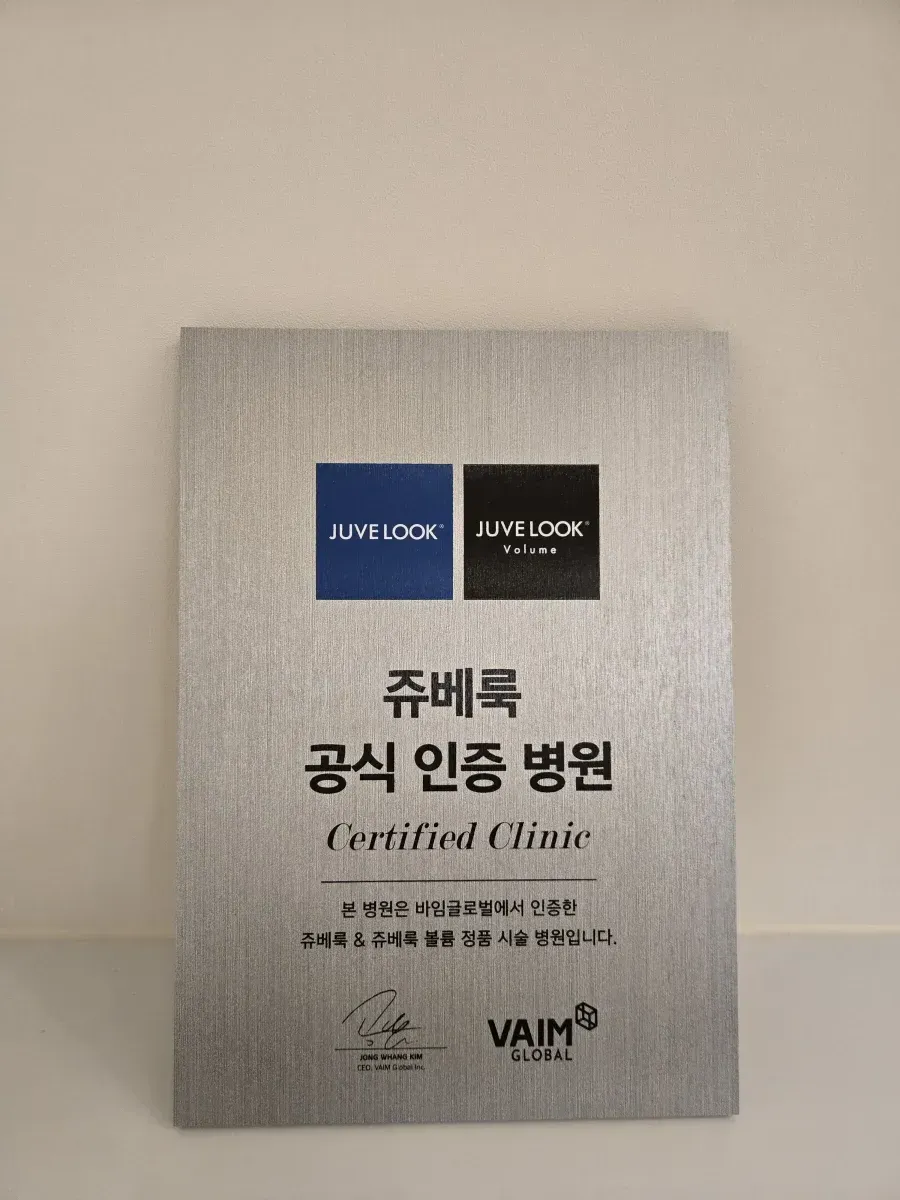
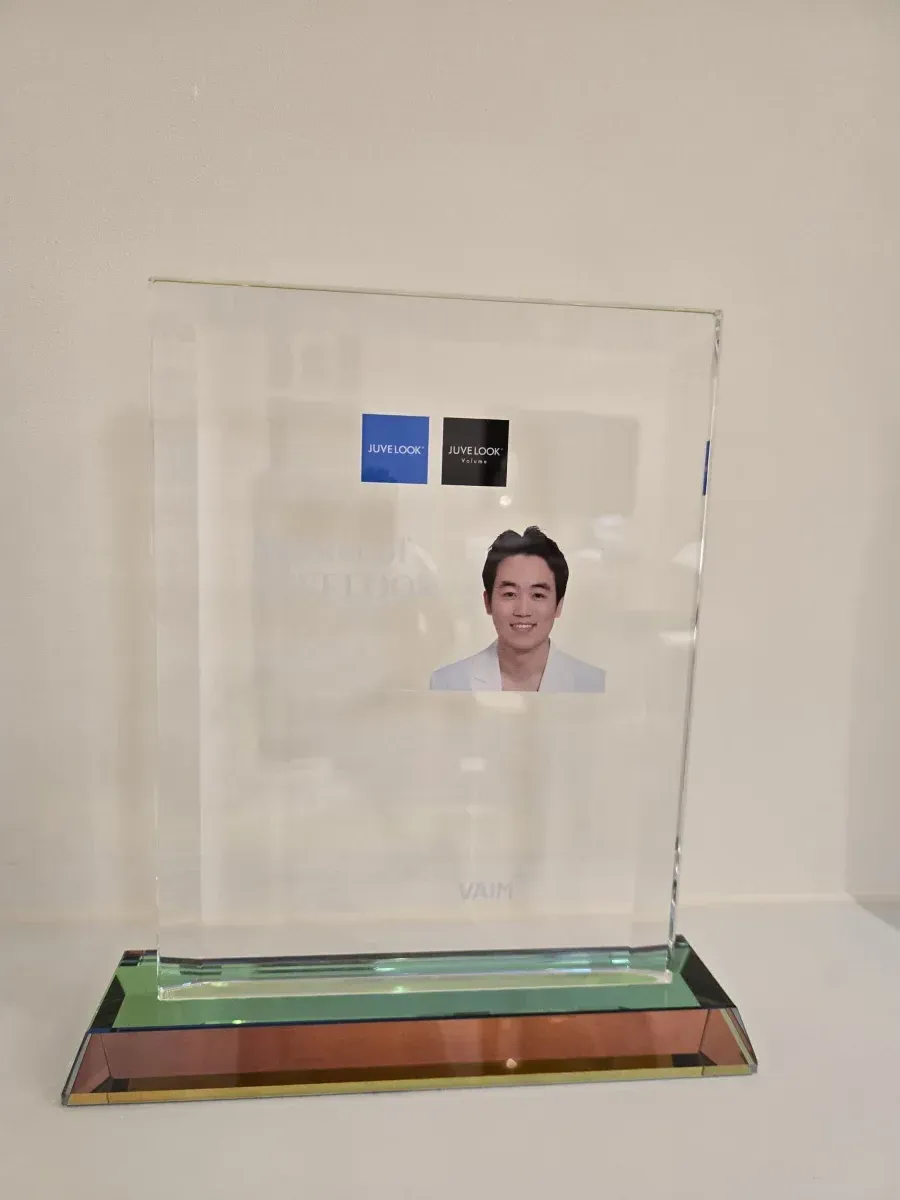
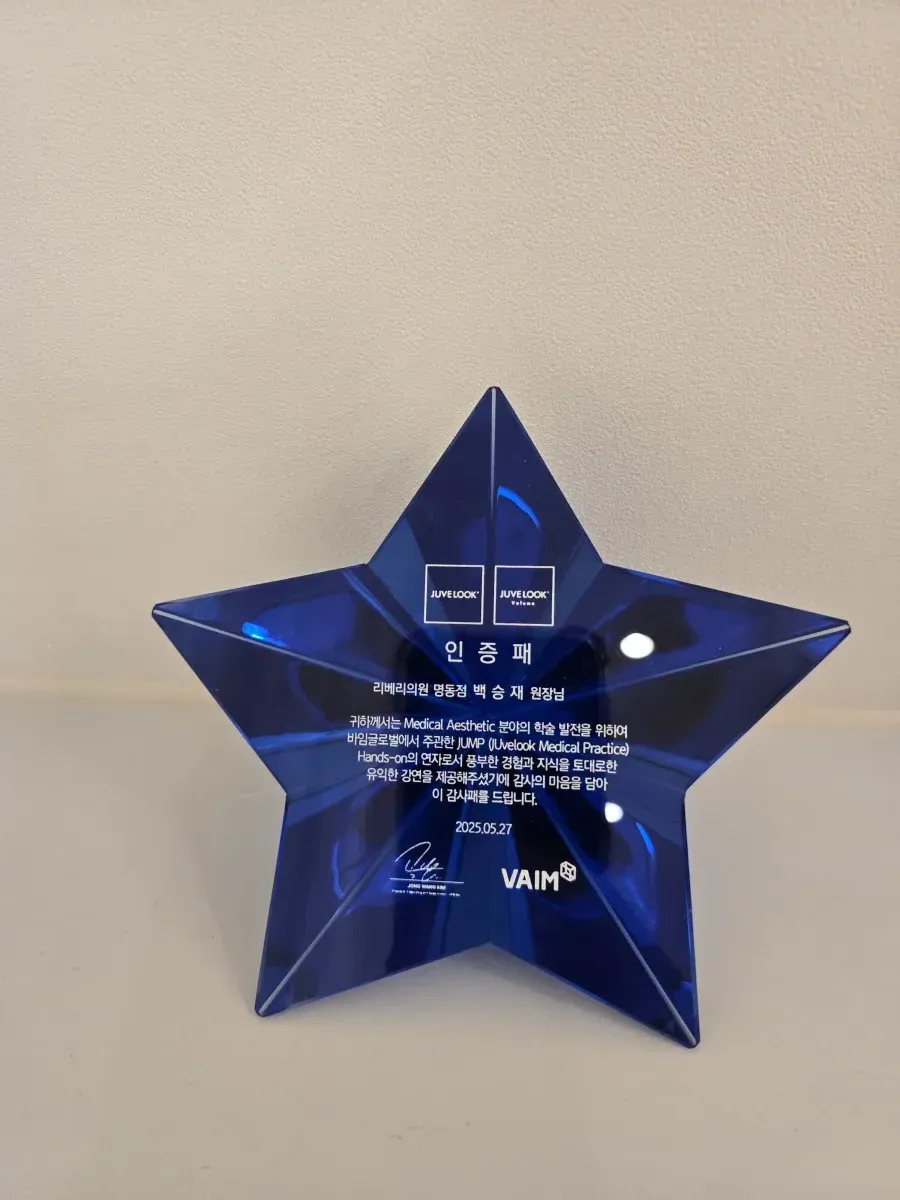
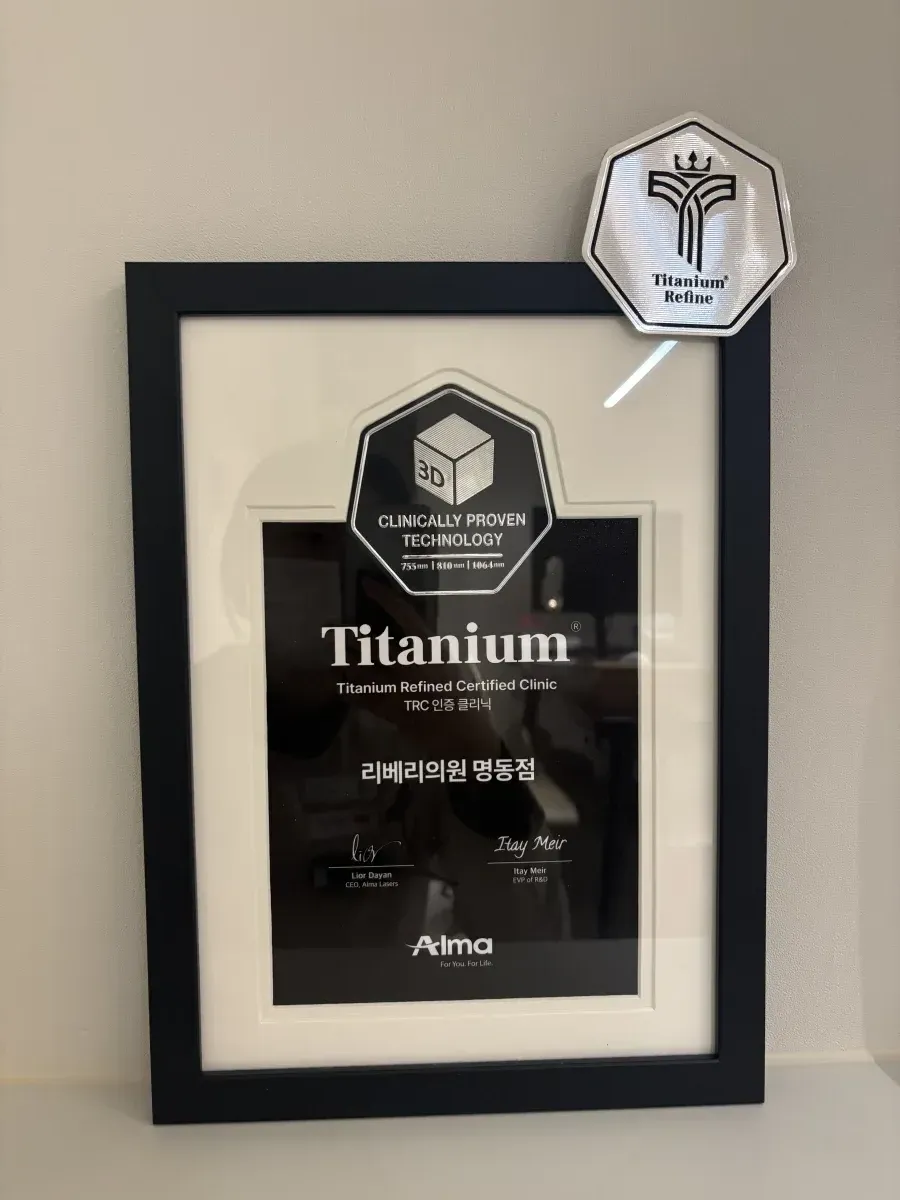
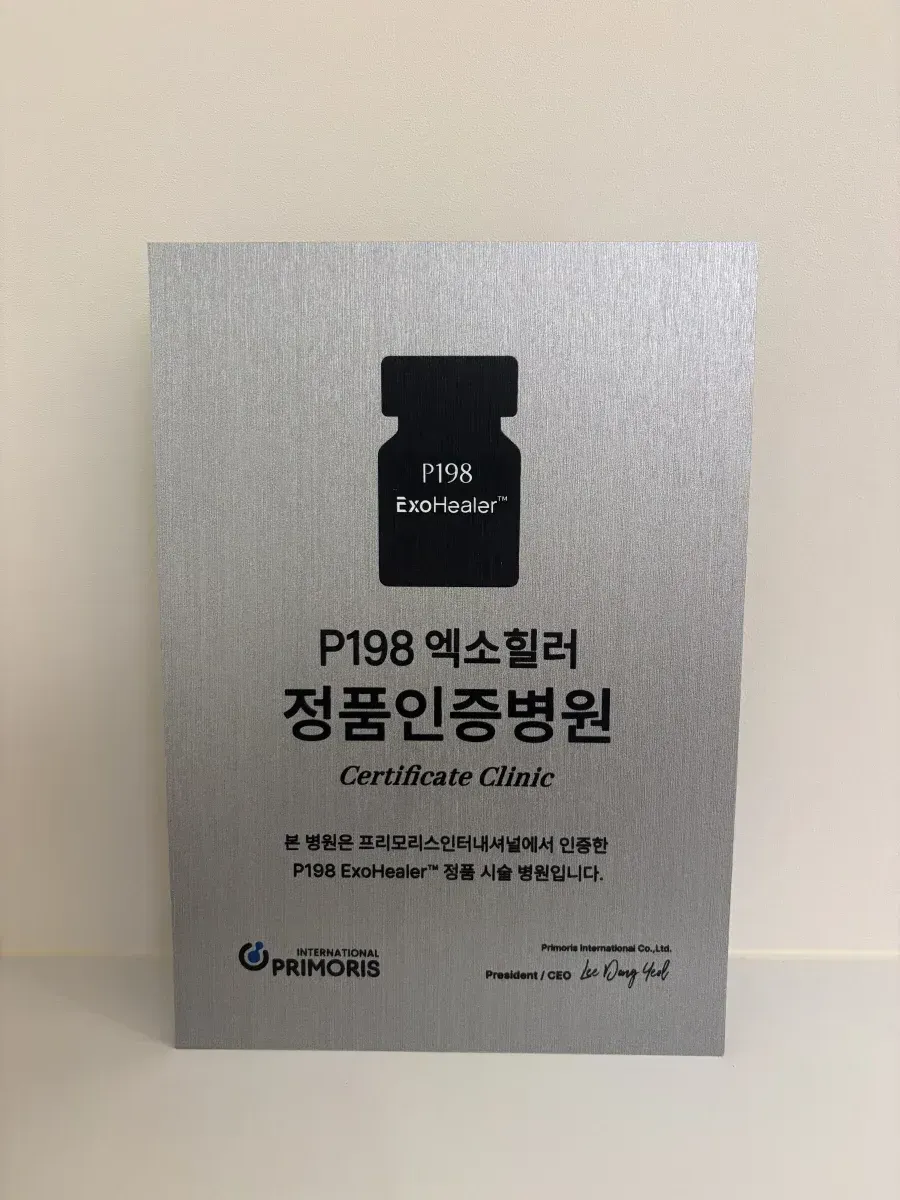
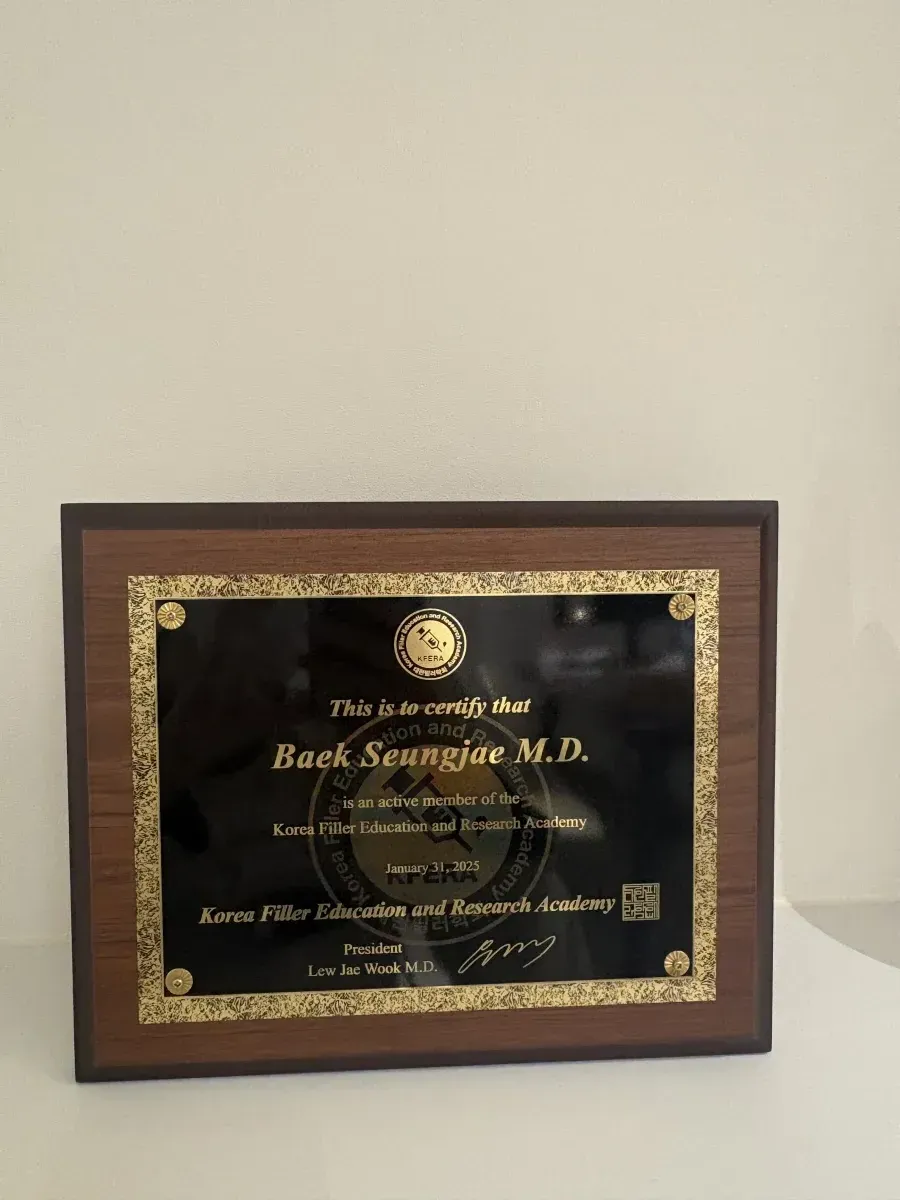
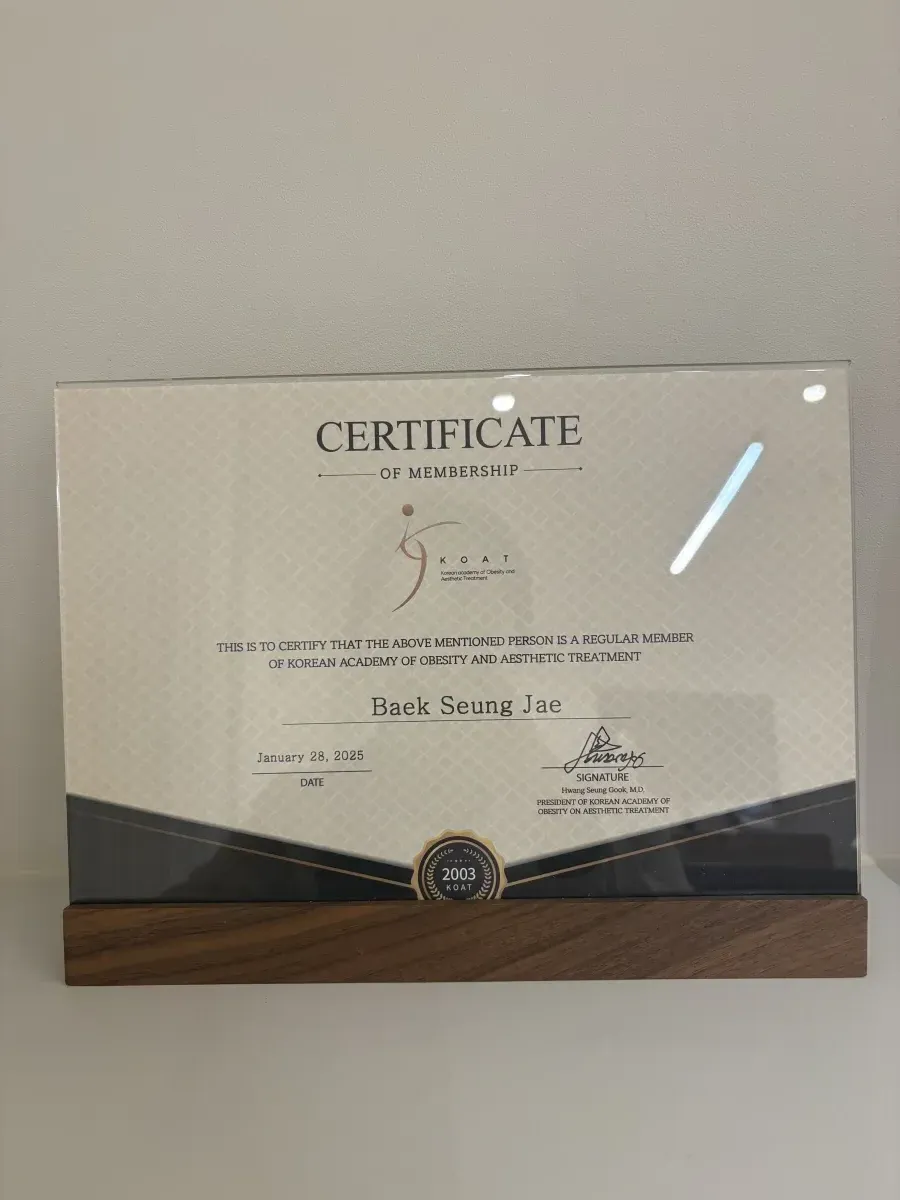
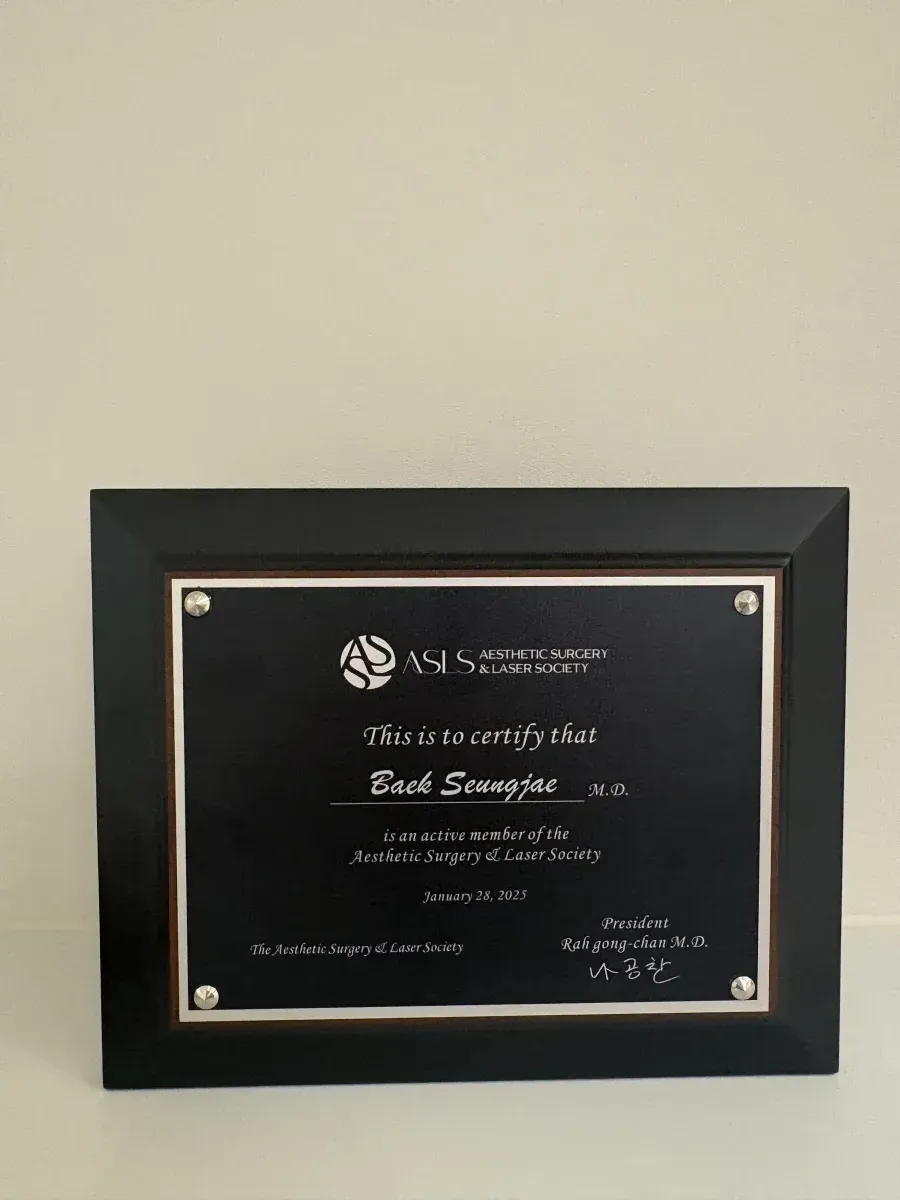
Only Authentic, Brand-Certified Equipment
Every device at RE:BERRY is MFDS-certified and manufacturer-verified. We never use counterfeit or grey-market equipment.
Find Your Ideal Laser Type at RE:BERRY Myeongdong
Book a free 15-20 minute consultation with Head Director Seung-Jae Baek to determine the right ablative or non-ablative laser for your specific skin concern, Fitzpatrick type, and available downtime. Non-ablative treatments from ₩159,000 per session. 2 minutes from Myeongdong Station Exit 8, open 365 days with 8-language support.
Book Your Laser Consultation at RE:BERRY Myeongdong
Fill out the form and our multilingual team will confirm within 2 hours via your preferred contact method.
- ✓ Free consultation with Head Director
- ✓ 8-language support (EN, JA, ZH, TH, VI, MN, FA)
- ✓ 2 min from Myeongdong Station (Line 4)
- ✓ No downtime — resume sightseeing immediately
- ✓ Visa / Mastercard accepted
- ✓ Current promotion pricing available