Glass Skin Laser vs Chemical Peel in Korea — The Ultimate Comparison at RE:BERRY Myeongdong Seoul
Glass skin laser vs chemical peel Korea is the top question among international visitors seeking the famous Korean glass skin glow. RE:BERRY Myeongdong offers both approaches — PicoSure laser toning, Genesis Nd:YAG laser, and professional chemical peels including LHALA Peel and Potenza — so Dr. Baek Seung-Jae can recommend the optimal protocol for your skin type, budget, and travel schedule.
Should You Choose Glass Skin Laser or Chemical Peel in Korea?
Glass skin laser toning at RE:BERRY Myeongdong uses PicoSure picosecond technology from ₩159,000 with zero downtime, producing translucent luminous skin through collagen remodeling, while LHALA chemical peel at ₩77,000 removes dull surface cells for instant glow but requires 2-5 days of peeling — Dr. Baek recommends laser for tourists and peels for longer stays.
The glass skin laser vs chemical peel Korea decision depends on three factors: your available downtime, skin concerns, and budget. Laser toning — specifically PicoSure picosecond laser and Genesis Nd:YAG — targets the dermis to stimulate collagen production, reduce melanin deposits, and shrink pores from within. The result is the translucent, poreless, luminous complexion known as ‘glass skin’ (유리 피부) in Korean beauty culture. Chemical peels work from the outside in, dissolving the upper layers of dead skin cells to reveal brighter, smoother skin underneath. RE:BERRY Myeongdong offers professional-grade chemical peels (LHALA Peel, Aqua Peel) and advanced laser toning protocols — giving you access to both Korean glass skin approaches under one roof. For maximum results, many patients combine both: a chemical peel for immediate surface clarity followed by laser toning for long-term dermal improvement.
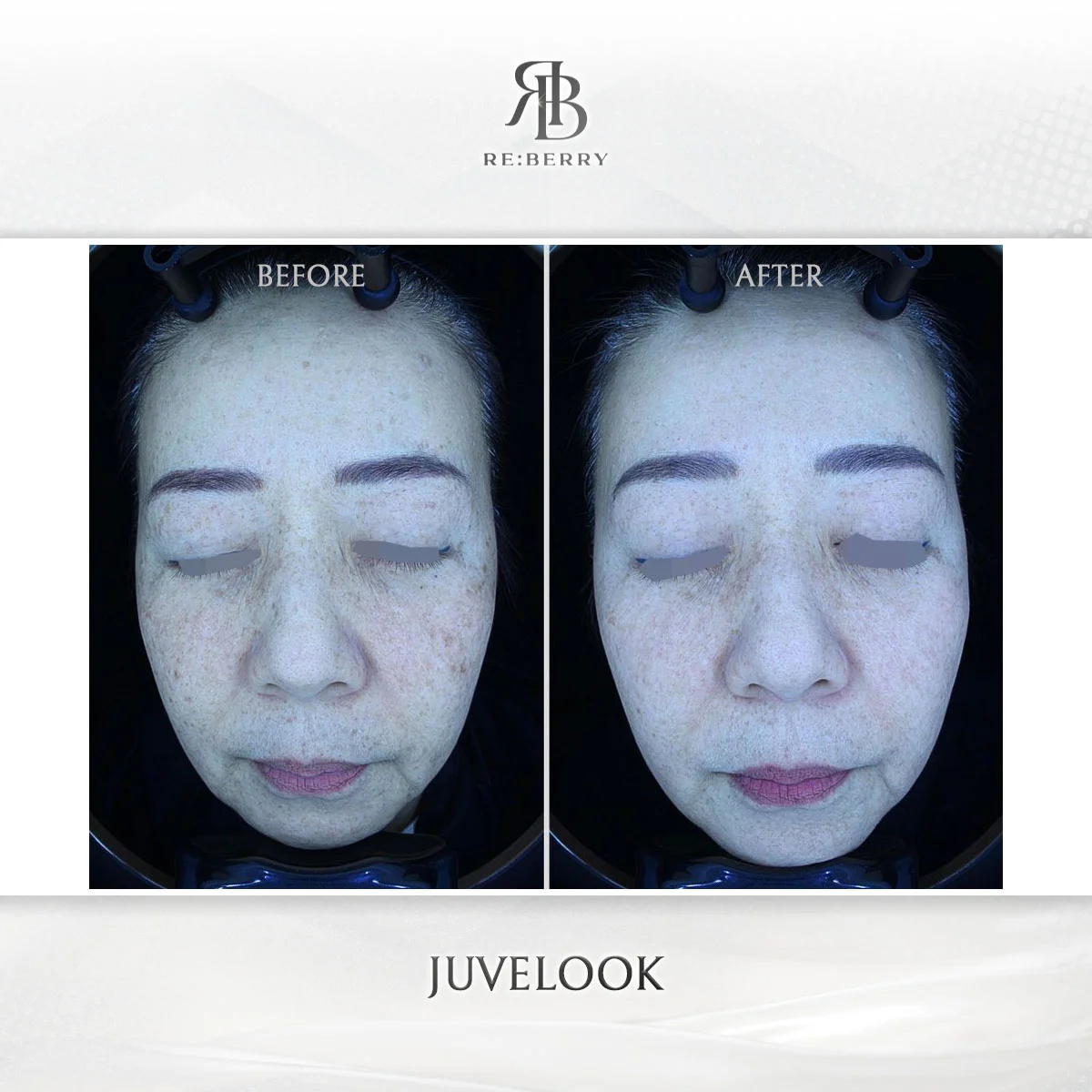
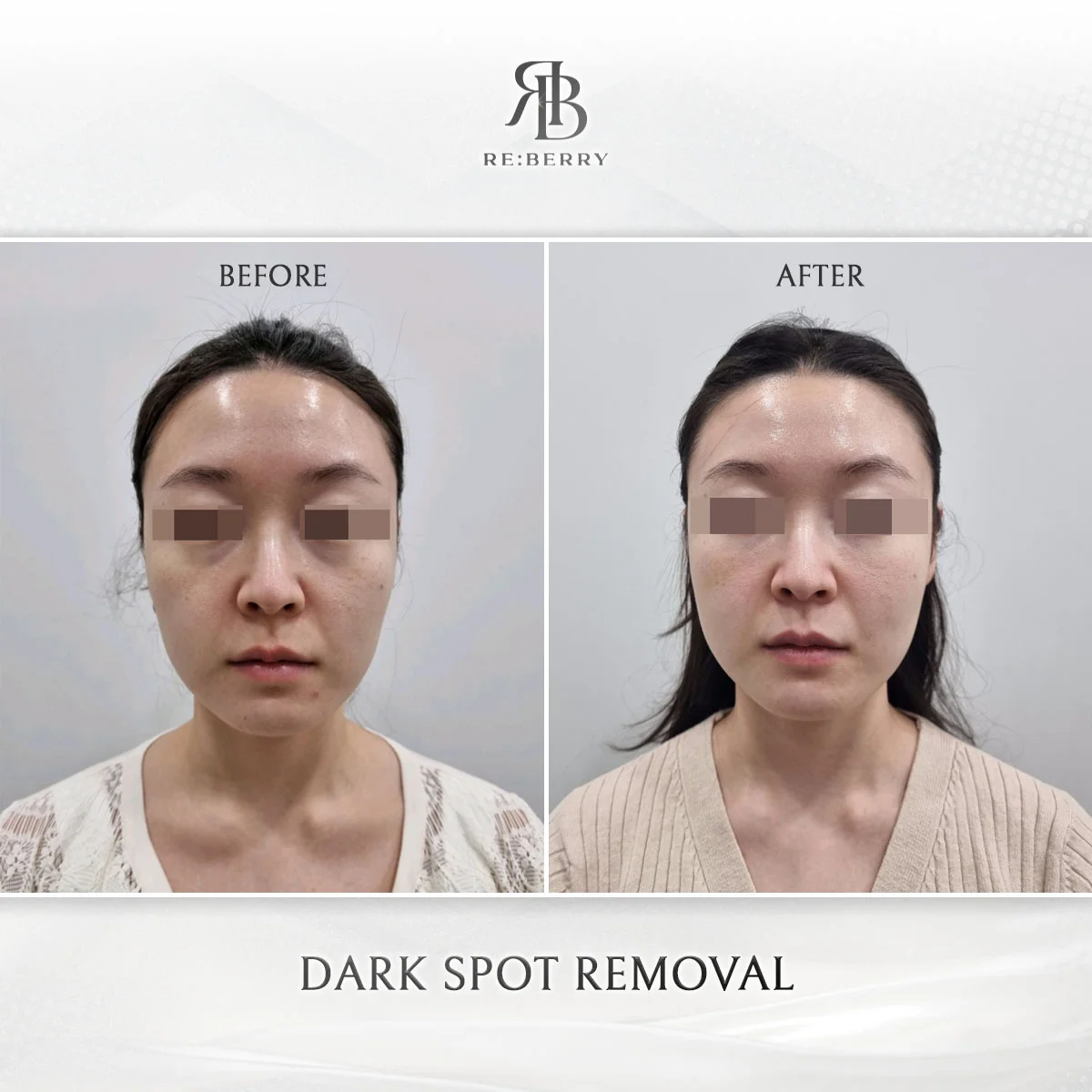
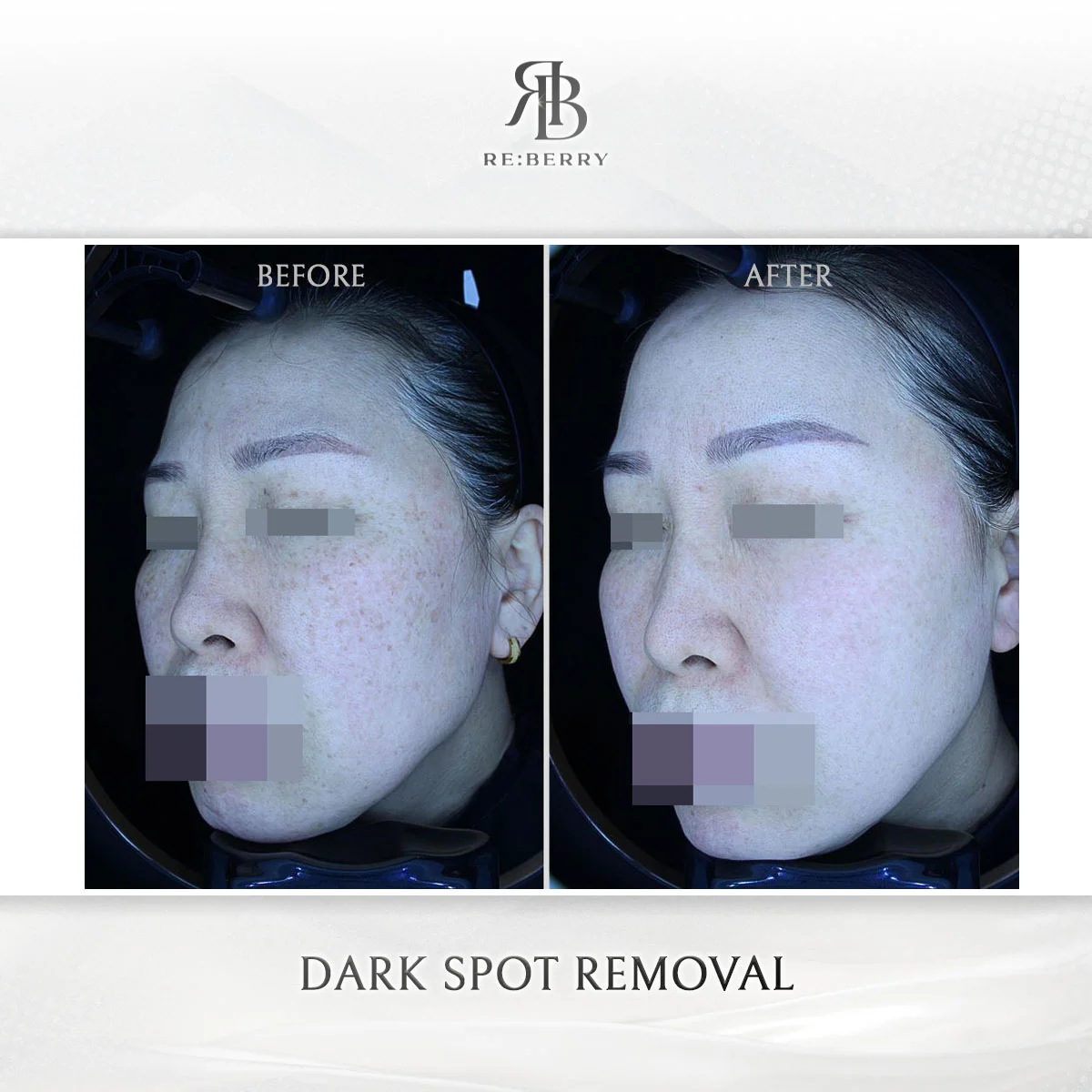
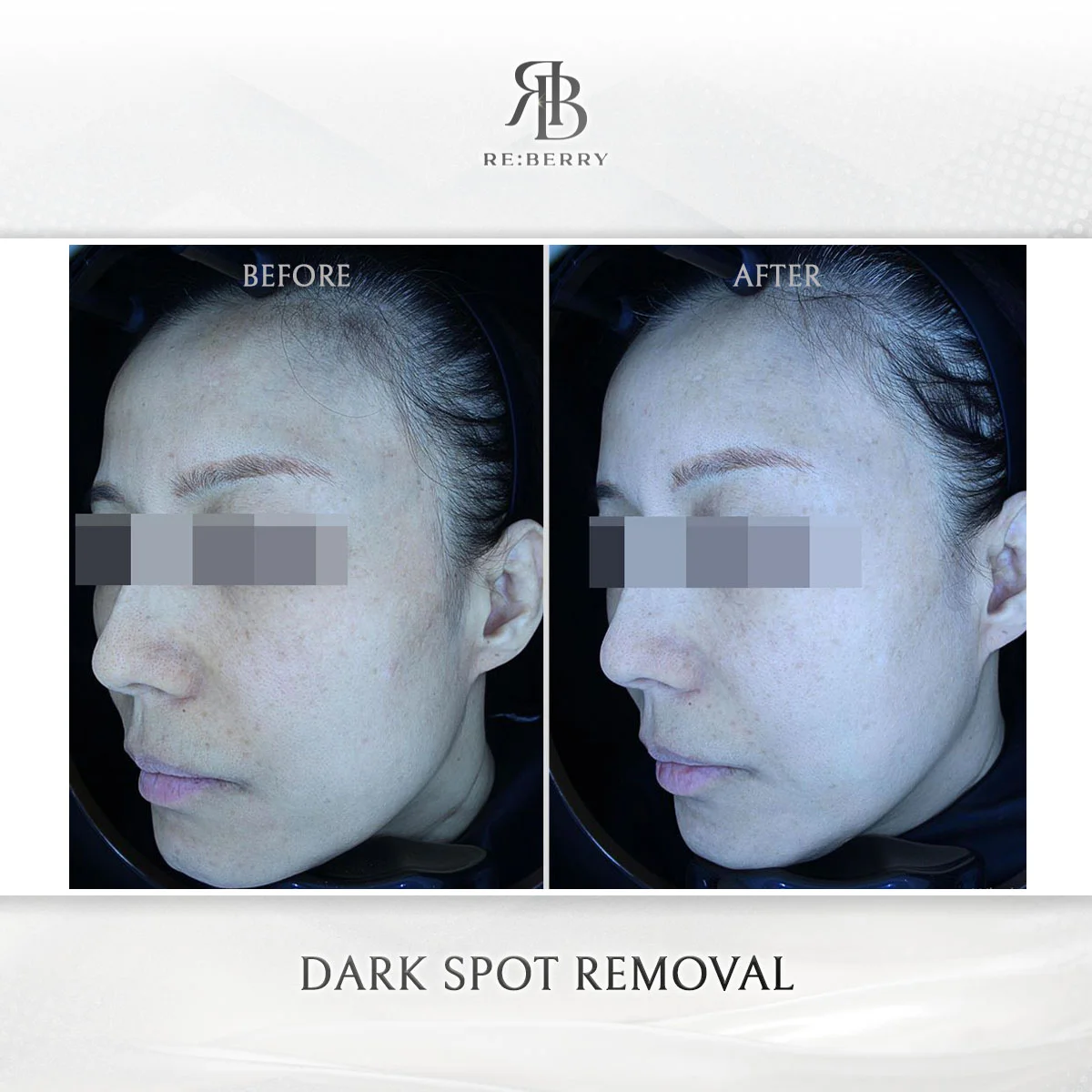
Glass Skin Laser vs Chemical Peel Before & After at RE:BERRY Myeongdong Korea
Actual patient results from glass skin laser and chemical peel treatments at RE:BERRY Myeongdong. Individual results may vary.
How Glass Skin Laser vs Chemical Peel Works at RE:BERRY Myeongdong Korea
Both pathways achieve glass skin through fundamentally different mechanisms — laser targets the dermis while peels address the epidermis.
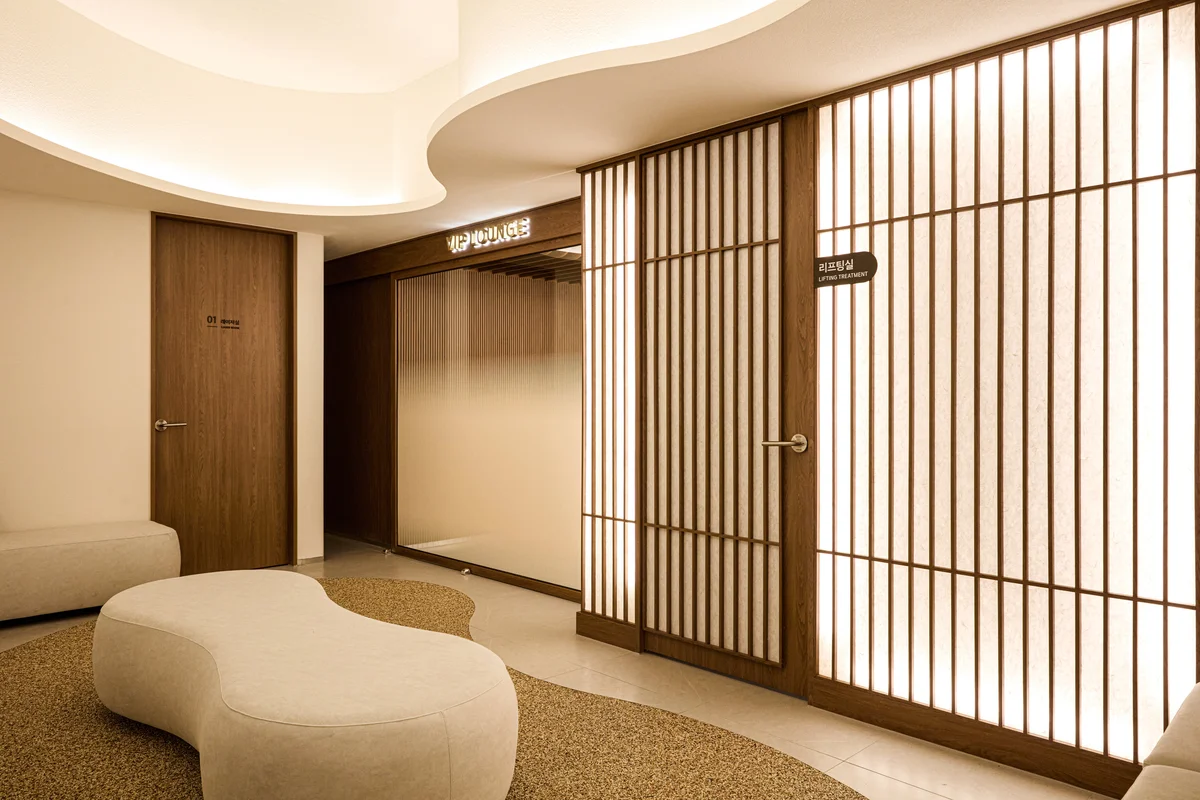
Skin Analysis & Glass Skin Assessment
Dr. Baek Seung-Jae or Dr. Son Hoon-Sung evaluates your skin under clinical lighting and dermoscopy to identify barriers to glass skin: melanin deposits, pore size, sebum production, dead cell buildup, and dermal collagen density. This assessment determines whether you need laser-based dermal remodeling, epidermal resurfacing via chemical peel, or a strategic glass skin laser vs chemical peel combination protocol. Factors include your Fitzpatrick skin type, travel timeline, and whether you have any active skin conditions like acne or rosacea that may contraindicate certain peels.
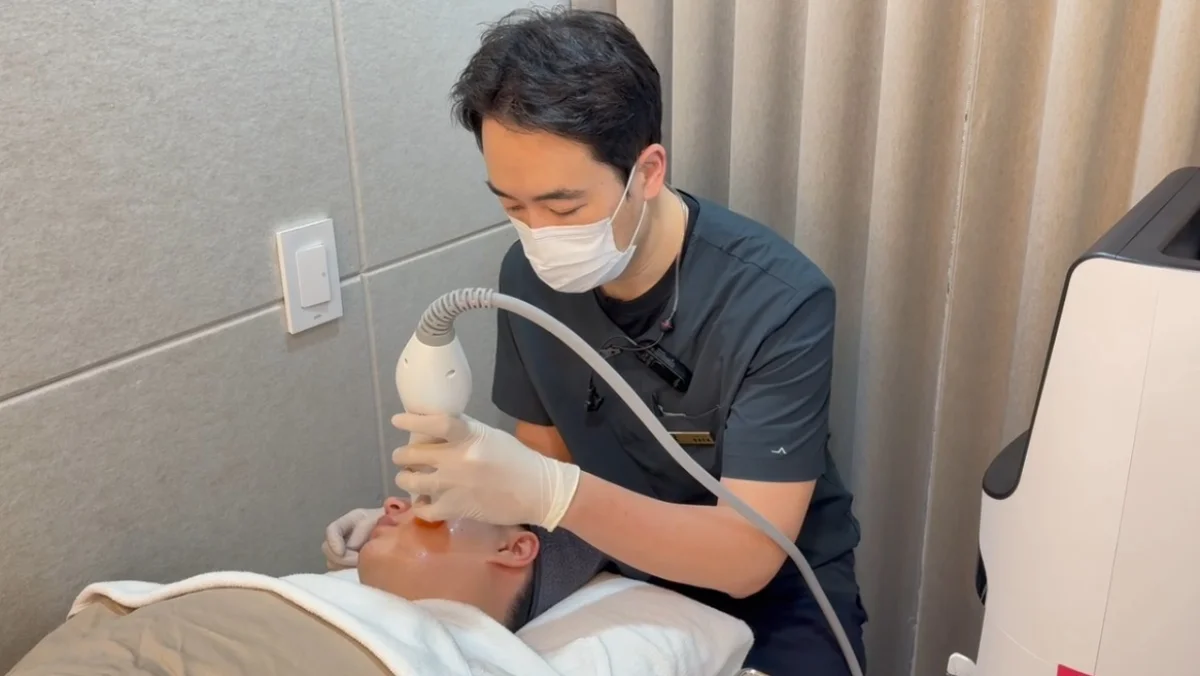
Glass Skin Laser Pathway: PicoSure + Genesis Toning
For the laser pathway, RE:BERRY Myeongdong uses PicoSure picosecond laser (755nm) to shatter melanin deposits and stimulate collagen through Laser-Induced Optical Breakdown, followed by Genesis Nd:YAG (1064nm) for vascular normalization and dermal heating. The PicoSure Focus Lens Array creates microscopic pressure waves that trigger collagen remodeling without breaking the skin surface — producing the characteristic Korean glass skin translucency. This is the Dual Toning Package at ₩259,000 per session, or the One Day PicoSure Toning at ₩159,000 for first-visit patients seeking glass skin laser treatment in Korea.
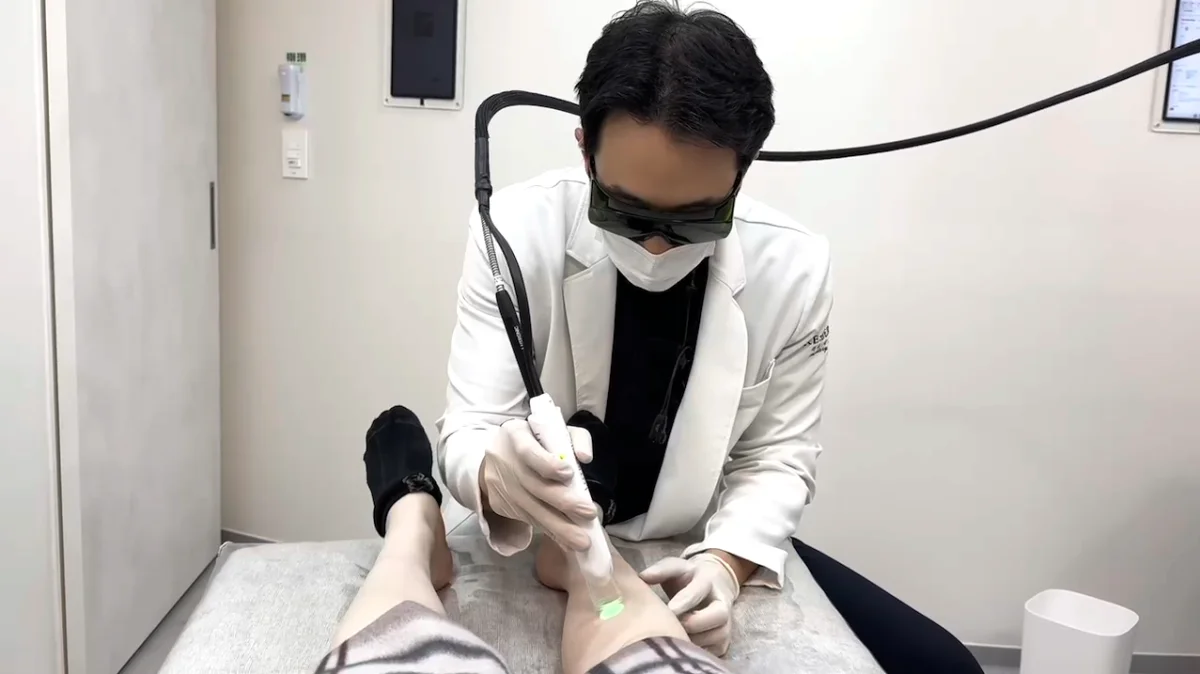
Chemical Peel Pathway: LHALA, Aqua Peel & Potenza
The chemical peel pathway at RE:BERRY Myeongdong ranges from gentle surface peels to deep resurfacing. The LHALA Peel (₩77,000) uses a proprietary acid blend to dissolve dead keratinocytes and unclog pores — ideal for dull, congested skin blocking glass skin clarity. The Aqua Peel combines hydra-dermabrasion with serum infusion for hydration-focused glass skin. For deeper resurfacing, Potenza RF microneedling with Juvelook or Exosome at ₩249,000 (first visit) combines controlled micro-injury with regenerative bio-stimulators.
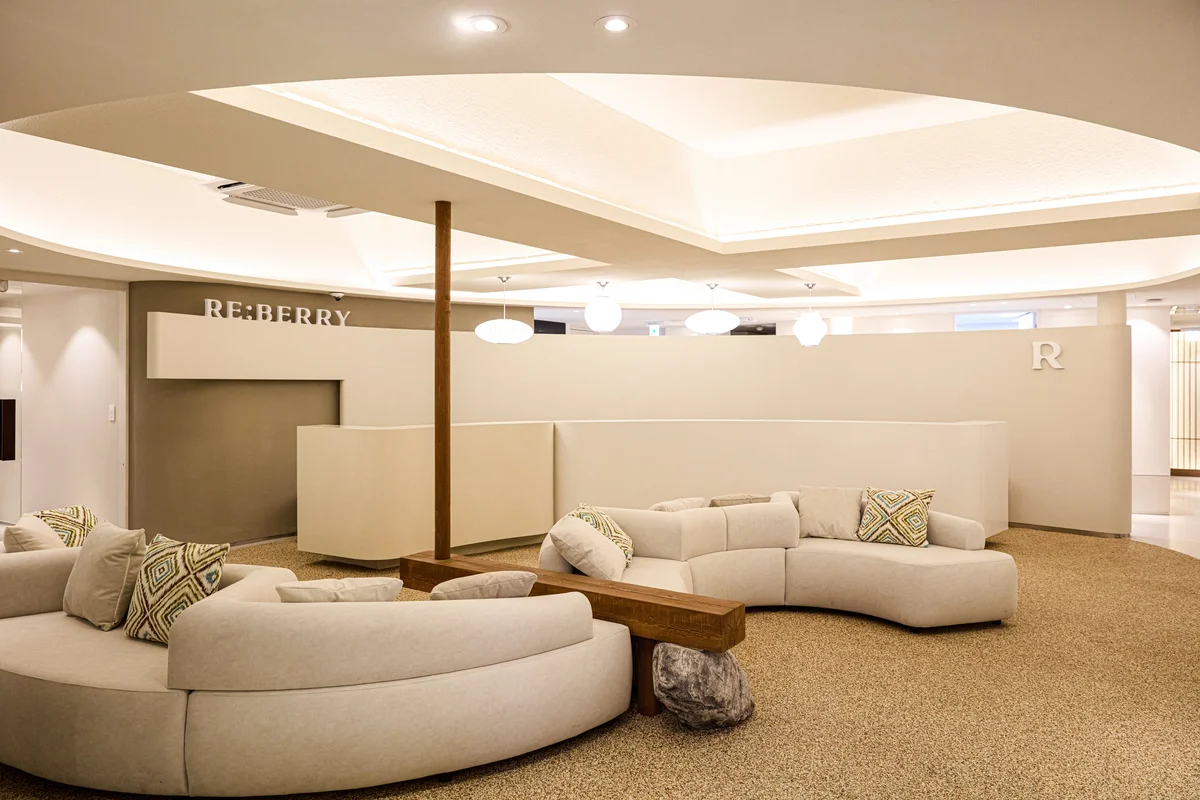
Post-Treatment Glass Skin Protocol
After either glass skin treatment, RE:BERRY Myeongdong applies a calming mask and LED therapy to reduce inflammation and accelerate healing. Laser patients can apply makeup immediately and have zero downtime — perfect for continuing your Myeongdong shopping. Chemical peel patients receive specific aftercare: avoid direct sunlight for 48 hours, apply provided moisturizer, and expect 2-5 days of mild flaking as dead skin sheds to reveal the fresh glass skin layer beneath. All aftercare instructions are provided in 8 languages.
What to Expect from Glass Skin Laser vs Chemical Peel in Korea at RE:BERRY Myeongdong
- Zero Downtime (Laser): PicoSure and Genesis glass skin laser toning at RE:BERRY Myeongdong have absolutely zero downtime — walk out and continue exploring Myeongdong immediately.
- Instant Brightness (Peel): Chemical peels provide immediate surface clarity as dead skin is removed. The LHALA Peel reveals visibly brighter skin within 24-48 hours of treatment.
- Deep Collagen Building (Laser): Laser toning stimulates new collagen and elastin production in the dermis for long-lasting glass skin that improves over 3-6 months and persists for 12+ months.
- Affordable Entry (Peel): Start your Korean glass skin journey at just ₩77,000 with the LHALA Peel — the most budget-friendly professional skin treatment at RE:BERRY Myeongdong.
- Combination Power: Combining a chemical peel with laser toning addresses both surface texture and deep structural quality for the most authentic Korean glass skin result.
| Timeline | What to Expect |
|---|---|
| Immediately After (Laser) | Subtle warmth for 1-2 hours. No visible signs. Can apply makeup and go out immediately. |
| Immediately After (Peel) | Skin feels tight and clean. Mild redness for 2-4 hours. Avoid touching the treated area. |
| Day 1-3 (Peel) | Mild flaking begins as dead skin sheds. Keep skin moisturized. Avoid sun exposure. |
| Week 1 (Both) | Fresh, brighter skin emerges. Peel patients see immediate clarity. Laser patients notice subtle glow. |
| Week 2-4 (Laser) | Collagen remodeling accelerates. Pores appear smaller. Skin develops translucent quality. |
| Month 2-3 (Laser) | Peak glass skin results. Skin appears poreless and luminous. Melanin deposits continue fading. |
Glass Skin Laser vs Chemical Peel Korea — Side-by-Side at RE:BERRY Myeongdong
| Feature | Glass Skin Laser (PicoSure + Genesis) | LHALA Chemical Peel | Potenza RF + Juvelook | Aqua Peel |
|---|---|---|---|---|
| Mechanism | Photomechanical collagen remodeling | Acid dissolution of dead cells | RF microneedling + bio-stimulator | Hydra-dermabrasion + serum |
| Target Layer | Dermis (deep) | Epidermis (surface) | Dermis + epidermis | Epidermis (surface) |
| Downtime | Zero | 2-5 days mild flaking | 24-48 hours redness | Zero |
| Glass Skin Speed | Gradual — peaks at 2-3 months | Immediate brightness, 1-2 days | 1-2 weeks post-healing | Immediate — same day |
| Results Duration | 6-12 months per series | 3-4 weeks per session | 3-6 months | 1-2 weeks |
| Sessions Needed | 5-10 for full glass skin | Monthly maintenance | 3-5 sessions | Bi-weekly maintenance |
| Best For | Pigmentation + pores + deep glow | Dullness + congestion + quick glow | Texture + scars + deep renewal | Hydration + surface clarity |
| Price at RE:BERRY | ₩159,000-259,000/session | ₩77,000/session | ₩249,000 (first visit) | Consultation required |
Glass Skin Laser vs Chemical Peel Pricing in Korea at RE:BERRY Myeongdong
All prices exclude VAT. Non-covered medical service. April 2026 promotion pricing.
One Day PicoSure Glass Skin Toning
- PicoSure Focus Lens Array laser session
- Zero downtime — continue sightseeing
- First visit trial pricing
- Can upgrade to Dual Toning same day
Dual Toning Glass Skin Package
- PicoSure picosecond laser toning
- Genesis Nd:YAG laser toning
- Maximum glass skin collagen stimulation
- Zero downtime
- Post-treatment soothing care
LHALA Chemical Peel
- Professional-grade acid peel
- Dead cell removal for instant brightness
- Ideal budget glass skin entry point
- 2-5 days mild flaking expected
Potenza + Juvelook Glass Skin
- Potenza RF microneedling
- Juvelook bio-stimulator infusion
- Deep dermal renewal for glass skin texture
- First visit trial pricing
Pore All-Kill Glass Skin Package
- Aqua Peel deep cleansing
- Potenza RF microneedling
- Juvelook 2cc bio-stimulator
- Regenerative laser 1 (10 sessions)
- Complete pore minimizing protocol
Meet Your Glass Skin Specialists at RE:BERRY Myeongdong Korea
Licensed aesthetic physicians specializing in glass skin laser and chemical peel treatments at RE:BERRY Myeongdong Seoul.
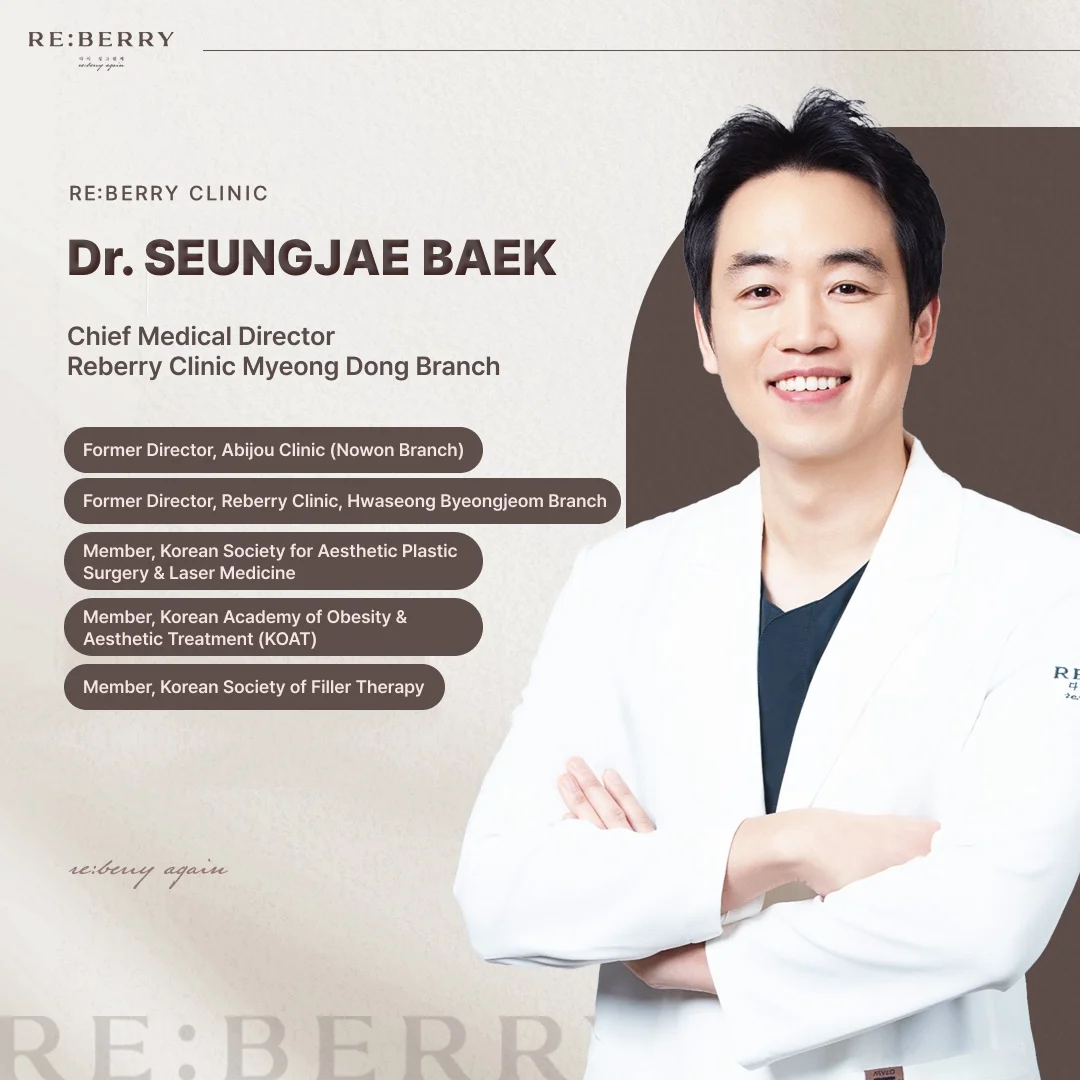
Dr. Baek Seung-Jae
- Head Director, RE:BERRY Clinic Myeongdong
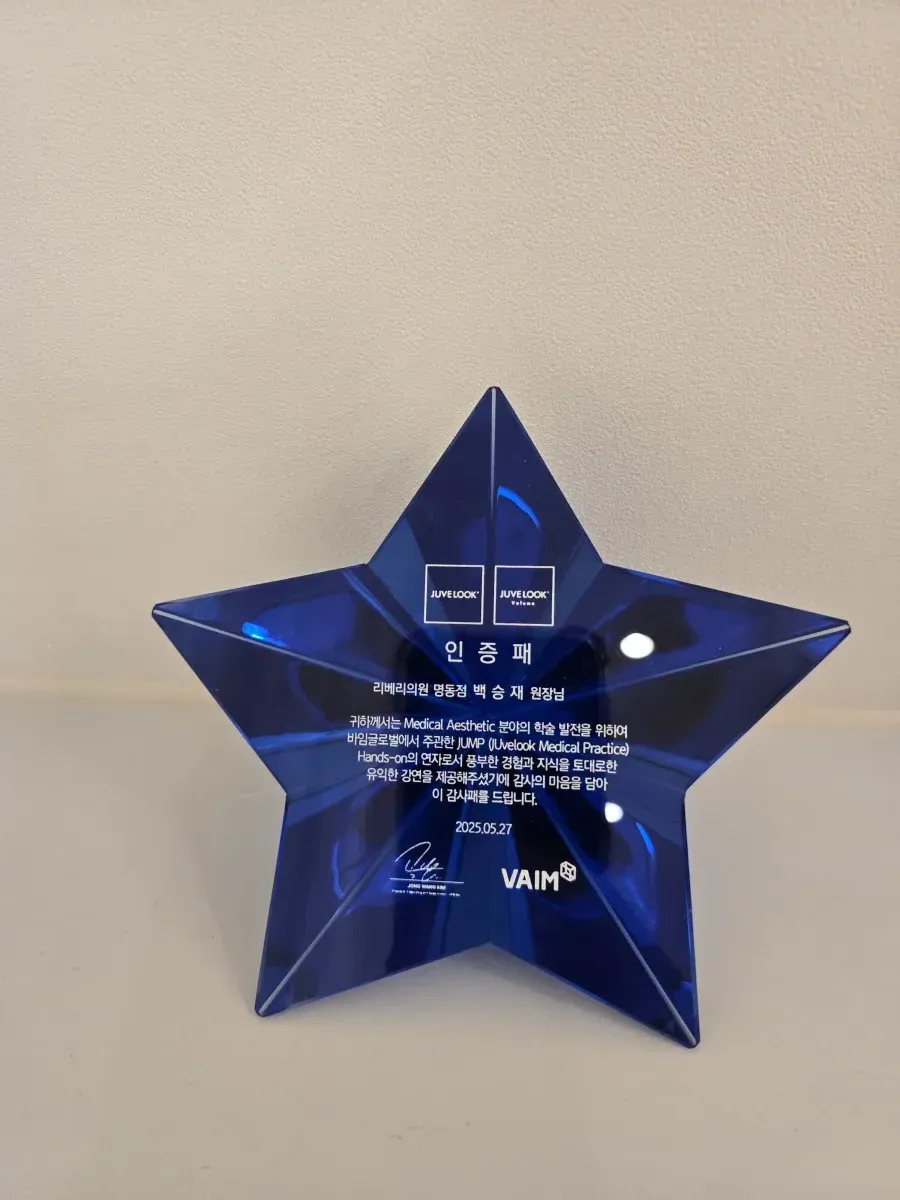
- Juvelook Certified Meister & Speaker
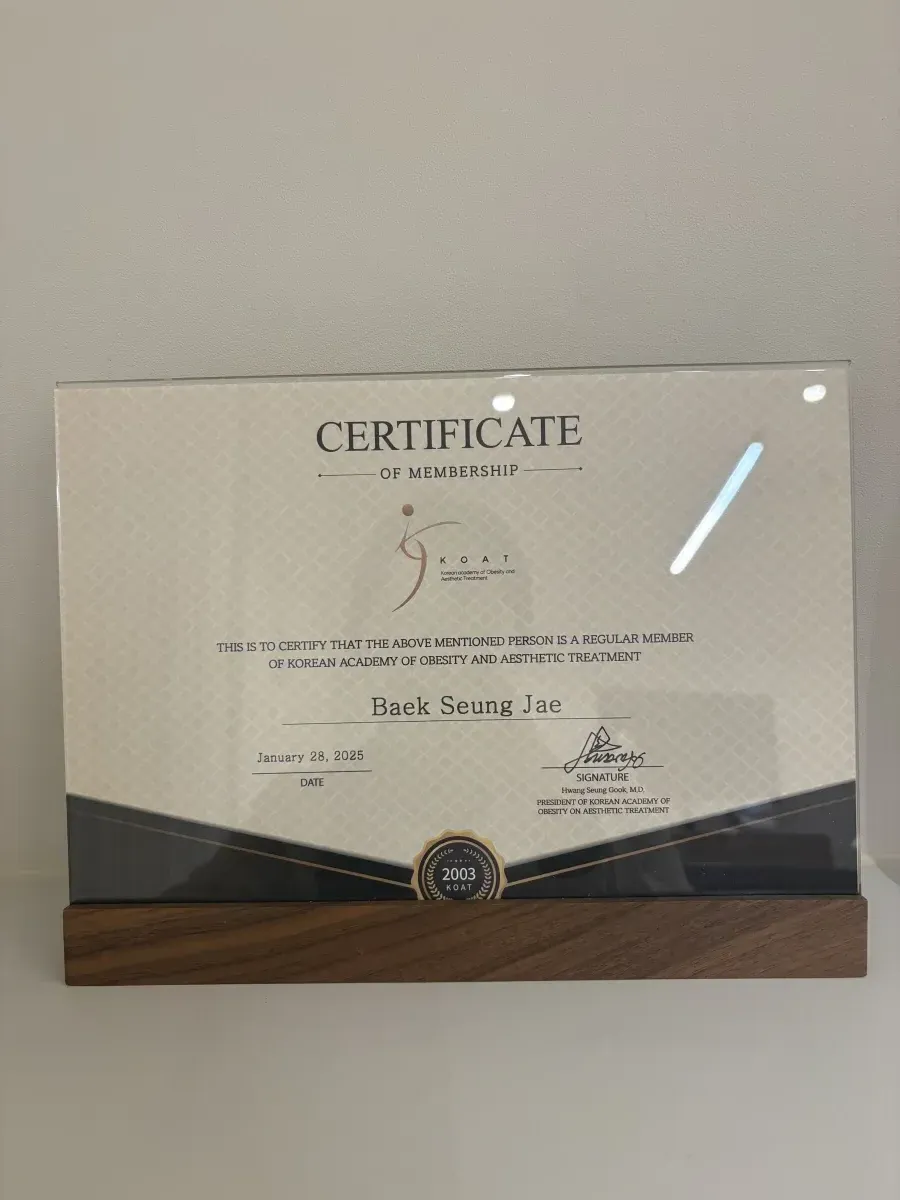
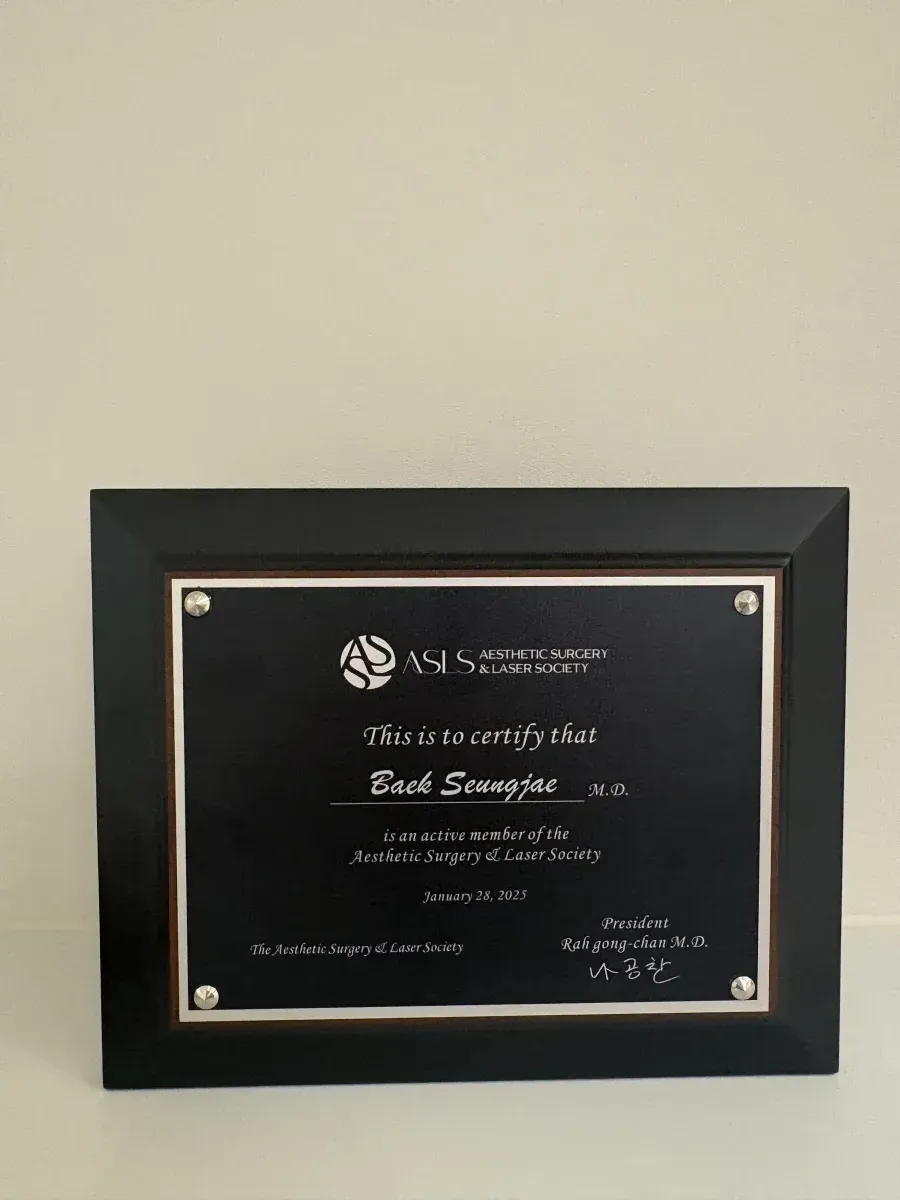
- Member, Korean Academy of Aesthetic Medicine
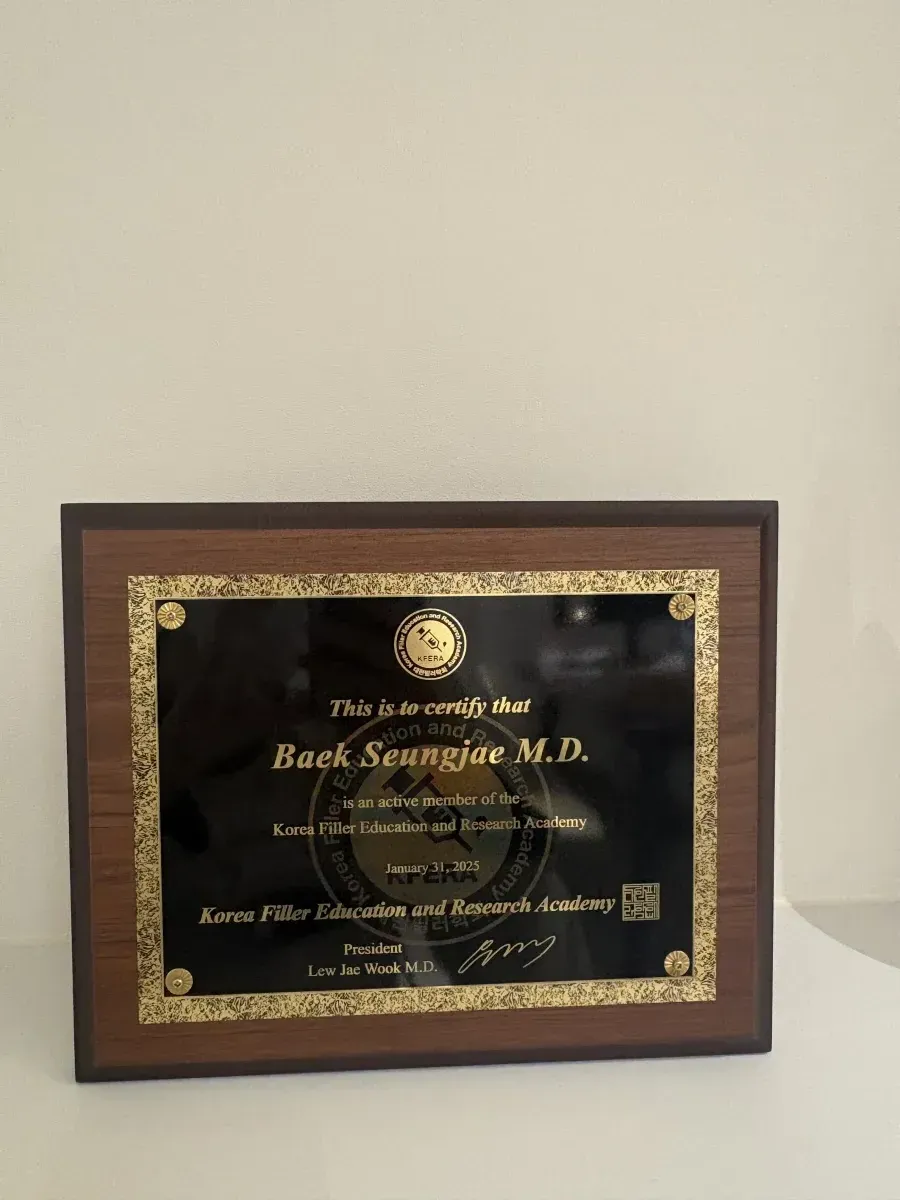
- Member, Korean Filler Education and Research Academy
- Specialist in Korean glass skin protocols
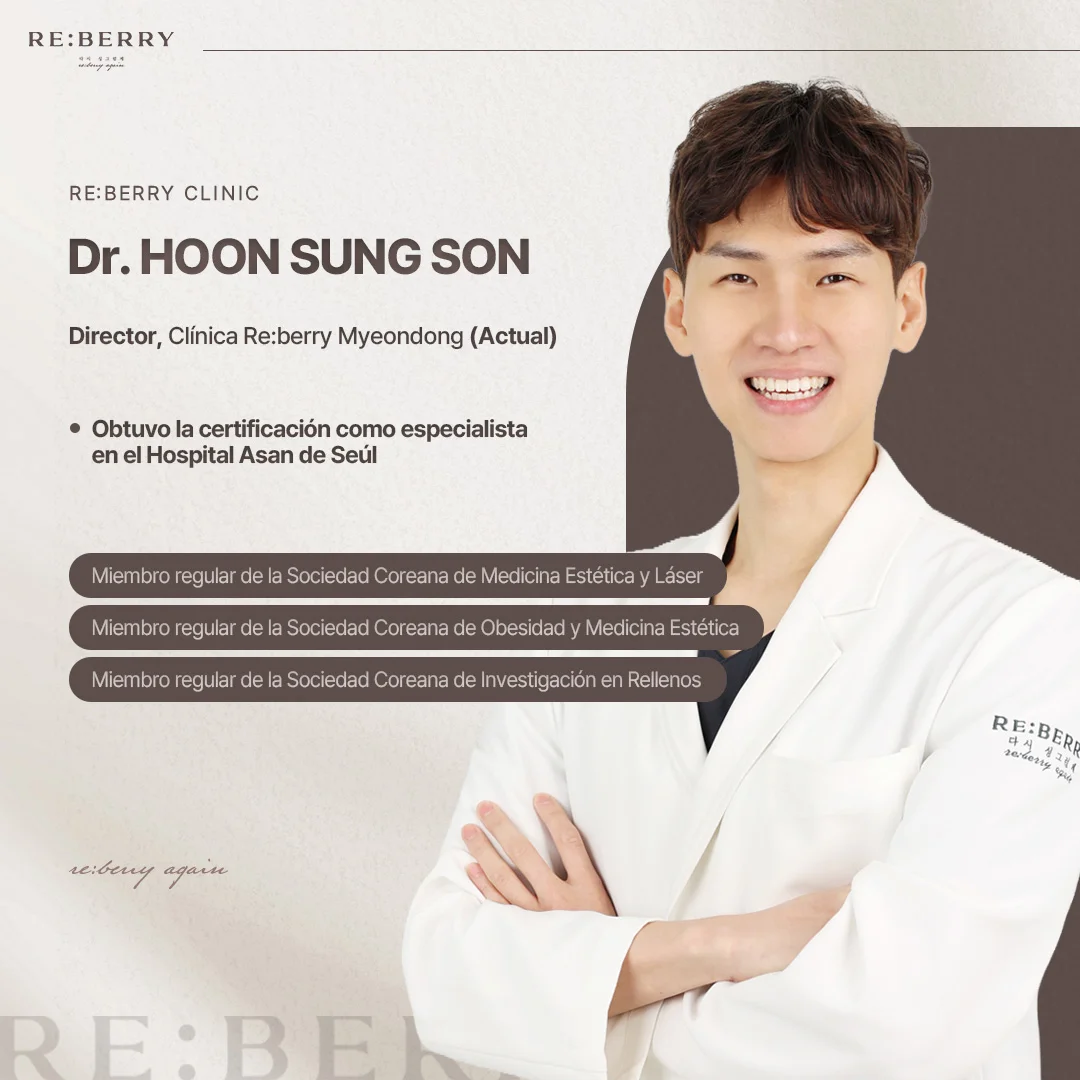
Dr. Son Hoon-Sung
- Doctor, RE:BERRY Clinic Myeongdong
- Member, Korean Academy of Aesthetic Medicine
- Member, Korean Society for Laser Medicine and Surgery
- Specialist in laser toning and skin rejuvenation
Medically reviewed by Dr. Baek Seung-Jae, Head Director, Myeongdong Branch, RE:BERRY
The Science Behind Glass Skin Laser vs Chemical Peel in Korea
Peer-reviewed research comparing laser toning and chemical peel efficacy for achieving glass skin at RE:BERRY Myeongdong.
Picosecond Laser Toning for Glass Skin Collagen Architecture
The Korean glass skin aesthetic requires a specific dermal collagen architecture — dense, uniformly organized collagen type I and III fibers in the papillary dermis that refract light uniformly, creating the characteristic translucent, poreless appearance. Picosecond lasers achieve this through Laser-Induced Optical Breakdown (LIOB), where ultra-short pulses (750 picoseconds for PicoSure) generate photomechanical pressure waves that create microscopic cavities in the dermis without thermal damage. These controlled micro-injuries activate a wound healing cascade: fibroblast migration, collagen deposition, and extracellular matrix remodeling over 8-12 weeks. Kang et al. (2019) demonstrated in a split-face randomized controlled trial that picosecond laser with diffractive lens array produced 34% improvement in skin luminosity scores and 28% reduction in pore visibility after 3 monthly sessions, with results persisting at 6-month follow-up. The zero-downtime profile of picosecond laser toning makes it particularly suitable for glass skin treatment in medical tourists who cannot afford recovery days.
Chemical Peel Mechanisms: Epidermal Renewal for Surface Clarity
Chemical peels achieve glass skin through controlled chemoexfoliation — applied acids dissolve intercellular bonds (desmosomes) between keratinocytes, causing controlled shedding of the stratum corneum and upper epidermis. Superficial peels (glycolic acid 30-70%, salicylic acid 20-30%) target the stratum corneum for immediate brightness. Medium-depth peels (TCA 20-35%) penetrate to the papillary dermis, stimulating collagen production similar to — but less precisely than — laser treatments. Bari and Khatri (2009) reported that a series of 6 glycolic acid peels (35-70% concentration) produced 40% improvement in skin radiance scores, 25% reduction in melanin index, and measurable improvement in skin smoothness in Fitzpatrick III-IV patients. However, the tradeoff is 2-7 days of visible peeling, erythema, and photosensitivity per session — a significant downtime consideration for traveling patients. RE:BERRY Myeongdong’s LHALA Peel uses an optimized acid blend designed to minimize downtime while maximizing dead cell removal for glass skin surface clarity.
Combination Protocols: Synergistic Glass Skin Approaches
The most effective glass skin protocols combine epidermal resurfacing (chemical peel) with dermal remodeling (laser toning) in a staged approach. The peel removes the dull, uneven surface layer that blocks light penetration, while laser toning rebuilds the underlying collagen matrix that refracts light uniformly. Safoury et al. (2009) found that combination glycolic acid peel + laser treatment produced significantly superior results in skin clarity and luminosity compared to either modality alone, with 67% improvement in overall skin quality scores versus 42% for peel-only and 48% for laser-only groups. At RE:BERRY Myeongdong, this combination glass skin laser vs chemical peel protocol is typically staged: chemical peel first, followed by laser toning 7-10 days later once epidermal healing is complete.
Kang HJ et al. Lasers Surg Med. 2019;51(6):499-505. doi:10.1002/lsm.23087
Bari AU, Khatri ML. J Pak Med Assoc. 2009;59(7):455-458. doi:10.47391/JPMA.265
Safoury OS et al. Dermatol Surg. 2009;35(12):1918-1923. doi:10.1111/j.1524-4725.2009.01315.x
What Our Patients Say About Glass Skin Treatments at RE:BERRY Myeongdong Korea
“I tried the LHALA Peel on Day 1 and PicoSure Toning on Day 4 of my Seoul trip. The peel gave instant brightness, and the laser added a deep glow. By Day 7 my skin looked like the Korean beauty ads. Best 436,000 won I ever spent at RE:BERRY Myeongdong.”
“Dr. Son recommended PicoSure only since I was leaving Seoul the next day. Zero downtime was true — I applied makeup 2 hours later and went to Namsan Tower. My friend back home in Osaka noticed my skin looked different after just 1 session.”
“I do the Dual Toning Package every time I visit Seoul from Taipei, usually every 2-3 months. After 6 sessions my colleagues ask what foundation I use. I tell them it is not makeup — it is glass skin from RE:BERRY Myeongdong laser toning.”
Frequently Asked Questions About Glass Skin Laser vs Chemical Peel in Korea
Expert answers about glass skin treatments at RE:BERRY Myeongdong Seoul.
Glass skin laser toning costs ₩159,000 for One Day PicoSure Toning (first visit) or ₩259,000 for the full Dual Toning Package (PicoSure + Genesis) at RE:BERRY Myeongdong. A typical 5-session glass skin series totals ₩1,295,000 at the Dual Toning rate.
The LHALA Peel costs ₩77,000 per session at RE:BERRY Myeongdong — the most affordable professional glass skin treatment in Myeongdong Seoul. The Pore All-Kill Package (Aqua Peel + Potenza + Juvelook 2cc) is ₩490,000 for comprehensive glass skin resurfacing.
For tourists with zero downtime tolerance, glass skin laser is better — PicoSure toning has no peeling or redness at RE:BERRY Myeongdong. For patients with 3-5 days in Seoul, chemical peels provide faster surface clarity at lower cost (₩77,000 vs ₩159,000+). Combining both produces the best glass skin results.
Glass skin laser at RE:BERRY Myeongdong targets the dermis (deep layer) using photomechanical energy to rebuild collagen architecture. Chemical peels dissolve the epidermis (surface layer) to remove dull dead cells. Laser produces long-lasting results over 6-12 months; peels provide immediate brightness lasting 3-4 weeks.
Yes, 45% of glass skin patients at RE:BERRY Myeongdong combine both treatments. The recommended protocol is chemical peel first (Day 1), then laser toning 7-10 days later. For short trips, Dr. Baek may approve same-week sequencing depending on your skin condition.
Yes. PicoSure and Genesis glass skin laser toning have zero downtime at RE:BERRY Myeongdong. You can fly the same day. Chemical peel patients should wait 2-3 days before flying as peeling skin is more sensitive to cabin air dryness.
LHALA Peel at RE:BERRY Myeongdong causes 2-5 days of mild flaking as dead skin sheds. Deeper Potenza-based treatments require 24-48 hours of redness. Aqua Peel has zero downtime. Laser toning has zero recovery — you can apply makeup immediately.
Yes. PicoSure’s photomechanical mechanism at RE:BERRY Myeongdong is specifically designed for safety on Fitzpatrick III-V skin types common across Asia. The 750-picosecond pulse duration minimizes thermal damage, reducing PIH risk to under 2% compared to 15-20% with older nanosecond lasers.
A 5-session Dual Toning series at RE:BERRY Myeongdong produces glass skin results lasting 6-12 months. Collagen remodeling continues for 3-6 months after the final session. Monthly maintenance sessions (₩259,000 each) extend the glass skin effect indefinitely.
Subtle glow appears 3-5 days after the first PicoSure session at RE:BERRY Myeongdong. Noticeable pore reduction and translucency develop after 2-3 sessions. Full glass skin effect peaks at 2-3 months with consistent treatment. Chemical peel brightness is visible within 24-48 hours.
Most patients at RE:BERRY Myeongdong need 5-8 sessions of Dual Toning (PicoSure + Genesis) for full glass skin, spaced 2-4 weeks apart. For chemical peels, monthly sessions are recommended as ongoing maintenance. Combination patients typically need 3-5 laser sessions plus 2-3 peels.
Glass skin laser (PicoSure/Genesis) requires just 1 day — 30-minute treatment with zero downtime at RE:BERRY Myeongdong. LHALA Peel requires 3-5 days for peeling to complete. Combination protocol (peel + laser) needs at least 7-10 days in Seoul.
Yes. RE:BERRY Myeongdong accepts walk-ins 365 days, 10 AM to 8 PM, for both laser toning and chemical peels. Booking via WhatsApp (+82-2-2088-7070) is recommended during peak tourist seasons to secure your preferred time slot.
PicoSure feels like light rubber band snaps — pain level 1-2 on a 10-point scale. Genesis feels like warm sunlight on the face. No numbing cream required for either laser. Chemical peels cause mild stinging for 2-3 minutes during application, subsiding as the acid is neutralized.
For oily, congested skin blocking glass skin clarity, Dr. Baek recommends starting with the Pore All-Kill Package (₩490,000): Aqua Peel + Potenza + Juvelook 2cc at RE:BERRY Myeongdong. This clears sebum buildup, shrinks pores, and infuses bio-stimulators. Follow with laser toning for collagen building.
PicoSure laser toning is the safest glass skin option for sensitive skin at RE:BERRY Myeongdong — zero chemical contact, minimal heat, and no downtime. Chemical peels may irritate sensitive skin types. Dr. Baek adjusts laser parameters based on your sensitivity assessment.
Yes. PicoSure’s 750-picosecond pulses at RE:BERRY Myeongdong shatter melanin deposits causing dark spots, sun damage, and post-inflammatory hyperpigmentation. 80% of patients see significant pigmentation improvement after 3-5 sessions. For stubborn spots, combination with chemical peel accelerates clearing.
Yes. The LHALA Peel at RE:BERRY Myeongdong is a professional medical-grade chemical peel applied by licensed physicians — not an aesthetician-grade cosmetic peel. The acid concentration and formulation are significantly stronger than over-the-counter products, producing clinical-level dead cell removal.
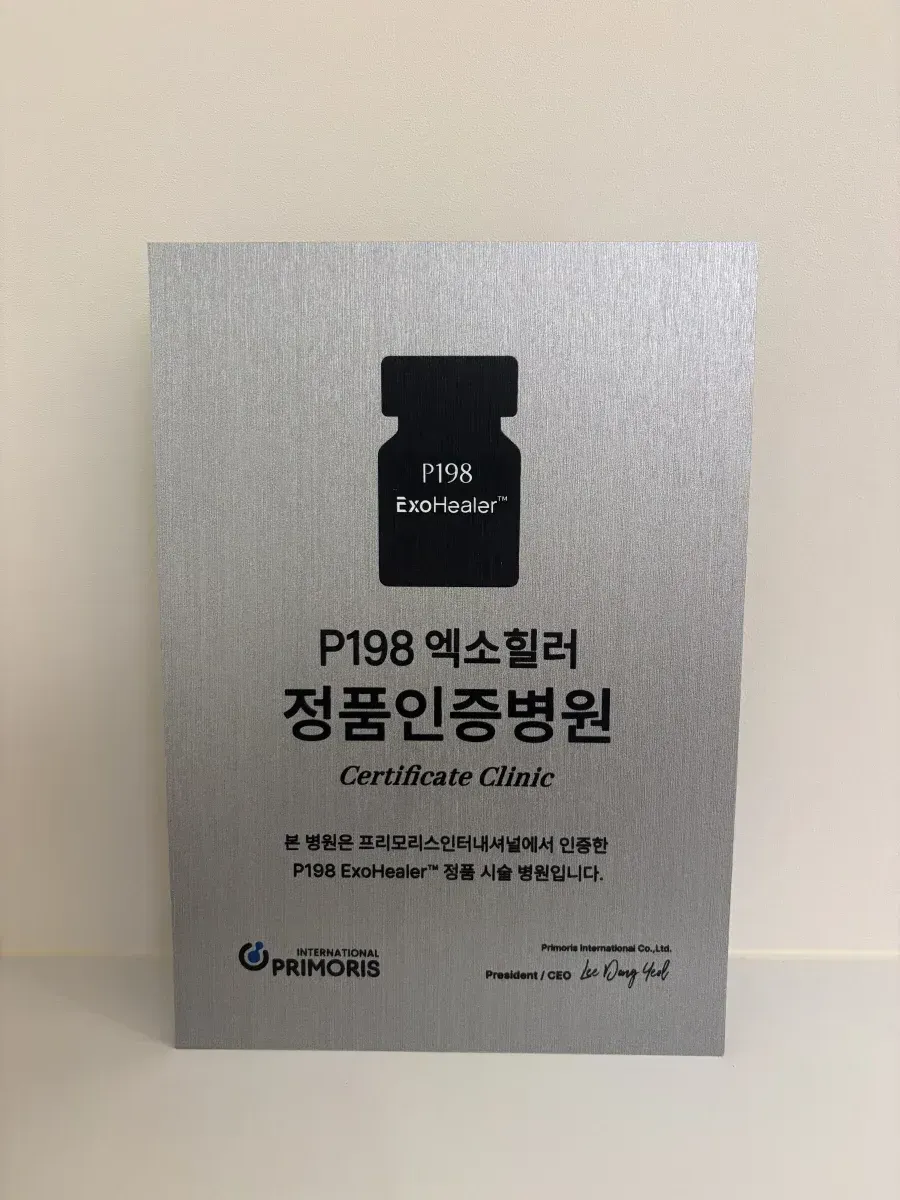
RE:BERRY Myeongdong is a licensed medical clinic (의원) with licensed physicians (Dr. Baek Seung-Jae, License #143338; Dr. Son Hoon-Sung, License #125783). All laser and peel treatments are doctor-performed. The clinic holds certifications from multiple device manufacturers and medical academies.
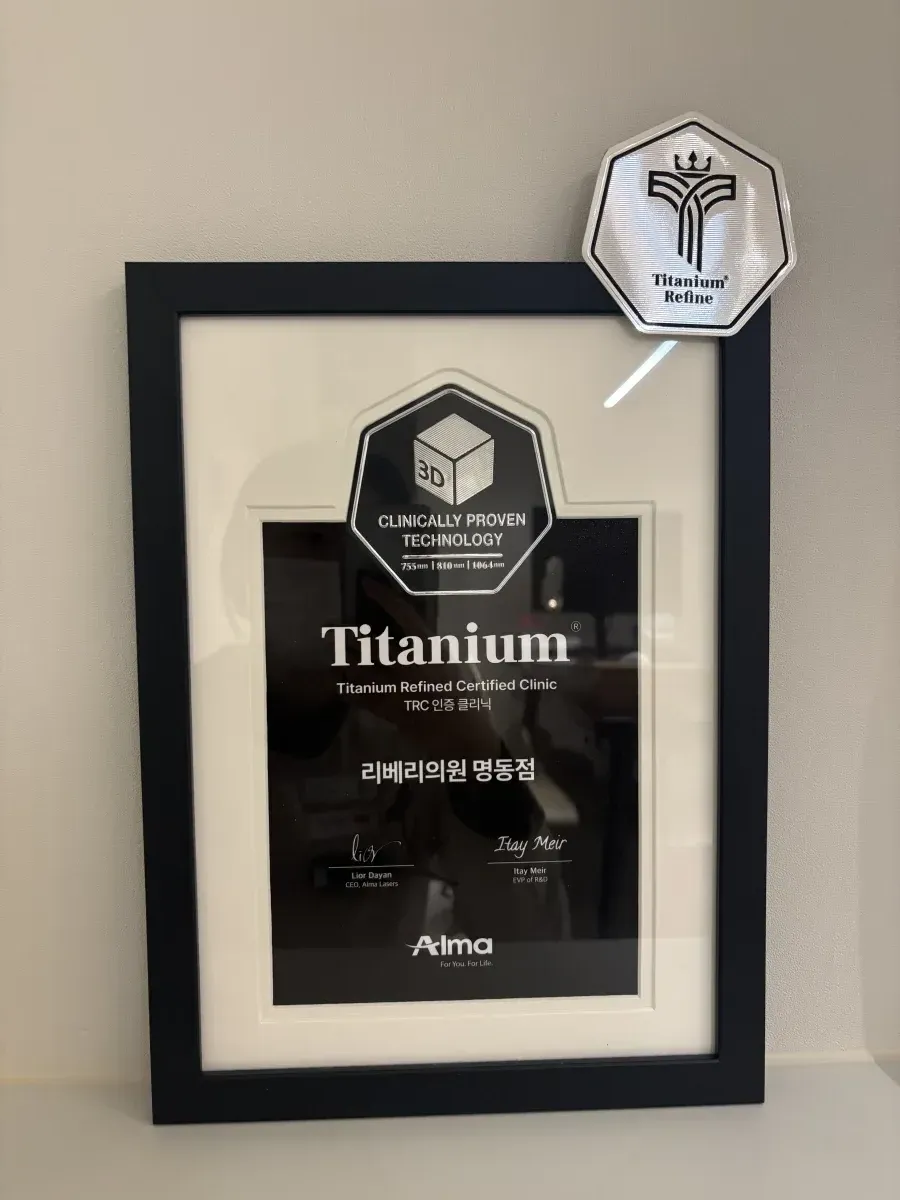
Yes. RE:BERRY Myeongdong operates a genuine, manufacturer-certified PicoSure (Cynosure) and Genesis (Cutera) laser system. All device certifications are displayed in the clinic. The clinic does not use counterfeit, refurbished, or parallel-import laser equipment.
RE:BERRY Myeongdong offers both glass skin laser and chemical peel under one roof at Myeongdong’s most competitive prices: PicoSure from ₩159,000, LHALA Peel from ₩77,000. Licensed physicians, genuine devices, 8-language support, 365-day availability, and 2 minutes from Myeongdong Station Exit 8.
RE:BERRY Myeongdong’s glass skin protocol combines evidence-based laser technology with Korean aesthetic expertise. Dr. Baek Seung-Jae creates customized glass skin treatment plans that may include Rejuran skin boosters, laser toning, chemical peels, and Potenza RF — tailoring the combination to your exact skin condition, budget, and travel timeline.
One session produces noticeable improvement — instant clarity from a peel or early glow from laser toning. True Korean glass skin develops over 3-5 sessions at RE:BERRY Myeongdong. For single-visit maximum impact, the Pore All-Kill Package (₩490,000) delivers the most dramatic one-day result.
Korean glass skin (유리 피부) describes a complexion so clear, luminous, and poreless that it appears glass-like — reflecting light uniformly like polished glass. The trend originated in Korean beauty culture and requires both surface clarity (no dead cells, minimized pores) and deep dermal health (dense, organized collagen). RE:BERRY Myeongdong achieves this through medical-grade treatments.
PicoSure laser stimulates collagen through photomechanical energy (₩159,000-259,000), while Juvelook is a PDLLA bio-stimulator injected into the dermis (₩249,000 with Potenza). Laser excels at pigmentation and pore reduction; Juvelook excels at hydration and volume. Many glass skin patients at RE:BERRY Myeongdong combine both.
Patients aged 16+ can receive Aqua Peel and LHALA Peel at RE:BERRY Myeongdong with parental consent. Laser toning is generally recommended for patients 18+ after skin has matured. Dr. Baek assesses each case individually — teenagers with acne-related concerns may benefit from acne laser treatment instead.
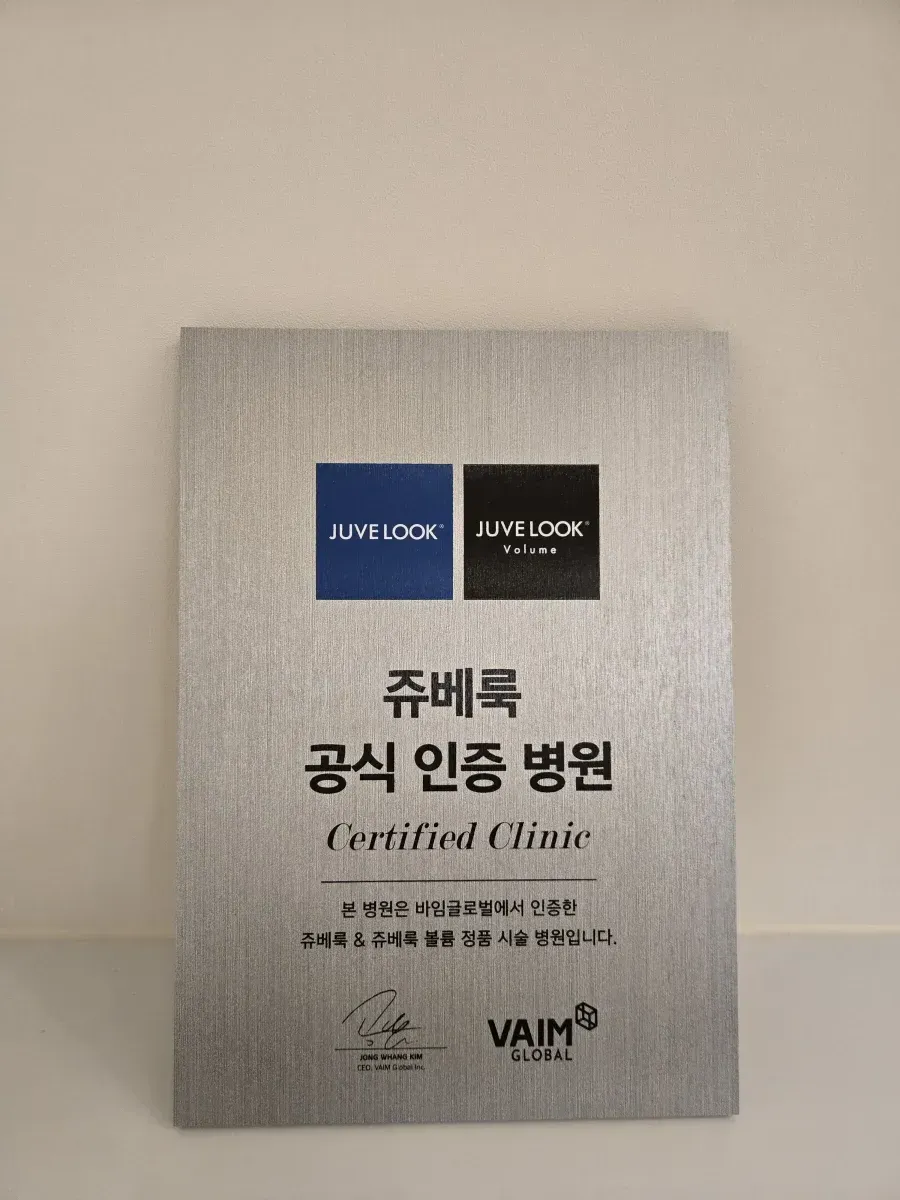
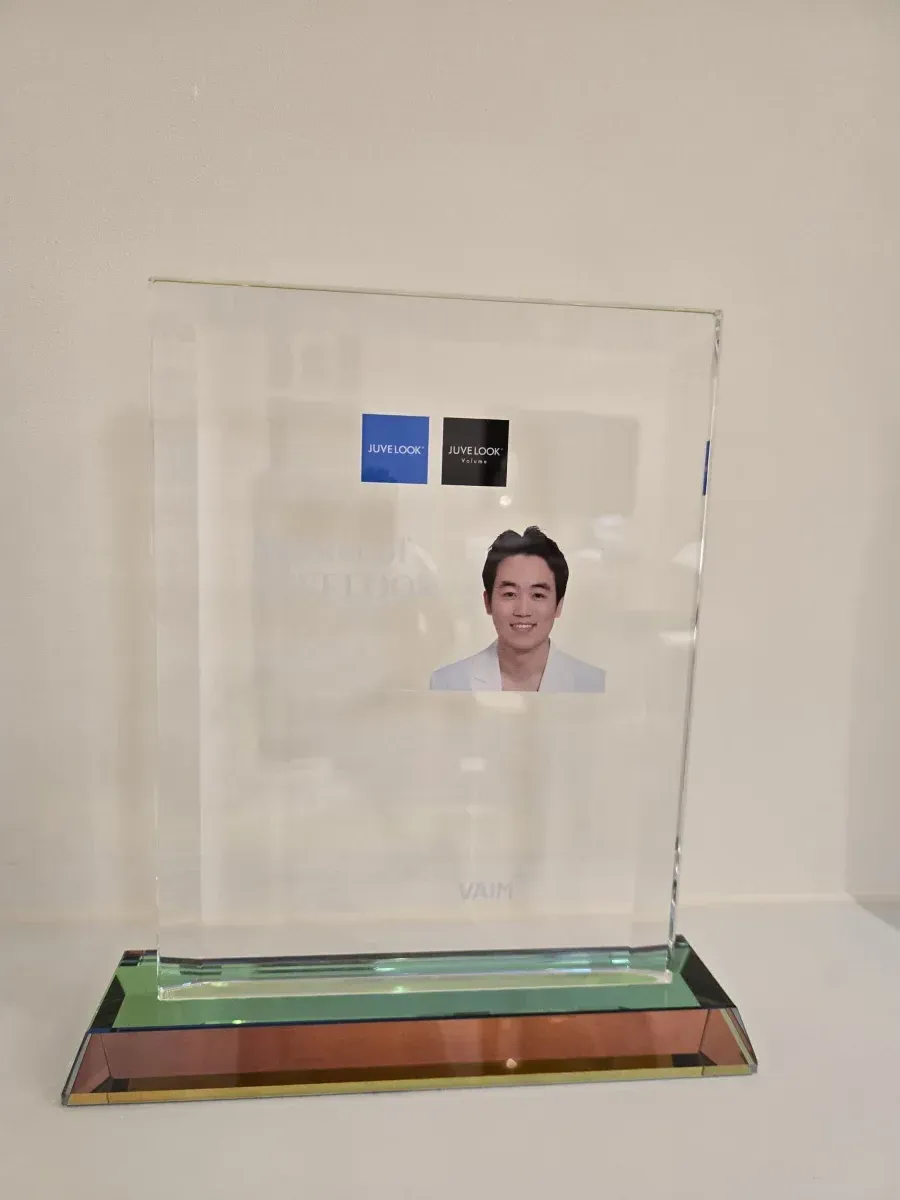
Only Authentic, Brand-Certified Equipment
Every device at RE:BERRY is MFDS-certified and manufacturer-verified. We never use counterfeit or grey-market equipment.
Start Your Glass Skin Laser vs Chemical Peel Journey at RE:BERRY Myeongdong Korea
Whether you choose glass skin laser toning, a professional chemical peel, or the ultimate combination protocol, RE:BERRY Myeongdong’s licensed physicians will create your personalized Korean glass skin plan. Book your free consultation — available 365 days, 10 AM to 8 PM, with 8-language support, 2 minutes from Myeongdong Station.
Book Your Glass Skin Consultation
Fill out the form and our multilingual team will confirm within 2 hours via your preferred contact method.
- ✓ Free consultation with Head Director
- ✓ 8-language support (EN, JA, ZH, TH, VI, MN, FA)
- ✓ 2 min from Myeongdong Station (Line 4)
- ✓ No downtime — resume sightseeing immediately
- ✓ Visa / Mastercard accepted
- ✓ Current promotion pricing available