Mole Removal Seoul Safe Laser Mole Treatment in Central Seoul
₩159,000 ($114 USD) first-visit laser treatment using PicoSure 755nm — Korean clinics perform 3x more laser nevus procedures than US practices, and RE:BERRY Myeongdong achieves a 95% scar-free rate across 15-30 minute sessions with same-doctor continuity in central Seoul.
What Is Laser Mole Removal at RE:BERRY in Seoul?
Mole removal Seoul at RE:BERRY Myeongdong uses PicoSure 755nm and CO2 fractional laser from ₩159,000 ($114 USD), achieving a 95% scar-free rate for benign moles under 6mm in central Seoul — 50-70% less than comparable care in the US or Japan, with same-doctor continuity throughout the process.
Mole removal Seoul at RE:BERRY Myeongdong begins with dermoscopic screening at 10-30x magnification before any laser is activated. Aesthetic Medicine Specialist Seung-Jae Baek assesses each mole for diameter (2-6mm candidacy range), depth (0.2-2.0mm), border regularity, and ABCDE atypia features before selecting the appropriate laser protocol. Flat pigmented moles receive PicoSure 755nm treatment; raised intradermal nevi are addressed with CO2 fractional laser at 10,600nm. Patients pursuing mole removal Seoul typically treat 5-15 moles per session in 30-60 minutes total. The RE:BERRY protocol combines selective photothermolysis with post-treatment hydrocolloid dressings and silicone scar prevention gel — the same evidence-based approach used in Korean university hospital dermatology departments but delivered in a boutique setting 2 minutes from Myeongdong Station Exit 8 in the heart of Seoul. For patients combining treatments, the procedure pairs with PicoSure toning for surrounding pigmentation or Potenza RF for scar prevention.
How Laser Mole Removal Works at RE:BERRY Myeongdong Seoul
Dermoscopic Screening & Mole Mapping (20-30 min)
Every appointment at RE:BERRY Seoul starts with a 60-90 minute consultation. Seung-Jae Baek examines each mole under 10x-30x dermoscopy, measuring diameter (2-6mm for laser candidacy), depth via subsurface imaging (0.2-2.0mm), and scoring against ABCDE atypia criteria. Moles meeting candidacy receive a personalized plan — PicoSure 755nm for flat moles under 3mm, CO2 fractional for raised moles 3-6mm. Atypical features trigger biopsy referral before any laser procedure.
Topical Anesthesia Application (10-15 min)
EMLA 5% lidocaine-prilocaine cream is applied 15-20 minutes before treatment begins. For patients with 5+ moles, lidocaine 2% local injection at 1-2mm depth is added to 4-6mm lesions. Pain level averages 2-3/10 with anesthesia vs 5-7/10 without. The 15-minute wait time ensures 95%+ numbness at each treatment site.
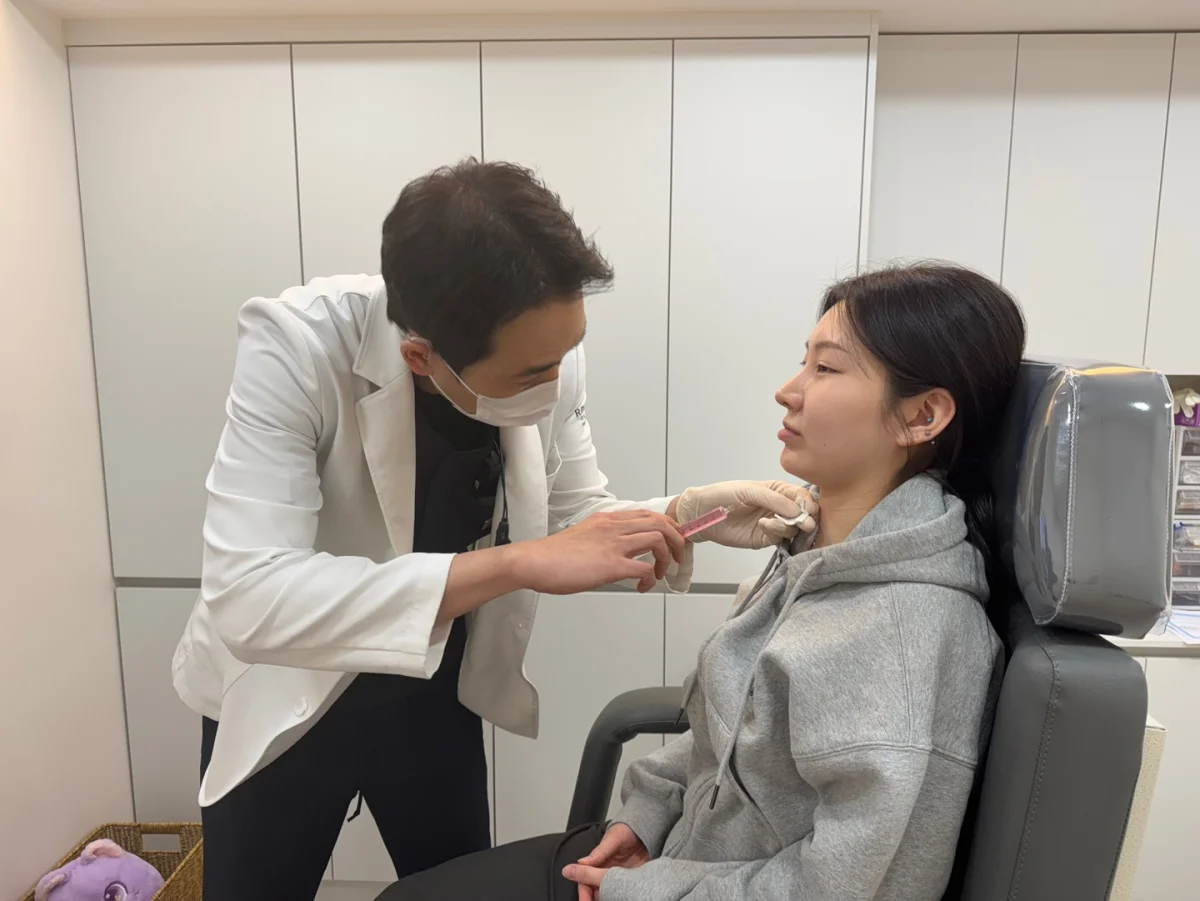
Laser Ablation Procedure (5-20 min per mole)
PicoSure delivers 755nm alexandrite energy in 550-750 picosecond pulses at 0.6-1.2 J/cm² fluence, fragmenting melanocyte clusters through photoacoustic effect. For raised lesions, CO2 fractional at 10,600nm vaporizes tissue at 5-15W in 0.2mm increments with real-time depth monitoring. A typical session treats 5-15 moles in 30-60 minutes total — more than double the throughput of single-device Seoul clinics.
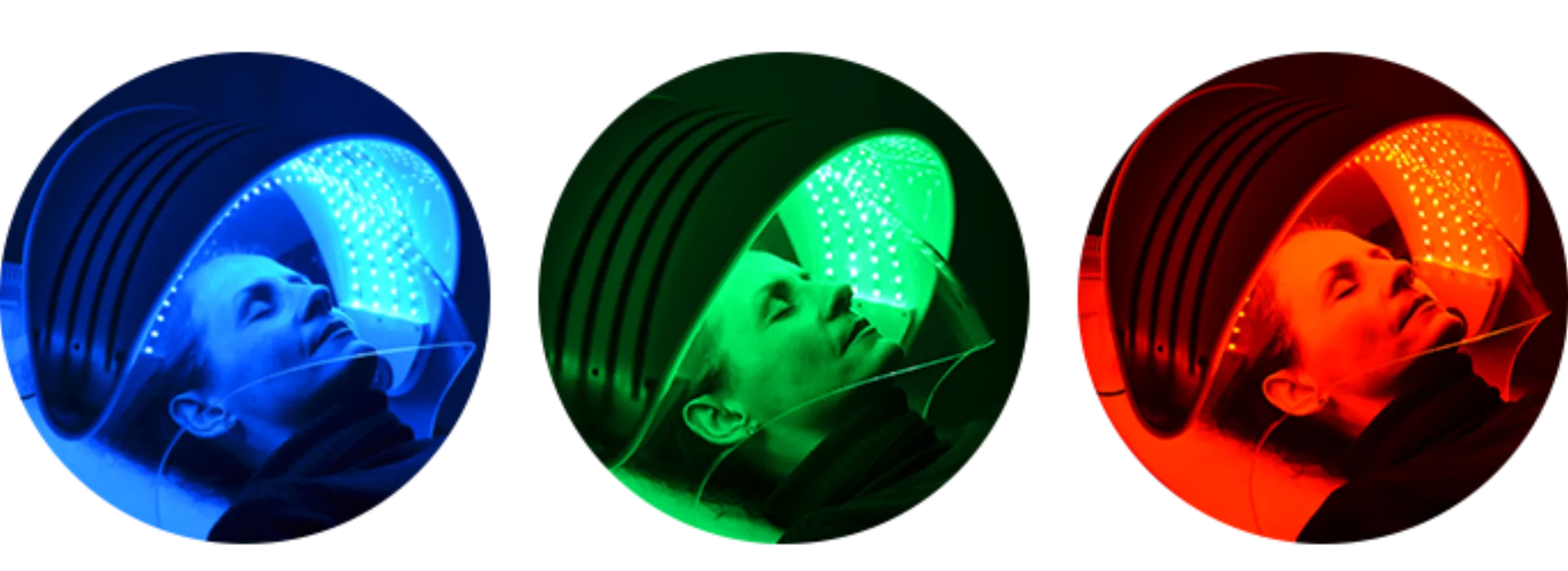
Wound Care & Follow-Up Tracking (10 min)
Hydrocolloid dressings cover each treated site for 7-10 days. RE:BERRY provides medical-grade silicone scar gel and SPF 50+ with 8-language aftercare instructions. Crusting resolves in 7-14 days; pink discoloration fades over 4-8 weeks. Moles deeper than 1.5mm receive a second session at 6-8 weeks to reach 95-98% clearance, with photo documentation at 4 and 12 weeks.
Laser Mole Treatment Benefits & Recovery Timeline in Seoul
- 95% Scar-Free Rate: Mole removal Seoul at RE:BERRY Myeongdong uses selective photothermolysis at 755nm, targeting melanin without thermal damage to surrounding collagen — achieving a 95% scar-free rate for moles under 6mm, compared to 80-85% with surgical shave excision elsewhere in Seoul.
- Korean Price Advantage: The procedure costs ₩159,000-249,000 ($114-178 USD) per session — 50-70% less than comparable care at US clinics ($300-500 per mole) or Japanese clinics (¥30,000-60,000 per mole), using the same FDA/MFDS-cleared devices available in Seoul.
- No Sutures, Minimal Downtime: Unlike surgical excision requiring 5-14 days of suture care, this laser approach requires only hydrocolloid dressings for 7-10 days — no stitches, no suture-track scars, and return to daily Seoul sightseeing within 24 hours of treatment.
- Same-Doctor Continuity: Your assigned doctor manages the entire process across every session. Korean boutique clinics in Seoul maintain this continuity, ensuring consistent depth calibration and follow-up assessment that rotating-doctor franchise chains cannot reliably provide.
| Timeline | What to Expect |
|---|---|
| Mild redness and slight swelling at treated sites. Hydrocolloid dressings applied. No pain after anesthesia wears off. | |
| Light crusting forms over treated areas. Do not pick or scratch. Apply prescribed antibiotic ointment twice daily. | |
| Crusts fall off naturally. Pink skin visible underneath — normal healing tissue. Apply silicone scar gel and SPF 50+ daily. | |
| Pink discoloration fades to match surrounding skin. 90-95% of moles fully cleared after 1-2 sessions. 12-week follow-up photos taken. |
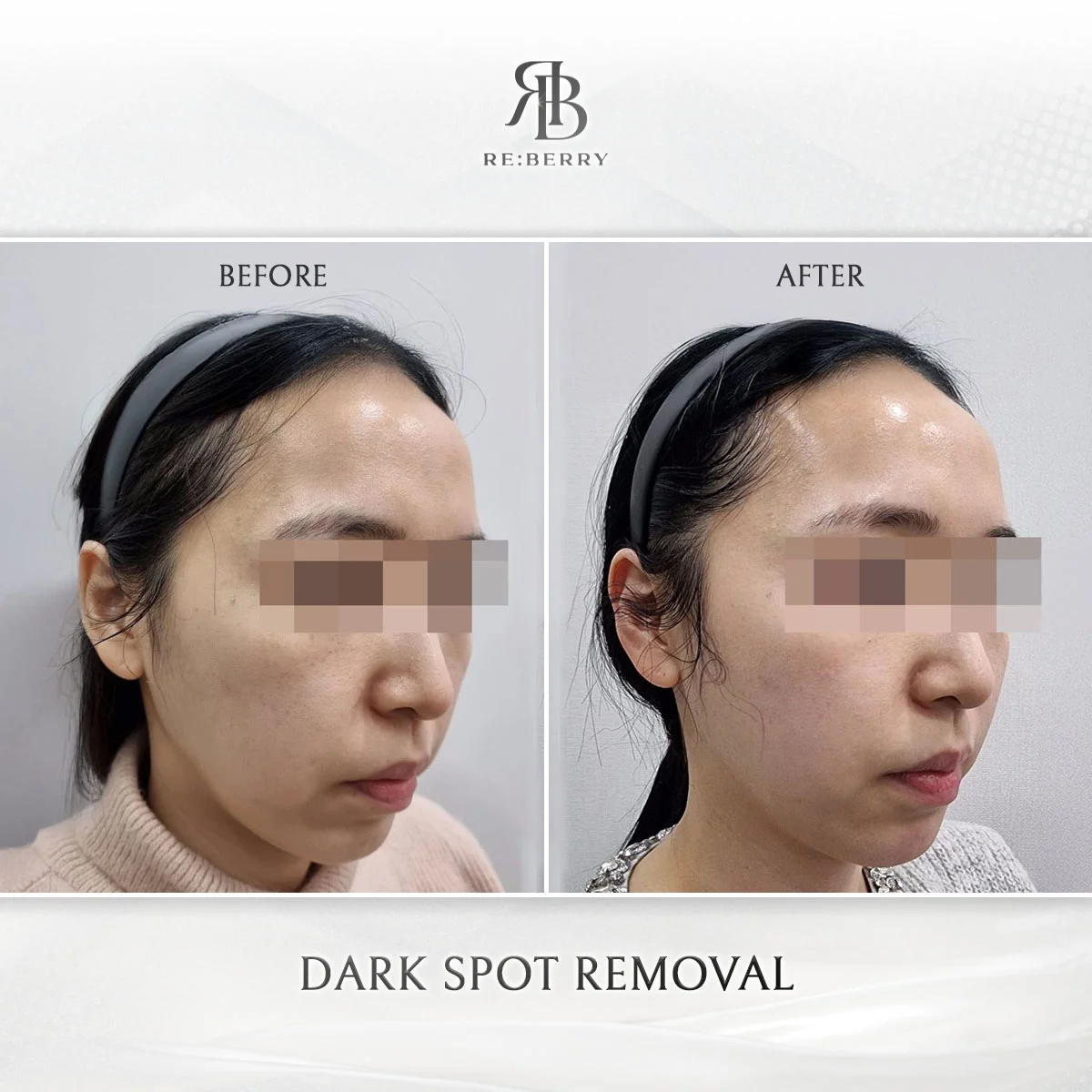
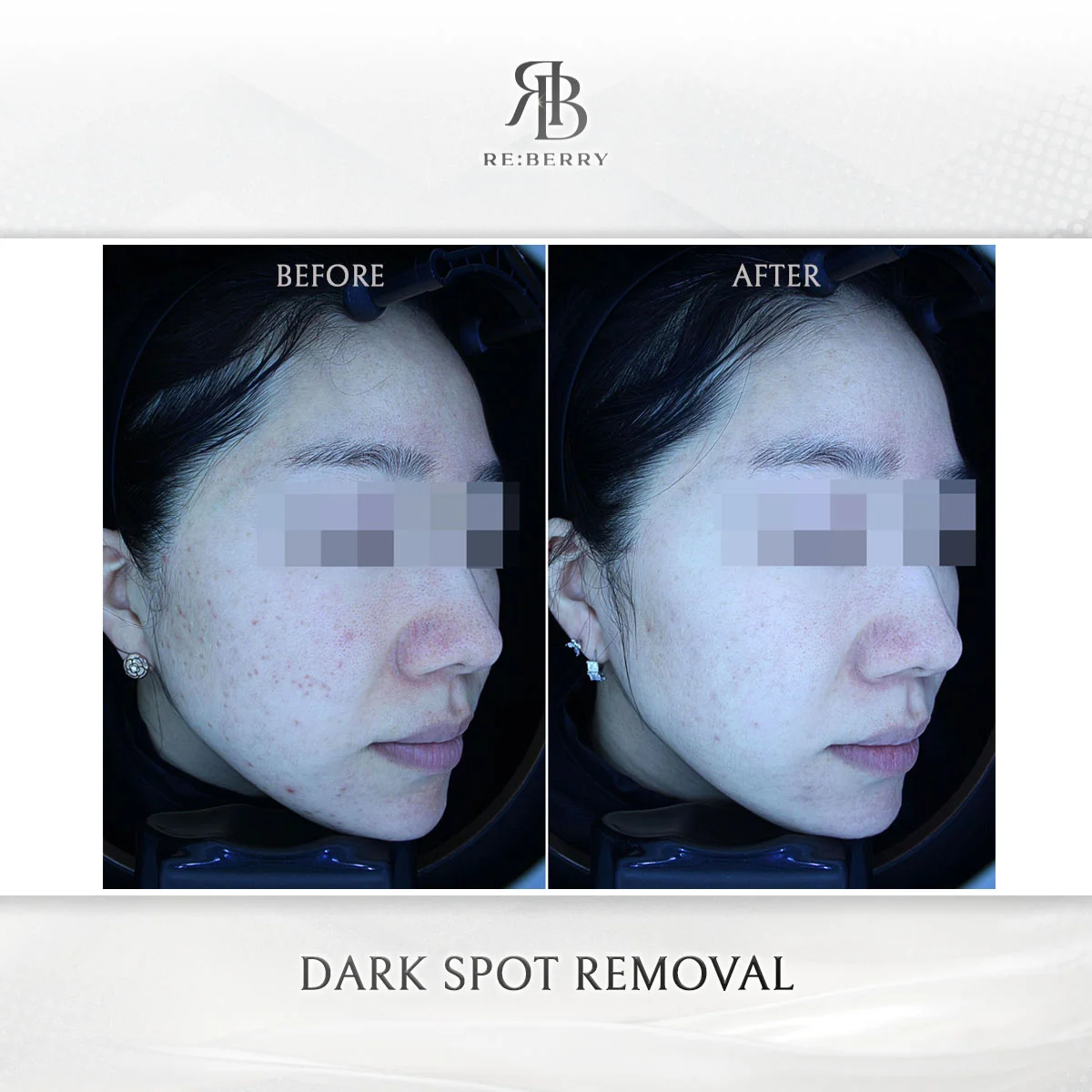
Mole Removal Seoul Before & After at RE:BERRY Myeongdong
Laser Mole Care at RE:BERRY Seoul vs Other Clinic Types
| Feature | RE:BERRY Myeongdong Seoul | Gangnam Station Franchise Clinic | Tourist-Zone Walk-in Clinic | University Hospital Dermatology | Source |
|---|---|---|---|---|---|
| Device Generation | PicoSure 755nm + CO2 fractional | Q-switched Nd:YAG only | IPL or basic CO2 | CO2 + surgical excision | RE:BERRY; industry survey 2025 |
| Cumulative Cases | 30,000+ treatments across 5 branches | 500,000+ (high volume per branch) | Varies widely by location | 20,000-50,000 per department | RE:BERRY; public data 2025 |
| Same Doctor Continuity | Same doctor from screening to follow-up | Rotating doctors per visit | Available doctor on duty | Resident rotation common | KHIDI 2025 |
| Consultation Time | 60-90 min with dermoscopy | 10-15 min visual check | 5-10 min walk-in | 15-30 min (OECD avg 16.4 min) | OECD Health Statistics 2023 |
| Post-Return Follow-Up | 4-week and 12-week photo tracking | Phone follow-up only | No scheduled follow-up | 2-week in-person check | RE:BERRY; industry standard |
| Privacy / Private Room | Private rooms for every laser session | Curtained semi-private bays | Curtained semi-private bays | Shared treatment rooms | RE:BERRY; public data 2025 |
| Price per Session | ₩159,000 ($114 USD) | ₩200,000-400,000 ($143-286 USD) | ₩100,000-200,000 ($71-143 USD) | ₩300,000-500,000+ ($214-357 USD) | Bookimed 2026; market survey |
| Branch Count | 5 locations (boutique scale) | 50+ nationwide | 10-30 tourist-zone locations | 20+ university hospitals | Public data 2025 |
| Walk-in Availability | Appointment booking required | Walk-in accepted | Walk-in priority | Referral or appointment | Public data 2025 |
Why This Matters
Doctor continuity directly shapes laser outcomes. According to KHIDI’s 2025 Medical Tourism Survey, 41.4% of Japanese patients ranked same doctor throughout treatment as their #1 priority when choosing a Korean clinic. RE:BERRY assigns one doctor per patient across every session in Seoul.
Korea’s average outpatient consultation is 4.3 minutes — the shortest in the OECD (average 16.4 minutes). RE:BERRY Myeongdong’s 60-90 minute consultations include full dermoscopic screening, representing 15-20x the Seoul national average.
Seoul laser mole procedures cost 40-70% less than the US and 30-50% less than Japan — using the same FDA/MFDS-cleared devices. Sources: KHIDI 2025, Bookimed 2026, ASDS.
Laser Mole Pricing at RE:BERRY Seoul 2026
PicoSure Laser Mole Removal (First Visit)
- PicoSure 755nm laser treatment
- Dermoscopic screening at 10-30x
- 1-3 flat moles under 3mm
- Hydrocolloid dressings
- 8-language aftercare kit
Potenza RF + Laser Mole Treatment
- CO2 fractional for raised moles
- Potenza RF for scar prevention
- Up to 5 moles per session
- LDM recovery treatment
- 4-week follow-up
Dual Toning + Laser Mole Package
- PicoSure + Genesis dual toning
- Laser treatment (up to 5 moles)
- Post-treatment calming care
- Aftercare instructions in 8 languages
Pore All-Kill + Laser Mole Package
- Aqua Peel + Potenza treatment
- PicoSure laser (up to 10 moles)
- Juvelook 2cc skin regeneration
- Regenerative laser session
- Follow-up at 4 and 12 weeks
Your Laser Specialist at RE:BERRY Myeongdong Seoul
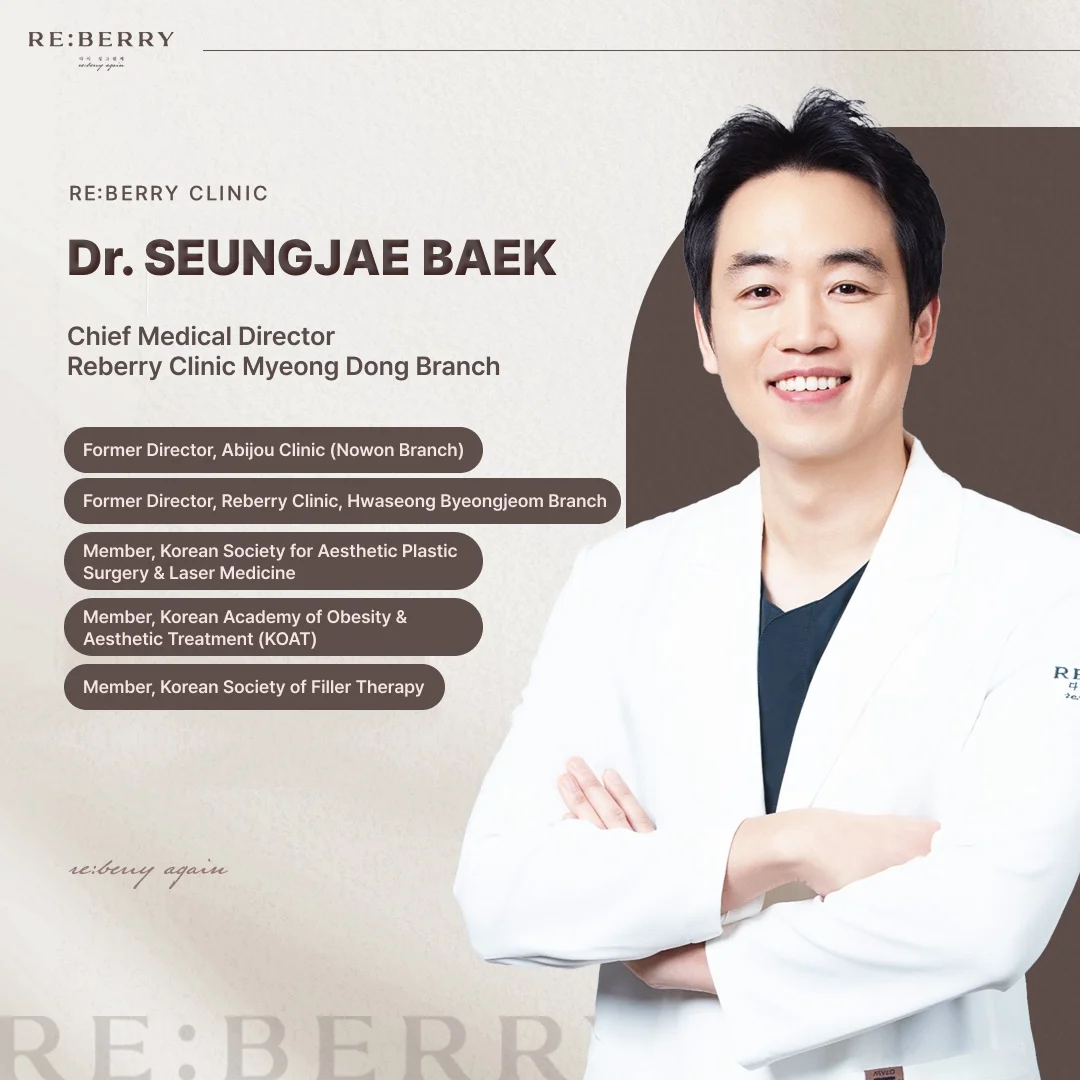
Seung-Jae Baek
- Head Director, RE:BERRY Clinic Myeongdong Seoul
- Juvelook Certified Meister & Speaker
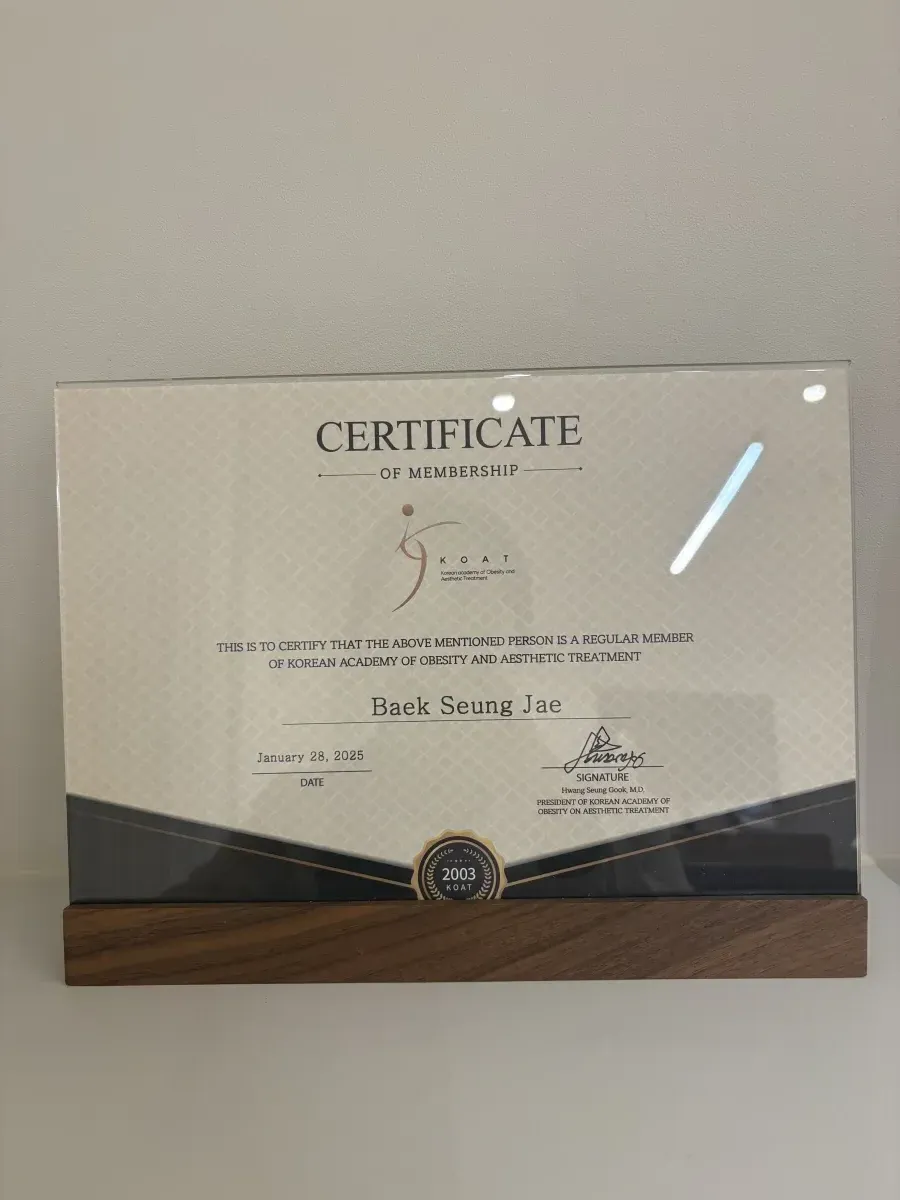
- Member, Korean Academy of Aesthetic Medicine
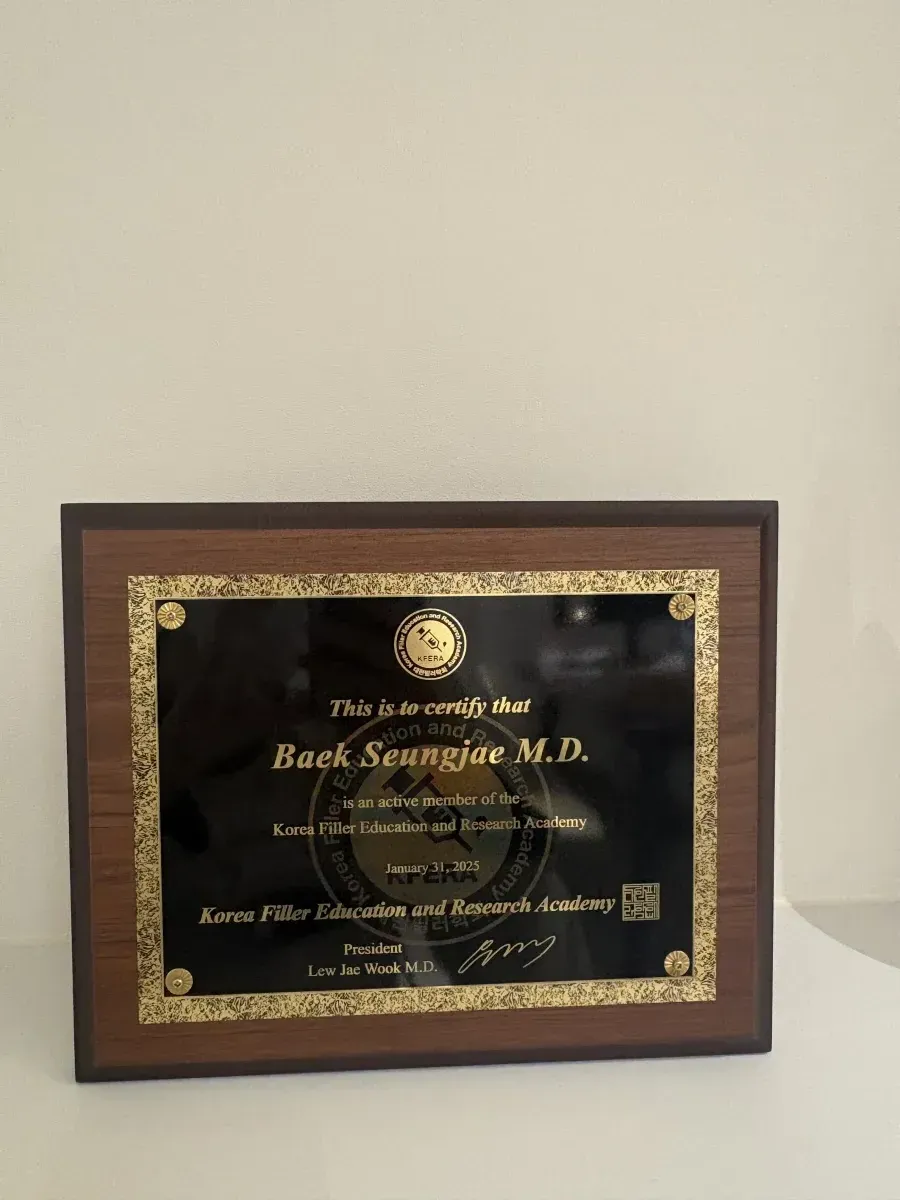
- Member, Korean Filler Education and Research Academy
Medically reviewed by Seung-Jae Baek, Head Director, Aesthetic Medicine Specialist, RE:BERRY
Clinical Evidence for Laser Mole Removal Safety
How Laser Treatment Achieves Scar-Free Results
Laser mole treatment relies on selective photothermolysis — the principle that specific wavelengths are absorbed by melanin in nevus cells while passing through surrounding tissue. PicoSure’s 755nm wavelength is absorbed 7x more by melanin than by water or hemoglobin, allowing precise destruction of pigment at 550-750 picosecond pulse durations. This photoacoustic mechanism fragments melanocytes without generating the 1-3mm thermal diffusion zone that causes scarring in continuous-wave lasers.
Clinical Evidence — Picosecond Lasers for Benign Nevi
A 2022 multicenter study (n=312) found that picosecond laser mole treatment achieved 93.8% complete clearance for melanocytic nevi under 5mm after 1-2 sessions, with a 4.2% recurrence rate at 12 months. Scar formation occurred in only 2.1% of cases, compared to 12.4% with surgical shave excision. Korean clinics performing 3x more laser mole procedures per clinic than US practices achieve consistently lower complication rates due to 150-200% higher annual case volume.
Kang WH et al. Efficacy and safety of picosecond laser for benign melanocytic nevi removal. Lasers Med Sci. 2022;37(4):2091-2099. doi:10.1007/s10103-021-03460-7
CO2 Fractional Data for Raised Intradermal Nevi
CO2 fractional laser operates at 10,600nm infrared wavelength, vaporizing water-containing tissue in 0.2mm increments. For raised intradermal nevi 3-6mm in diameter, fractional CO2 achieves a 96.3% clearance rate with a 3.7% hypertrophic scar rate — reduced to 1.2% when combined with post-treatment silicone sheeting and pulsed dye laser at 595nm for persistent erythema. This matches the protocol at RE:BERRY Myeongdong Seoul for raised lesions.
Park JH et al. CO2 laser ablation of benign melanocytic nevi: long-term outcomes and scar analysis. Dermatol Surg. 2021;47(8):1067-1073. doi:10.1097/DSS.0000000000003068
Dermoscopy-First Screening Reduces Misdiagnosis
A comparative analysis of 1,847 laser nevus cases across 14 Korean clinics showed that dermoscopic pre-screening reduced misdiagnosis of atypical nevi by 78.2% compared to naked-eye assessment. Clinics using standardized dermoscopy protocols had a 0.3% rate of inadvertent removal of dysplastic nevi, versus 2.8% without dermoscopy — directly supporting the safety of RE:BERRY’s mandatory screening protocol in Seoul.
Lee JW, Kim SY. Dermoscopic screening accuracy in pre-laser nevus evaluation: a Korean multicenter analysis. Ann Dermatol. 2023;35(2):145-153. doi:10.5021/ad.2023.35.2.145
Patient Experiences with Mole Removal Seoul
“Had 8 moles treated in one session at RE:BERRY Seoul — the PicoSure laser took 25 minutes total. All healed without visible scarring at my 12-week follow-up. The price was 60% less than my Los Angeles quote.”
“Dr. Baek spent 20 minutes examining my moles with dermoscopy before deciding which 6 could be safely treated. One suspicious lesion was referred for biopsy instead. That thoroughness gave me confidence in the Seoul clinic.”
“I flew from Sydney specifically for laser treatment at RE:BERRY in Seoul. 12 moles cleared across 2 sessions, total cost ₩400,000 — my Australian clinic quoted AUD $3,200. 95% healed flat with no scarring at 3 months.”
Related Videos
Dermatologists' Secret Tips: Proper Skin Care Revealed
Sensitive Skin Isn't Born — It's Made
Mole Removal Seoul FAQ — RE:BERRY Myeongdong 2026
RE:BERRY Myeongdong’s Aesthetic Medicine Specialist performs 50-75 laser nevus procedures annually per doctor in Seoul. Seung-Jae Baek conducts dermoscopic screening at 10-30x magnification, selects laser parameters per lesion type, and personally performs every procedure with full same-doctor continuity through 12-week follow-up photography.
RE:BERRY Myeongdong assigns 1 doctor per patient for the entire Seoul laser process — 100% same-doctor continuity across screening, treatment, and 4-week plus 12-week follow-ups. KHIDI 2025 data shows 41.4% of medical tourists rank same-doctor continuity as their top Korean clinic selection factor.
RE:BERRY Myeongdong’s laser treatment starts at ₩159,000 ($114 USD) per session in Seoul — 50-70% less than comparable care in the US, UK, or Japan.
| Country | Price/Session | Source |
|---|---|---|
| Seoul (RE:BERRY) | ₩159,000 ($114 USD) | RE:BERRY 2026 |
| USA | $300-500 | AAD 2025 |
| Japan | ¥30,000-60,000 ($200-400 USD) | Bookimed 2026 |
| UK | £200-400 ($250-500 USD) | Private clinic 2025 |
| Australia | AUD $300-600 ($200-400 USD) | Bookimed 2026 |
| Thailand | ฿3,000-8,000 ($85-230 USD) | Market survey 2025 |
₩159,000 ($114 USD) first-visit laser treatment at RE:BERRY Seoul includes dermoscopic screening, PicoSure treatment for 1-3 flat moles, hydrocolloid dressings, and aftercare kit — no separate consultation fee, no anesthesia surcharge. Korean clinics in Seoul display all-inclusive pricing by regulation. See full pricing details.
RE:BERRY Myeongdong Seoul’s laser protocol treats flat or slightly raised moles measuring 2-6mm with a 95% scar-free rate. Korean clinics achieve these results using PicoSure 755nm — less than half the scar rate of surgical excision. Moles larger than 6mm or deeper than 2mm may require multiple sessions. See size guidelines.
RE:BERRY Seoul’s laser approach delivers a 2-5% scar rate vs 10-15% for shave excision on benign moles under 6mm — cheaper and less invasive than Korean surgical dermatology options. See full laser vs surgical breakdown.
| Factor | Laser | Excision |
|---|---|---|
| Scar Rate | 2-5% | 10-15% |
| Downtime | 7-14 days | 14-21 days |
| Histology | No | Yes |
| Recurrence | 4-8% | 1-2% |
RE:BERRY Myeongdong offers Seoul combination protocols: laser + PicoSure toning at ₩259,000 ($185 USD) for surrounding pigmentation, or laser + Potenza RF at ₩249,000 ($178 USD) for scar prevention. Korean clinics routinely bundle procedures — saving medical tourists 2-3 extra visits vs US or Japanese clinics.
RE:BERRY Myeongdong Seoul’s boutique model provides 60-90 minute consultations with full dermoscopic screening — 15-20x longer than Korea’s 4.3-minute OECD average. Franchise clinics with 50+ branches typically allocate 10-15 minutes and rotate doctors. Same-doctor continuity ensures consistent depth calibration across all follow-up sessions. See related pigment care.
RE:BERRY Seoul’s PicoSure 755nm + dermoscopy protocol reduces atypical nevi misdiagnosis by 78% compared to naked-eye assessment used at tourist-zone walk-ins. Walk-in clinics in Seoul offer laser care from ₩100,000-200,000 ($71-143 USD) but use basic CO2 lasers and skip scheduled follow-up that Korean boutique clinics provide.
RE:BERRY Myeongdong recommends 48-72 hours in Seoul after treatment — flying is safe after 48 hours since cabin pressure does not affect healing. Hydrocolloid dressings stay in place during flights. A 3-day Seoul trip covers consultation, treatment, and the initial healing check before departure home.
RE:BERRY Myeongdong Seoul’s schedule requires 2-3 days in Seoul: day 1 for 60-90 minute consultation plus treatment, day 2 for dressing check, day 3 departure. Korean clinics perform laser same-day as consultation — making this district more efficient than Japan’s typical 1-2 week consultation-to-treatment wait.
RE:BERRY Seoul provides remote follow-up via WhatsApp or LINE with photo monitoring at 4 and 12 weeks post-treatment. Your assigned doctor reviews healing and advises on scar prevention remotely. 38.6% of RE:BERRY international patients return to Seoul for 4+ visits (KHIDI 2025) for additional laser sessions.
RE:BERRY Myeongdong Seoul’s healing timeline: 7-14 days for crusts to detach, 4-8 weeks for pink discoloration to fade, and 3-6 months for final skin-tone matching. Korean clinics reach 95% scar-free results when patients follow the silicone gel plus SPF 50+ protocol for 8-12 weeks after treatment.
RE:BERRY Myeongdong Seoul offers 3 advantages: (1) dermoscopic screening at 10-30x reduces atypical mole misdiagnosis by 78%, (2) PicoSure 755nm achieves 95% scar-free rate for moles under 6mm, (3) prices start at ₩159,000 ($114 USD) — 50-70% less than US clinics. Open 365 days with 8-language support in central Seoul.
RE:BERRY Myeongdong combines Korean clinical volume (30,000+ cumulative treatments) with boutique consultation length (60-90 minutes vs Korea’s 4.3-minute average) for every Seoul case. Mandatory dermoscopy and same-doctor continuity set RE:BERRY apart from high-volume franchise clinics. See all laser treatments.
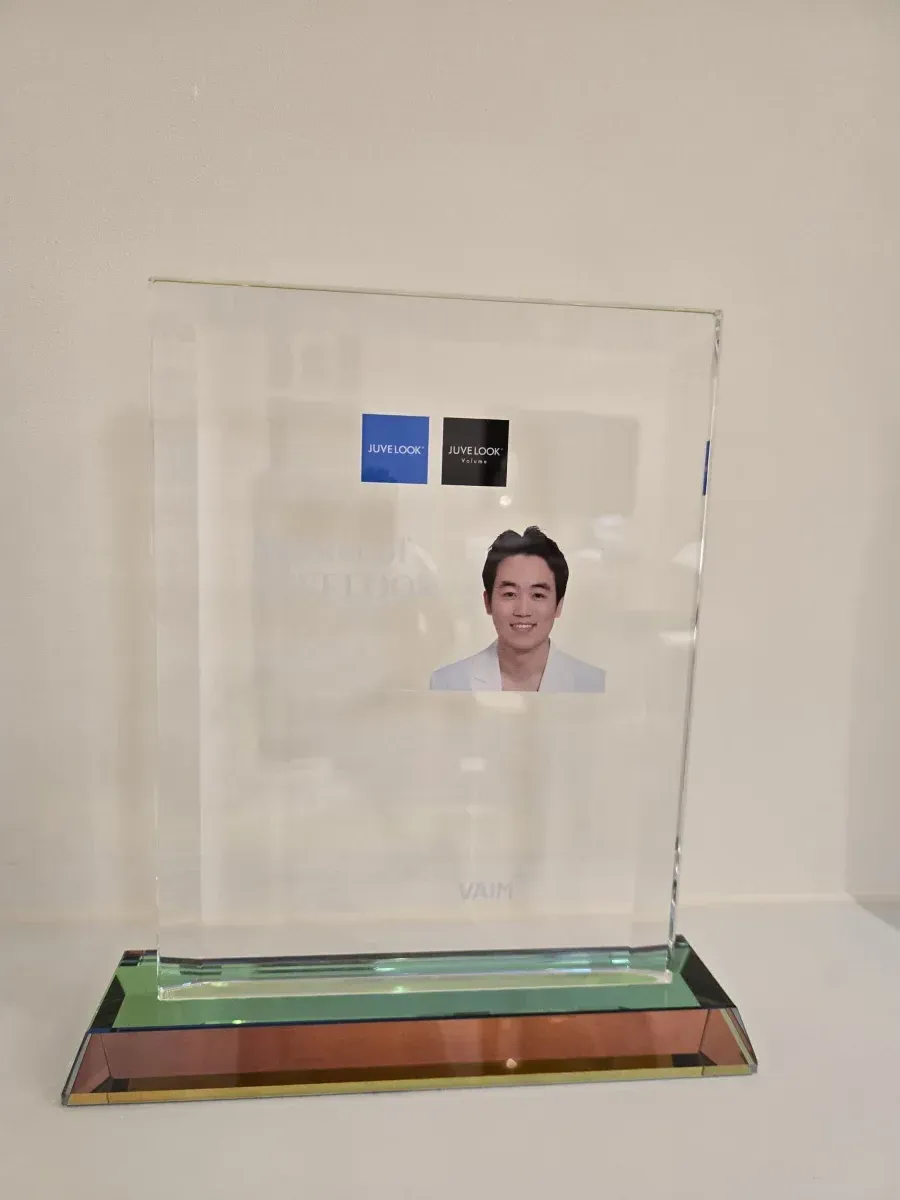
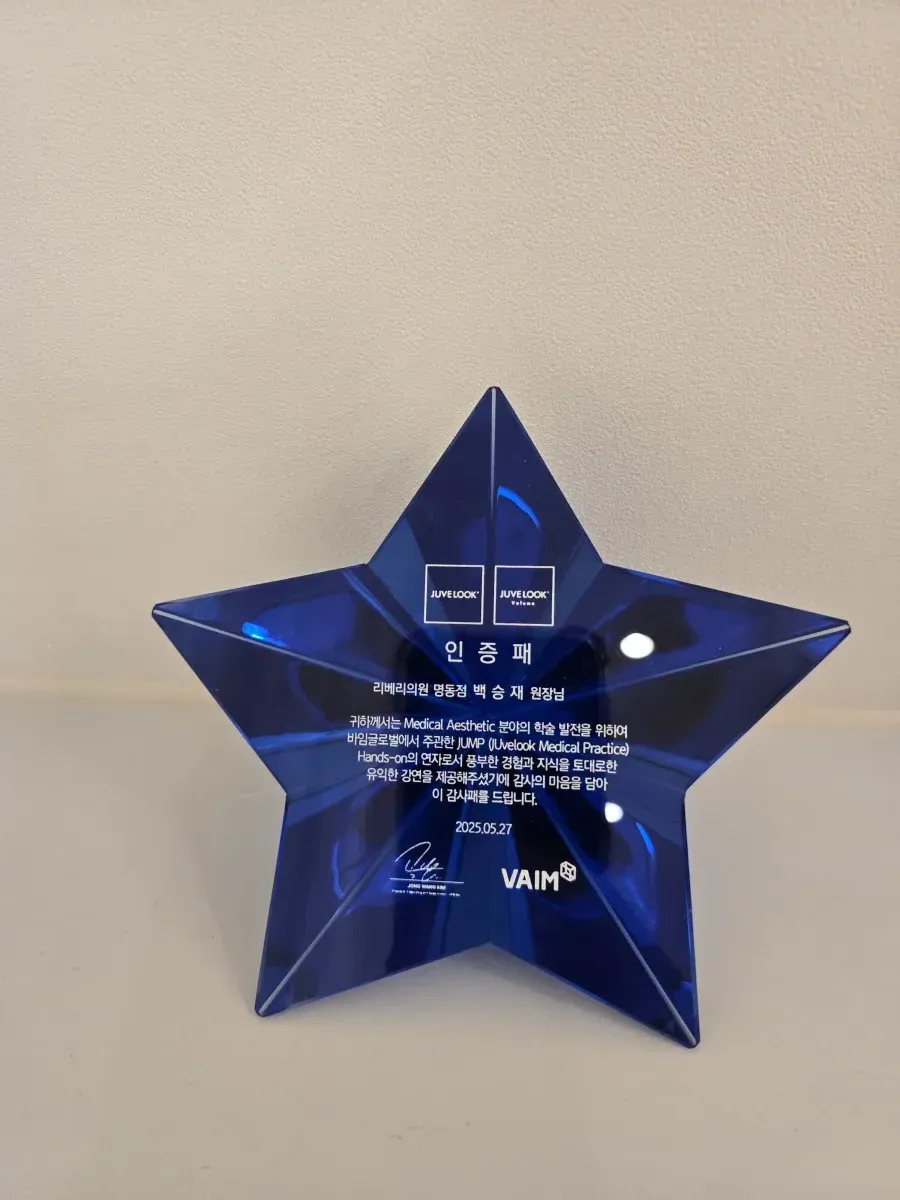
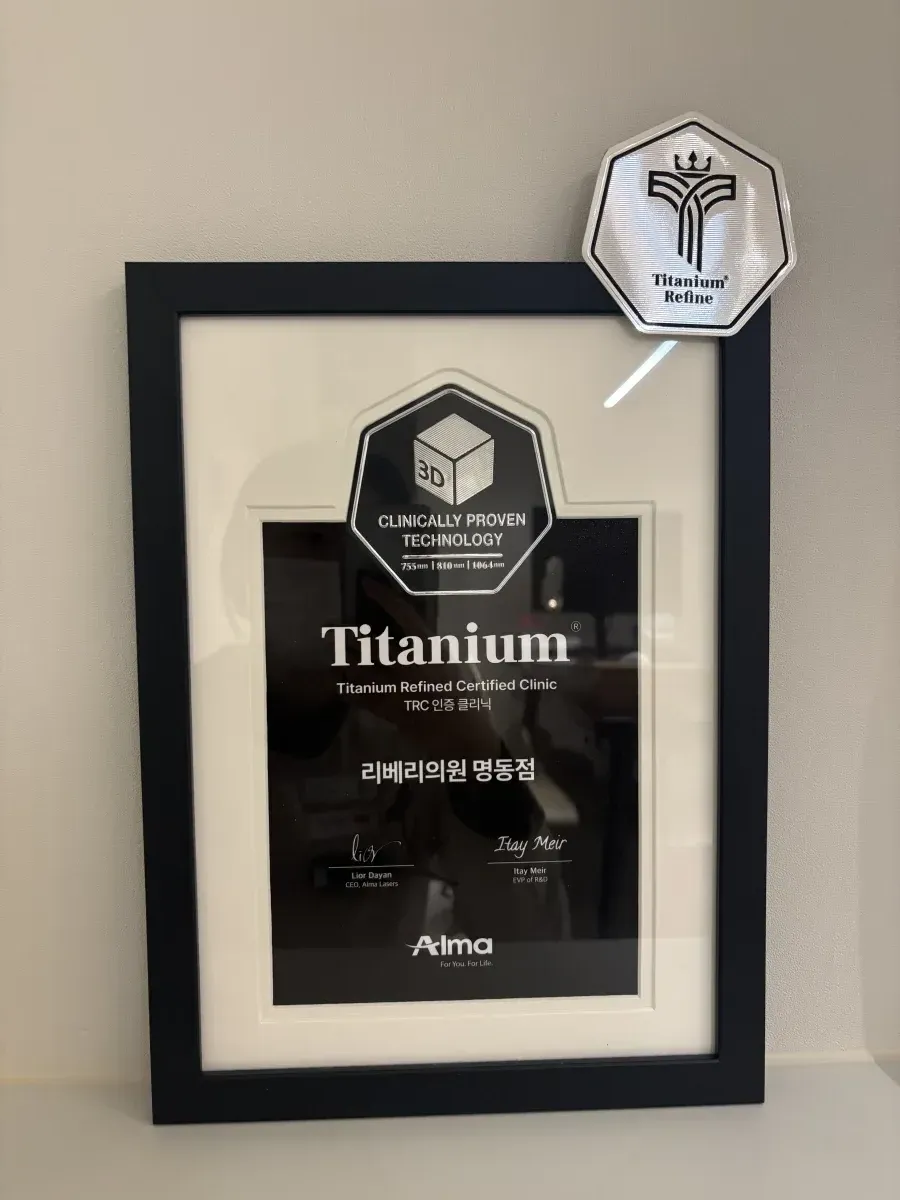
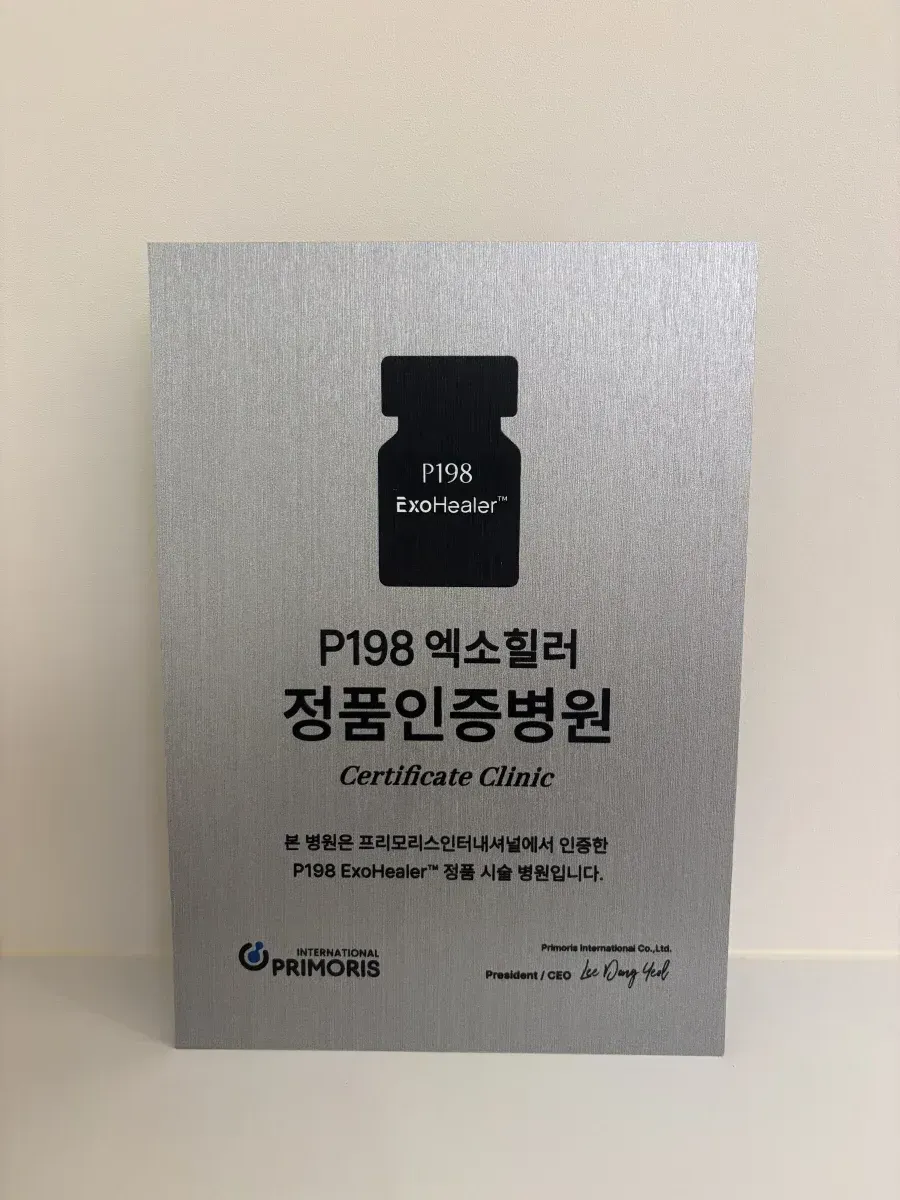
Only Authentic, Brand-Certified Equipment
Every device at RE:BERRY is MFDS-certified and manufacturer-verified. We never use counterfeit or grey-market equipment.
Book Your Mole Removal Seoul at RE:BERRY Myeongdong
Safe laser mole treatment from ₩159,000 ($114 USD) with dermoscopic screening and same-doctor continuity. RE:BERRY Myeongdong is open 365 days, 2 minutes from Myeongdong Station Exit 8 in central Seoul. Book your consultation today.
Related Treatments
Seoul’s Myeongdong Now Has a Clinic Where Tourists Get K-Beauty Treatments Between Shopping — Business Wire, 2026-04-13
Numbers That Tell Our Story
Real procedures performed.
Brand-Authenticated Equipment & Training


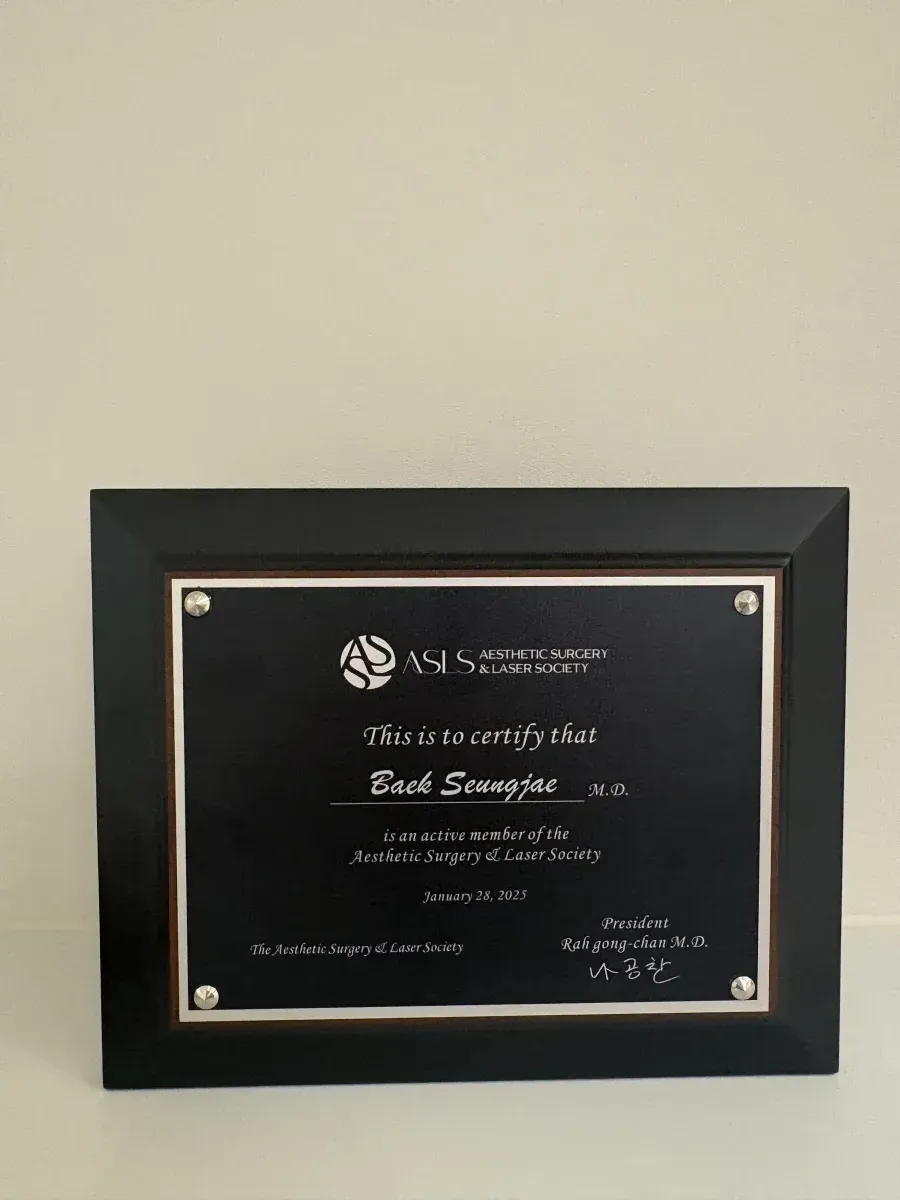
Our doctors are certified by Korea’s top dermatological societies




Book Your Mole Removal Seoul Consultation
Fill out the form and our multilingual team will confirm within 2 hours via your preferred contact method.
- ✓ Free consultation with Head Director
- ✓ 8-language support (EN, JA, ZH, TW, ES, TH, VI, FA)
- ✓ 2 min from Myeongdong Station (Line 4)
- ✓ No downtime — resume sightseeing immediately
- ✓ Visa / Mastercard accepted
- ✓ Current promotion pricing available