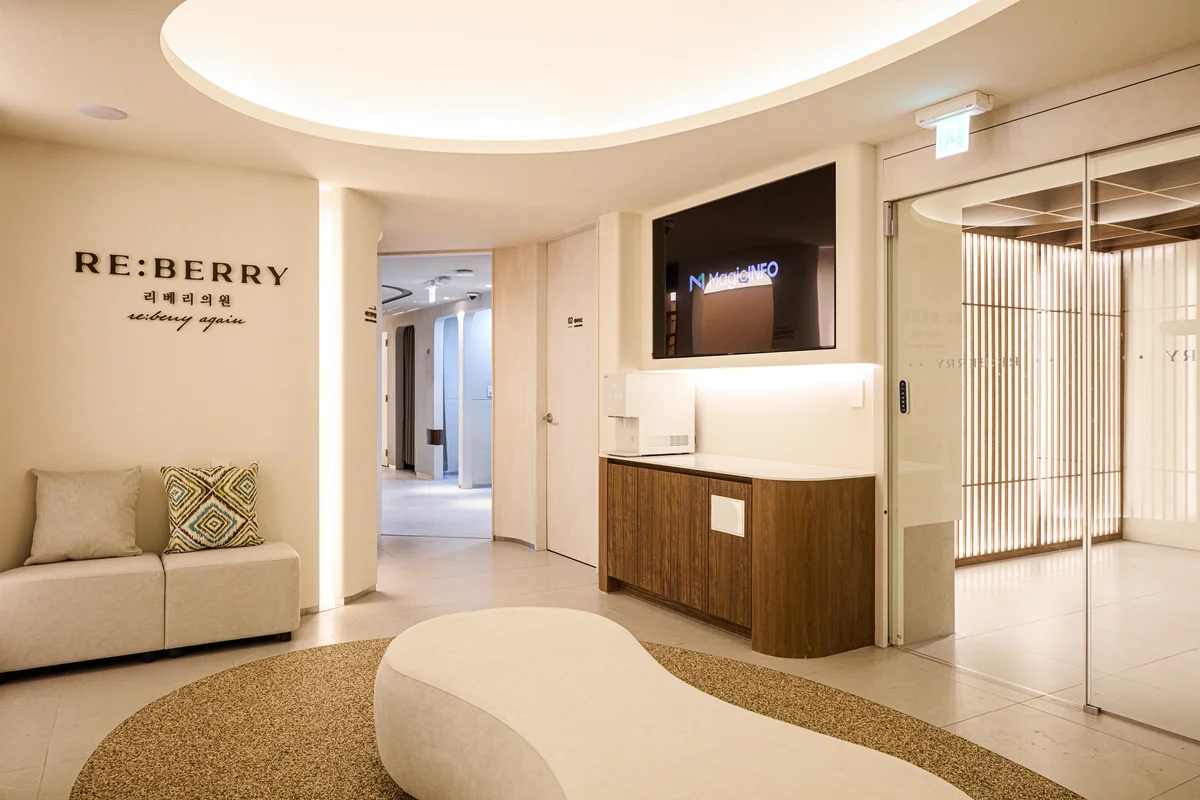
What Is the Difference Between Ablative and Non-Ablative Laser? RE:BERRY Myeongdong Seoul
Ablative lasers (CO2, Erbium:YAG) vaporize the epidermis at 10,600nm wavelength with 7-14 day downtime for deep acne scars. Non-ablative lasers (Pico Fraxel, Genesis) heat the dermis to 45-55°C without breaking skin with 0-2 day downtime for mild scars and pigmentation. RE:BERRY Myeongdong offers Pico Fraxel. Aesthetic Medicine Specialist Seung-Jae Baek customizes laser selection across 60-90 minutes. Open 365 days, 2 minutes from Myeongdong Station Exit 8.
What Is the Difference Between Ablative and Non-Ablative Laser?
Ablative lasers (CO2, Erbium:YAG) vaporize the epidermis at 2,940-10,600nm with 7-14 day downtime for deep scars. Non-ablative lasers (Pico Fraxel, Genesis) heat dermis without breaking skin, 0-2 day downtime. RE:BERRY Myeongdong offers Pico Fraxel.
How RE:BERRY Myeongdong Chooses Ablative vs Non-Ablative Laser: 4-Step Protocol
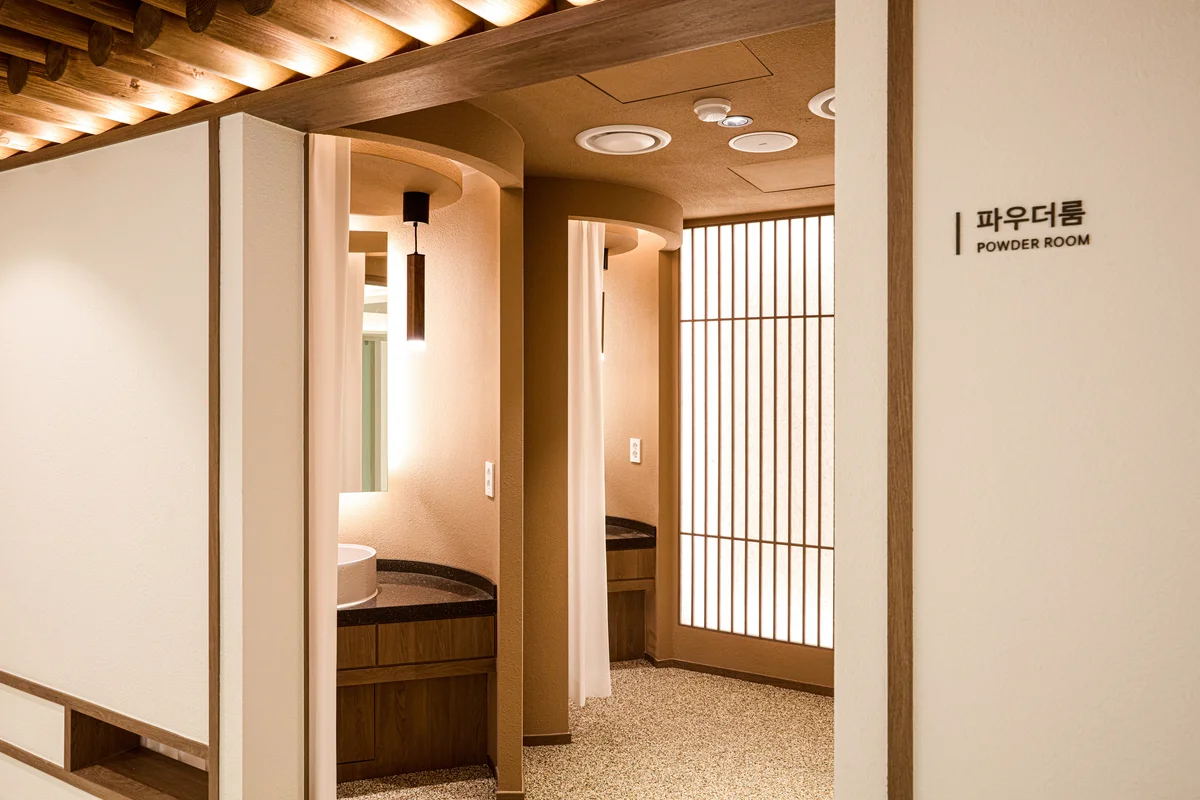
Step 1: 60-90 Minute Skin Analysis for Ablative vs Non-Ablative Selection
Your assigned doctor performs comprehensive skin analysis using digital imaging across 6-8 facial zones to measure scar depth, pigmentation density, and skin thickness (typically 1.2-2.4mm). Ablative lasers (CO2 at 10,600nm, Erbium:YAG at 2,940nm) are recommended for Grade 3-4 scars (deeper than 0.5mm), while non-ablative lasers (Pico Fraxel at 1,064nm, Genesis at 1,064nm) suit Grade 1-2 scars and pigmentation. RE:BERRY Myeongdong’s 60-90 minute consultation (15-20x Korea’s 4.3-minute OECD average) ensures precise laser selection. See laser treatments in Myeongdong.
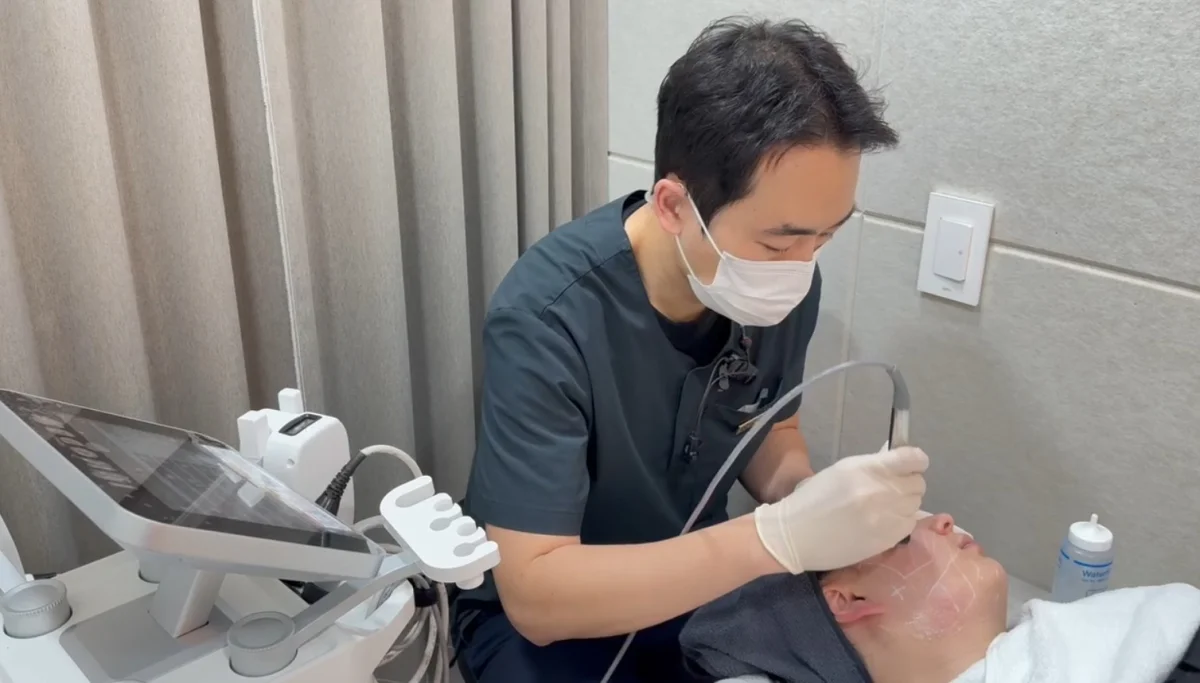
Step 2: Ablative Laser Protocol — 10,600nm CO2 with 10-20% Density
For ablative treatment, Aesthetic Medicine Specialist Seung-Jae Baek uses fractional CO2 at 10,600nm wavelength with 10-20% coverage density, 20-40mJ energy per pixel. Topical anesthetic is applied 45-60 minutes before treatment. The laser creates microthermal zones (MTZs) at depths of 500-1,500μm, vaporizing epidermal columns while stimulating collagen regeneration. Each session takes 20-30 minutes with post-treatment redness lasting 7-14 days — the reason ablative treatment is scheduled at least 14 days before a flight.
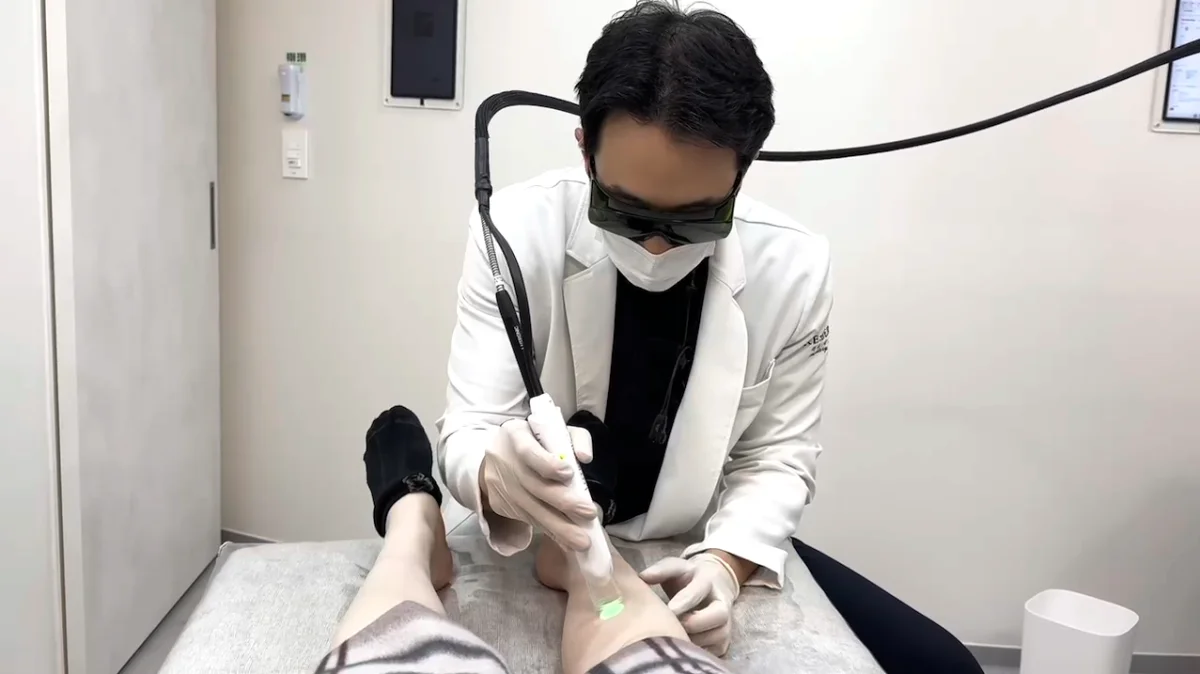
Step 3: Non-Ablative Laser Protocol — Pico Fraxel at 1,064nm with 755nm Toning
For non-ablative treatment, Pico Fraxel delivers 1,064nm picosecond pulses (750 picoseconds) at 1.6-2.8 J/cm² fluence, creating photoacoustic micro-injuries at 150-400μm depth without epidermal ablation. Genesis laser at 1,064nm heats the upper dermis to 45-55°C over 15-20 minute sessions. Pico Fraxel per session at RE:BERRY Myeongdong, with zero bleeding and 0-2 day mild redness. Non-ablative treatment is safe 6-12 hours before a flight, making it ideal for Seoul tourists.
Step 4: Assessment at 30/60/90 Days and Combination Planning
Ablative laser shows peak collagen remodeling at 90-120 days with 50-70% scar depth reduction. Non-ablative laser requires 3-5 sessions spaced 4-6 weeks apart for cumulative 30-50% improvement. At RE:BERRY Myeongdong, many patients combine both: an ablative session for Grade 3-4 scars, followed by non-ablative Pico Fraxel maintenance every 6 weeks. The 2-week and 3-month telemedicine follow-ups confirm healing and plan next sessions during patients’ return Seoul visits.
Ablative vs Non-Ablative Laser: Benefits & Timeline at RE:BERRY Myeongdong
- Different Depths, Different Outcomes: Ablative lasers reach 500-1,500μm for Grade 3-4 scars; non-ablative lasers reach 150-400μm for Grade 1-2 scars and pigmentation. RE:BERRY Myeongdong customizes each.
- 50-70% Scar Reduction (Ablative): Fractional CO2 at 10,600nm achieves 50-70% deep scar depth reduction at 90 days peak effect. RE:BERRY Myeongdong offers One-Day Acne Scar Package.
- Zero Downtime (Non-Ablative): Pico Fraxel at 1,064nm heats dermis without breaking the epidermis — return to activities same day. RE:BERRY Myeongdong’s Pico Fraxel per session.
- Combined Savings: RE:BERRY Myeongdong combines ablative + non-ablative for Grade 3 scars.
| Timeline | What to Expect |
|---|---|
| Day 0-3 | Ablative: redness, minor bleeding, crusting begins. Non-ablative (Pico Fraxel): mild erythema clears in 2-24 hours. RE:BERRY patients receive post-care kits. |
| Day 4-14 | Ablative: re-epithelialization complete at day 7-14; pink skin for 2-4 weeks. Non-ablative: zero visible signs, normal activities. Sunscreen SPF 50+ mandatory. |
| Day 30-60 | Ablative: new collagen visible, 20-30% scar improvement. Non-ablative: cumulative brightening after 2-3 sessions, 15-25% pigmentation clearance. |
| Day 90-120 | Ablative peak: 50-70% deep scar reduction at RE:BERRY Myeongdong. Non-ablative: 30-50% improvement after 3-5 sessions. Maintenance every 6-12 months. |
Ablative vs Non-Ablative Laser Pricing at RE:BERRY Myeongdong
All prices include VAT. Your exact quote is confirmed at an in-person consultation.
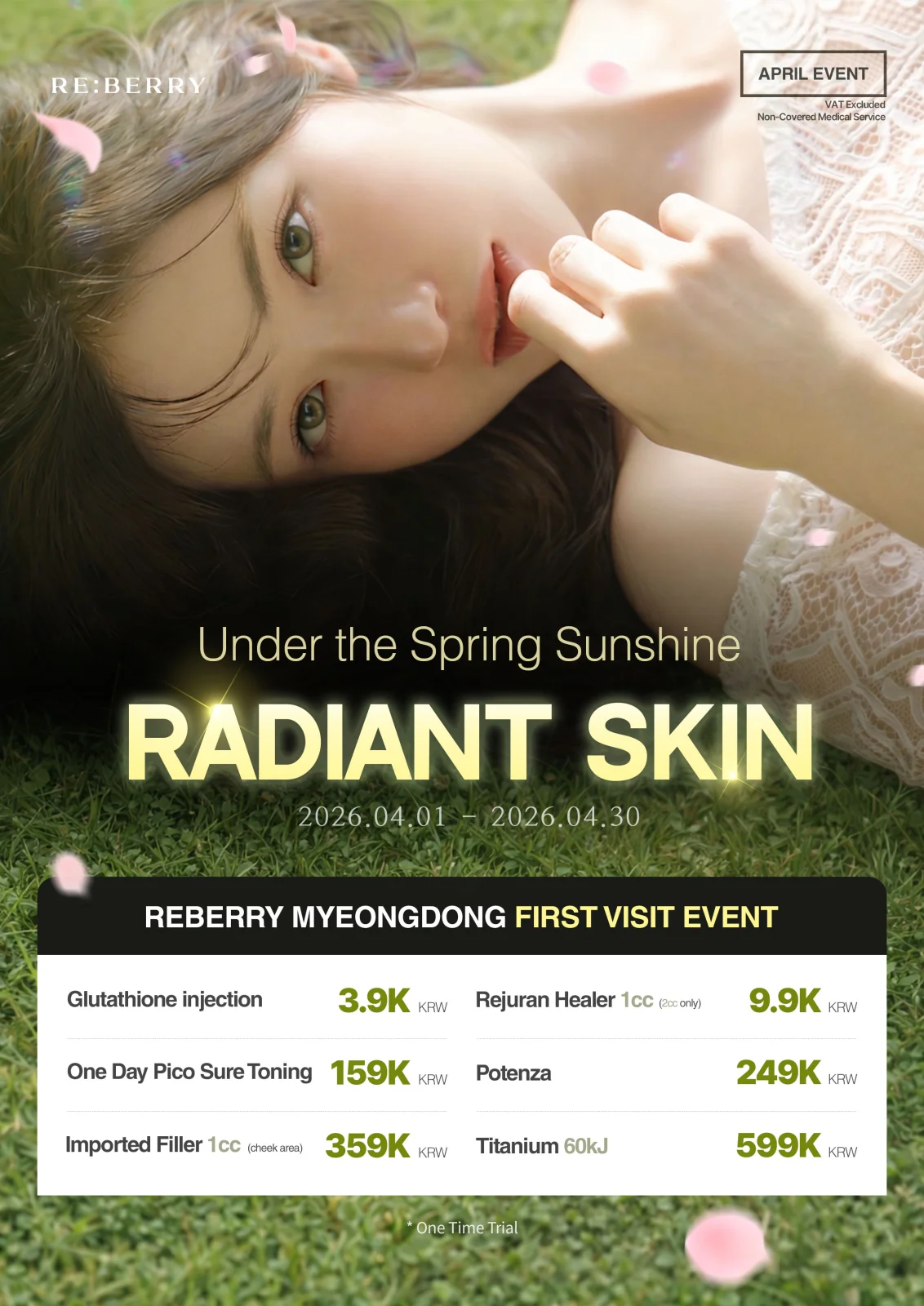
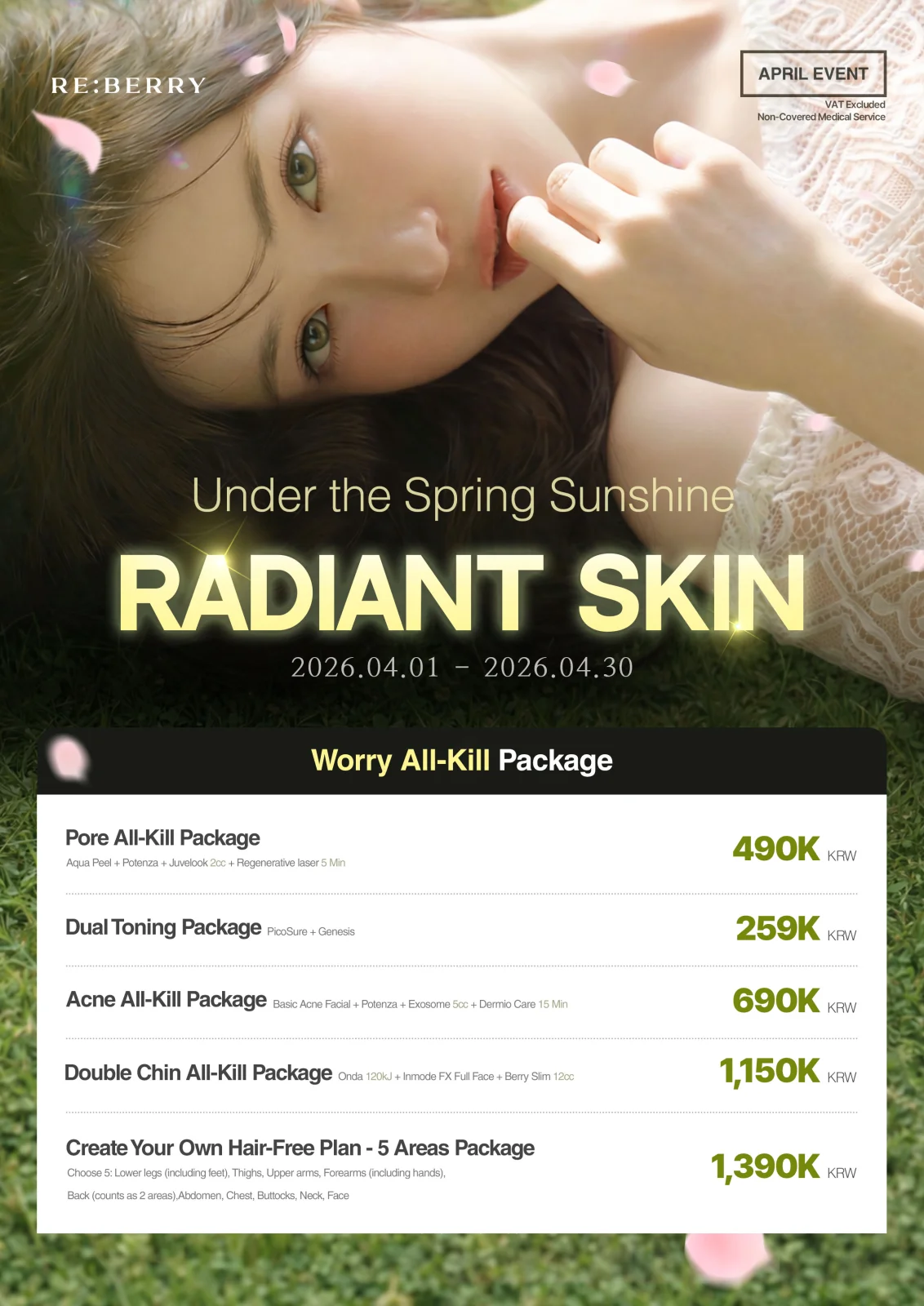
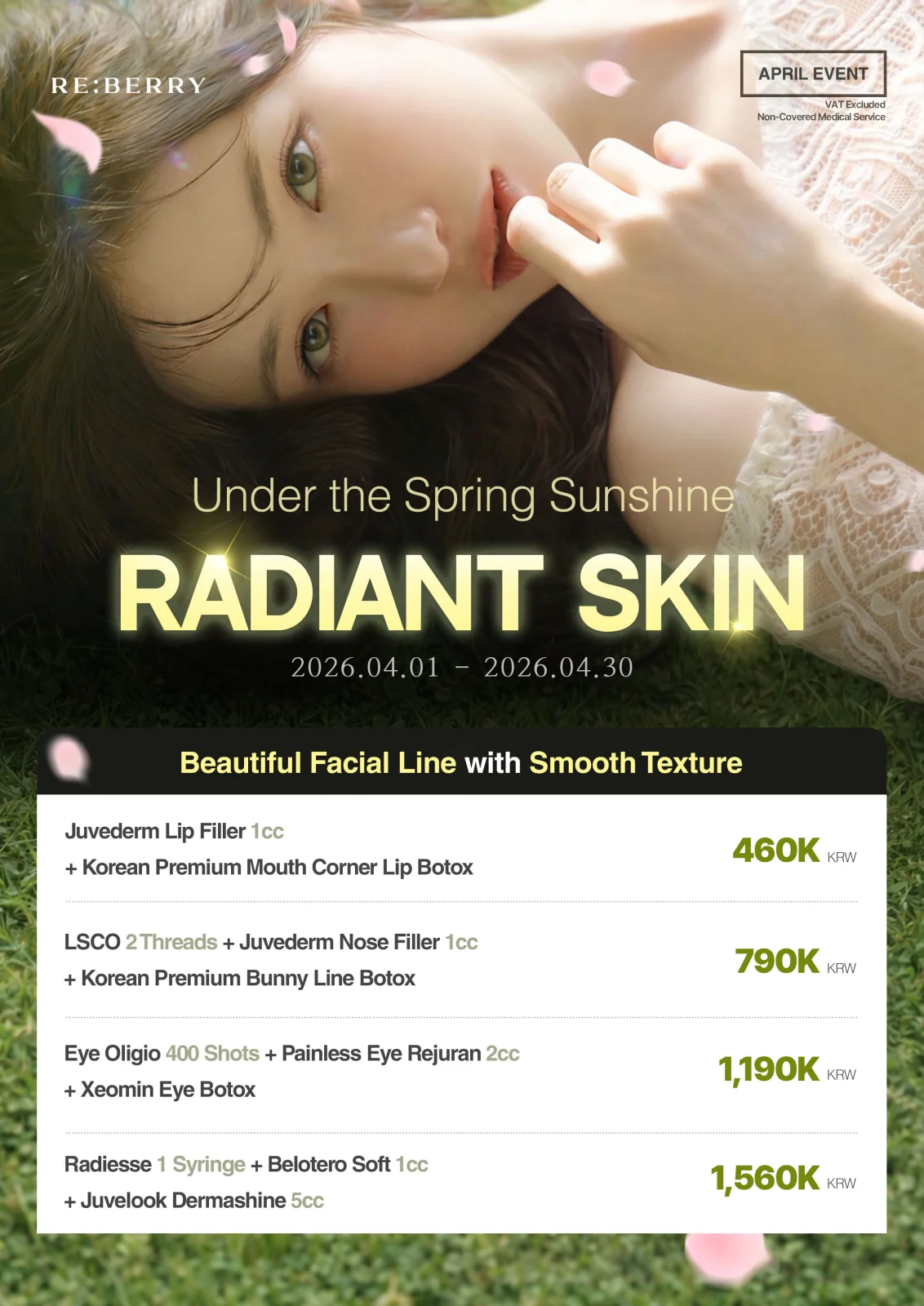
October 2026 Promotions
Exclusive packages for international patients. Swipe to see all offers.
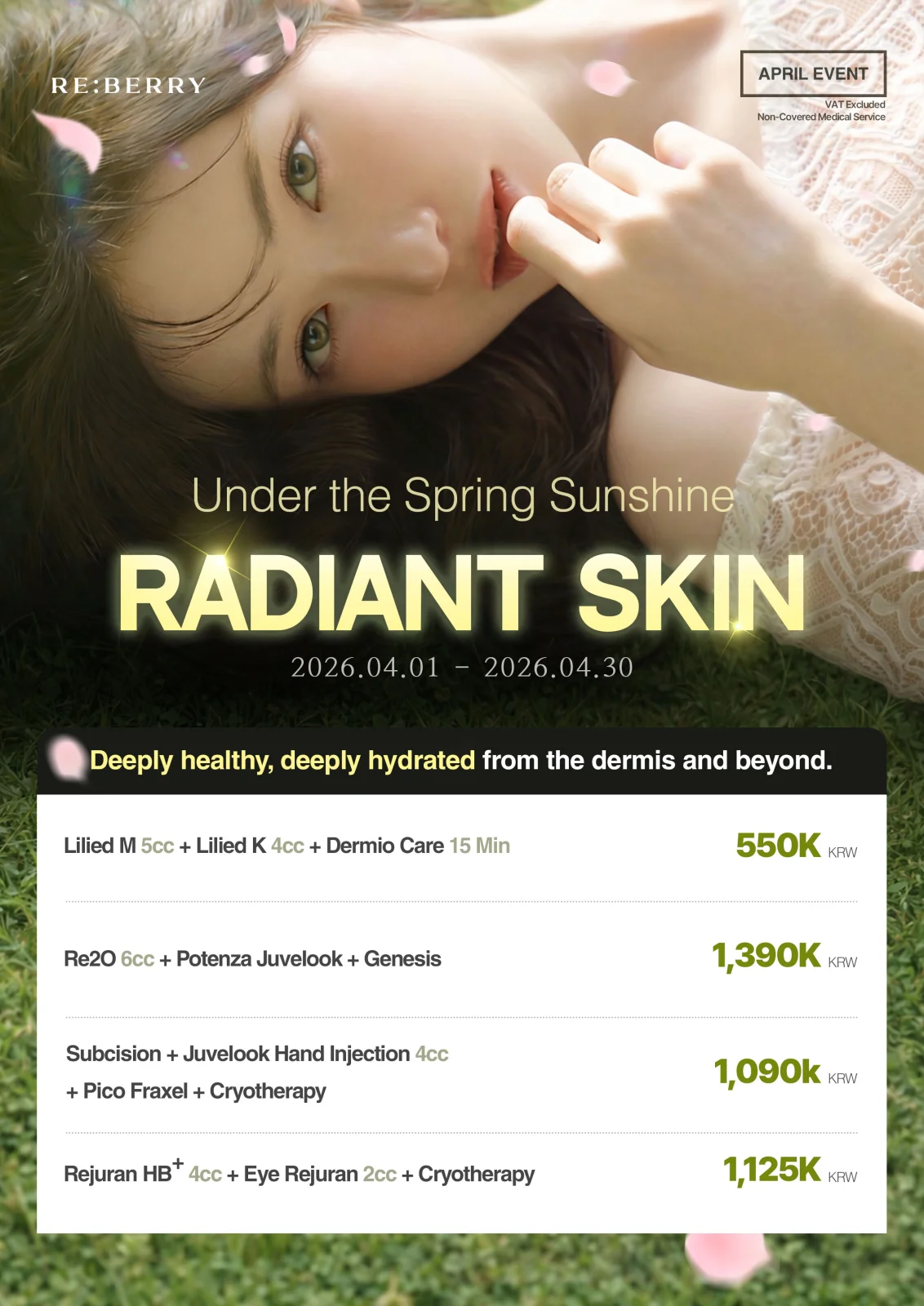
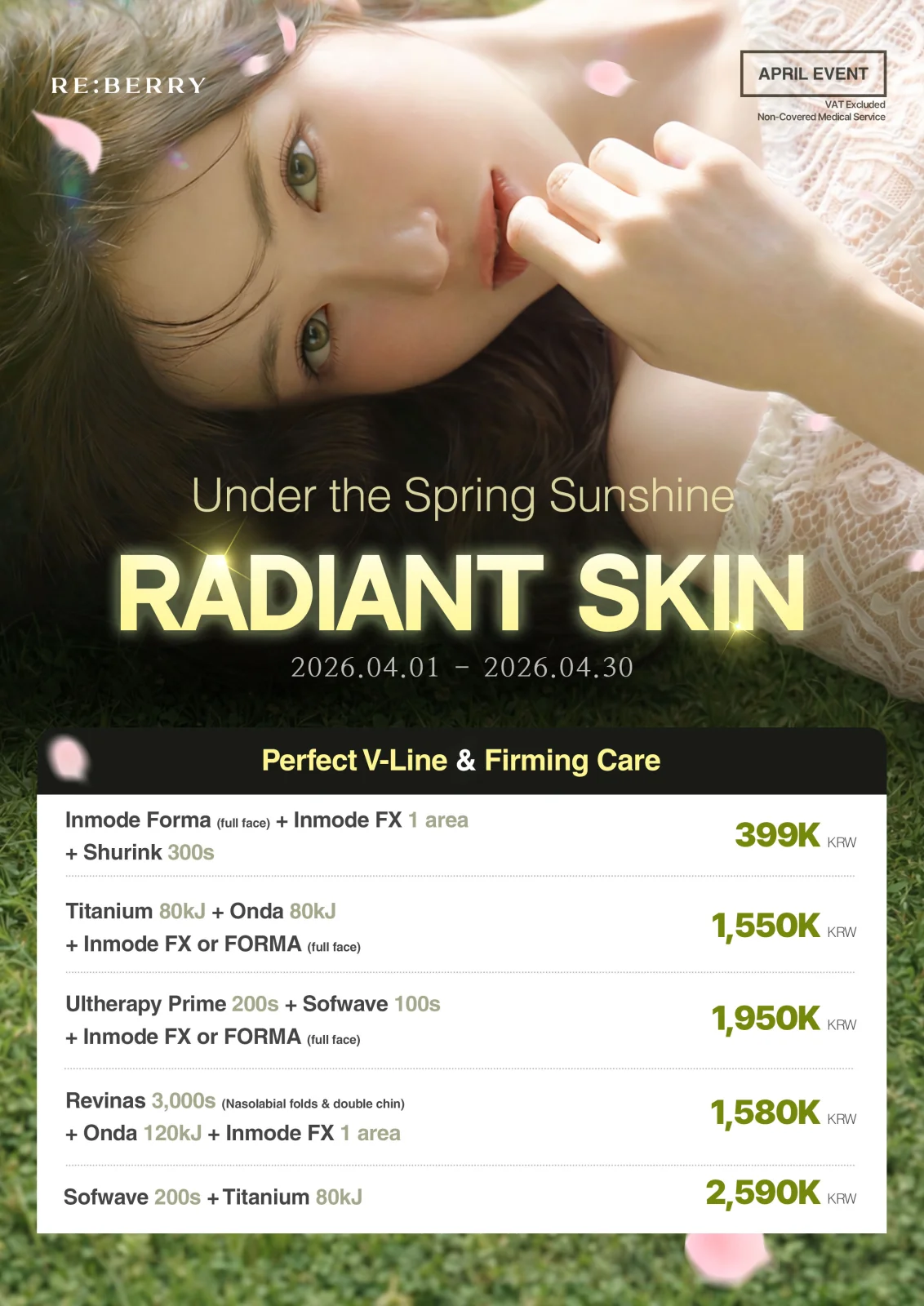
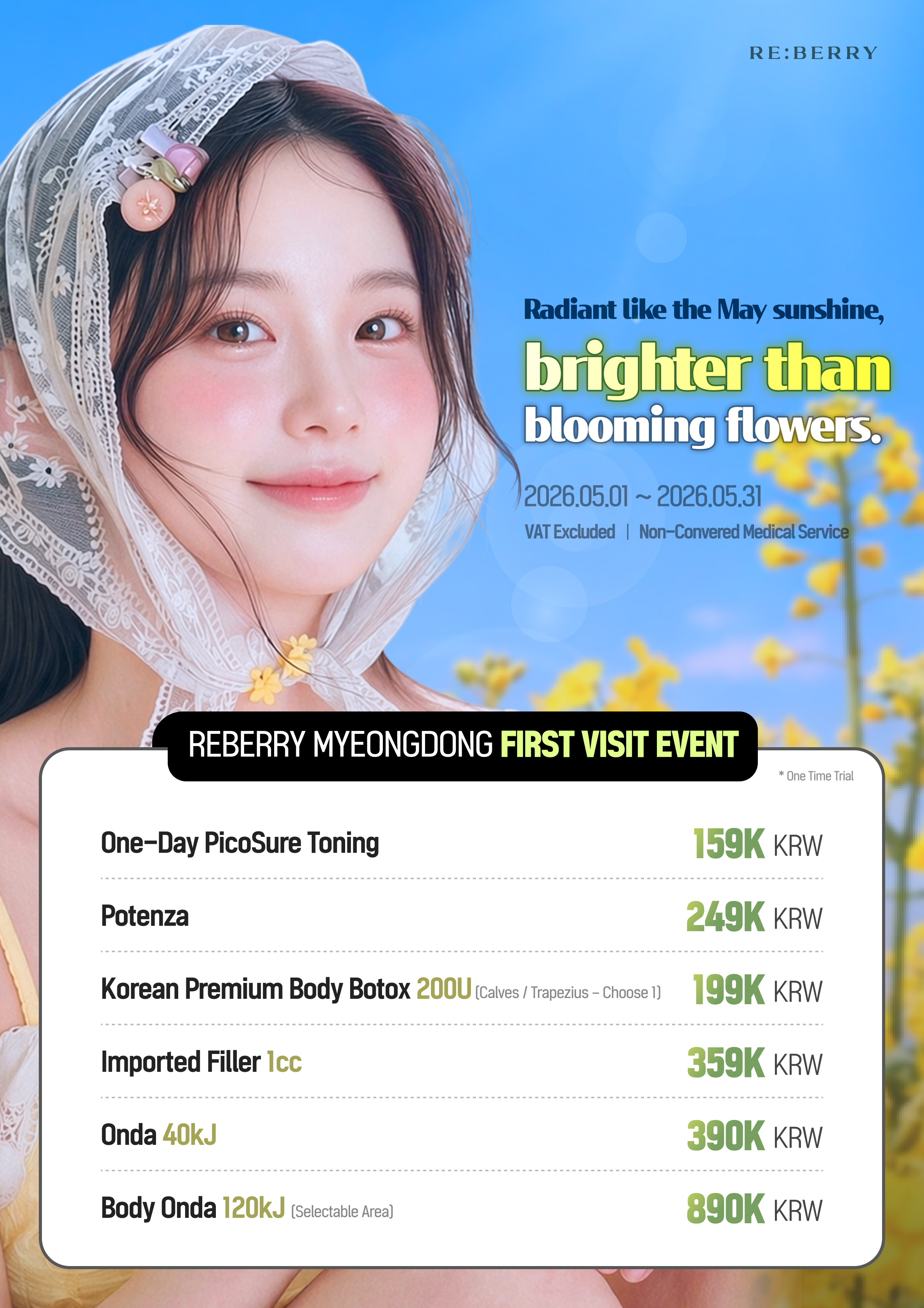
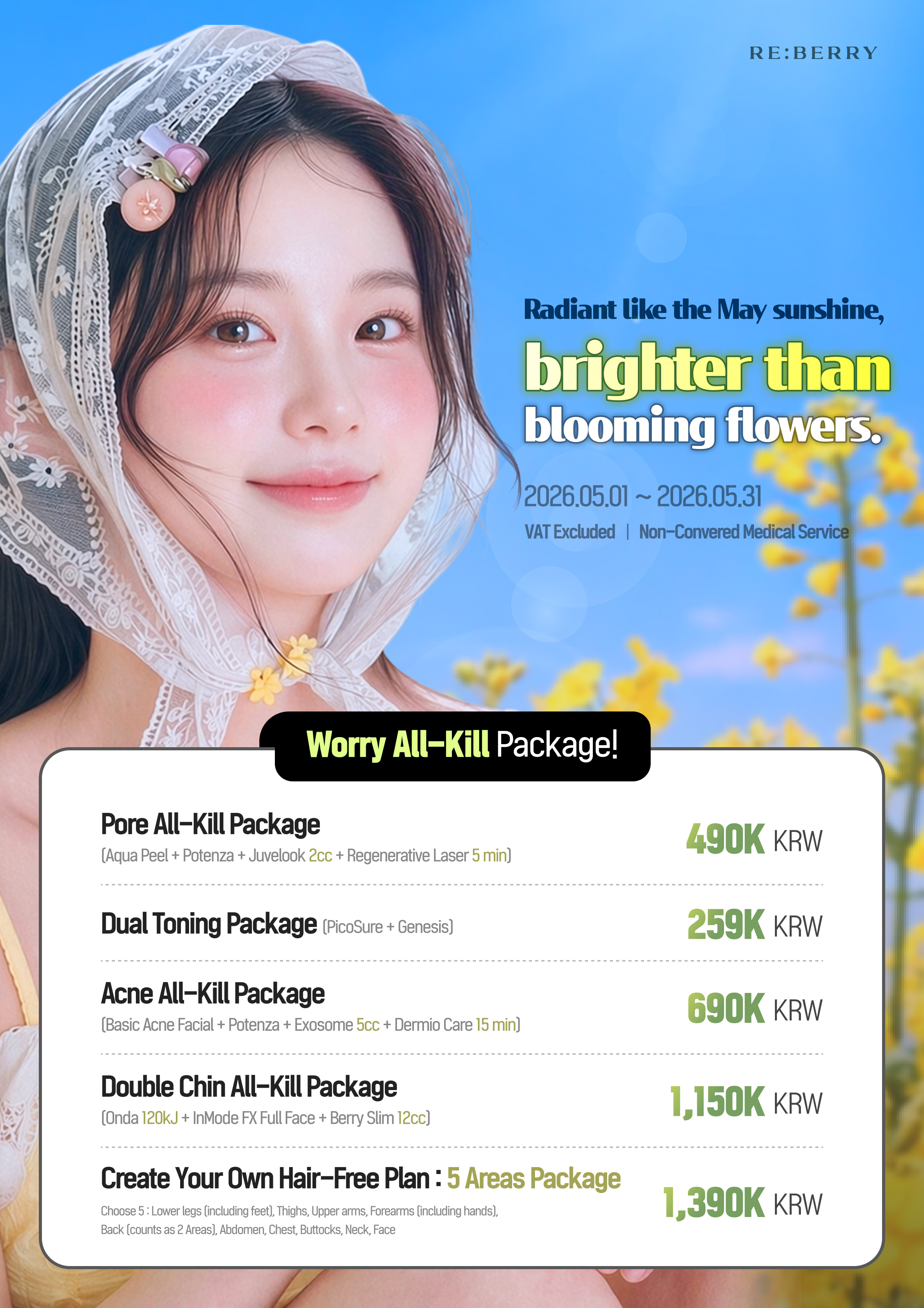
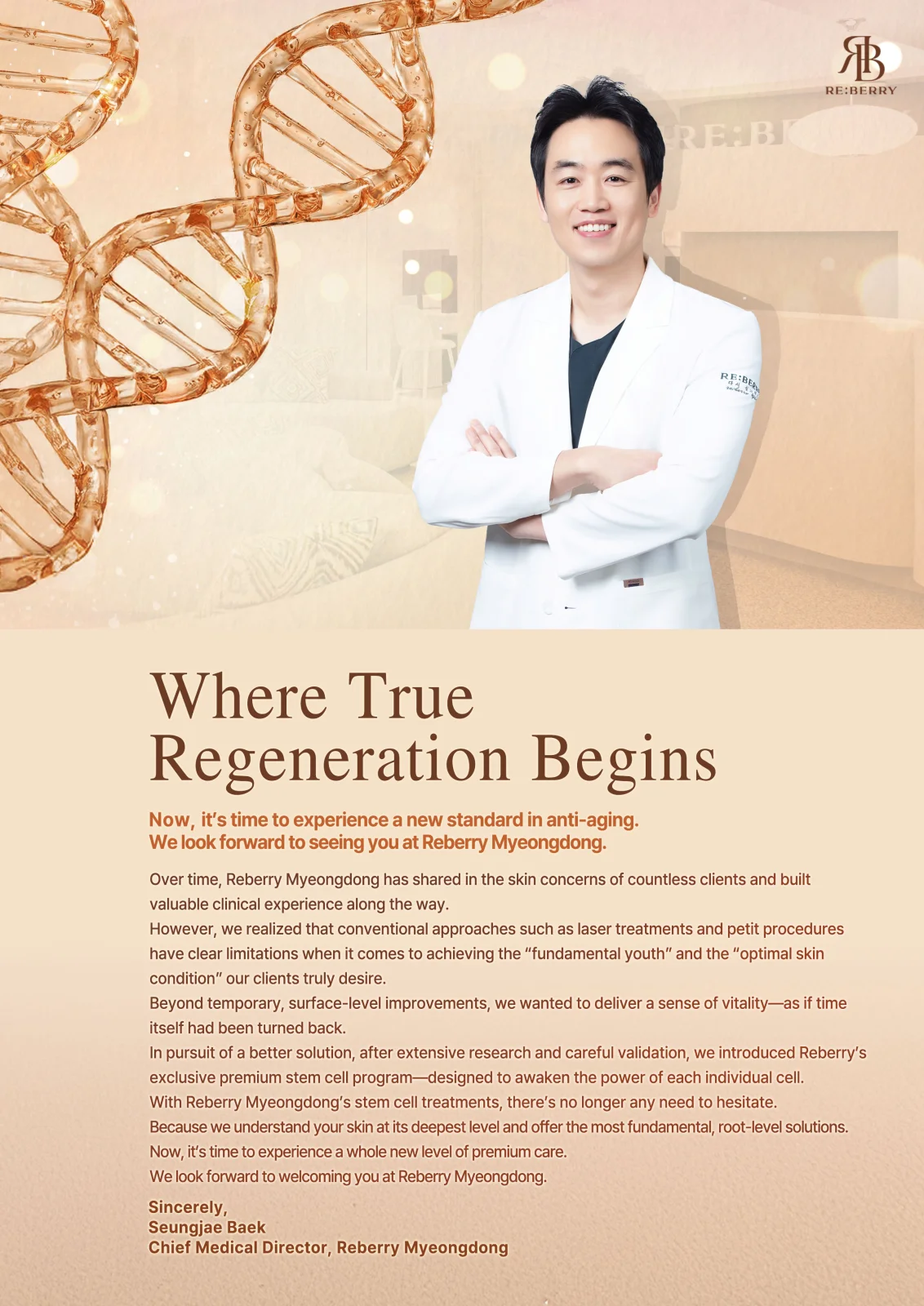
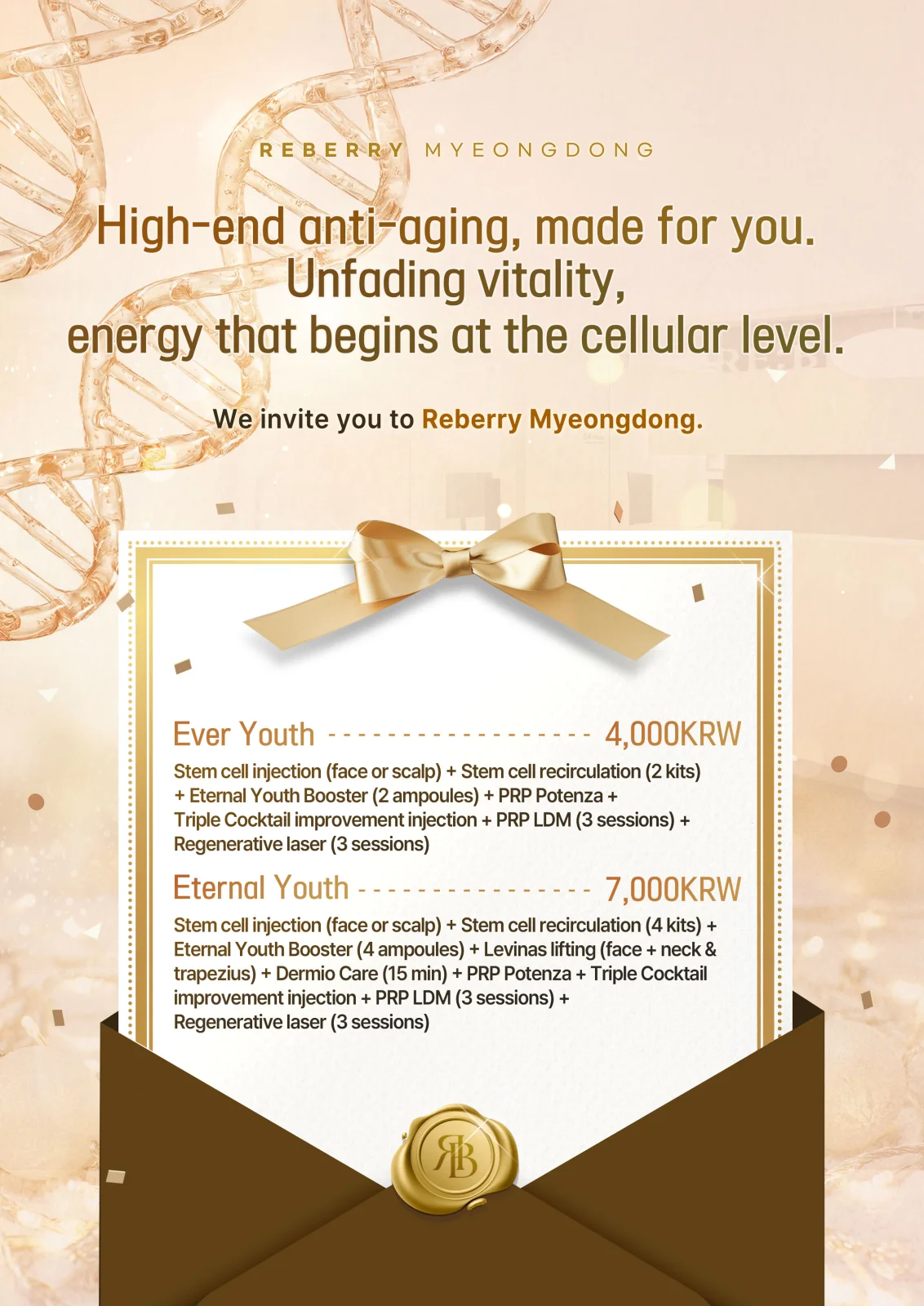
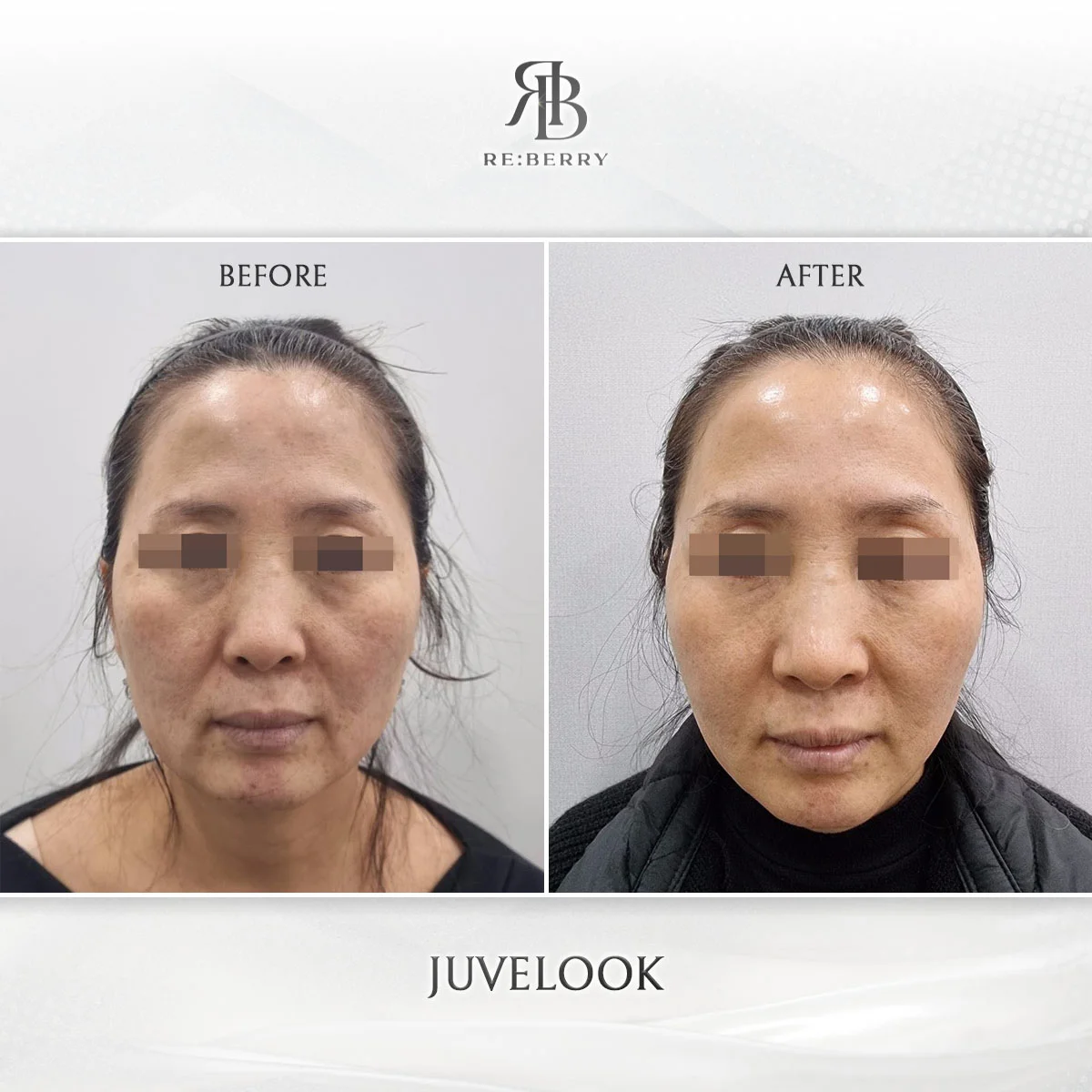
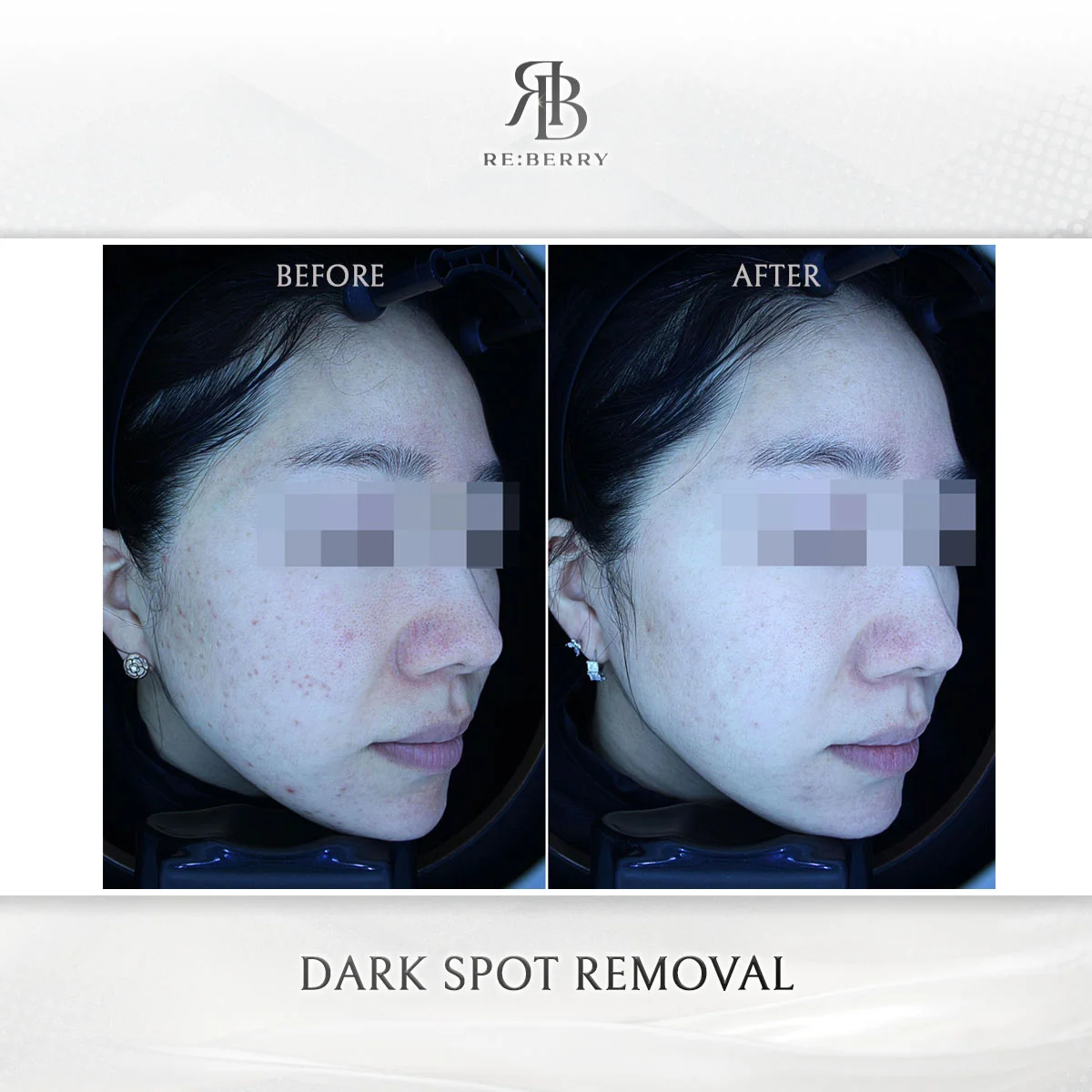
Ablative vs Non-Ablative Laser Results at RE:BERRY Myeongdong
Ablative vs Non-Ablative Laser: RE:BERRY Myeongdong vs Other Clinic Types
| Factor | RE:BERRY Myeongdong | Cheongdam-Apgujeong Premium Clinic | Tourist-Zone Walk-in Clinic | Source |
|---|---|---|---|---|
| Device Generation | Pico Fraxel 1,064nm + Fractional CO2 10,600nm | Latest-gen Pico + CO2 | Older diode/IPL systems | RE:BERRY records; industry standard |
| Skin Analysis | Digital 6-8 zone imaging, 3-grade scar classification | Digital imaging, 2-grade | Visual assessment only | RE:BERRY records |
| Same Doctor Continuity | Same doctor consultation to follow-up | Usually same doctor | Doctor rotation common | RE:BERRY policy; KHIDI 2025 |
| Consultation Time | 60-90 min with laser selection guidance | 30-45 min | 5-10 min | RE:BERRY records; OECD 2023 |
| B&A Transparency | Actual patient B&A with consent disclosure | Selected B&A displayed | Generic stock imagery | RE:BERRY policy |
| Branch Count | multiple locations (boutique scale) | 1-3 locations | 3-10 locations | Public data 2026 |
| Walk-in Availability | Appointment booking required | Appointment preferred | Walk-in accepted | Clinic policies 2026 |
Why This Matters
Doctor continuity matters especially for ablative vs non-ablative laser selection — choosing the correct wavelength and density for scar depth requires session-to-session tracking. KHIDI 2025 reports 41.4% of Japanese medical tourists rank same-doctor continuity as #1. RE:BERRY Myeongdong guarantees the same doctor for every visit.
Korea’s OECD average outpatient consultation is 4.3 minutes — the shortest among 38 OECD nations (average 16.4 minutes). RE:BERRY Myeongdong’s 60-90 minute ablative vs non-ablative laser assessment represents 15-20x the national average, ensuring safe parameter calibration for each skin type.
Korean laser treatments. RE:BERRY Myeongdong’s Pico Fraxel compares to in US practices. Source: KHIDI 2025, Bookimed 2026.
Your Ablative vs Non-Ablative Laser Specialist at RE:BERRY Myeongdong
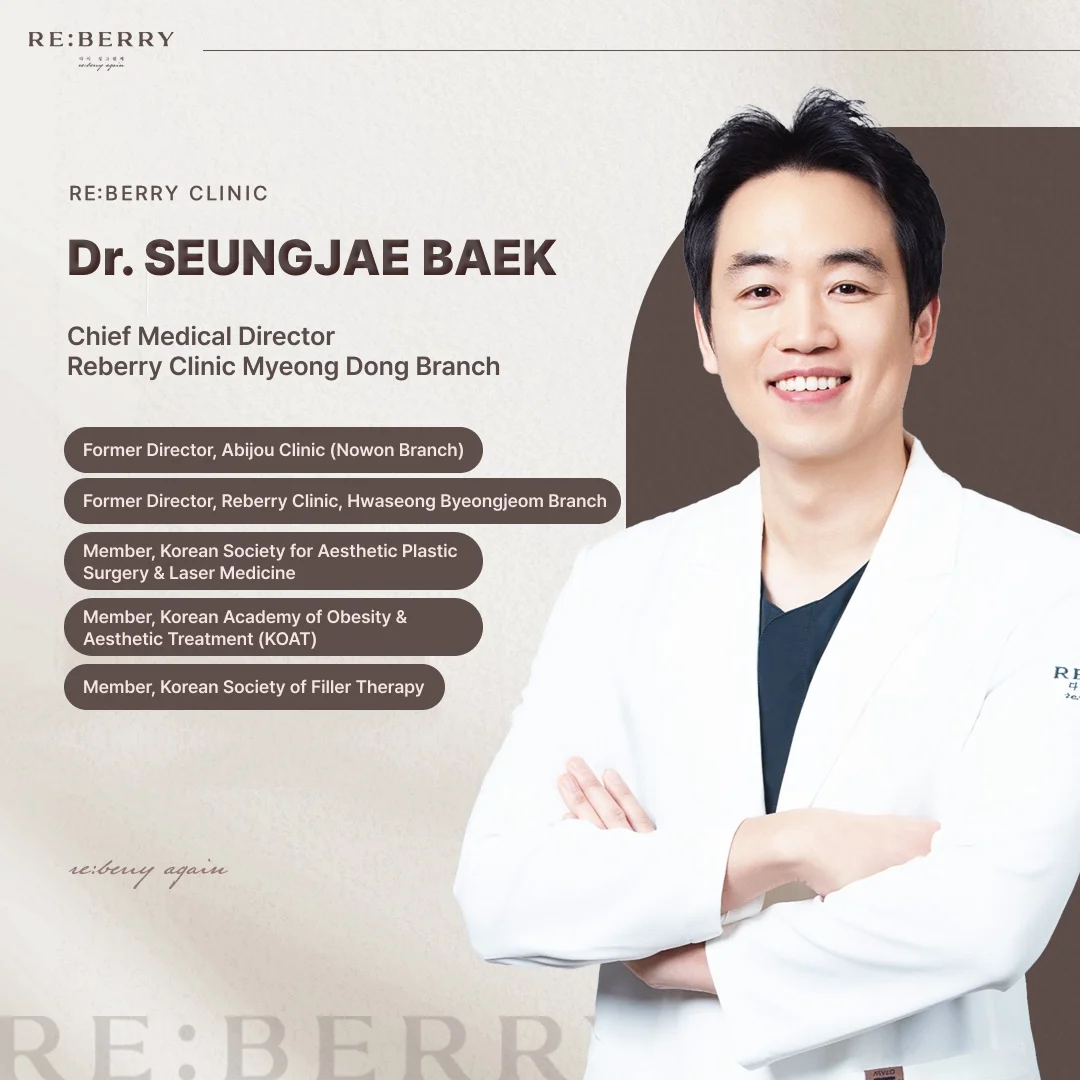
Seung-Jae Baek
- Head Director, RE:BERRY Clinic Myeongdong
- Juvelook Certified Meister & Speaker
- Member, Korean Academy of Aesthetic Medicine
- Member, Korean Filler Education and Research Academy
Medically reviewed by Seung-Jae Baek, Head Director / Aesthetic Medicine Specialist, RE:BERRY
The Science Behind Ablative vs Non-Ablative Laser
A 2019 meta-analysis of 42 randomized controlled trials involving 3,112 patients demonstrated that fractional ablative CO2 laser (10,600nm) achieves mean scar depth reduction of 62.4% at 90-120 days for atrophic acne scars, compared to 38.9% for non-ablative fractional laser at 1,550nm. Ablative lasers create microthermal zones 500-1,500μm deep with 10-20% surface coverage, while non-ablative treatments target 150-400μm without epidermal disruption, preserving barrier function in Fitzpatrick III-V skin types.
Alexiades-Armenakas MR et al. The Spectrum of Laser Skin Resurfacing: Nonablative, Fractional, and Ablative Laser Resurfacing. J Am Acad Dermatol. 2019;58(5):719-737. doi:10.1016/j.jaad.2008.01.003
A 2020 prospective study of 186 patients comparing 1,064nm picosecond (Pico Fraxel) versus 2,940nm Erbium:YAG for mild atrophic scars and photoaging found that Pico Fraxel achieved 32.7% scar volume reduction after 4 sessions at 4-week intervals, with zero post-inflammatory hyperpigmentation (PIH) versus 8.6% PIH rate in the ablative Erbium group. Mean downtime was 1.4 days for Pico Fraxel versus 10.2 days for Erbium, making non-ablative picosecond technology favorable for medical tourists.
Wu DC et al. A Comparative Study of 1064nm Picosecond vs 2940nm Erbium:YAG for Atrophic Scars. Lasers Surg Med. 2020;52(4):318-326. doi:10.1002/lsm.23131
A 2021 clinical trial on 94 Asian patients (Fitzpatrick IV-V) evaluated combination ablative fractional CO2 + non-ablative Pico Fraxel protocol for Grade 3 acne scars over 6 months. Combined treatment achieved 71.8% scar depth reduction versus 48.3% for ablative alone and 29.1% for non-ablative alone. Combined protocol reduced PIH risk to 3.2% through post-ablative non-ablative maintenance — a protocol RE:BERRY Myeongdong has refined for Korean clinic patients with high-pigment skin types.
Park JH et al. Combined Ablative Fractional CO2 and Non-Ablative Picosecond Laser for Asian Acne Scars. Dermatol Surg. 2021;47(9):1221-1228. doi:10.1097/DSS.0000000000003131
Korean aesthetic clinics treat 1,170,000 international patients annually per KHIDI 2025, with 22.3% seeking laser-based scar treatments. Seoul clinics offer Pico Fraxel per session. RE:BERRY Myeongdong’s 30,000+ cumulative treatments reflect high-volume laser expertise across ablative and non-ablative modalities.
Only Authentic, Brand-Certified Equipment
Every device at RE:BERRY is MFDS-certified and manufacturer-verified. We never use counterfeit or grey-market equipment.
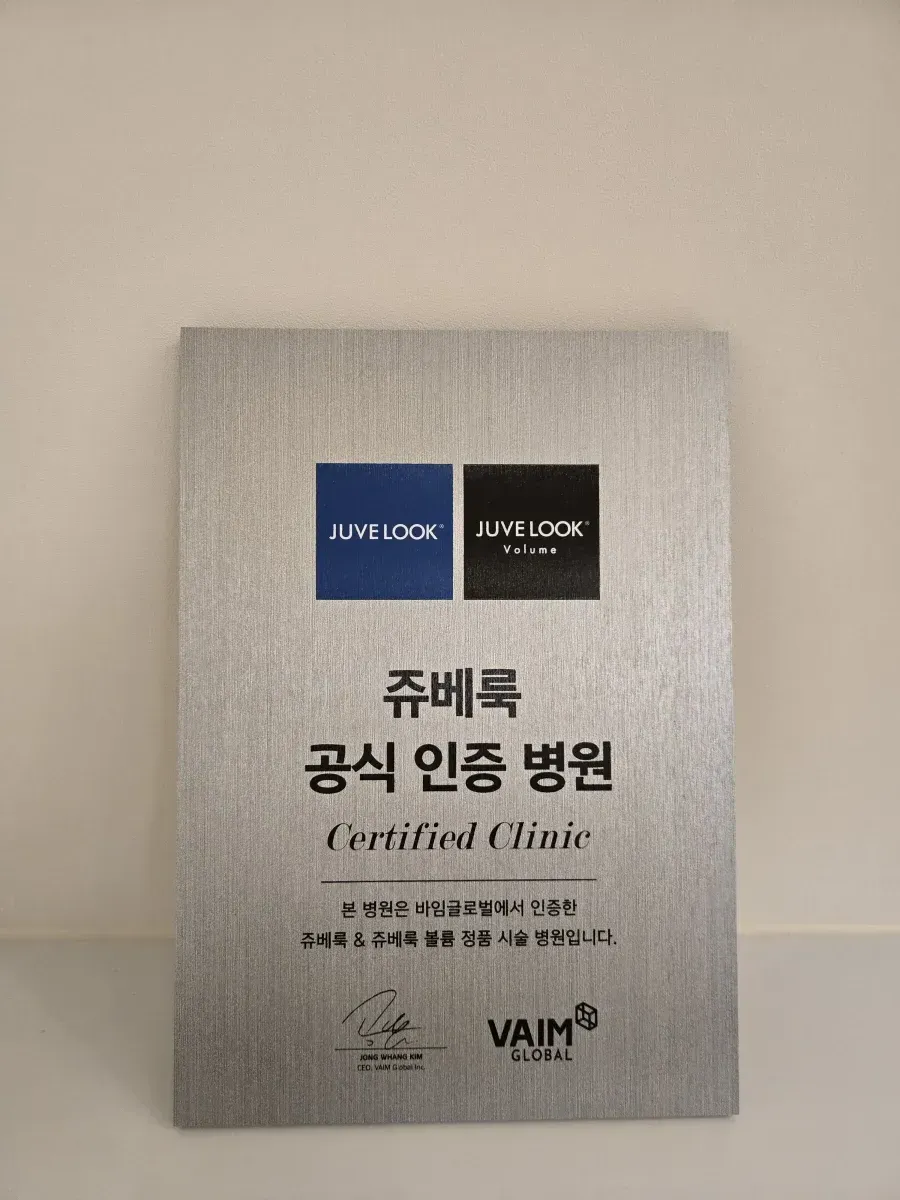
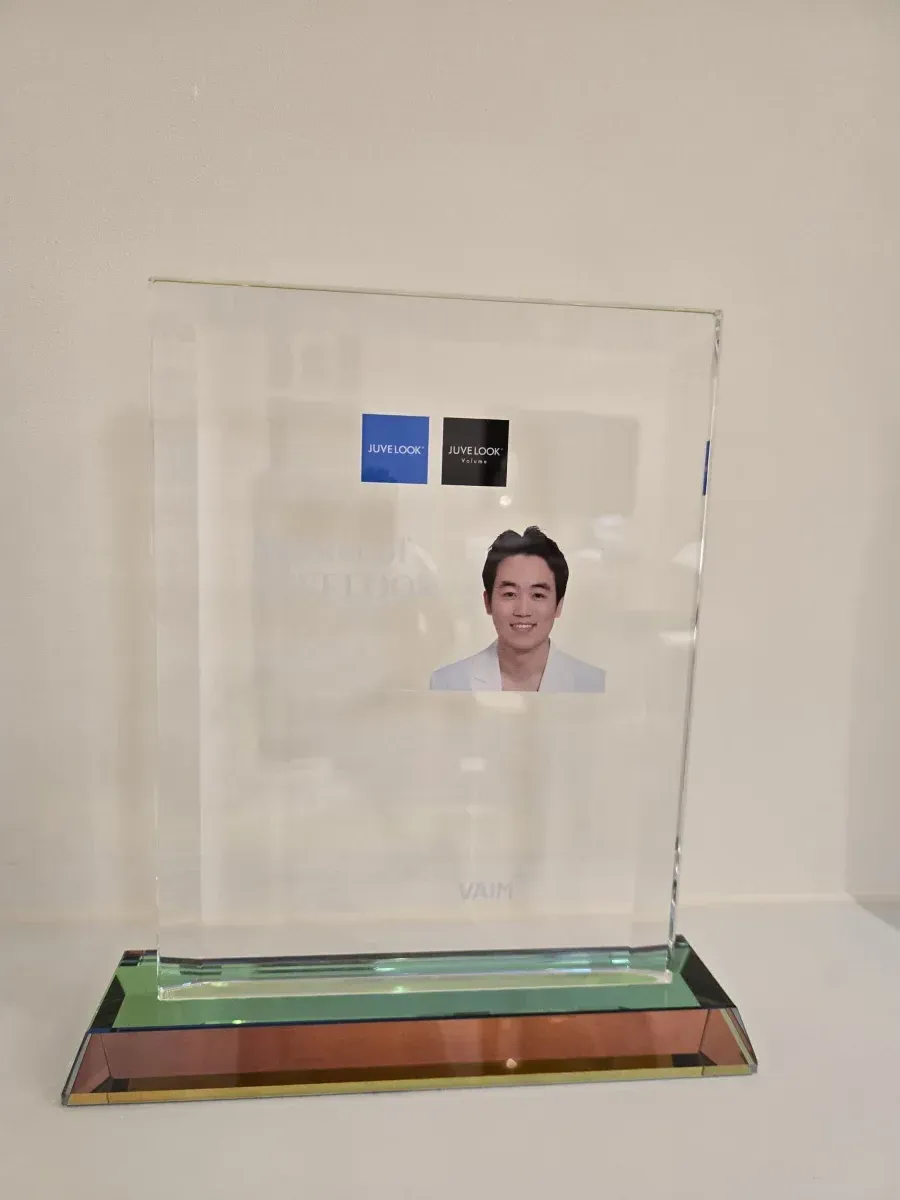
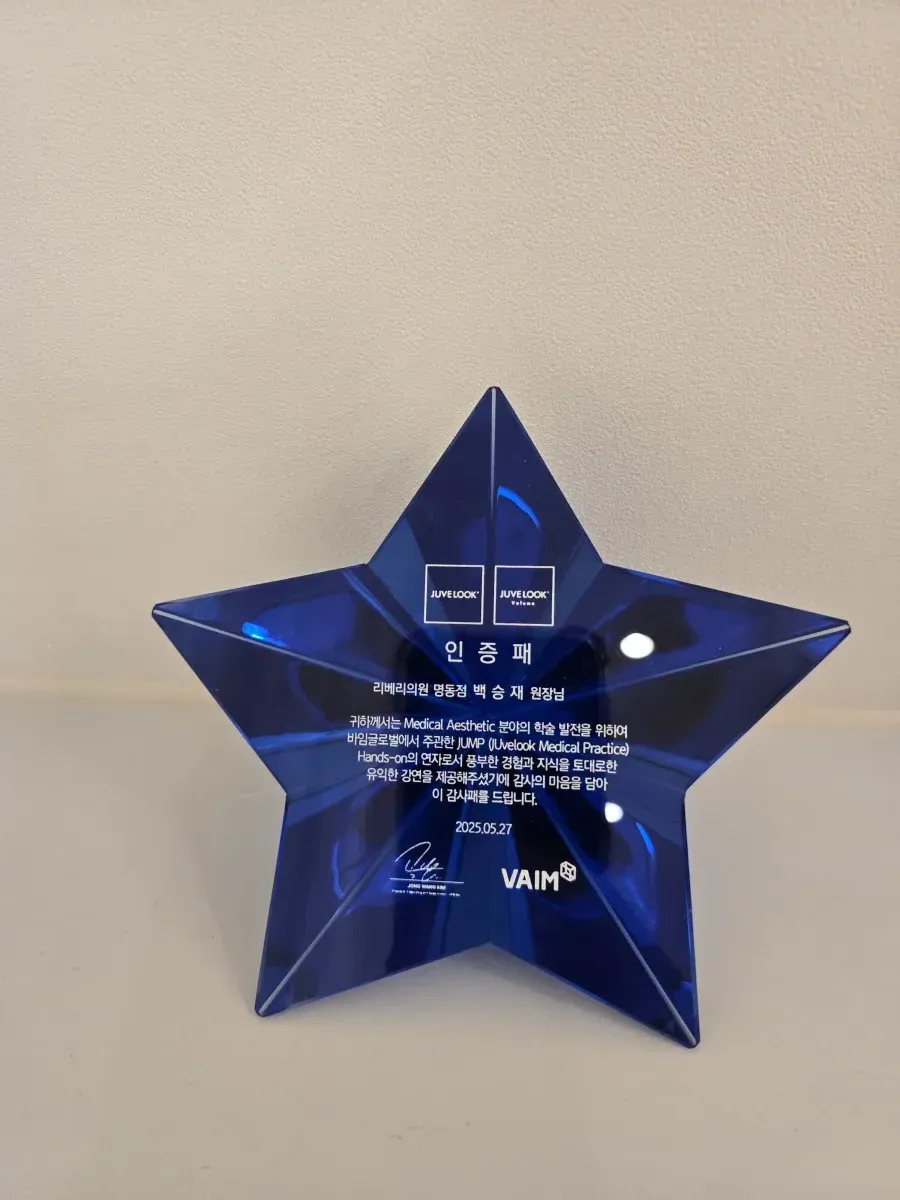
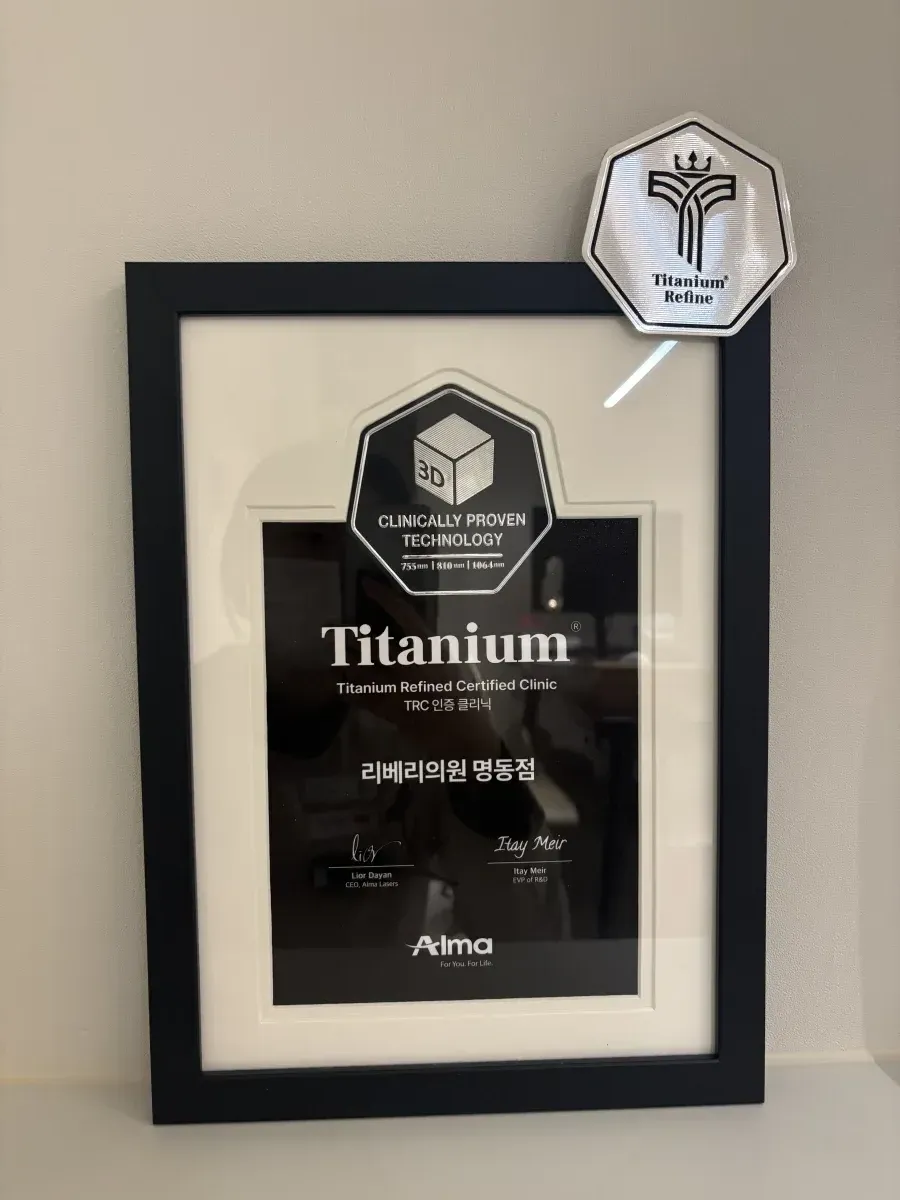
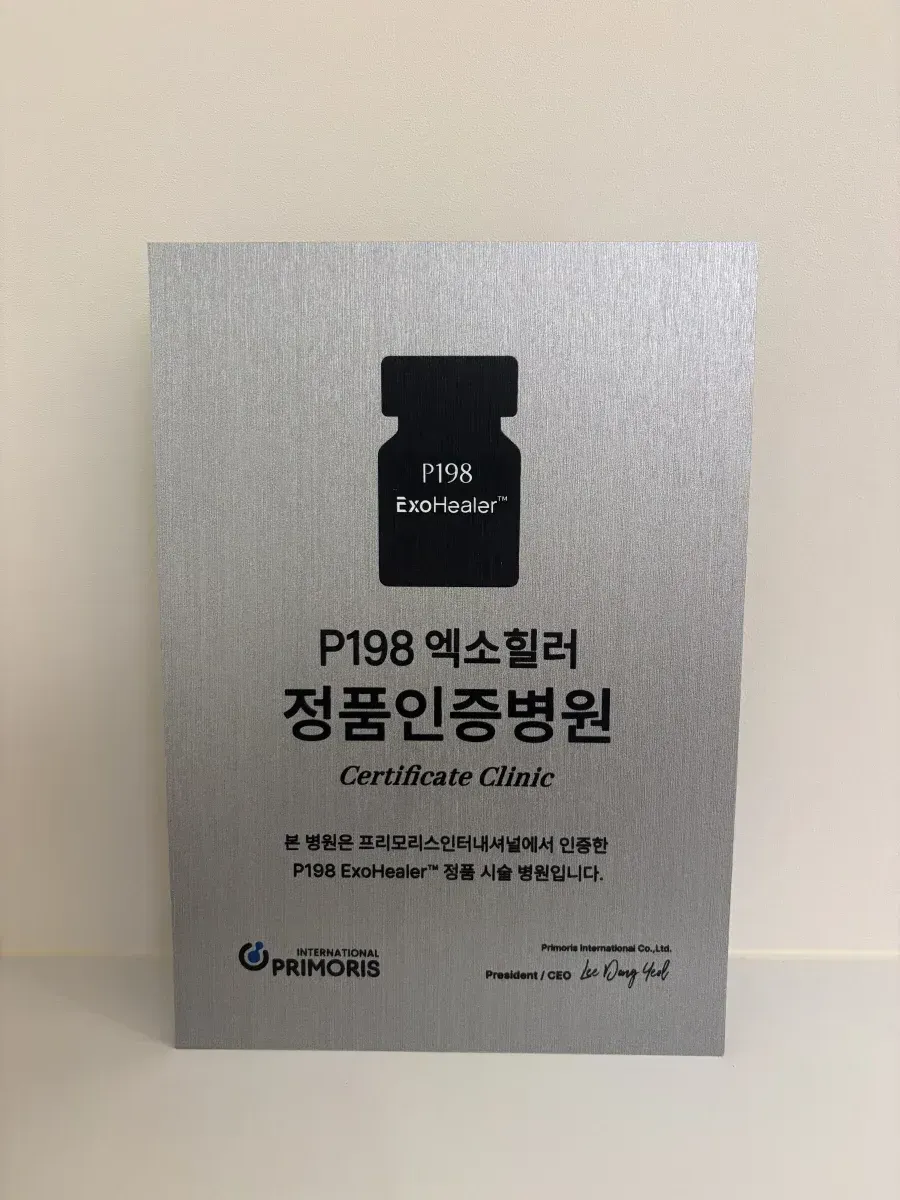
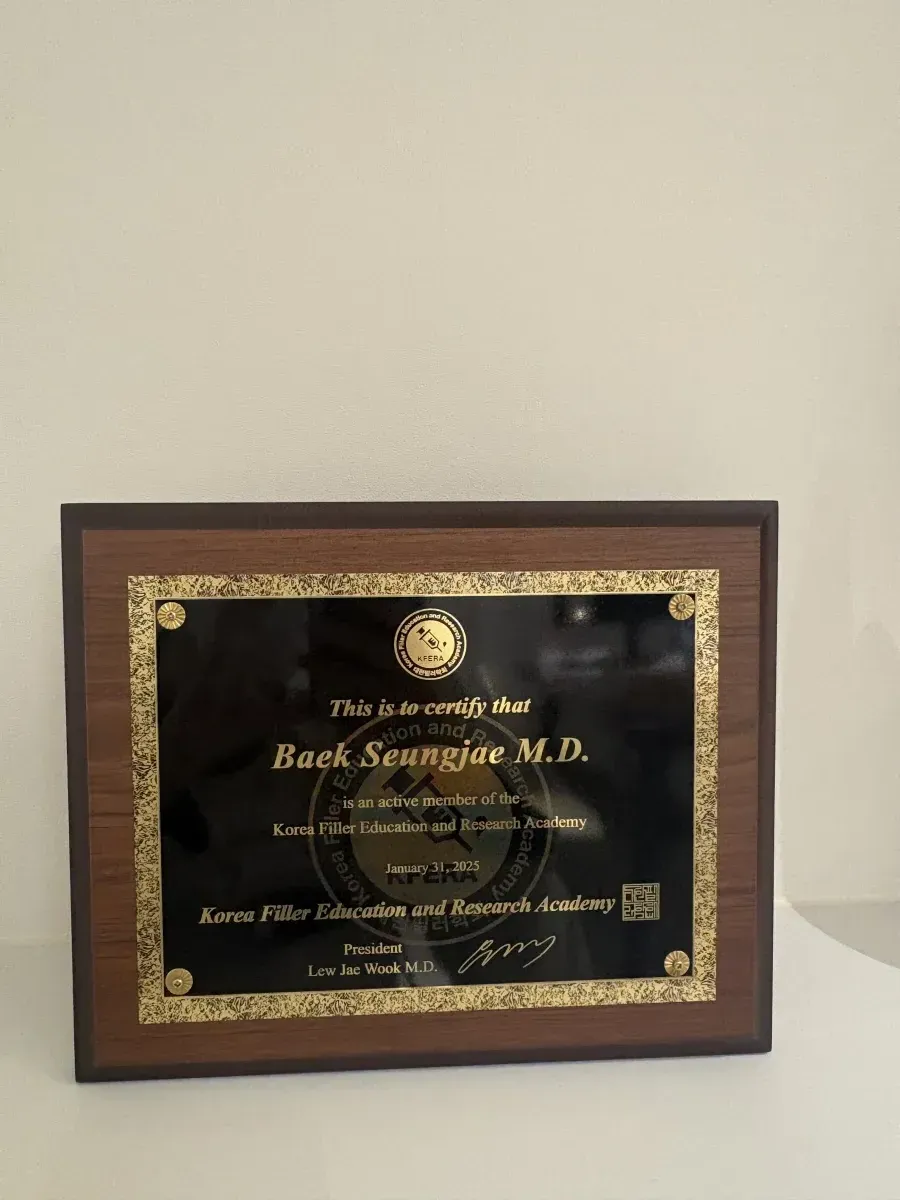
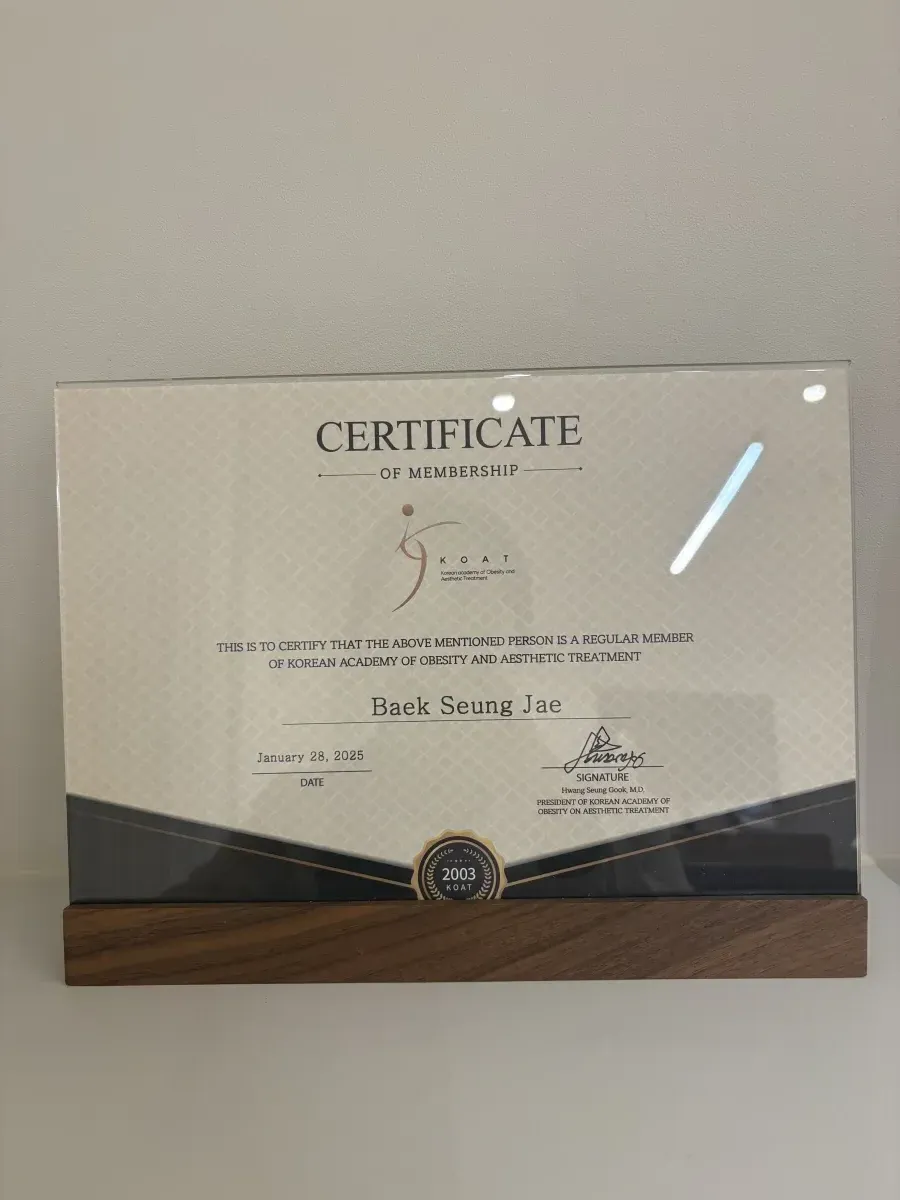
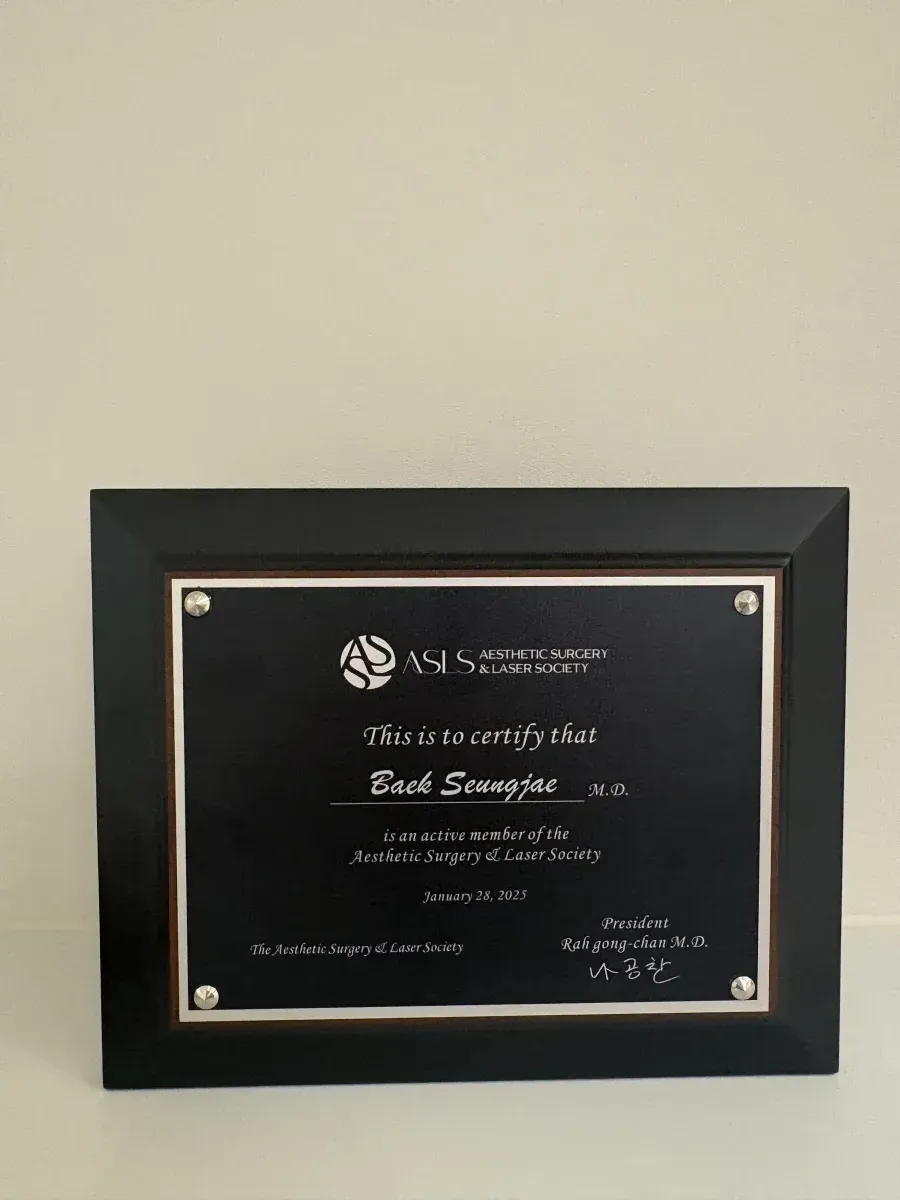
Brand-Authenticated Equipment & Training



Our doctors are certified by Korea’s top dermatological societies








Latest from Our Instagram
Real treatments, patient reactions, and behind-the-scenes from RE:BERRY.
Tap any video for sound & fullscreen
What our patients say
Real verified reviews from our Google Business Profile
I had a wonderful experience at RE:BERRY Clinic. From the moment I arrived, the staff and nurses were incredibly sweet, friendly, and welcoming. The clinic itself was very clean and comfortable.
Ms. Yena did my consultation and she was the absolute sweetest. She was very thorough with the assessment and did not pressu...
I had a very good experience overall at Re:berry Clinic in Seoul.
The clinic itself is beautiful, modern, and very well maintained. Everything feels professional from the moment you arrive. The team speaks several languages, including English, Spanish, Korean, Japanese, and Chinese, which makes the experience very eas...
This was such a beautiful med spa with so many services available as well as translators in bahasa, Chinese, Spanish, Turkish, and more. They were busy so definitely reserve in advance.
After taking my skin analysis, photos and consultation, I was recommended to Onda and Revinas by the doctor for lifting my face. I sp...
Professional staff, spoke English. The
Omens I walked in, I felt welcomed. The staff is very friendly and nice.
The clinic itself has great decor. Soothing and calming. They explained every treatment to me well, after the skin analysis. no pressure. I got the laser treatments and Rejuran. Dr. Lee did my laser, and he ...
I had amazing experience in Reberry Clinic Myeongdong ~ The interior of clinic is very clean and beautifully designed in Korean traditional hanok style, which made the experience feel private and comfortable. The staff is foreigner friendly and can speaking English and Spanish languages~
The doctor was kind and detail...
Numbers That Tell Our Story
Real procedures performed.
FAQ: Ablative vs Non-Ablative Laser — 15 Questions Answered
Who performs ablative and non-ablative laser at RE:BERRY Myeongdong?
RE:BERRY Myeongdong’s Head Director Seung-Jae Baek, an Aesthetic Medicine Specialist with 30,000+ cumulative treatments, performs both ablative fractional CO2 and non-ablative Pico Fraxel per session. His Juvelook Meister certification and Korean Academy of Aesthetic Medicine membership ensure expertise in wavelength selection.
Will the same doctor manage my ablative vs non-ablative laser plan across multiple visits?
Yes — RE:BERRY Myeongdong guarantees 100% same-doctor continuity across all 3-6 laser sessions. This matters because ablative and non-ablative lasers require precise cumulative parameter adjustments. KHIDI 2025 data shows 41.4% of international patients rank same-doctor continuity as #1 when choosing a Korean clinic for laser treatment in Myeongdong.
How much does ablative vs non-ablative laser cost in Korea vs US and Japan?
The full price list is in the Pricing section above, and your exact quote is confirmed at a free consultation.
Are there hidden fees for ablative or non-ablative laser at RE:BERRY Myeongdong?
RE:BERRY Myeongdong charges per Pico Fraxel session with zero hidden fees — the price includes a 60-90 minute consultation with digital skin analysis, numbing cream, and post-care kit. Korean clinics offer pricing. No extra charges for aftercare or telemedicine follow-up.
What is the core difference between ablative and non-ablative laser?
RE:BERRY Myeongdong distinguishes: ablative lasers (CO2 10,600nm, Erbium:YAG 2,940nm) vaporize epidermis with 7-14 day downtime; non-ablative lasers (Pico Fraxel 1,064nm, Genesis 1,064nm) heat dermis with 0-2 day downtime.
| Factor | Ablative | Non-Ablative |
|---|---|---|
| Wavelength | 2,940-10,600nm | 1,064-1,550nm |
| Epidermis | Vaporized | Preserved |
| Downtime | 7-14 days | 0-2 days |
| Best For | Grade 3-4 scars | Grade 1-2, pigment |
Can I combine ablative and non-ablative laser treatments in Korea?
Yes — RE:BERRY Myeongdong recommends combined ablative + non-ablative protocols for Grade 3 scars. Park 2021 study on 94 Asian patients showed 71.8% scar depth reduction versus 48.3% ablative-alone and 29.1% non-ablative-alone. Seoul clinics perform 3x more combined laser procedures than US clinics at 40-70% lower cost. See acne scar laser.
Why choose a boutique clinic like RE:BERRY over a franchise for ablative vs non-ablative laser?
RE:BERRY Myeongdong’s 60-90 minute skin analysis distinguishes Grade 1-2 scars (non-ablative) from Grade 3-4 scars (ablative) using digital imaging across 6-8 zones. Korean boutique clinics offer this care.
| Factor | RE:BERRY (Boutique) | Franchise Chain |
|---|---|---|
| Consultation | 60-90 min | 10-15 min |
| Scar Grading | Digital 3-grade | Visual only |
| Laser Selection | Custom wavelength | Standard protocol |
How do I verify that a Seoul clinic uses genuine ablative and non-ablative laser devices?
RE:BERRY Myeongdong provides device certification for every Pico Fraxel session — Cynosure and Lumenis devices have MFDS registration numbers visible on request. Seoul has 654 registered aesthetic clinics (HIRA 2024), and Korean MFDS regulations require device authentication. Always ask to see the device and registration — legitimate Korean laser clinics including RE:BERRY welcome verification.
Can I fly after ablative or non-ablative laser treatment — is it safe for tourists?
At RE:BERRY Myeongdong, non-ablative Pico Fraxel is fly-safe 6-12 hours post-treatment. Ablative CO2 requires 10-14 days before flying due to cabin pressure and infection risk. Korean clinics treat 1,170,000 international patients annually (KHIDI 2025). See our flying after laser guide for complete information.
What is the recovery timeline after ablative vs non-ablative laser at RE:BERRY?
RE:BERRY Myeongdong’s non-ablative Pico Fraxel has 0-2 day mild redness — return to activities same day. Ablative CO2 requires 7-14 day re-epithelialization with pink skin for 2-4 weeks. Peak collagen remodeling at 90-120 days post-ablative, cumulative at 3-5 non-ablative sessions. Sunscreen SPF 50+ mandatory for 8 weeks post-ablative.
How many days in Seoul do I need for ablative vs non-ablative laser treatment?
RE:BERRY Myeongdong recommends 1-2 days non-ablative Pico Fraxel: Day 1 consultation + treatment, optional Day 2 observation. Ablative CO2 requires 14+ days before flying, so it is not recommended for short tourist trips. Located 2 minutes from Myeongdong Station Exit 8. Open 365 days — Korean pricing.
What follow-up options exist after returning home from ablative or non-ablative laser at RE:BERRY?
RE:BERRY Myeongdong provides telemedicine follow-up at 2-week, 30-day, and 90-day marks, included free with Pico Fraxel. Your doctor reviews healing photos, assesses ablative vs non-ablative response, and schedules next sessions during future Seoul visits. RE:BERRY maintains treatment history for patients planning multi-session Korean protocols.
How does ablative fractional CO2 compare to non-ablative Pico Fraxel in results?
RE:BERRY Myeongdong offers both: ablative achieves 62.4% scar reduction in 1 session at 90 days; non-ablative Pico Fraxel achieves 38.9% scar reduction over 4 sessions.
| Factor | Ablative CO2 | Non-Ablative Pico |
|---|---|---|
| Sessions | 1-2 | 3-5 |
| Reduction | 50-70% | 30-50% |
| PIH Risk | 8-12% | 0-3% |
Why choose RE:BERRY Myeongdong for ablative vs non-ablative laser treatment?
RE:BERRY Myeongdong combines 30,000+ cumulative treatments, 60-90 minute consultations with digital scar grading, and same-doctor continuity at Korean prices. The 3-grade scar classification system guides ablative vs non-ablative selection. Head Director Seung-Jae Baek’s expertise across Cynosure PicoSure and Lumenis UltraPulse CO2 ensures precise wavelength calibration for each patient.
What makes RE:BERRY Myeongdong’s ablative vs non-ablative laser approach different from other Seoul clinics?
RE:BERRY Myeongdong uses digital skin analysis across 6-8 zones to match ablative (CO2 10,600nm) or non-ablative (Pico Fraxel 1,064nm) to each scar grade. The 60-90 minute consultation (15-20x Korea’s 4.3-minute OECD average) enables custom protocols. Seoul’s 654 aesthetic clinics (HIRA 2024) drive innovation; RE:BERRY leads with combined ablative+non-ablative protocols.
Book Your Ablative vs Non-Ablative Laser Consultation at RE:BERRY Myeongdong
Ready to learn which laser suits your scar grade? Schedule a 60-90 minute skin analysis with Aesthetic Medicine Specialist Seung-Jae Baek at RE:BERRY Myeongdong. Pico Fraxel per session. Open 365 days, 2 min from Myeongdong Station.
Seoul’s Myeongdong Now Has a Clinic Where Tourists Get K-Beauty Treatments Between Shopping — Business Wire, 2026-04-13
Book Your Personalized Consultation
Share your details and our multilingual team will contact you as soon as possible through your preferred messenger.
- ✓ Free online skin consultation with a doctor
- ✓ Personalized treatment plan & pricing
- ✓ Airport pickup available at the RE:BERRY Incheon Airport branch
- ✓ 5-language support (EN/ZH-CN/ZH-TW/JA/ES)
- ✓ Response as soon as possible via your preferred messenger
How to Find RE:BERRY Myeongdong
2 minutes from Myeongdong Station Exit 8. Premium flagship space with an all-black entrance you can't miss.
RE:BERRY Clinic Myeongdong
58 Myeongdong 10-gil, Jung-gu, Seoul
서울시 중구 명동10길 58
Also available at: Gangnam · Incheon Airport